

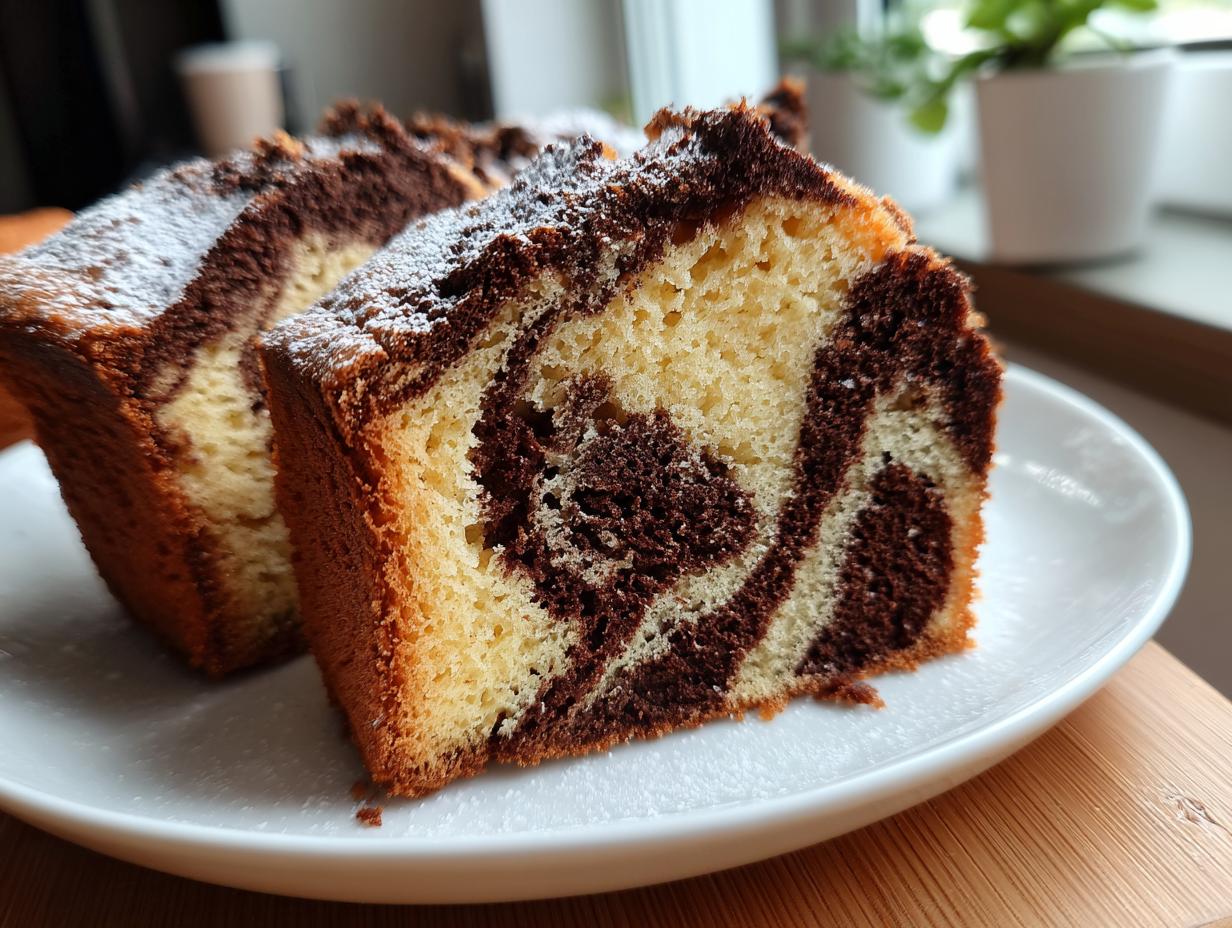
There’s nothing quite like the smell of a cake baking on a slow weekend morning. It reminds me of my own kitchen, not the frantic rush of a professional line, but the calm, steady rhythm of home. Food tells the best stories, and today we’re baking a classic that speaks volumes about comfort and tradition: the German marble cake, or Marmorkuchen, as it’s known back home. This isn’t some fussy, multi-layered creation. It’s pure, buttery, swirled perfection made in one pan, and it’s honestly one of the best weekend baking projects you can tackle. I’ve tested and tweaked this recipe until it delivers that wonderfully soft crumb and those distinct, beautiful dark and light stripes every single time. Trust me, this simple, traditional cake is about to become your new go-to centerpiece for afternoon coffee.
- Why This German Marble Cake Recipe Works for Your Kitchen
- Gathering Ingredients for the Authentic German Marble Cake (Marmorkuchen)
- Expert Tips for the Perfect German Marble Cake Swirl
- Marmorkuchen Step by Step: Baking Your German Marble Cake
- Ingredient Notes and Substitutions for this German Pound Cake Recipe
- Serving Suggestions for this Traditional German Cake
- Storage and Reheating the german marble cake
- Frequently Asked Questions About Making Marmorkuchen
- Baking Legacy: Sharing Your german marble cake Experience
Why This German Marble Cake Recipe Works for Your Kitchen
When I teach a recipe, I’m focused on results, not fuss. This German marble cake recipe is designed to be straightforward, yet it delivers a cake that tastes like it took all day! You’re going to love how simple it is to manage the two batters.
- The texture is that perfect, tender crumb you expect from a great German pound cake recipe—super moist and not airy.
- We nail the marbling every time because the batter consistencies are perfectly balanced for swirling.
- It’s a true one-bowl process (before you split the batter!), which means less cleanup after your moist marble cake technique succeeds.
Gathering Ingredients for the Authentic German Marble Cake (Marmorkuchen)
Before we even think about mixing, we need to get our ingredients ready. This is where so many home bakers trip up—they grab things straight from the fridge! For a truly great cake, especially one aiming for that lovely crumb, temperature matters. Lay everything out on the counter while you preheat the oven. That way, everything is happy and ready to bind perfectly together. This recipe is deeply rooted in classic German home baking, meaning simple, quality components are key.
Essential Ingredients for the German Marble Cake Batter
When you’re assembling everything, remember the details: the butter must be soft, the eggs should be at room temperature so they incorporate smoothly, and we need that hot water specifically for the cocoa mix to bloom the flavor. Here’s exactly what you need for this authentic Marmorkuchen:
- 1 cup unsalted butter, absolutely softened to room temperature—you should be able to press your finger into it easily.
- 1 cup granulated sugar—we use this for the main base.
- 4 large eggs, used one at a time.
- 1 teaspoon vanilla extract—don’t skimp on the good stuff here!
- 2 cups all-purpose flour, measured lightly.
- 1 tablespoon baking powder—this gives it the lift we need.
- 1/4 teaspoon salt, maybe even a tiny pinch more if your butter is unsalted.
- 1/2 cup milk—whole milk works best for richness.
- Then, for the dark half, you’ll need 1/4 cup unsweetened cocoa powder, 2 tablespoons hot water (fresh off the boil is great), and 1 tablespoon of granulated sugar just for that chocolate portion.
Expert Tips for the Perfect German Marble Cake Swirl
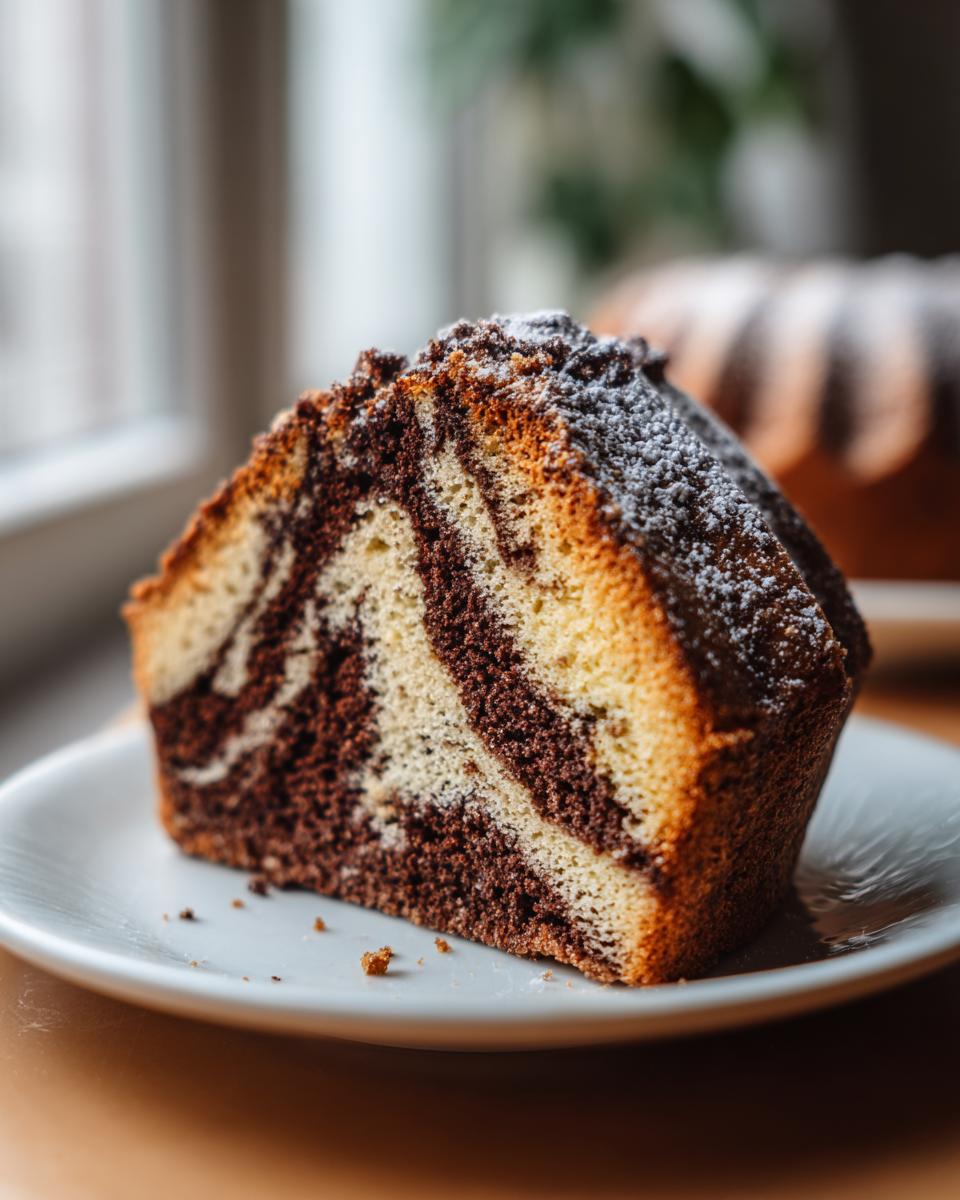
Okay, this is the make-or-break moment, right? We don’t want streaks of dry white dough in our finished cake, and we definitely don’t want a muddy brown mess! The secret to that gorgeous, dramatic pattern in your German marble cake is all about managing the swirl. Once you’ve added the chocolate mixture to the smaller portion of batter, gently stir it just until no streaks of white remain. You want it barely combined so that the two batters are distinct.
When spooning them into your Bundt pan, alternate big dollops of light, then dark, and repeat. Now for the magic touch I learned working in a professional kitchen: use a skewer or a thin table knife and plunge it straight down to the bottom of the pan. Pull it out, wipe it clean, and then draw a gentle ‘S’ shape through the batter just two or three times. Stop! That’s the rule: resist the urge to go back for more swirling. Overmixing the swirl is how you turn perfectly good batter into a single color.
Achieving Consistent Batter Consistency for the german marble cake
When you split the batter, the chocolate side will naturally get a little stiffer because the cocoa powder sucks up some moisture. I always add that tablespoon of extra sugar right into the cocoa mix specifically to try and balance the thickness back out with the vanilla batter. The goal is for both halves to feel like they flow off your spoon at roughly the same speed. If one is way too stiff, your marbling ends up looking choppy instead of gracefully swirled on your German coffee cake.
Marmorkuchen Step by Step: Baking Your German Marble Cake
Okay, we’ve got our batters ready; now we move onto the baking. This part is straightforward, but precision on timing keeps the cake wonderfully moist. First things first: make sure your oven is already at 350°F (175°C). Nothing throws off a cake faster than putting it into an oven that isn’t fully hot yet! Make sure you’ve greased and floured that 10-cup Bundt pan really well—I can’t stress this enough for a clean release.
Now we assemble the look! Spoon alternating dollops of that pale vanilla batter and the rich chocolate batter right into the prepared pan. Try to keep the dollops roughly the same size as you go around the circle. When you’ve used everything up, take a skewer or a thin, dull knife and gently trace that ‘S’ pattern through the middle couple of times—remember what we talked about? Don’t overwork it!
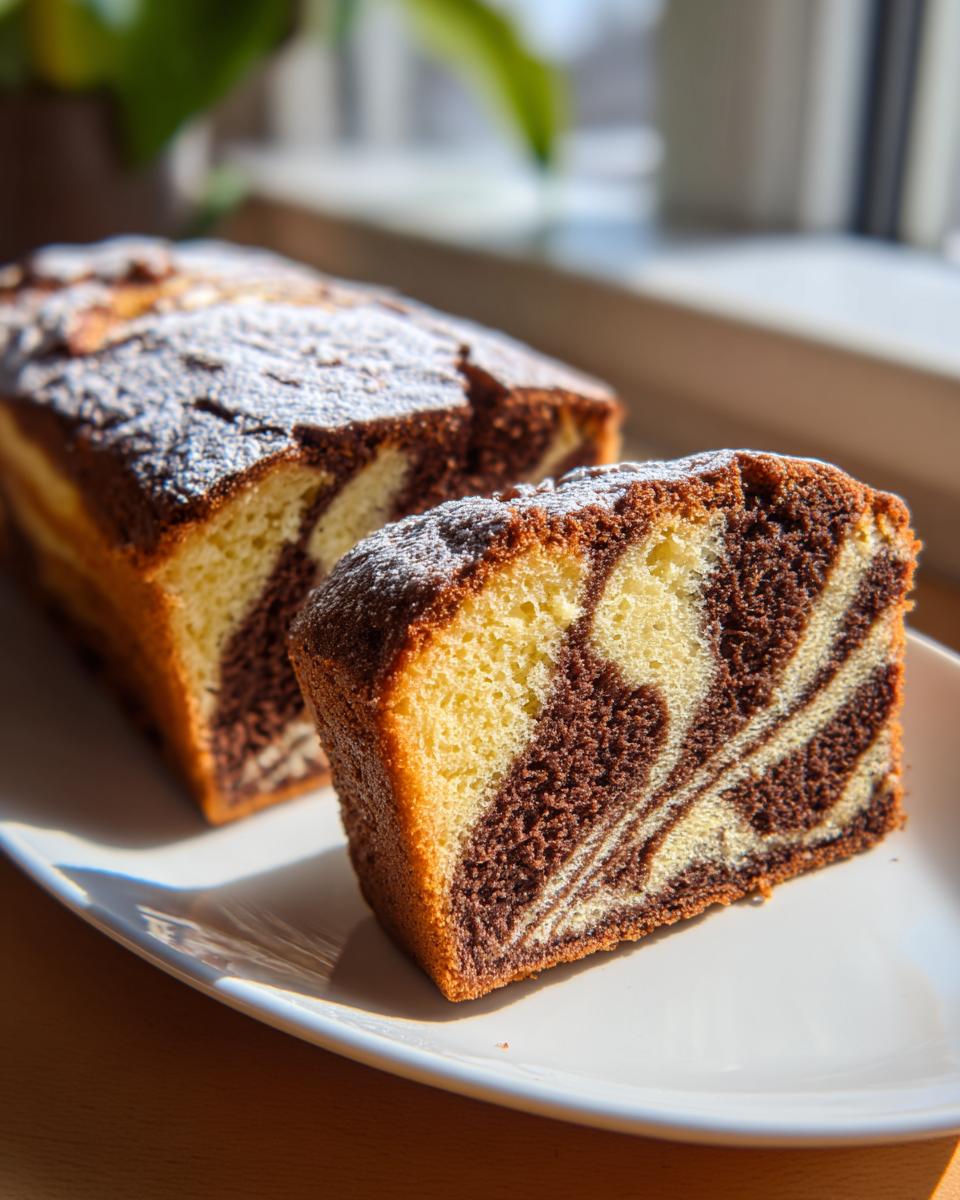
Slide that beauty into the oven. You’re looking at 50 to 60 minutes total baking time at that 350°F temperature. I always start checking around the 50-minute mark by inserting a wooden skewer right into the center. If it comes out clean, you’re done! If it has wet batter clinging to it, give it five more minutes. Once it’s done, let it hang out in that hot pan for a quick 10 minutes to firm up before you flip it onto a cooling rack. This step is crucial for a perfect classic bundt cake tutorial result!
Ingredient Notes and Substitutions for this German Pound Cake Recipe
I know sometimes you look at a recipe and think, “I don’t have *exactly* that, what happens if I change it?” That’s okay! Baking is adaptable, but since we’re aiming for that authentic German pound cake recipe texture, we need to be smart about swaps. For instance, we used regular milk, but if you happen to have buttermilk on hand, go ahead and use that instead of the milk; it adds a lovely, subtle tang that cuts through all that buttery richness. If you’re completely dairy-free, oat milk works surprisingly well here, though the cake will be a touch less rich.
Another ingredient that deserves attention is the cocoa powder. Don’t just grab whatever is left at the bottom of the pantry! For the dark chocolate half of your german marble cake to really shine, you need good quality cocoa. If you can find Dutch-processed cocoa, that’s fantastic, as it gives a deeper, darker color and a smoother chocolate flavor. If all you have is natural unsweetened, it will still work, but maybe increase that one extra tablespoon of sugar in the chocolate mix just a tiny bit.
Choosing the Right Pan for Your german marble cake
The instructions specifically call for a 10-cup Bundt pan, and if you have one, please use it! The fluted sides and the central tube are what give this cake its classic German appearance and, more importantly, its incredibly even bake. A deep pan like that can sometimes be tricky to grease, so I always double-check. Seriously, take the extra minute to grease the entire inside of that pan with softened butter or baking spray, and then dust it generously with flour. Tap out all the excess flour, but make sure every little ridge is coated!
If you absolutely don’t have a Bundt, you can divide the batter between two 9×5 inch loaf pans—just remember they will take longer to bake, probably closer to 70 minutes, so keep that skewer handy! For me though, the Bundt pan is non-negotiable for the classic Marmorkuchen look. It’s part of the magic when you’re trying to achieve those great simple delicious desserts.
Serving Suggestions for this Traditional German Cake
Now that you have this beautiful, perfectly swirled traditional German cake cooling, you have to decide how to serve it. If you want that true German coffee hour experience, skip anything complicated! The very best way is to wait until it’s completely cool and give it a heavy dusting of powdered sugar. It looks elegant and frankly, it’s just easier!
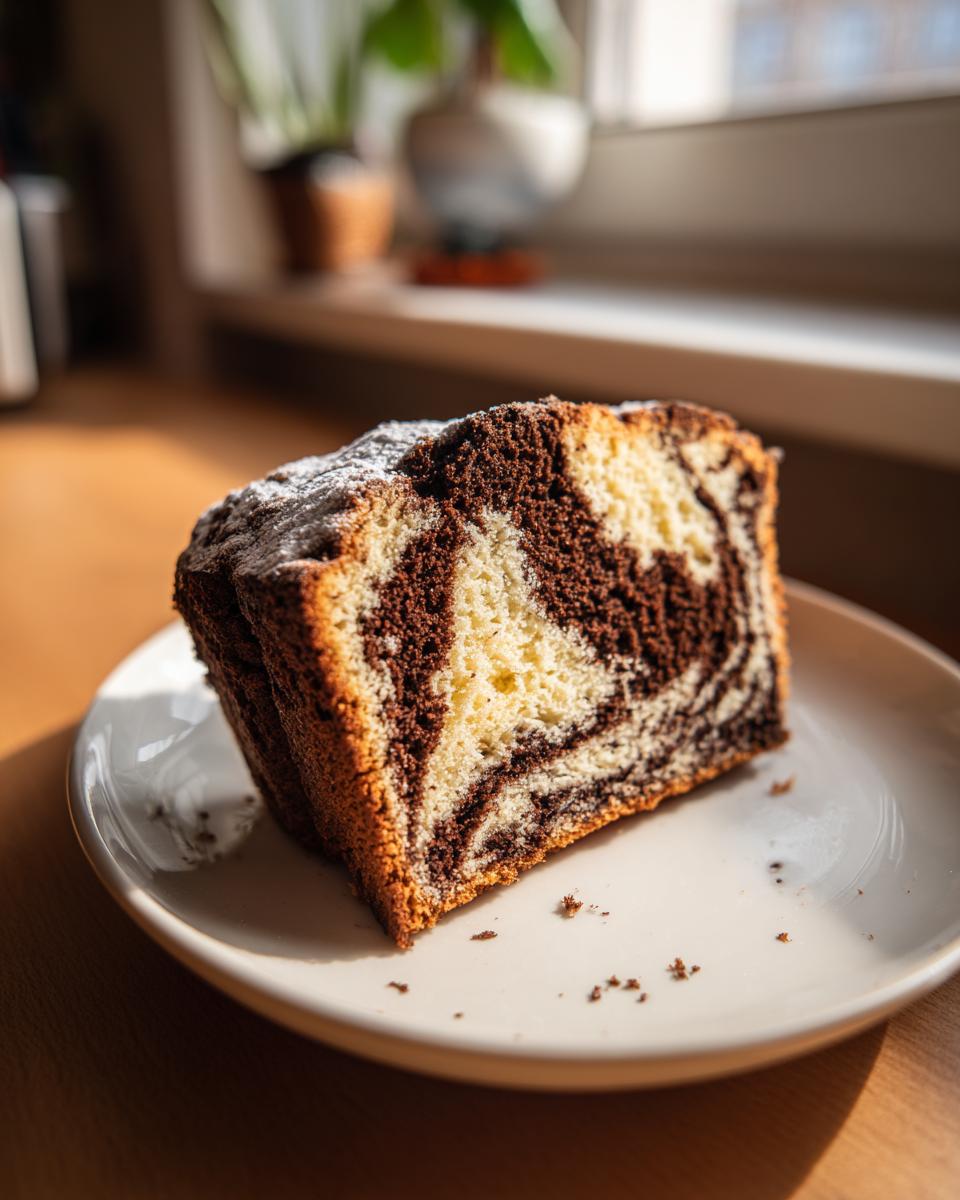
However, if you’re feeling extra fancy, a very thin drizzle of lemon glaze—just powdered sugar and citrus juice—looks gorgeous against the dark and light crumb. Honestly though, this cake is delicious as is, maybe served beside a bowl of fresh raspberries. It doesn’t need much help to shine!
Storage and Reheating the german marble cake
One of the best things about a rich, buttery cake like this german marble cake is that it actually tastes better the next day! The flavors settle in, and it becomes even more tender. Since this is a pound cake style, we don’t have to worry about frosting ruining storage. The real key is wrapping it up right.
Once the cake is totally cool—and I mean *completely* cool, or you’ll trap moisture and get soggy spots—wrap it tightly. I usually wrap my cooled Bundt cake first in plastic wrap, making sure to seal the edges well around the base, and then I follow that up with a layer of aluminum foil. This double-wrap keeps out any air and locks in that wonderful moisture.
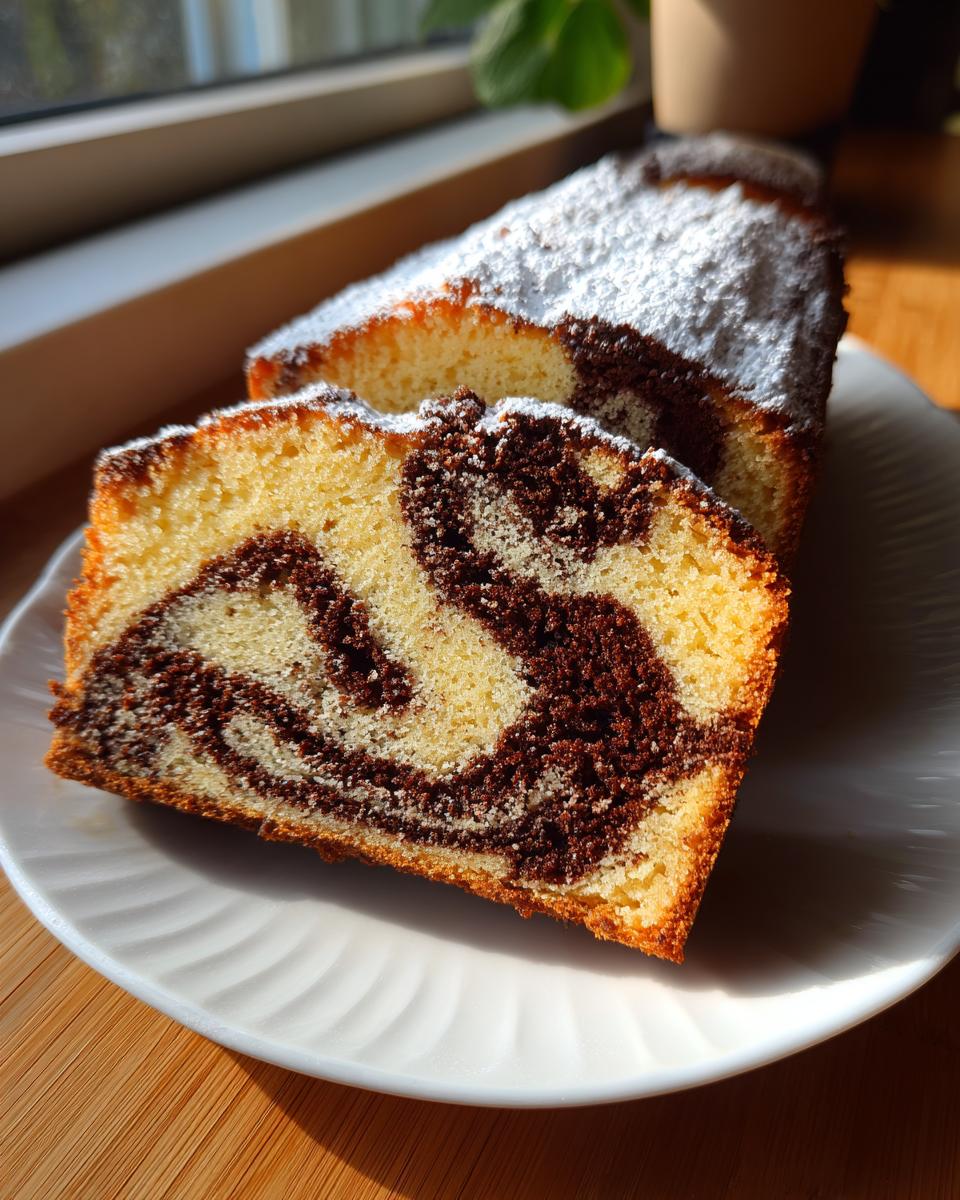
Stored this way, your Marmorkuchen will happily sit on your counter at room temperature for a good three or four days. Seriously, no need to refrigerate it unless your kitchen is super hot! If you want to bake ahead for a big gathering, you can absolutely freeze it. Wrap it even tighter—maybe add parchment paper between the cake and the plastic wrap—and it’ll be perfect for about two months. When you want to thaw it, just pull it out the night before and let it come slowly back to room temperature while still wrapped. It’ll taste like it just came out of the oven!
Frequently Asked Questions About Making Marmorkuchen
I’ve poured years into perfecting this style of cake, and I know you might have a few questions before you dive in. This is where we talk troubleshooting and how to make sure your first try at this German home baking classic looks exactly like mine. You want the gorgeous swirls, not a uniform brown blob, right? Don’t worry; we’ve all been there! Taking on an easy weekend baking project like this should be fun, not stressful.
Can I make this german marble cake recipe in a loaf pan?
Yes, you absolutely can! If you don’t have your 10-cup Bundt pan ready, using two standard 9×5 inch loaf pans makes this a fantastic, easy way to share smaller portions. Now, here’s the caveat: because loaf pans are deeper, the heat takes longer to penetrate the center. You’ll likely need to add a good 15 to 20 minutes to the baking time. Start checking around the 65-minute mark, and always test that center point with your skewer!
Why is my german marble cake dry?
Dryness is usually a sign of one of two things when making this easy marble bundt cake. Most often, it’s overmixing. Once you add the flour, we are mixing just until the streaks disappear. If you keep beating it, you develop too much gluten, and the cake tightens up and dries out during baking. The second common reason is oven temperature. If your oven runs hot, the cake bakes too fast, sealing the moisture out. Use an oven thermometer if you suspect your regular dial is off!
What is the difference between Marmorkuchen and a standard American marble cake?
That’s a great question that gets to the heart of this recipe! Traditional Marmorkuchen is generally denser and richer than what many Americans expect from a marble cake. We use a style that leans toward a true pound cake base—rich with butter and eggs, giving it a tighter crumb. An American version might be lighter, closer to a classic sponge cake, and often uses a swirl of chocolate frosting folded in, rather than dividing the batter and adding cocoa to a portion of it. Our goal here is that satisfying, slightly heavier, moist German slice!
Baking Legacy: Sharing Your german marble cake Experience
This German marble cake isn’t just about mixing ingredients; it’s about continuing a tradition of home baking that brings people together. I truly hope seeing this recipe come together in your own kitchen felt just as rewarding as it does in mine. Every time you bake something from scratch, you create a little piece of family history, whether it’s for your immediate family or just for yourself with a good cup of coffee.
Now that you’ve mastered the swirl, I want to hear all about it! Did you get that perfect feathering effect we talked about? Did the chocolate batter blend just right? Don’t be shy—head down to the comments section below and leave me a rating. Tell me how it turned out and what you served it with.
I love seeing your successes! If you took a picture of your finished Marmorkuchen looking all beautiful on the cooling rack, please save it and share it on social media, tagging us so I can see your incredible work. Knowing that this recipe made its way from my notebooks to your family table is the whole reason I do this. You can always read more about our philosophy behind the home kitchen here. Happy baking, friends!
PrintAuthentic German Marble Cake (Marmorkuchen)
Bake a classic German Marble Cake, or Marmorkuchen, using this straightforward recipe for a moist, swirled Bundt cake perfect for coffee time.
- Prep Time: 20 min
- Cook Time: 55 min
- Total Time: 1 hr 15 min
- Yield: 10 servings 1x
- Category: Dessert
- Method: Baking
- Cuisine: German
- Diet: Vegetarian
Ingredients
- 1 cup unsalted butter, softened
- 1 cup granulated sugar
- 4 large eggs
- 1 teaspoon vanilla extract
- 2 cups all-purpose flour
- 1 tablespoon baking powder
- 1/4 teaspoon salt
- 1/2 cup milk
- 1/4 cup unsweetened cocoa powder
- 2 tablespoons hot water
- 1 tablespoon granulated sugar (for cocoa mix)
Instructions
- Preheat your oven to 350°F (175°C). Grease and flour a 10-cup Bundt pan.
- In a large bowl, cream together the butter and 1 cup of sugar until light and fluffy.
- Beat in the eggs one at a time, mixing well after each addition. Stir in the vanilla extract.
- In a separate bowl, whisk together the flour, baking powder, and salt. Gradually add the dry ingredients to the wet ingredients, alternating with the milk, mixing just until combined. Do not overmix.
- Pour about two-thirds of the batter into a separate bowl.
- In the smaller portion of batter remaining in the main bowl, whisk in the cocoa powder, hot water, and the extra 1 tablespoon of sugar until smooth. This is your chocolate batter.
- Spoon alternating dollops of the light batter and the chocolate batter into the prepared Bundt pan.
- Take a knife or a skewer and gently run it through the batter in an S-shape several times to create the marble effect. Do not over-swirl.
- Bake for 50 to 60 minutes, or until a wooden skewer inserted into the center comes out clean.
- Let the cake cool in the pan for 10 minutes before inverting it onto a wire rack to cool completely.
Notes
- For a traditional finish, dust the cooled cake with powdered sugar before serving.
- To achieve a good marble, ensure your light and dark batters are of similar consistency before swirling.
- Use good quality cocoa powder for the best chocolate flavor in this German pound cake recipe.
Nutrition
- Serving Size: 1 slice
- Calories: 320
- Sugar: 25g
- Sodium: 150mg
- Fat: 18g
- Saturated Fat: 11g
- Unsaturated Fat: 7g
- Trans Fat: 0.5g
- Carbohydrates: 37g
- Fiber: 1g
- Protein: 5g
- Cholesterol: 85mg