

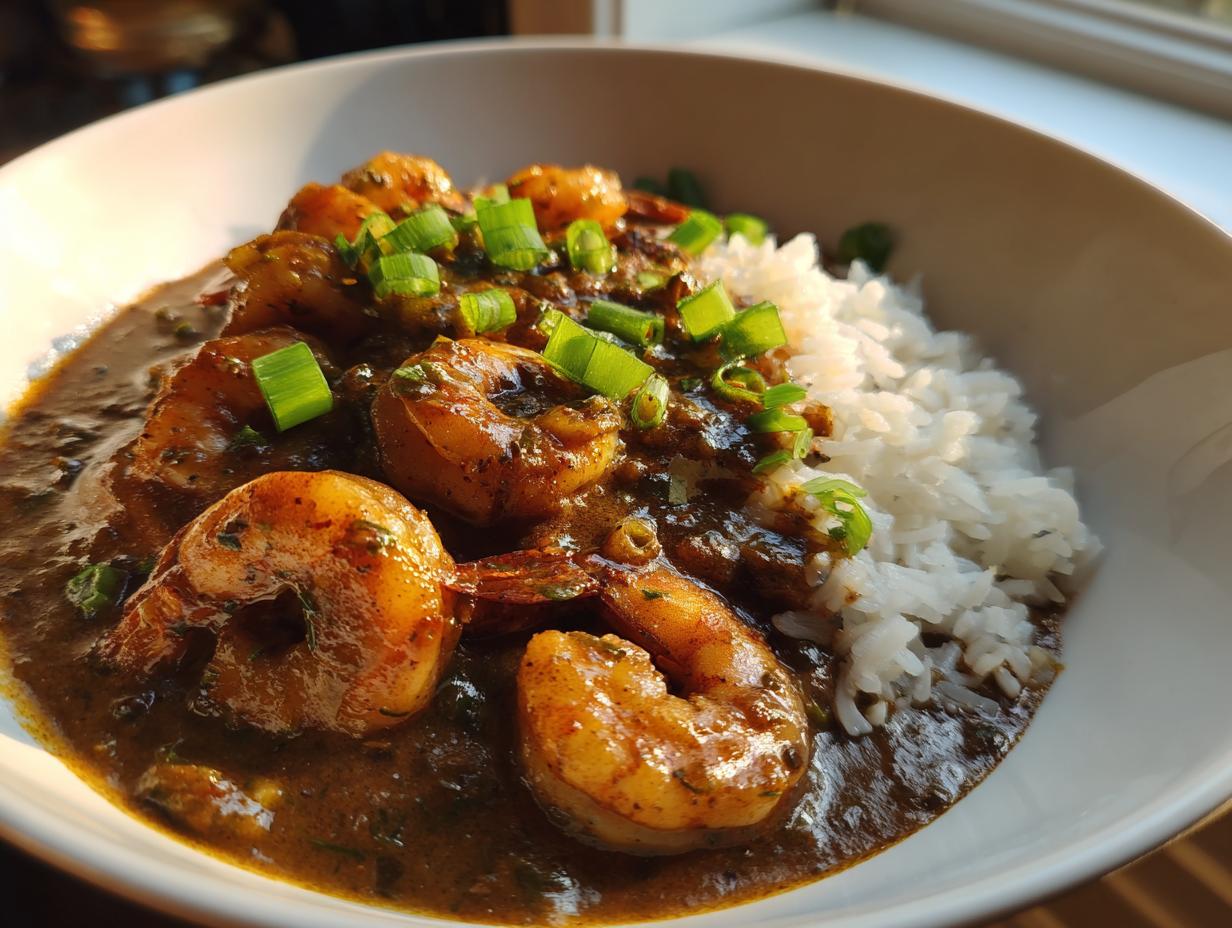
There’s something deeply soulful about food that tells a story of place, and for me, nothing sings louder than the kitchen of Louisiana. When I think about true comfort, I picture that rich, savory brown sauce blanketing simple white rice. Forget the quick dinner shortcuts; if you want that *real* New Orleans flavor, you need to commit to a few foundational steps. That’s why I’m walking you through what I believe is the best shrimp etouffee recipe you’ll ever make. Learning the classic ways isn’t about being fussy; it’s about honoring the tradition behind our greatest Creole Comfort Food Dinner, just like my grandmother taught me to honor every classic Italian sauce.
We’re focusing on technique here because that’s where the magic happens. Stick with me through the roux, and I promise you’ll end up with a dish that tastes exactly like it should. Don’t forget to check out my tips on creamy shrimp and grits for another must-try Southern seafood dish!
- Why This Authentic Shrimp Etouffee Recipe Works
- Gathering Ingredients for Classic Cajun Etouffee
- Step-by-Step Instructions for Perfect Shrimp Etouffee
- Tips for the Best Shrimp Etouffee Flavor
- Serving Suggestions for Your Creole Comfort Food Dinner
- Storage and Reheating Instructions for Shrimp Etouffee
- Frequently Asked Questions About Authentic Shrimp Etouffee Recipe
- Estimated Nutrition for Your Flavorful Etouffee Technique
- Share Your Experience Making This Shrimp Etouffee
Why This Authentic Shrimp Etouffee Recipe Works
You deserve an unbelievable meal, and that’s what we’re aiming for. This recipe isn’t fast, and honestly, it shouldn’t be. True flavor takes time, especially when we’re building that beautiful base for our shrimp etouffee. If you trust the process, the results speak for themselves every single time.
- Deep, complex flavor from a perfectly cooked roux that can’t be rushed.
- The slow 30-minute simmer lets the Holy Trinity really marry with herbs.
- We use high-quality stock to develop a rich body, not just a thin sauce.
- A quick note—if you’re looking for things you can whip up faster, check out my guide to quick, easy weeknight dinners, but for this one, slow down!
Mastering the Flavorful Etouffee Technique
The absolute key, the whole secret handshake of this dish, is patience during the roux stage. I know it feels scary watching that oil and flour darken, but you have to keep that wooden spoon moving constantly over medium heat. You are aiming for that deep, nearly chocolatey color. If you stop stirring, you burn one spot, and the whole pot tastes bitter—and then we have to start over! Don’t rush it; that dark roux is where all the depth comes from before we even add the vegetables.
Gathering Ingredients for Classic Cajun Etouffee
If you want that truly shrimp etouffee flavor that transports you straight to a New Orleans kitchen, you can’t skimp here. We need to treat our ingredients with the respect they deserve! This list is for a true *Authentic Shrimp Etouffee Recipe*, so pay close attention to the details I list below. Everything must be prepped before that roux hits the heat because things move fast once the trinity hits the pot!
I’ve listed the basics—don’t forget to check out my recipe for a fantastic all-purpose marinade if you ever tackle chicken next time: The Ultimate All-Purpose Juicy Chicken Marinade.
Ingredient Notes and Substitutions
Let’s talk specifics on these core components. For the Holy Trinity, we need one whole large onion, one green bell pepper, and two celery stalks—all chopped up nice and small. If you can find smoked sausage or leftover crawfish tails, you can certainly toss those in there too, but for this base version, we rely on the shrimp.
When it comes to the liquid, seafood stock is always the top choice, but good quality chicken stock works if you can’t source seafood. And about the heat: that cayenne pepper is negotiable! Start with just half a teaspoon if you are sensitive to spice. Remember, we can always add more heat later, but we can’t take it out once it’s simmering away in the pot.
Step-by-Step Instructions for Perfect Shrimp Etouffee
Okay, listen up, because this is where we earn that deeply satisfying, shrimp etouffee experience. We are moving through these steps with purpose. Get your heavy pot ready—a Dutch oven is perfect because it holds heat so beautifully. I really want you to bookmark this entire guide so you can reference it when you’re ready to cook; you might want to save this link to my one-pot chicken and dumplings for another cozy night, too: Easy One-Pot Chicken and Dumplings.
Remember, every second counts once we start cooking, so have your stock measured, your veggies chopped, and your shrimp waiting patiently! We’re aiming for something truly special here that rivals the best spots in the French Quarter. Feel free to use this resource for visual guides if you need extra help: Shrimp Etouffee link.
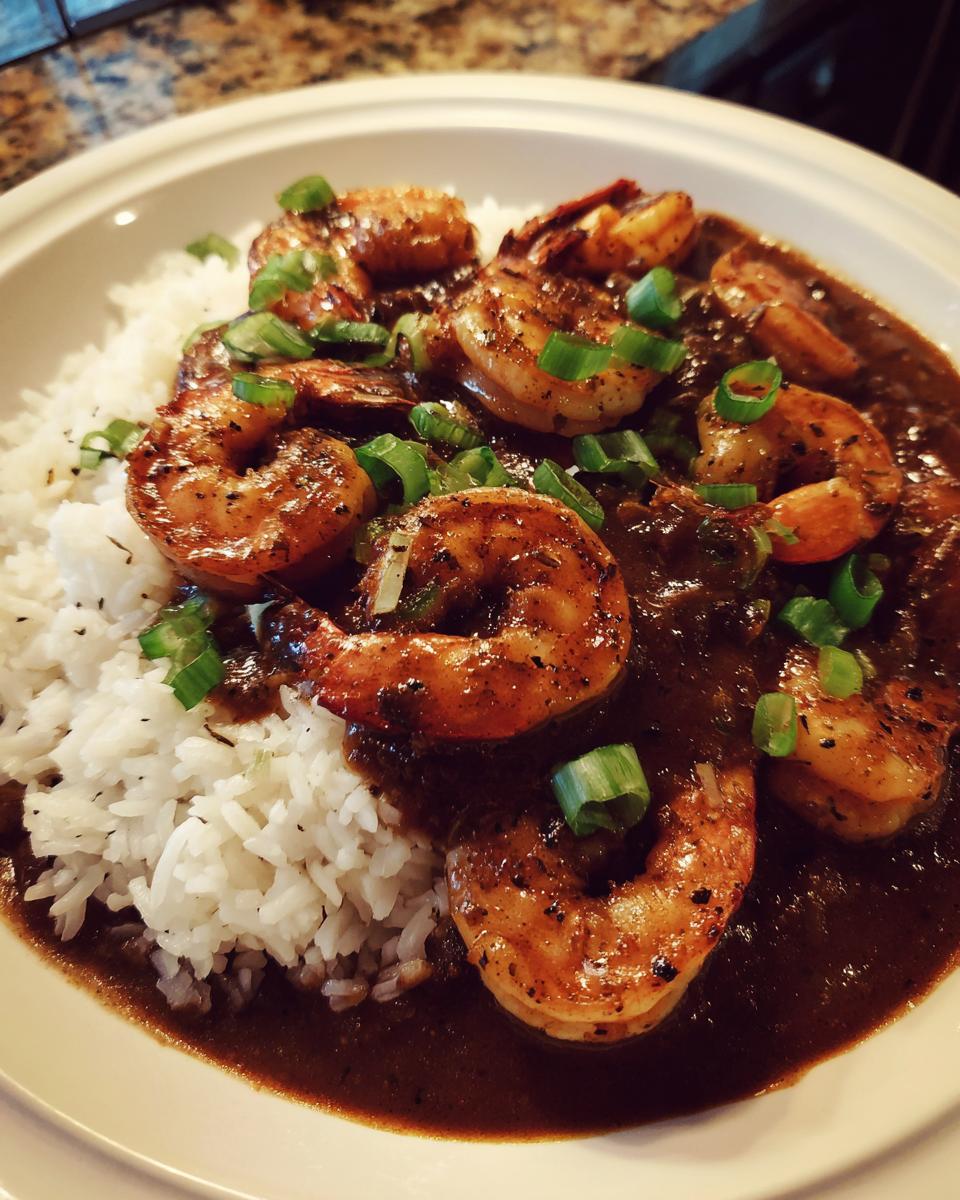
How to Make Roux for Etouffee Correctly
This is the moment of truth! Measure out your flour and oil—equal parts, no cheating—right into the pot. Set your heat to medium. Now, honey, you need to stir constantly. I mean it, don’t walk away to check your phone! We are waiting for that mixture to go from pale white all the way to a rich, dark brown—think milk chocolate, maybe even a copper penny color. It takes anywhere from 15 to 20 minutes if you’re careful. When you hit that color, immediately transition to adding your vegetables!
Building the Base for New Orleans Style Seafood Dish
The second those veggies hit that hot roux, they start to steam and stop the cooking process dead in its tracks, which is exactly what we want. Add your chopped onion, bell pepper, and celery—the Holy Trinity—and stir vigorously for about five to seven minutes until they soften up nicely. Then, toss in that minced garlic for just sixty seconds until you can smell it; garlic burns fast, so keep an eye on that.
Now, the liquid! Here’s where people mess up big time. You have to stream in that seafood or chicken stock very slowly while whisking constantly. If you dump it all in at once, you’ll end up with flour lumps, and no one wants a lumpy sauce! Once it’s smooth, bring it up to a simmer and then add your tomatoes and all your spices: thyme, oregano, bay leaf, salt, pepper, and cayenne. Let that simmer low and slow for a good half hour underneath a lid. This is flavor building, folks!
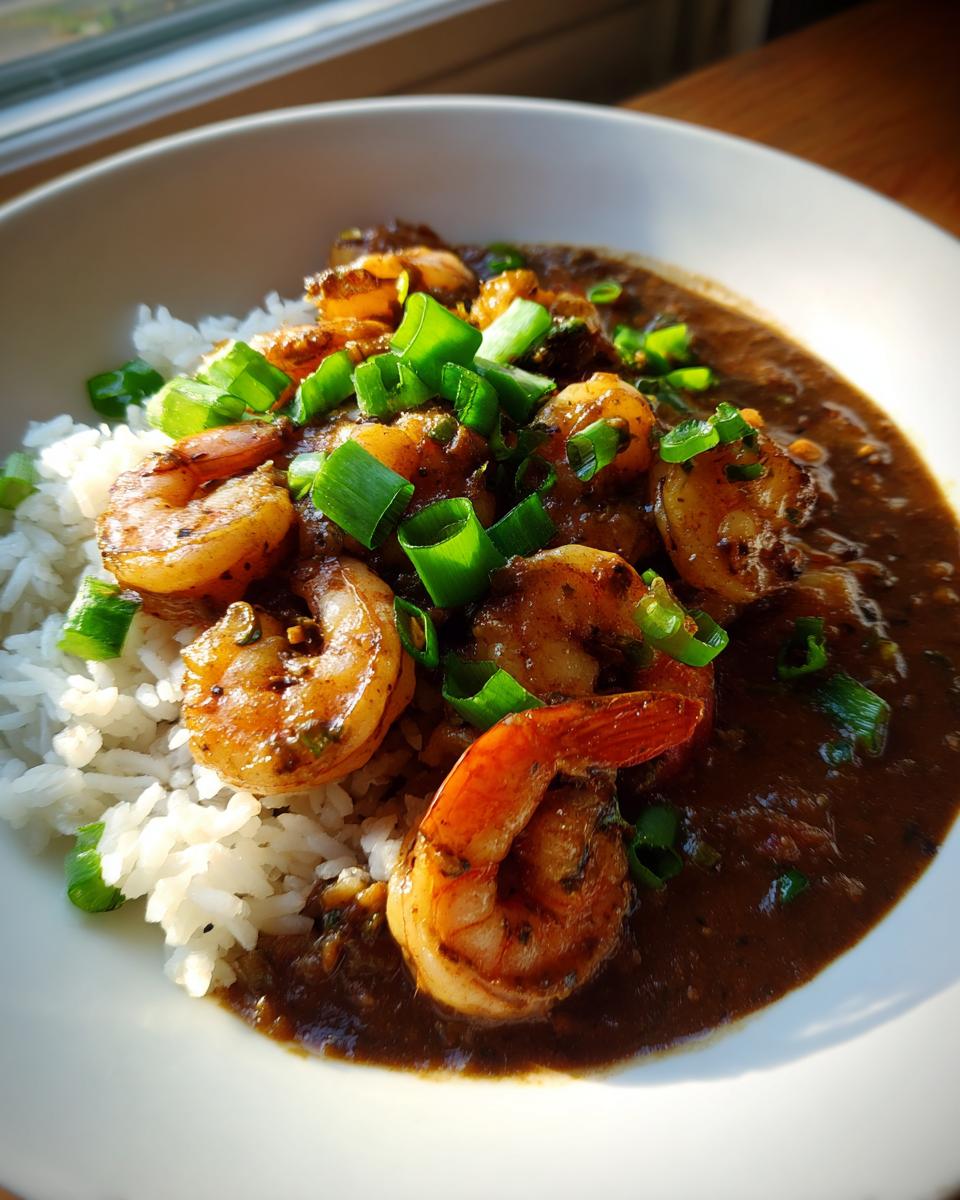
Finally, gently nestle those clean shrimp right into that beautiful sauce. They only need about five or seven minutes until they turn that perfect pink. Pull that bay leaf out, taste for final seasoning, and get ready to serve this glorious New Orleans Style Seafood Dish over a mountain of fluffy white rice.
Tips for the Best Shrimp Etouffee Flavor
Now that you’ve nailed the steps for a show-stopping shrimp etouffee, let me share a few small moves that take it from great to unforgettable. These are the things I learned talking to old-timers down in Louisiana—little tweaks that layer the savory profile beautifully. You already have the foundation with that gorgeous, dark roux, which is huge!
First, use the best stock you can get your hands on. Homemade seafood stock is the king here, naturally, but if you’re using store-bought, select one that tastes distinctly like the sea, not just salty chicken broth. Second, don’t be afraid of fresh garnishes! Those green onions sprinkled on at the very end? They add a sharp, necessary bite that cuts through the richness.
If you’re looking for another hearty, flavor-packed meal to balance out your seafood nights, you have to try my creamy garlic parmesan chicken thighs. For even more deep flavor techniques, take a peek at this fantastic guide I found: Flavorful Cajun Shrimp Etouffee Recipe. Trust me, the depth of flavor in that article really mirrors what we are trying to achieve here!
Serving Suggestions for Your Creole Comfort Food Dinner
Alright, your gorgeous, deep sauce is ready, the shrimp are perfectly tender, and the aroma filling your kitchen is simply intoxicating. Now, how do we present this Creole Comfort Food Dinner so it sings? It all comes down to what you serve it over. In Louisiana, this isn’t the time for fancy grains or anything fussy—we need a blank, fluffy canvas.
The absolute, non-negotiable base for any proper etouffee is white rice. It needs to be cooked perfectly—tender, steamed, never mushy. The rice soaks up that incredible savory sauce, making every single spoonful deeply satisfying. Don’t overcomplicate the rice; just make sure there’s plenty of it!

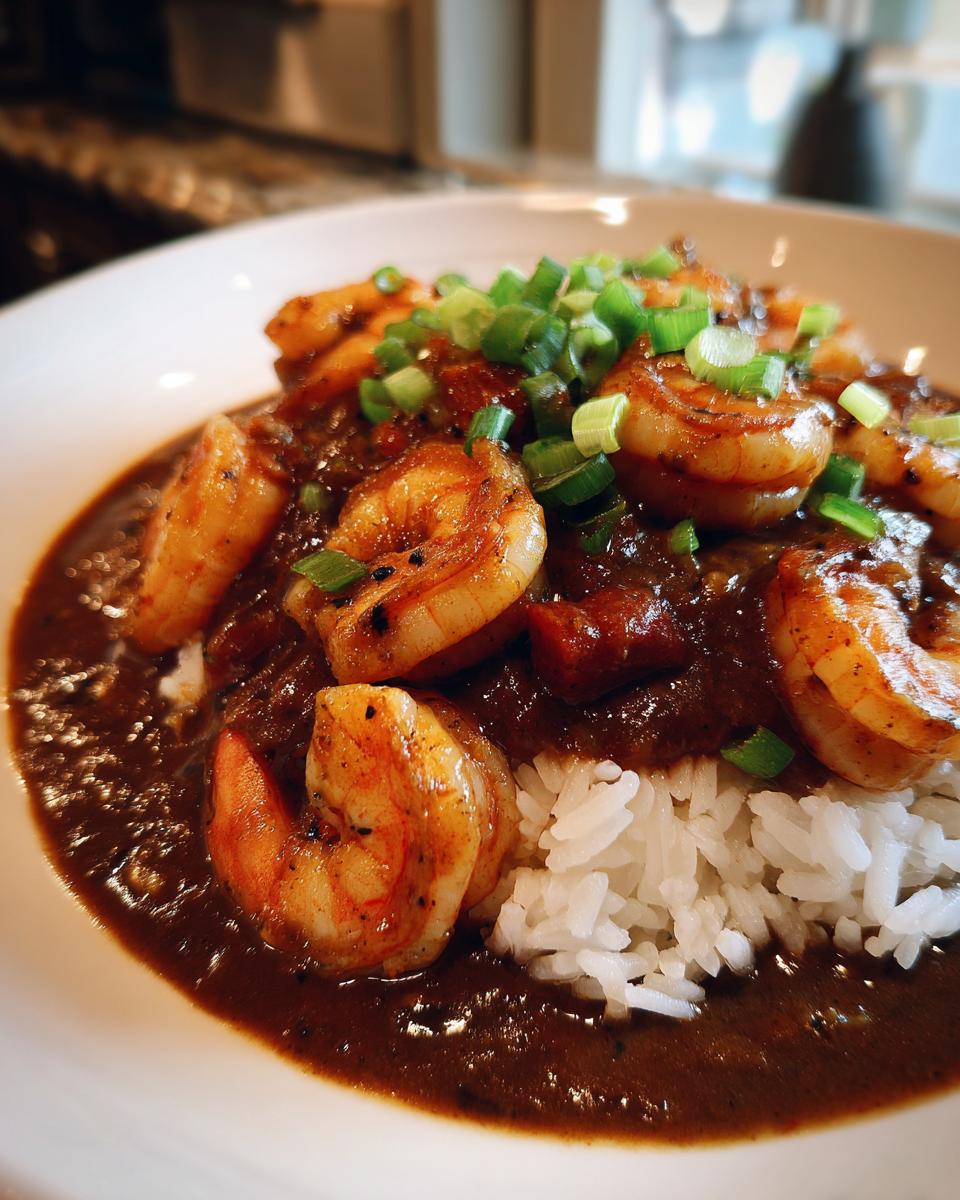
After ladling that rich stew generously over the rice, we finish it up. Don’t forget those beautiful green onions you chopped earlier! Sprinkling them on right before serving adds a vital pop of fresh color and sharp flavor that complements the savory stew. A little dash of your favorite hot sauce on the side is always welcome too, right?
If you feel like you need a side dish—which, honestly, is rare because etouffee is so rich—keep it simple. A light, crisp salad with a bright vinaigrette is perfect. If you’re heading toward the potato route (and I won’t judge!), skip the heavy gravy and try making some smooth, creamy sides instead. My recipe for creamy roasted garlic mashed potatoes is great, but pair it with something light on the plate so the etouffee really shines.
Storage and Reheating Instructions for Shrimp Etouffee
Here’s a little secret about this intensely flavorful shrimp etouffee: it’s even better the next day! Seriously, that resting time in the fridge lets all those beautiful roux and trinity flavors really settle in and deepen. It’s the absolute best kind of leftovers to wake up to.
When you’re ready to store it, make sure you pull out that bay leaf first, of course. Transfer the etouffee to an airtight container. You can store it safely in the refrigerator for about three to four days. If you truly want to make a bigger batch—which I always encourage, especially if you’re planning for a Mardi Gras feast—it freezes beautifully too! Wrap it tightly, and it’s good for almost three months.
The trickiest part is reheating, especially because we want those shrimp to stay tender. Never blast it on high heat; that will make them rubbery fast. The best way to revive it is low and slow on the stovetop. Place the etouffee in a saucepan over low heat. If it looks a little too thick after chilling, just add a splash or two of stock or even water until it loosens up nicely back to that lovely gravy consistency. It should warm through gently without ever boiling. If you happen to be reheating a very large batch, you can do this in an oven-safe dish covered tightly with foil at about 300°F (150°C). Just be sure to stir it halfway through!
If you ever make a big pot of something delicious like this and need ideas for the next night, storing leftovers is key! I keep my notes on freezing and defrosting similar hearty meals, like my braised short ribs, right here: braised short ribs. Always treat leftovers well!
Frequently Asked Questions About Authentic Shrimp Etouffee Recipe
It’s totally normal to have questions when you’re diving into a dish as iconic as this! Cooking an *Authentic Shrimp Etouffee Recipe* involves technique, and sometimes things don’t go exactly to plan. Don’t worry; this is common! I gathered a handful of the questions I get most often about timing, spice levels, and regional variations. If you’re wondering about making a big pot of this deliciousness, I even have some tips on cooking great rice here: easy one-pot Spanish rice recipe.
Can I substitute shrimp with crawfish for this Classic Cajun Etouffee?
Absolutely, you can! In fact, when you look at the history of this dish, crawfish is often the star. For a *Classic Cajun Etouffee*, using fresh or frozen crawfish tails instead of shrimp gives you a slightly earthier, richer flavor profile that is incredible. You should still treat the cooking time the same—only add the crawfish tails near the end so they don’t tough up. If you are looking for more authentic recipes, check out this great link for another tested version: Classic Shrimp Etouffee Recipe.
What if my roux gets too dark or burns while making the shrimp etouffee?
This is the tough love part, my friends. If your roux burns—and believe me, I have done this before when I was racing the clock—you have to start over. There is absolutely no saving a burned roux. Once it gets that bitter, acrid, burnt smell, the flavor will permeate your entire *New Orleans Style Seafood Dish*, and no amount of stock or seasoning can fix that tragedy. Don’t be discouraged! Just clean out the pot, let it cool down a bit, and try again. It’s a learning experience, and doing it right the second time shows you’ve mastered that crucial *Flavorful Etouffee Technique*!
Estimated Nutrition for Your Flavorful Etouffee Technique
I always include this section because I believe in transparency; knowing what goes into your food is part of great cooking. Now, these numbers are based strictly on the ingredients listed above for our Classic Cajun Etouffee, and remember, this calculation is for just one serving *without* that big scoop of white rice underneath, which adds its own carbs!
This gives you a fantastic baseline for making smart choices when planning your meals, especially if you’re counting macros or focusing on lean protein intake. For more help planning great meals for the week, you can always look at my guide on easy lunch meal prep ideas!
- Serving Size: 1 serving (without rice)
- Calories: 350
- Fat: 18g (with 3g Saturated Fat)
- Carbohydrates: 18g
- Protein: 28g
- Cholesterol: 210mg
Because we’re using lean shrimp and a roux made with oil, it naturally leans toward the higher end of fat content, but remember that’s the body builder for our sauce! This is simply an estimate developed to help guide your choices. Eat well, enjoy heartily, and remember that real food made with love is always nourishing.
Share Your Experience Making This Shrimp Etouffee
Honestly, making something this wonderful and not talking about it is a crime! I put my heart into teaching you the steps for this true, authentic shrimp etouffee because sharing food is how we connect. Now it’s your turn to jump into the comments below and tell me how it went in your kitchen.
Did your roux reach that perfect milk chocolate color? Did you stick to the spice, or did you kick it up a notch with extra cayenne? I want to hear every detail! Don’t be shy—we all learn from each other here. If you ended up snapping a photo of your beautiful bowl of *Creole Comfort Food Dinner* ready over rice, please send it my way! You can always reach out through my contact page; I love seeing these classics come to life in your homes.
And if this recipe knocked your socks off and delivered that true Louisiana taste you were searching for, please do me a huge favor: click those little stars and give it a solid five! Ratings help other home cooks find reliable, tested recipes like this one. Knowing that this recipe is succeeding for folks all over, especially those looking for tried-and-true favorites like the folks over at Cravingsomecreativity found here: Authentic Shrimp Etouffee Recipe, keeps me excited to share more family tradition and technique with you all!
PrintAuthentic Shrimp Etouffee Recipe

Follow these step-by-step instructions to create a classic, deeply flavorful Shrimp Etouffee, capturing the true taste of New Orleans comfort food.
- Prep Time: 20 min
- Cook Time: 50 min
- Total Time: 70 min
- Yield: 4 servings 1x
- Category: Dinner
- Method: Stovetop Simmering
- Cuisine: Cajun
- Diet: Low Fat
Ingredients
- 1/2 cup all-purpose flour
- 1/2 cup vegetable oil
- 1 large yellow onion, chopped
- 1 green bell pepper, chopped
- 2 celery stalks, chopped
- 3 cloves garlic, minced
- 1 pound raw shrimp, peeled and deveined
- 4 cups seafood or chicken stock
- 1 (14.5 ounce) can diced tomatoes, undrained
- 1 teaspoon dried thyme
- 1 teaspoon dried oregano
- 1/2 teaspoon cayenne pepper (adjust to your spice preference)
- 1 bay leaf
- Salt and black pepper to taste
- 1/4 cup chopped green onions, for garnish
- Cooked white rice, for serving
Instructions
- Make the roux: In a heavy-bottomed pot or Dutch oven, combine the flour and oil over medium heat. Stir constantly until the mixture turns a deep, dark brown color, similar to milk chocolate. This step requires patience; do not rush it.
- Add the trinity: Once the roux is the correct color, immediately add the chopped onion, bell pepper, and celery. Stir constantly for about 5 to 7 minutes until the vegetables soften.
- Add the garlic: Stir in the minced garlic and cook for 1 minute until fragrant.
- Build the base: Slowly whisk in the seafood or chicken stock, ensuring no lumps form in the roux. Bring the mixture to a simmer.
- Season the stew: Add the diced tomatoes, thyme, oregano, cayenne pepper, and bay leaf. Season with salt and black pepper. Reduce the heat to low, cover, and let the etouffee simmer for at least 30 minutes to allow the flavors to meld. Stir occasionally.
- Cook the shrimp: Add the peeled and deveined shrimp to the simmering sauce. Cook for 5 to 7 minutes, or until the shrimp turn pink and opaque. Do not overcook the shrimp.
- Adjust seasoning: Remove the bay leaf. Taste the etouffee and adjust salt and pepper as needed. If the sauce is too thick, add a splash of stock or water.
- Serve: Ladle the hot Shrimp Etouffee over mounds of cooked white rice. Garnish generously with chopped green onions.
Notes
- For the best flavor, use homemade seafood stock if available.
- If you prefer a less spicy dish, reduce the cayenne pepper or omit it entirely.
- This dish tastes better the next day, so consider making it ahead of time.
Nutrition
- Serving Size: 1 serving (without rice)
- Calories: 350
- Sugar: 4
- Sodium: 650
- Fat: 18
- Saturated Fat: 3
- Unsaturated Fat: 15
- Trans Fat: 0
- Carbohydrates: 18
- Fiber: 3
- Protein: 28
- Cholesterol: 210