

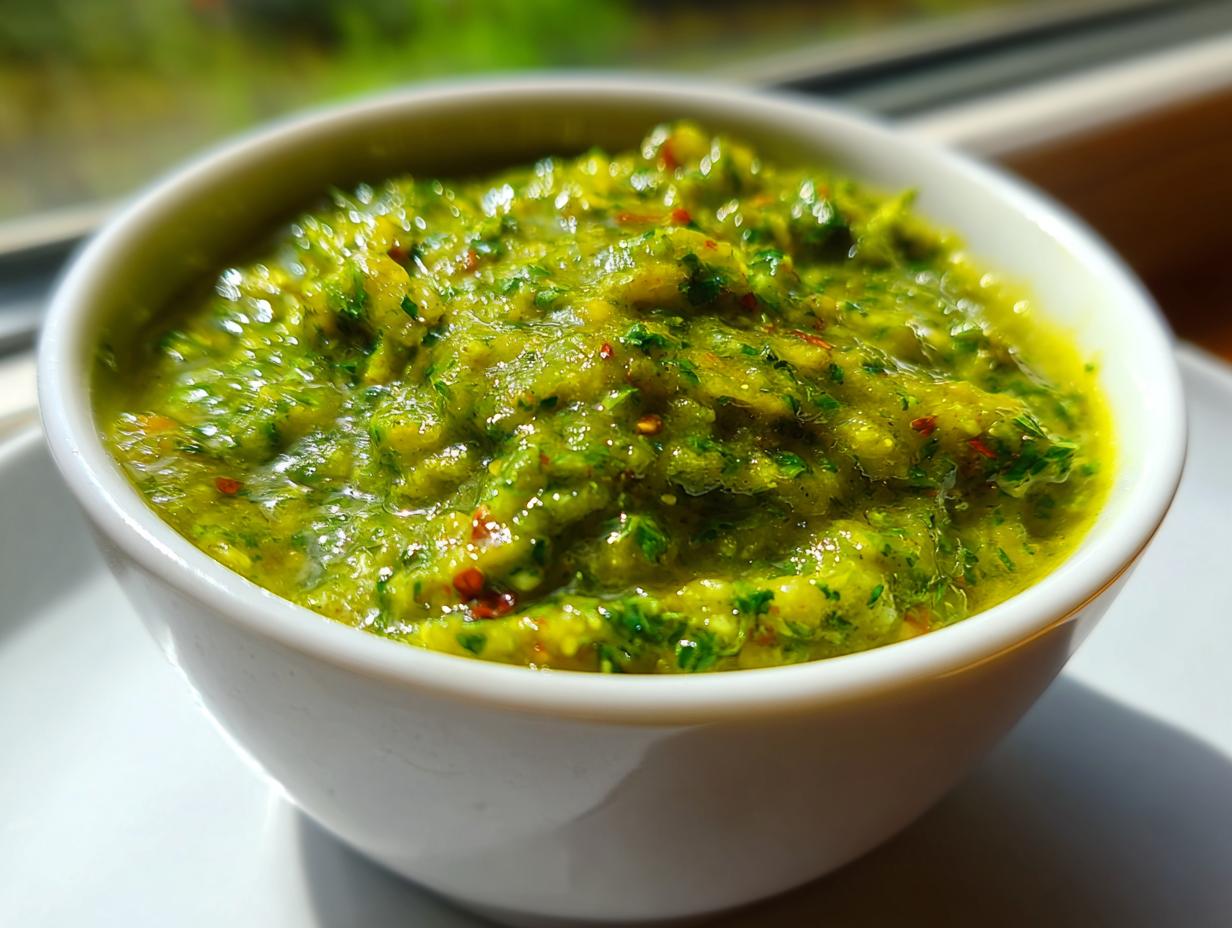
When the garden yields a bounty of beautiful, hard green tomatoes, don’t panic! A lot of folks see those unripe jewels and think, “What now?” Well, I’ve learned across my culinary journeys, from the Southwest tables to my grandmother’s Ohio kitchen, that those tart tomatoes are the secret weapon for something truly special. Forget bland; we’re making unforgettable, zesty flavor. This is my go-to Roasted Green Tomato Salsa Verde recipe. Roasting unlocks this unbelievably deep, smoky flavor while keeping that bright, signature tang. And here’s the best part: I’ll show you exactly how to whip it up fresh for your next gathering, *and* how to safely can this incredible green tomato salsa so you can enjoy that bright, acidic punch all year long.
- Why This Roasted Green Tomato Salsa Recipe Works So Well
- Essential Ingredients for Zesty Green Tomato Salsa Verde
- How to Make Roasted Green Tomato Salsa: Step-by-Step
- Expert Tips for the Best Zesty Green Tomato Salsa
- Preserving Your Green Tomato Salsa: Canning Instructions
- Serving Suggestions for This Tangy Green Tomato Dip
- Storage and Reheating for Homemade Green Tomato Salsa
- Frequently Asked Questions About Green Tomato Salsa
- Nutrition Profile for This Flavorful Green Tomato Sauce
- Share Your Zesty Green Tomato Salsa Creations
Why This Roasted Green Tomato Salsa Recipe Works So Well
I’ve tasted countless dips and sauces, and honestly, green tomatoes on their own can be a little sharp if you just toss them in raw. That’s where the magic of roasting comes in, making this the very best green tomato salsa you’ll ever make. It completely changes the game!
When we roast the tomatoes, we coax out these deep, earthy, almost smoky notes. It gives the finished product a complexity you just can’t get otherwise. It mimics that slow-cooked depth you find in the best regional Mexican sauces.
- Smoky Depth: Roasting chars the skins just a bit, adding a background smokiness that balances the natural tartness perfectly.
- True Salsa Verde Vibe: By roasting, our salsa leans perfectly into that authentic, bright, and tangy profile people love.
- Texture Boss: Cooking them down softens everything just right, making it ideal for either pulsing into a chunky dip for chips or using as a topping. Honestly, this salsa is amazing on my Sweet Potato Taco Bowl!
Essential Ingredients for Zesty Green Tomato Salsa Verde
Okay, let’s talk about what makes this zesty favorite zip! Using firm, totally unripe tomatoes is key here. They carry that perfect acidity we need. Don’t go grabbing tomatillos—they give you a completely different, though equally delicious, profile. For this green tomato salsa, we need the heft and bright tartness of the unripened fruit of the vine.
We are roasting these ingredients for that depth, so you’ll need:
- 2 lbs green tomatoes, halved
- 1 white onion, quartered
- 3 jalapeño peppers (you can adjust this for your spice level, trust me!)
- 4 cloves garlic, unpeeled
- 1/2 cup fresh cilantro, packed
- 2 tablespoons fresh lime juice (don’t even think about the bottled stuff here!)
- 1 teaspoon salt, or to taste
- 1/2 teaspoon ground cumin
See that garlic? I keep the skins on while roasting. It sounds weird, but leaving the skin on prevents the garlic from turning bitter or scorching in the oven. It steams gently inside its little jacket, allowing it to become sweet and soft. When we pull it out, the roasted garlic just slips right out, adding mellow sweetness instead of that harsh bite of raw garlic. If you’re looking for more depth in your aromatics, check out my guide on caramelized onions—it follows a similar principle of slow flavor building!
Ingredient Notes and Substitutions for Your Green Tomato Salsa
I know home cooking often means making do with what you have, so let’s troubleshoot your shopping list. The biggest question I always get about this recipe is about the heat level. If your jalapeños seem a bit wimpy, you can easily kick things up by tossing in a serrano pepper with the vegetables before roasting, or you can leave the seeds and white membrane in the jalapeños when blending.
What if you are out of white onion? Yellow onion works just fine; it’s slightly sweeter, so you might need an extra squeeze of lime juice at the end to maintain that zesty punch. Remember, while tomatillos give you salsa verde, green tomatoes give you something earthier and tangier—they aren’t interchangeable if you want this specific resulting flavor.
Also, the salt and lime are where you really tailor this. Don’t rush adding the salt! You need to taste it after blending, as the roasting process changes the flavor profile. You might need a full teaspoon, or maybe just a pinch more. That’s your control over the *zest*!
How to Make Roasted Green Tomato Salsa: Step-by-Step
This is where the transformation happens! Honestly, the roasting step makes this recipe feel professional, but it’s so incredibly simple, which I love. You’re trading time for huge flavor payoff. Before you do anything else, preheat that oven to 400°F (200°C). You want it good and hot when the veggies go in.
Line a sturdy baking sheet—don’t skimp on the lining here; cleanup is easier—and arrange all your veggies there. I put the green tomatoes cut-side up so they get nice exposure. The onions, the jalapeños, and those lovely, unpeeled garlic cloves go right alongside them. We roast these guys for about 20 to 25 minutes.
You’ll know they’re ready when the tomatoes are soft to the touch and you see a little bit of charring beginning on the edges. Turn everything halfway through so it roasts evenly. Once they cool just enough so you can handle them, carefully poke the roasted garlic out of its little papery skin—it should practically fall out.
Now we move everything—the softened tomatoes, onion, jalapeños, and that sweet roasted garlic—into your food processor or blender. Toss in the cilantro, lime juice, salt, and cumin. This is the moment you transform these roasted ingredients into your ultimate green tomato salsa.
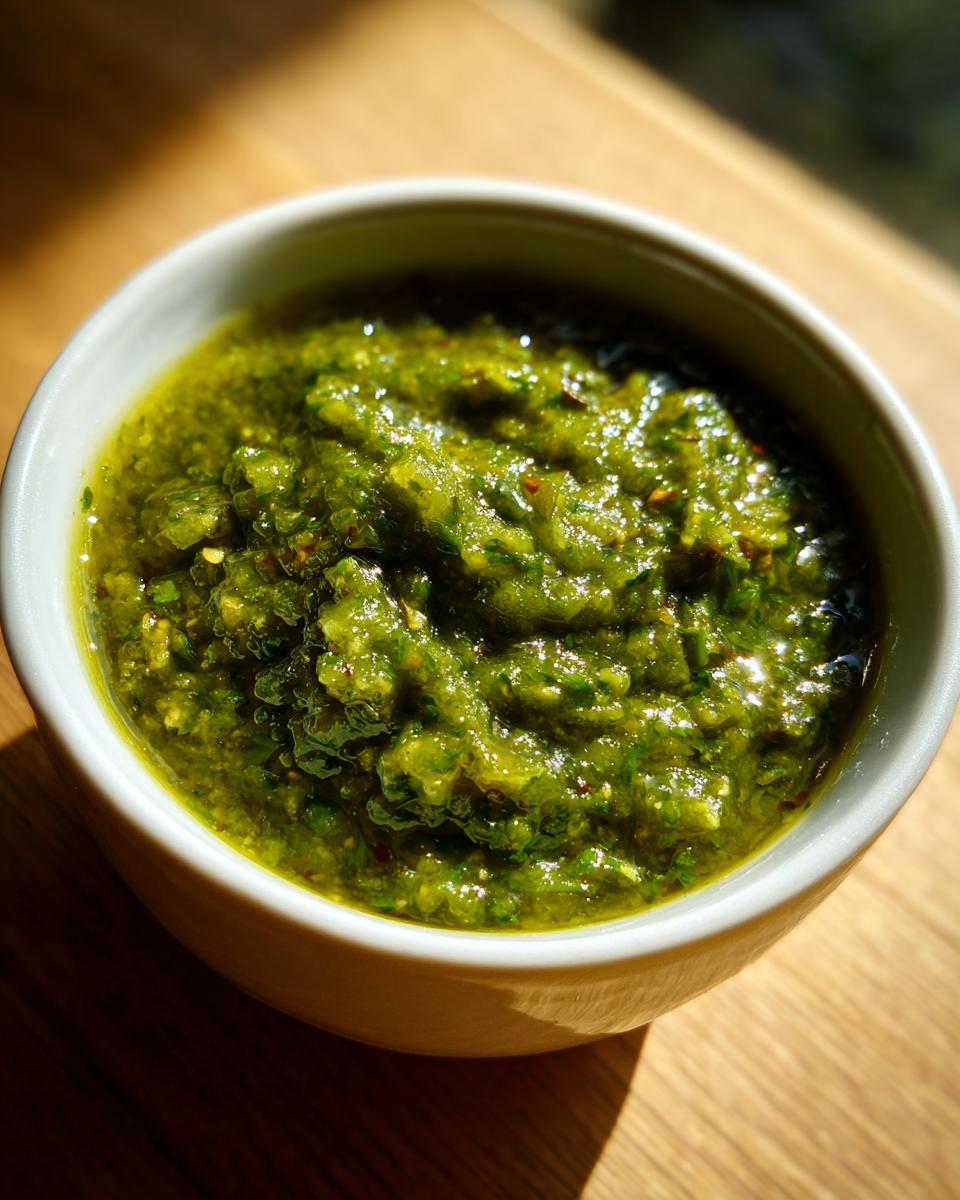
Achieving the Perfect Consistency in Your Green Tomato Salsa Verde
This is the most crucial blending part! People often ask me if they should blend this until it’s totally smooth, like soup. Nope! You want texture, that beautiful, slightly rustic look of a truly great salsa verde.
If you are making this to serve immediately with chips—as a tangy green tomato dip—you want to pulse it. Pulse maybe 5 to 8 short times. Stop and check it. You want visible chunks of things, not a smooth paste. If you blend it too long, you’ll overheat the ingredients and lose that fresh, zesty brightness.
If, however, you are using this as a base for a sauce or want something smoother for drizzling over chicken or maybe even my quick BBQ sauce, you can process it a bit longer. But please, don’t let it get totally pureed. We are making salsa, not baby food!
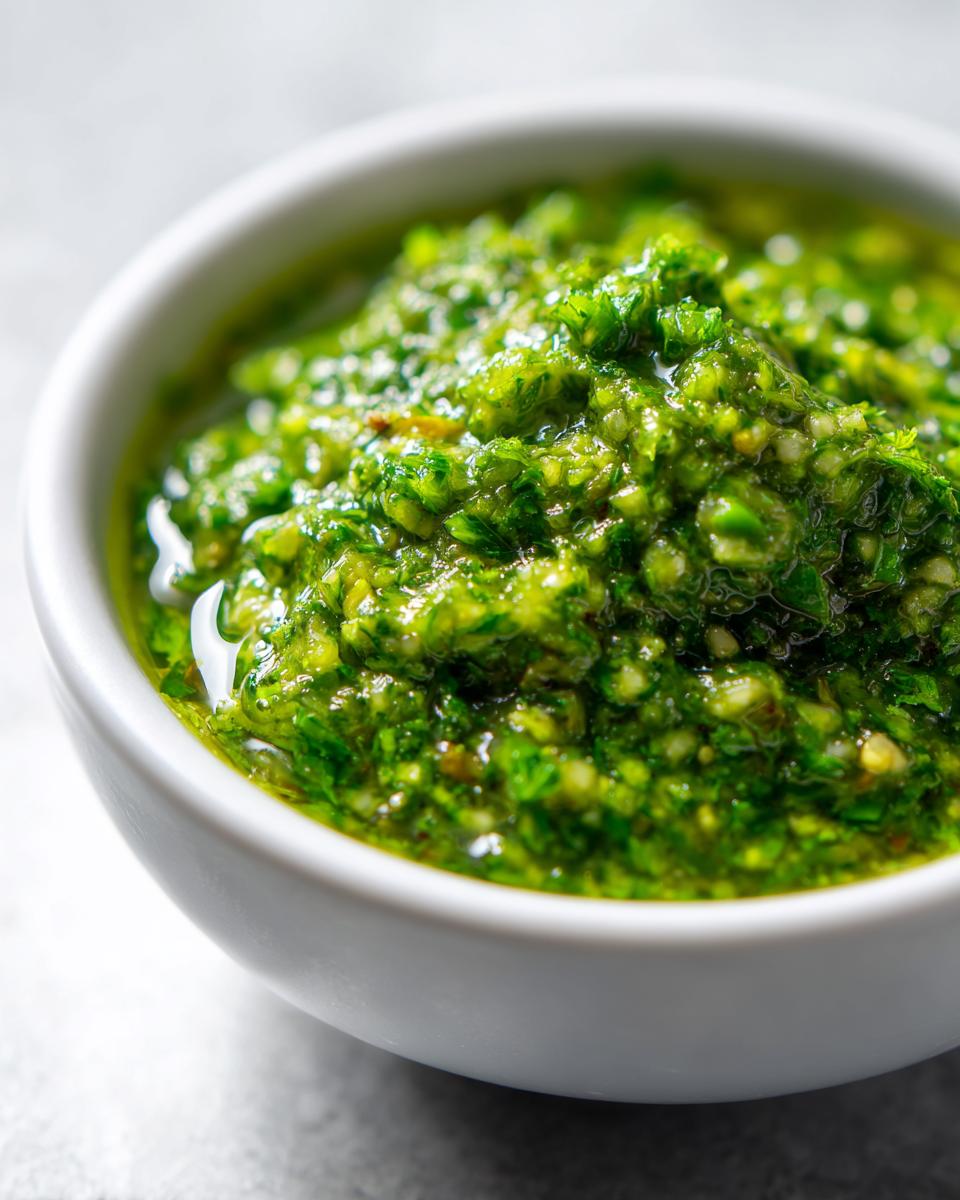
Give it a quick taste right then. Does it need more lime? More salt to brighten things up? Adjust it now before you move on. You are officially in charge of the final flavor!
Expert Tips for the Best Zesty Green Tomato Salsa
You’ve roasted, you’ve blended, and now you have this amazing, vibrant liquid in your bowl. Don’t rush the process just yet! The absolute key to taking your homemade green tomato salsa from “really good” to “I need the recipe *right now*” comes down to a couple of small, intentional steps I picked up spending time learning traditional techniques.
First things first: Let it rest. Seriously, walk away for about 15 minutes. All those roasted flavors, the zesty lime, the sharp cilantro—they need a moment to get acquainted in the bowl. When you taste it instantly after blending, the flavors are all fighting for attention. Give them 15 minutes, and they settle down into this harmonious, complex flavor profile.
Next, we talk about that zest. Zest equals brightness, and brightness is what keeps this salsa from tasting too heavily of just ‘cooked vegetables.’ Now, I will repeat this until I’m blue in the face: only use fresh lime juice. The bottled stuff tastes like battery acid compared to the real deal. It’s the high-quality, freshly squeezed juice that really wakes up those roasted flavors. If you taste it after resting and it still tastes a little flat, don’t just dump in more salt. Try a tiny squeeze more of lime first. Acidity lifts flavor better than salt often does in a salsa.
Finally, don’t forget the cumin. That tiny amount of ground cumin is non-negotiable! It provides that earthy, warm backdrop that keeps the salsa grounded while the tart tomato sings. It’s a background note, almost hidden, but you’ll definitely notice its absence if you skip it. Trust me on these small details; they are what separates my family’s recipe from any quick batch you might throw together.
Preserving Your Green Tomato Salsa: Canning Instructions
I know we mostly whip up this zesty green tomato salsa to eat immediately with chips—it’s so dangerously good, it rarely lasts a day in my house! But if you’ve got a massive garden haul or you just want to capture that peak summer flavor for the holidays, canning is the way to go. This is super important for safety, so please pay close attention here. We’re using the boiling water bath method, which works perfectly for acidic recipes like this one.
First things first: you need to make sure your jars are sterilized and hot before you even think about filling them. No one wants a cracked jar or a seal failure because the glass was too cold! The safety standards here are non-negotiable, as this builds the Trustworthiness in our final product.
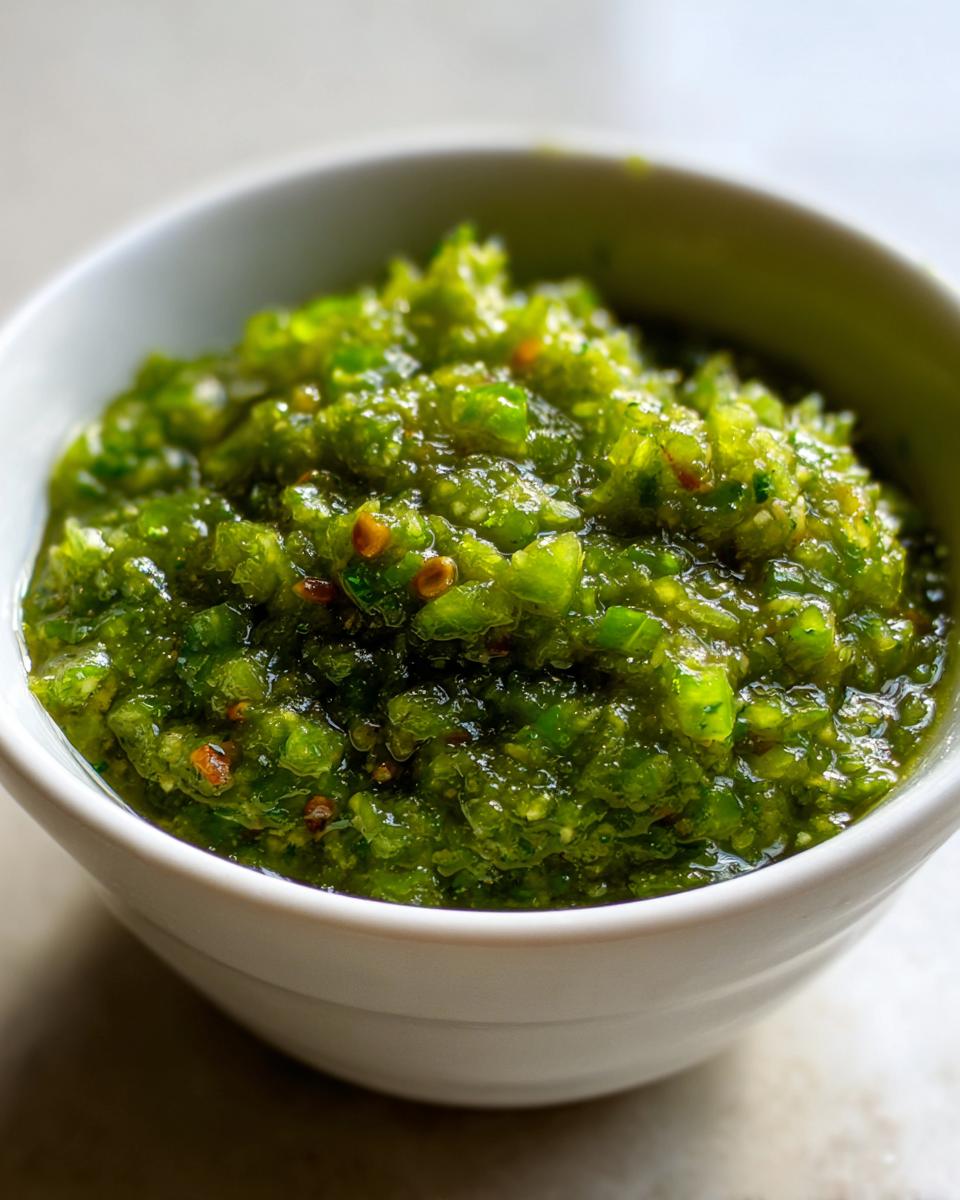
Here is the breakdown for transferring your finished, hot salsa into jars:
- Fill your hot, sterilized jars with the salsa, remembering to leave exactly 1/2 inch of headspace at the top. Headspace is the empty space between the food and the rim of the jar. It’s crucial for a proper seal!
- Use a clean cloth dipped in a little vinegar or water to wipe down the rims. Any speck of oil or salsa left behind will stop the lid from sealing correctly.
- Place your clean lids and screw on the bands fingertip-tight—meaning tight enough so it won’t pop off, but not so tight that air can’t escape during processing.
- Lower the filled jars into a pot of actively boiling water. Make sure the water level covers the tops of the jars by at least one or two inches.
- Process pints for 15 minutes and quarts for 20 minutes. If you live somewhere high up (above 1,000 feet), you absolutely must adjust that time—check your local extension office guidelines for altitude adjustments!
Once the processing time is up, turn off the heat but leave the jars sitting in the hot water for five minutes before carefully removing them to a towel-lined counter to cool completely. You should hear those satisfying pings as the seals set! If you want to see some beautiful inspiration for other preserved goods, you can check out how I handle things like freezer jams, though canning this salsa ensures that classic shelf stability. This canning knowledge is powerful, and if you want to see another great example of canned green tomato salsa techniques, this link is a reliable resource!
Serving Suggestions for This Tangy Green Tomato Dip
Now that you’ve got your batch of zesty green tomato salsa, the real fun begins—eating it! While I could happily stand over a bag of tortilla chips and devour the entire thing myself (it is truly a knockout tangy green tomato dip), this flavor profile goes way beyond snacking.
Because we roasted those ingredients, this salsa has a gorgeous depth that sings alongside heavier flavors. Seriously, ditch the standard pico de gallo next time you grill. A big dollop over perfectly grilled chicken breasts or flaky white fish turns a simple weeknight meal into something exciting. It’s bright enough to cut through the richness of the meat but smoky enough to feel authentic.
My absolute favorite use, though? Tacos. This pairs so beautifully with richer fillings. If you’re planning on making some seafood tacos soon—perhaps my 30-Minute Shrimp Tacos—you need this salsa spooned right on top. That sharp, tangy kick balances the shrimp perfectly. It just works magic on everything!
Storage and Reheating for Homemade Green Tomato Salsa
Since this green tomato salsa is so addicting—I mean, those roasted flavors are just begging to be eaten by the scoopful—you need to know how to store it properly, whether you made a small fresh batch or a big canning effort.
If you made a fresh batch using the blender, remember that fresh ingredients break down faster than canned ones. I strongly suggest enjoying it within about five days when refrigerated. After that, the cilantro starts to lose its vibrant green color, and the whole thing starts to taste a little less zingy. Keep it in a tight, clean glass jar in the back of the fridge where it stays consistently cold.
Now, for the jars you canned? Wow, you did well! Those are shelf-stable, meaning they are good for at least a year sitting happily in a cool, dark pantry. Once you pop a jar open, though, treat it like any other store-bought salsa: refrigerate it immediately and plan to finish it within three weeks, tops. The safety seals are great, but the flavor quality is best when it’s fresh off the line or freshly opened.
Reheating is almost a crime for salsa, honestly, because this recipe shines when cold and zesty! But I get it, sometimes you want a warm dip. If you’re serving it warm over tacos or trying to make a warm sauce, transfer only the amount you need to a small saucepan over very low heat. Stir it constantly for just a minute or two until it’s warmed through. Never boil your salsa, especially if you canned it! Boiling can break down the texture we worked so hard to perfect. For the fresh version, if you want that slightly cooked flavor profile but don’t want to commit to canning, check out my process for making refrigerator pickles—that method gives you a nice balance of preservation without the heavy processing!
Frequently Asked Questions About Green Tomato Salsa
I always get a ton of great questions after people try this recipe for the first time! It’s such a unique flavor, and folks want to know how flexible it is. Here are a few things I hear most often about making this green tomato salsa.
Can I make this green tomato salsa recipe without roasting the vegetables?
You absolutely can make a fresh green tomato salsa without roasting! If you’re in a huge rush or you just don’t want that smoky character, you can toss the raw tomatoes, onion, jalapeños, and garlic into the food processor along with the cilantro and lime. Trust me, it works! However, I have to warn you: the flavor profile changes dramatically. The roasted version gives you that deep, mellow, almost earthy flavor that balances the unbelievable tartness of the unripe tomatoes. The raw version is intensely bright and sharp—more like a raw tomatillo salsa verde, but much tarter. If you go raw, you’ll need to pulse it even less to keep some texture!
What’s the real difference between this and traditional store-bought Salsa Verde?
This is a great question that gets right to the heart of why I love this recipe! Traditional Mexican Salsa Verde is made almost exclusively with tomatillos, which are a different fruit entirely—they are covered in a papery husk and offer a bright, citrusy acidity. Our recipe uses unripe slicing tomatoes. When we roast that fruit, we develop a flavor that is still tangy and zesty, but it has a deeper, slightly sweeter undertone because of the tomato sugars. When people talk about finding uses for unripe tomato recipes, they are usually looking for this specific punchy flavor that you just can’t get from a tomatillo. It’s tangier, less overtly citrusy, and has a richer mouthfeel after roasting.
How can I guarantee this salsa comes out spicy enough? I like heat!
I hear you! I love that fiery kick too, especially if I’m using this as a topping for grilled meats. The recipe calls for three jalapeños, which gives you a nice medium heat that most people enjoy, especially since the roasting mellows things out a bit. If you want to turn up the volume on this tangy green tomato dip, make sure you keep the seeds and a good portion of the white membrane from the jalapeños when you blend them. That’s where almost all the capsaicin lives!
For serious heat seekers, I suggest swapping one jalapeño for a serrano pepper, or even adding a small piece of habanero if you’re feeling brave! Just be careful—a little goes a long, long way when you’re working with those super hot peppers. Remember to wear gloves if you handle seeds, or wash your hands thoroughly before touching your eyes or face. Safety first, even when making the best salsa!
Can I freeze leftovers from this batch?
That’s smart thinking, especially if you’re trying to utilize a big harvest. You can definitely freeze the fresh batch, which is often better than trying to reheat something you’ve canned. When freezing, you might notice a slight textural change once thawed, but the flavor will hold up beautifully. I recommend spooning it into small, freezer-safe containers or zipper bags for easy meal prep—you can use these for quick additions to your lunch salads during the week! Just remember to leave about an inch of space at the top if you use a rigid container, as liquids expand when they freeze.
Nutrition Profile for This Flavorful Green Tomato Sauce
Now, I always say that when you’re making food from scratch with whole ingredients picked straight from the garden, you don’t need to obsess over calorie counts. When you’re roasting tomatoes and fresh cilantro, you’re loading up on vitamins and flavor, not fillers. But I know some of you track macros or are just curious about what you’re feeding your family, so I ran the numbers based on the full recipe yield for this sauce.
Please keep in mind these are just rough estimates, because let’s be real, the exact size of your green tomatoes or how much lime juice you really squeezed in changes everything! Think of this as a general guideline for this healthy, flavorful sauce.
Here’s what we see based on the recipe making about four cups, serving 1/4 cup portions:
- Serving Size: 1/4 cup
- Calories: Right around 45—super low for something this satisfying!
- Total Fat: We’re looking at barely half a gram (0.5g), and almost all of that is unsaturated, which is fantastic.
- Carbohydrates: About 9 grams total.
- Fiber: You get about 2 grams of fiber, which is great for such a light sauce.
- Sugar: Naturally occurring sugars from the tomatoes and onion bring the count to 3g.
- Protein: Minimal, clocking in at 1 gram.
- Cholesterol: Zero, naturally!
See? This is proof that you can have something incredibly zesty, tangy, and mouthwatering without any guilt. It’s pure garden goodness, perfect for topping everything from eggs to grilled chicken. You aren’t missing out on flavor by keeping things natural here!
Share Your Zesty Green Tomato Salsa Creations
Whew! We’ve gone from garden haul panic to having jars of shelf-stable, smoky-tangy perfection. Now it’s your turn! My favorite part of sharing these recipes is hearing how you customized them—because I know you did. Cooking is about interpretation, right?
I absolutely want to know if you tried the roasting method or if you stuck to the fresh, raw blend only. Did you sneak in an extra pepper? Did you use it over fish or just devour it with chips? Don’t keep those triumphs to yourself!
Please take a moment to come back here, drop a rating—five stars if this green tomato salsa became your new favorite way to use up unripe tomatoes!—and leave a comment below. Telling me how it tasted and what you used it for helps other home cooks like you feel confident trying the recipe next. I read every single note you leave.
If you post any pictures of your beautiful, vibrant salsa verde on Instagram or anywhere else, tag me! I love seeing this stuff popping up in kitchens across the country. It’s a real connection for me, this shared love of cooking that bridges the gap between my professional experience and your home table. You can learn more about my own journey anytime by swinging by the About page, but I’d much rather read about *your* success story with this dip first!
PrintRoasted Green Tomato Salsa Verde: Zesty and Tangy Homemade Dip
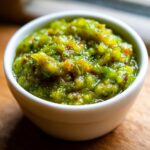
Learn how to make a zesty, tangy green tomato salsa verde by roasting the unripe tomatoes. This recipe is perfect as a dip for chips or a topping for tacos and grilled meats. We also include instructions for safely canning this flavorful salsa for year-round enjoyment.
- Prep Time: 15 min
- Cook Time: 25 min
- Total Time: 40 min
- Yield: About 4 cups 1x
- Category: Condiment
- Method: Roasting and Blending
- Cuisine: Mexican Inspired
- Diet: Vegetarian
Ingredients
- 2 lbs green tomatoes, halved
- 1 white onion, quartered
- 3 jalapeño peppers (adjust for spice level)
- 4 cloves garlic, unpeeled
- 1/2 cup fresh cilantro, packed
- 2 tablespoons fresh lime juice
- 1 teaspoon salt, or to taste
- 1/2 teaspoon ground cumin
Instructions
- Preheat your oven to 400°F (200°C). Place the green tomatoes (cut side up), onion quarters, jalapeños, and unpeeled garlic cloves on a baking sheet.
- Roast for 20 to 25 minutes, turning the vegetables halfway through, until the tomatoes are softened and slightly charred.
- Remove the garlic skins. Transfer the roasted tomatoes, onion, jalapeños, and garlic to a food processor or blender.
- Add the fresh cilantro, lime juice, salt, and cumin to the processor.
- Pulse the mixture until you reach your desired consistency. For a chunky salsa verde, pulse briefly. For a smoother sauce, process longer. Do not over-process into a puree.
- Taste the salsa and adjust salt or lime juice as needed for a brighter, zesty flavor.
- Serve immediately with tortilla chips or use as a green tomato taco topping.
- For canning: Transfer the finished salsa to sterilized jars, leaving 1/2 inch headspace. Wipe rims, apply lids and bands. Process in a boiling water bath for 15 minutes for pint jars, or 20 minutes for quart jars, adjusting for altitude. Cool and check seals.
Notes
- If you prefer a fresh green tomato salsa without roasting, use raw ingredients and blend them together. Roasting adds a deeper, smoky flavor.
- For a spicier salsa, leave the seeds in the jalapeños or add one serrano pepper during roasting.
- This salsa pairs well with grilled fish or chicken for a flavorful summer meal.
Nutrition
- Serving Size: 1/4 cup
- Calories: 45
- Sugar: 3
- Sodium: 180
- Fat: 0.5
- Saturated Fat: 0.1
- Unsaturated Fat: 0.4
- Trans Fat: 0
- Carbohydrates: 9
- Fiber: 2
- Protein: 1
- Cholesterol: 0