

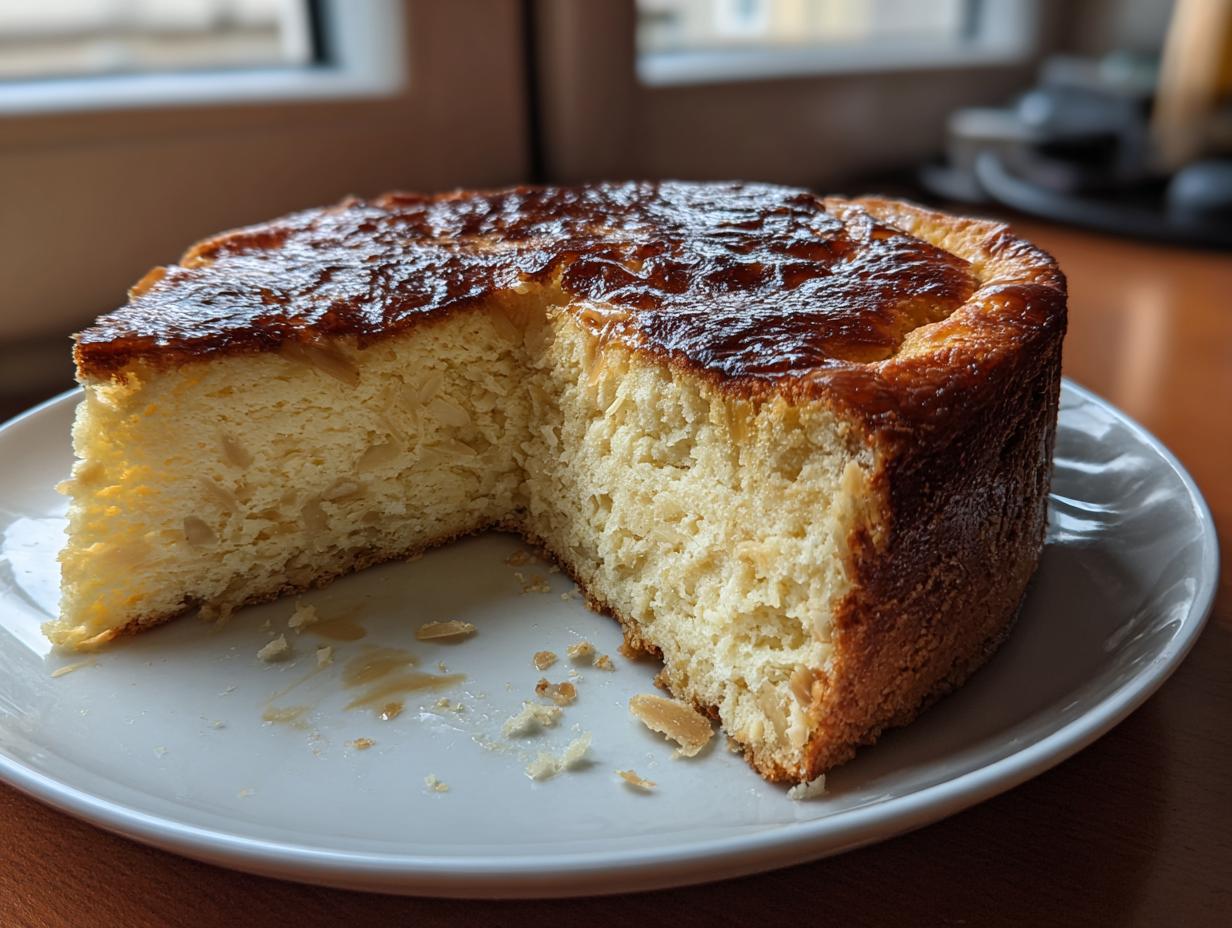
When you want a true showstopper dessert—one that makes everyone stop talking when you bring it to the table—you have to look toward classic European baking. Forget the quick fixes; we’re diving deep into tradition today with the bee sting cake, or as the Germans call it, Bienenstich. This isn’t just any layer cake; it’s a balancing act of textures that I spent time learning how to perfect during my time exploring regional baking styles. I promise you, mastering this authentic German classic at home is easier than you think. My philosophy here at Julia Meal is always about bringing that professional technique into your accessible home kitchen, and this cake is the perfect example of that commitment.
Get ready to build layers of flavor that will absolutely wow your guests. If you are looking for some simpler options to get you started, take a peek at my collection of simple delicious desserts while you gather your ingredients!
- Why This Authentic German Bee Sting Cake Recipe Works
- Gathering Ingredients for Your bee sting cake
- Step-by-Step Instructions for Authentic bee sting cake
- Tips for Success Making Your Homemade bee sting cake
- Storage and Reheating Instructions for bee sting cake
- Variations on the Traditional German Bee Sting Cake
- Frequently Asked Questions about bee sting cake
- Estimated Nutritional Data for bee sting cake
- Share Your German Bee Sting Cake Creations
- Estimated Nutritional Data for bee sting cake
- Share Your German Bee Sting Cake Creations
Why This Authentic German Bee Sting Cake Recipe Works
The reason bakers keep returning to the bee sting cake, generation after generation, is all about that textural contrast! It’s a masterpiece because every single layer plays a crucial role. When you get this combination right, you’re no longer just baking; you’re crafting a true piece of Bavarian baking history. Trust me, after traveling around tasting desserts, I know that these layers are non-negotiable for that authentic experience. We focus on ensuring each element shines before bringing them together. I always lean on the techniques I picked up along my culinary explorations, which you can read more about on my About Page.
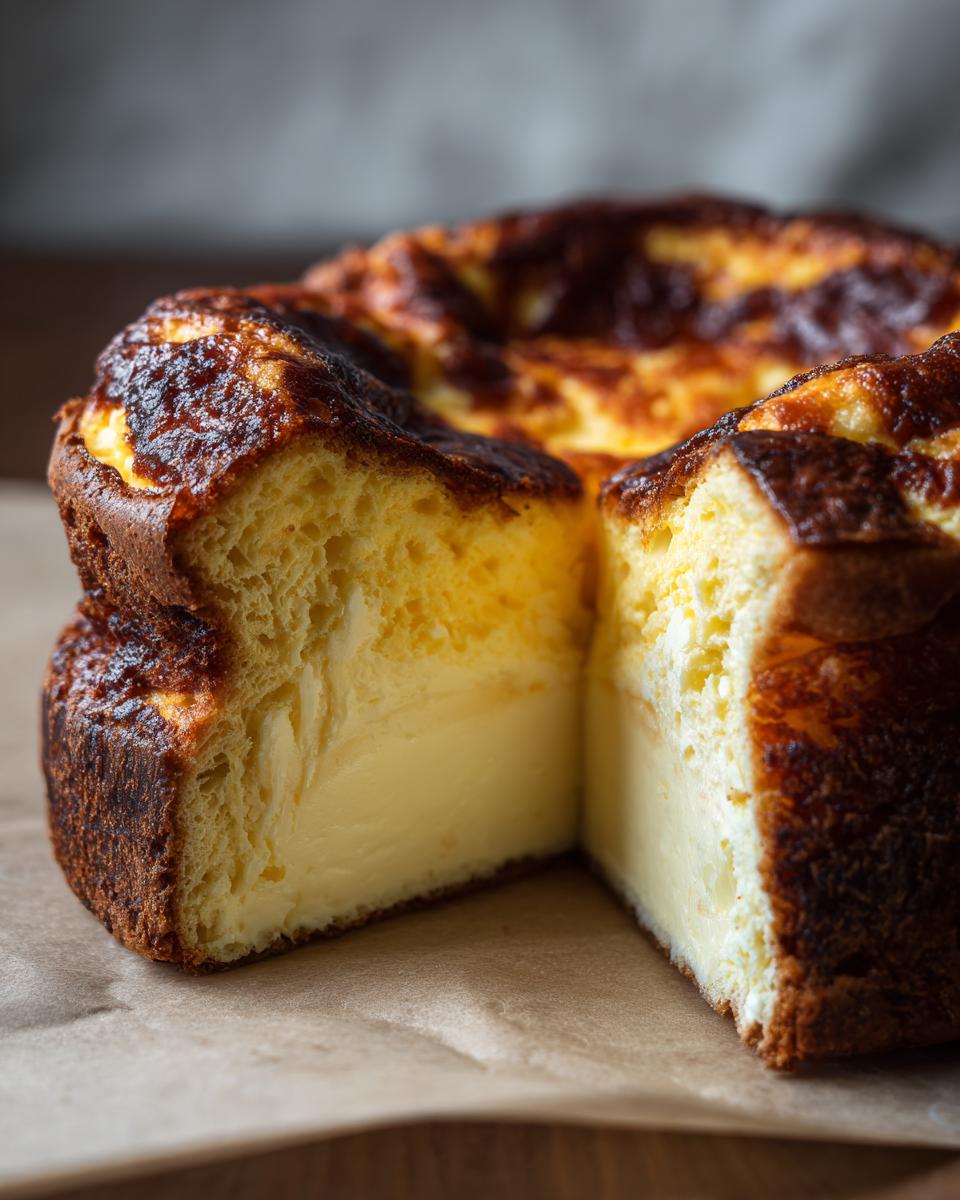
The Three Essential Components of a Perfect bee sting cake
You need three things working together perfectly here:
- The Base: A soft, slightly sweet yeast cake that provides the necessary structure. It’s much softer than a sponge, which is key!
- The Filling: A rich, cool vanilla custard—the silky heart that melts in your mouth.
- The Topping: That gorgeously crunchy, caramelized honey-almond crust that gives the cake its name and texture.
Gathering Ingredients for Your bee sting cake
Okay, before we get into the rising and the caramelizing, we have to make sure our pantry is stocked! Baking something this traditional and layered means we can’t really substitute things halfway through—especially with the yeast dough. I’ve broken down everything into three lists, just like the cake itself. Getting these right is half the battle won, trust me!
If you need inspiration for simpler baking projects while you gather these components, check out my favorite easy fluffy shortcake recipe!
For the Yeast Cake Base
This part needs attention because we are using real yeast, which is what gives this Bienenstich that perfect pillowy texture.
- 1 cup whole milk (make sure it’s lukewarm, not hot!)
- 1/4 cup granulated sugar
- 2 1/4 teaspoons active dry yeast
- 3 cups all-purpose flour
- 1/2 teaspoon salt
- 1/2 cup (1 stick) unsalted butter, softened—and I mean actually soft, not oily!
- 2 large eggs
- 1 teaspoon vanilla extract
For the Caramelized Almond Topping
This is where the magic happens that gives the cake its name. That beautiful brittle top starts right here.
- 1/2 cup (1 stick) unsalted butter
- 1/2 cup packed light brown sugar—this adds the deeper molasses flavor we want!
- 1/4 cup honey—use a decent quality one; you’ll taste it!
- 1/4 cup heavy whipping cream
- 1 1/2 cups sliced almonds
For the Fluffy Vanilla Cream Cake Filling
We need the components to make a luscious pastry cream first, and then we lighten it up. See how we use heavy cream twice? It’s important!
- 1 1/2 cups whole milk
- 1/2 cup granulated sugar
- 1/4 cup cornstarch (our thickener, don’t skip this!)
- 1/4 teaspoon salt
- 2 large egg yolks (save those whites for a meringue another day!)
- 1 teaspoon vanilla extract
- 1/2 cup cold heavy whipping cream (this is just for whipping later!)
Step-by-Step Instructions for Authentic bee sting cake
Alright, you’ve got your ingredients ready—that’s the hard part done! Now we turn them into that showstopping German centerpiece. We need to work through the dough, the topping, and finally, that lovely custard. Take your time, especially with the yeast and the custard tempering; those are the spots where traditional baking really pays off. Follow these steps closely, and you’ll have the most incredible bee sting cake!
Making the Yeast Dough for the bee sting cake Base
First up, wake up that yeast! Gently warm your whole milk until it feels nice and cozy—think bathwater temperature, not hot. Stir in a spoonful of sugar, sprinkle the yeast over the top, and just let it sit for about five minutes until it gets foamy. That foam tells you the yeast is alive and ready to work its magic! In a big bowl, whisk your flour and salt. Then, cut in your softened butter until it looks like coarse, wet sand. Pour in the yeast mixture and your eggs. Mix it up until it looks messy, then knead it—by hand or with a mixer hook—for a solid 5 to 7 minutes until the dough is smooth. Add your vanilla and let the dough hang out in a lightly oiled bowl. Cover it and let it rise someplace warm for 1 to 1.5 hours. It needs to double in size, so find it a cozy spot!
Creating the Crunchy Honey Almond Topping
While that dough is taking its nap, let’s make the crispy part. In a small saucepan, combine your butter, brown sugar, honey, and heavy cream. Heat this over medium heat, stirring gently until the butter melts and the mixture just starts to bubble around the edges—don’t let it boil hard! Pull it right off the heat immediately and stir in all those sliced almonds. You want to spread this gooey, nutty mixture right onto your dough later, so set it aside for now.
Baking the Cake and Preparing the Custard Filling
Preheat your oven to 350°F (175°C). Gently punch down the risen dough and press it carefully into your greased 9-inch springform pan until it’s an even layer. Now, take that almond topping and spread it right over the dough surface—don’t worry if the dough underneath looks a little squishy! Bake it for about 30 to 35 minutes. You’re looking for a deep golden color on top and bubbly caramel near the edges. Let this cool completely on a wire rack! If you want to see how I handle other baking timelines, check out my homemade brown gravy notes—patience is always key!
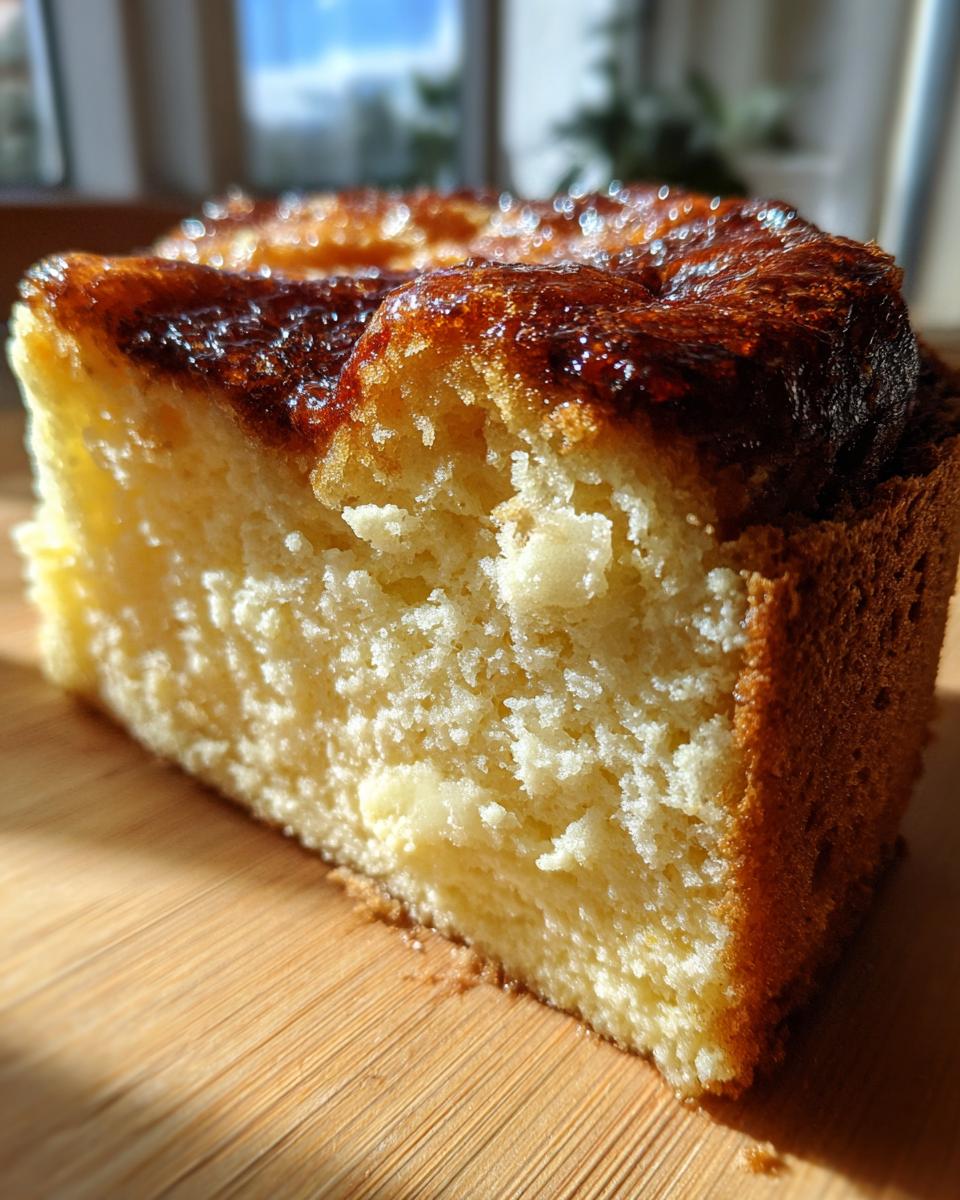
For the custard: Whisk the milk, sugar, cornstarch, and salt in a saucepan. Cook this over medium heat, whisking constantly, until it gets super thick, usually about 5 to 8 minutes. This is key—stay whisking! In a separate little bowl, gently whisk your egg yolks. Now, the most important part to avoid scrambled eggs: Temper them! Slowly drizzle about half a cup of the hot milk mixture into the yolks while whisking the yolks rapidly. Once they look happier, pour the yolk mix back into the saucepan. Cook for just one minute more until it’s really thick. Stir in your vanilla, dump the whole thing into a clean bowl, and press plastic wrap right onto the surface to keep that annoying skin from forming. Chill this completely—I’m talking at least two hours in the fridge.
Finishing and Assembling the Custard Filled Cake
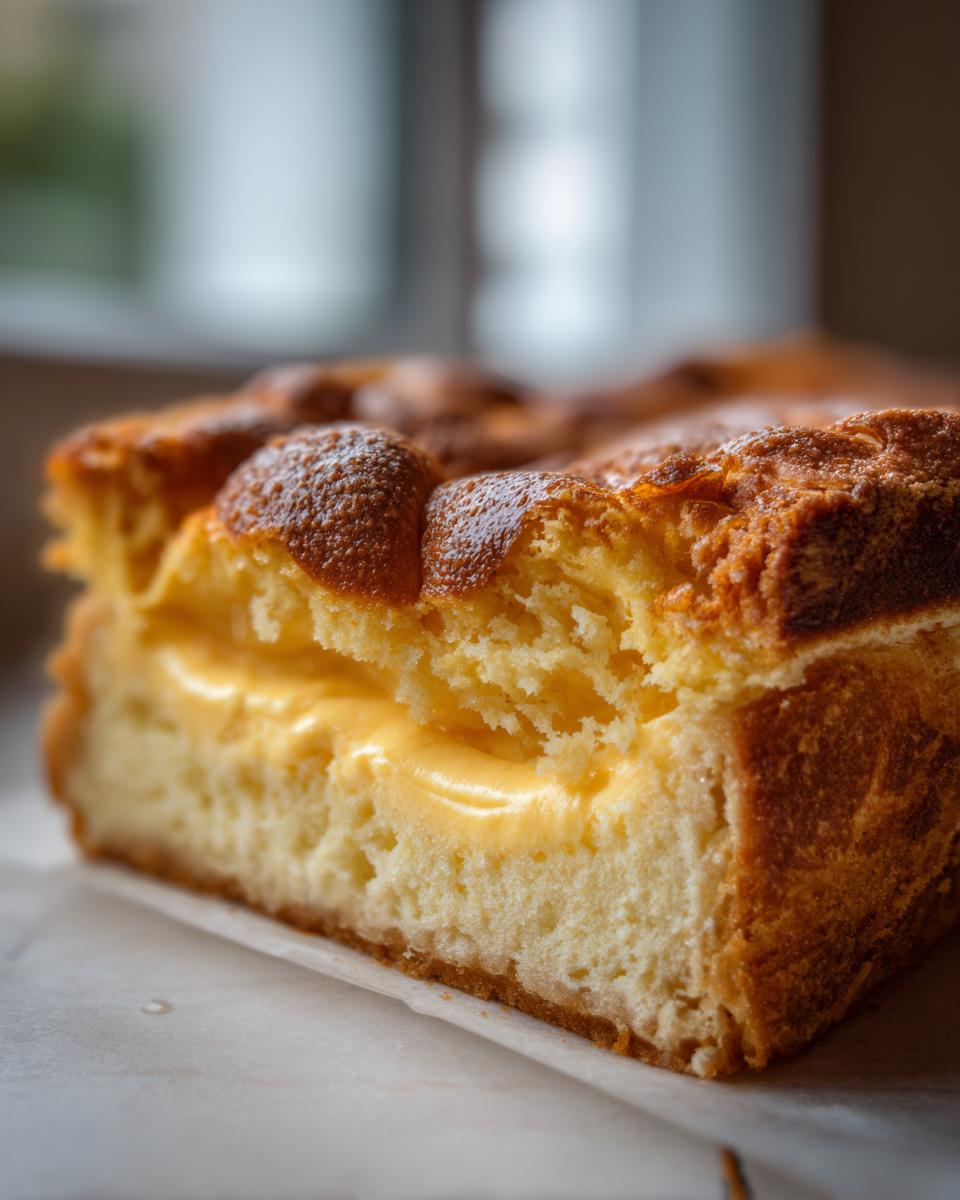
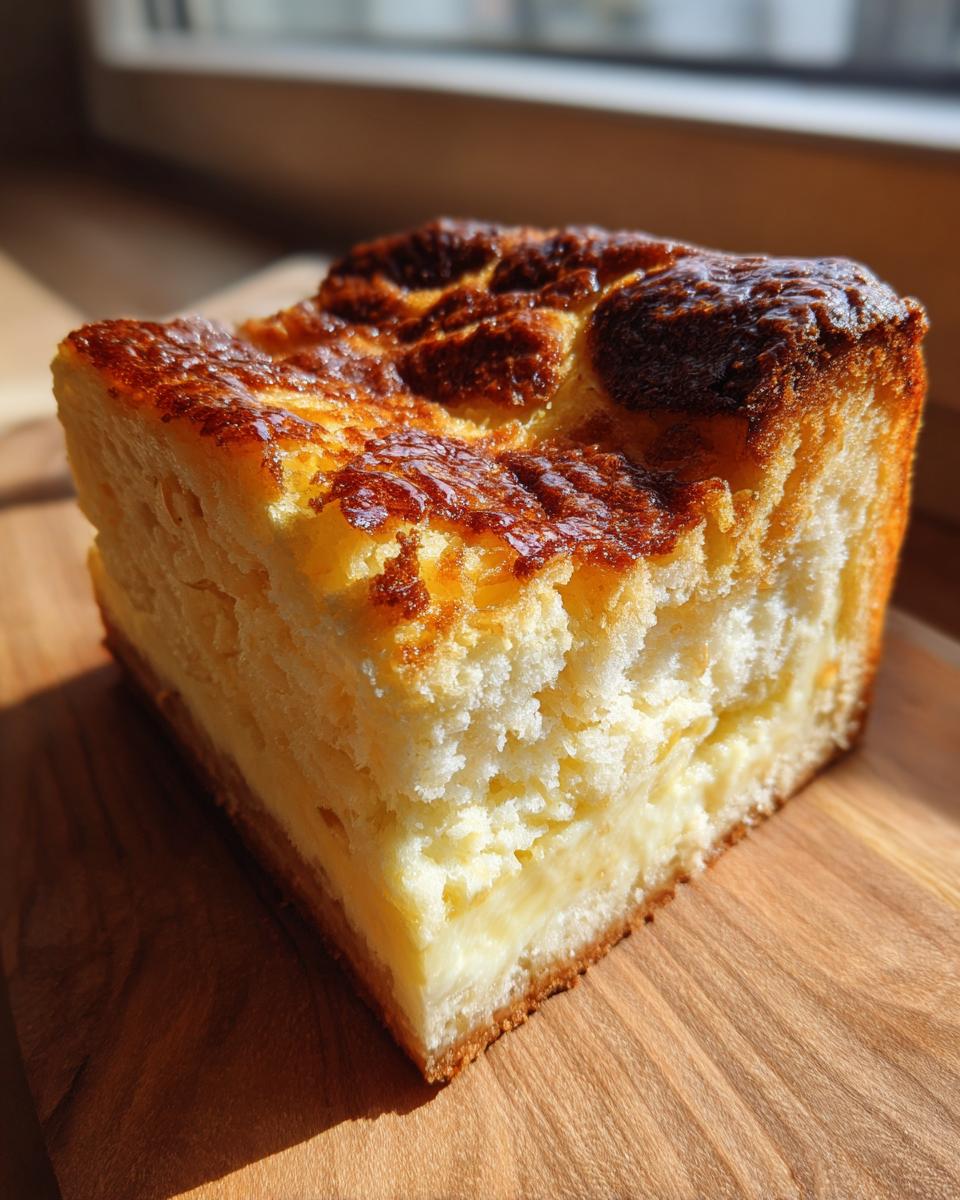
Once the cake layer is totally cool and the custard is icy cold, you’re ready for assembly! Get your 1/2 cup of cold heavy cream and whip it until it forms stiff peaks. Don’t overdo it! Now, gently fold that whipped cream right into your chilled custard. Go slow here; we want to keep all that air in the cream to keep the filling light. Once the custard is fluffy, carefully slice the baked cake horizontally into two even layers. Spread every bit of that vanilla custard filling evenly over the bottom layer. Place the almond-crusted top layer back on, nice and neat. You absolutely must chill the assembled bee sting cake for at least an hour before you even think about slicing it; this lets the filling set up beautifully!
Tips for Success Making Your Homemade bee sting cake
I’ve made this bee sting cake more times than I can count, and over the years, I’ve learned a few non-negotiable tricks to keep it from collapsing or weeping. You deserve that perfect bakery slice every time, so listen closely to these small details. These tips came directly out of my notes from when I was trying to perfect the traditional elements, and they really make a difference in the final texture. If you’re looking for other simple bakes while you master this one, take a look at my guide for an easy fluffy shortcake recipe.
Achieving the Perfect Caramelized Almond Topping
This topping is temperamental, but so worth the effort! The biggest mistake I see people make is waiting too long to put it on the dough. You *must* spread that honey-almond mixture right over the raw, unbaked yeast dough. If you try to spread it on a baked cake layer, A) it won’t stick, and B) that sugar will burn to a crisp in the oven because it needs that dough underneath to insulate it slightly.
Also, watch that topping mixture carefully on the stove. Once it hits a simmer, pull it off fast. If you let that honey and sugar cook too long before it even hits the oven, it will harden like rock candy instead of giving you that delightfully chewy, sticky caramel layer. Spread it thin and evenly so it bakes consistently!
Stabilizing the Vanilla Custard Filling
The filling is where we often run into trouble, especially when we think we’re in a rush. Remember what I said about chilling the custard? It’s gospel! If that pastry cream isn’t completely refrigerator-cold—firm to the touch—when you fold in your whipped heavy cream, two bad things happen: it melts, and it weeps. We want a light, fluffy, stable filling for this custard filled cake, not a runny, watery mess seeping out the sides.
Make sure you whip your heavy cream separately until you have stiff peaks, just like you would for a fancy topping. Then, gently fold it into the cold custard using a rubber spatula—think slow, deliberate scoops from the bottom up. This keeps the airiness you worked so hard to create. If you want even more stability in your batters and fillings, check out my advice on how to make fluffy pancakes—the same rules for keeping air in baked goods apply here!
Storage and Reheating Instructions for bee sting cake
Since this masterpiece relies on a luscious, dairy-based vanilla custard filling, we have to store our bee sting cake correctly, or the whole beautiful structure can turn grumpy! This is not a cake you want sitting out on the counter for days. Because of that rich cream center, you must keep it refrigerated. I usually place any leftovers in an airtight container—though covering it tightly with plastic wrap helps protect that beautiful toasted almond top from drying out.
How long does it last? Honestly, it’s best enjoyed within two days. By day three, the yeast cake base starts to absorb too much moisture from the custard, and while it’s still perfectly safe, you lose that wonderful textural contrast we worked so hard to achieve.
Now, here’s the secret to serving it. When you pull it out of the fridge, don’t slice it immediately! It gets a little too firm out of the cold. Let the whole cake—or the slices you plan to eat—sit out on the counter for about 20 to 30 minutes before serving. This allows the custard to soften up just enough so it creams beautifully against your tongue, and the almonds regain some of that fresh crunch. You want that cool, creamy center, not a solid block of chilled pudding!
If you are making this ahead of time, there’s no real need to freeze it, as freezing and thawing can sometimes affect the texture of the yeast dough. If you absolutely must save some for later inspiration, like making a freezer stash of preserves after you finish baking, check out my recipe for easy freezer jam instead!
Variations on the Traditional German Bee Sting Cake
I’m a purist when it comes to this bee sting cake—the classic combination is unbeatable, honestly. But I know home bakers love to put their own little stamp on a recipe, especially for a custard filled cake that’s so versatile! The main structure—the yeast dough and the honey-almond top—should stay the same, as those are what define the Bienenstich. However, we can certainly play around with the internal filling!
If you’re tired of vanilla, or maybe you just want to kick the flavor up a notch, you have some fantastic, easy options for modifying that creamy center. I always say, once you nail the base technique, you have permission to get creative. If you want to explore other flavor profiles that focus on spices, take a peek at my moist spice cake recipe for some ideas!
Here are a couple of ways I like to switch things up without messing with the showstopper status of this cake:
- Lemon Zest Brightness: While the custard is still hot (before chilling), stir in the zest of two fresh lemons. This cuts through the richness beautifully. When you fold in the whipped cream later, you can even add a tiny splash of fresh lemon juice for a little tang.
- Coffee or Mocha Twist: Dissolve a teaspoon of instant espresso powder into the cold milk before heating it for the custard. This gives you a subtle coffee flavor that pairs wonderfully with the toasted almonds. You could even dust the top layer lightly with cocoa powder before assembly if you’re feeling bold!
- Whiskey/Rum Infusion: This is definitely for the adults, but you can swap out the vanilla extract in the cold custard for a tablespoon of good quality dark rum or a smoky bourbon. It adds amazing depth that melds really well with the caramelized honey notes.
Remember, since the structure of the yeast dough is delicate, avoid adding large chunks of fruit or nuts into the filling layer itself. Keep the texture smooth so those layers glide against each other when you slice it!
Frequently Asked Questions about bee sting cake
I know tackling a classic like Bienenstich can bring up questions! It involves yeast and layers, which is a little more hands-on than whipping up a quick brownie mix. But don’t worry! I get asked these same questions every time I make this bee sting cake. Getting the details right ensures you get that brag-worthy, bakery-quality slice. If you are looking for some quicker meals while you focus on this baking project, check out my guide for easy lunch meal prep!
Why is it called bee sting cake?
That’s a fun one, and there are actually a couple of nice stories floating around in German baking lore about that name! The most popular reason relates to the topping. Legend says that bakers back in the day made this cake and spread the sweet honey-almond topping on top of the raw dough. When it baked, the caramelized mixture would bubble up so much that it supposedly looked like bees swarming the top, hence the ‘sting’ or ‘swarm.’
Another version suggests that the yeast dough, once prepared, would hiss or make a sound as it rose, which also sounded like a buzzing bee! Either way, it refers to the crunchy, sweet top layer of this Traditional German Dessert.
Can I make this bee sting cake without yeast?
If you are looking for an *easy bee sting cake guide* and want to skip the rising time, yes, you absolutely can substitute baking powder for the yeast! However, I have to be upfront: it changes the cake drastically. When you use baking powder, you are making a standard cake batter, not a true yeast cake recipe, or *Hefeteig* in German. The texture will be lighter, more like a standard sheet cake, and won’t have that specific dense-yet-airy chewiness that authentic Bienenstich is famous for.
If you decide to go the non-yeast route, use about 3 teaspoons of baking powder mixed in with your flour, but brace yourself for a different result! For the true experience, stick to the active dry yeast.
What is the best way to serve this Traditional German Dessert?
Temperature is everything here, especially with that beautiful cold vanilla custard inside! You want to serve this cake chilled, but not ice-cold straight from the back of the fridge. Chill the assembled cake for at least an hour so the layers hold together perfectly when you slice it.
When it’s time to serve your bee sting cake, pull the pan (or the whole cake) out about 20 minutes before you plan to cut into it. This lets the custard warm up *just* slightly, making it super creamy against the firmness of the almond top. When slicing, use a very sharp, thin knife and wipe the blade clean between each cut—this prevents the creamy filling from dragging and ripping the layers, ensuring every slice looks as pristine as the one before it!
Estimated Nutritional Data for bee sting cake
Baking a classic like this isn’t about keeping the calories super low—it’s about indulging in a rich, creamy, honey-filled experience! This cake is made with butter, cream, and a sugar crust, so you know it’s going to be decadent. The following data is an estimated breakdown of one slice, based on 10 standard servings. Keep in mind that these numbers can swing a bit depending on how much honey you use in that delicious topping!
When you are planning meals for the week, perhaps keep track of richer desserts like this bee sting cake alongside lighter options, like what I plan for my healthy breakfast ideas.
- Serving Size: 1 slice
- Calories: 450
- Fat: 25g (with about 15g Saturated Fat)
- Carbohydrates: 50g
- Sugar: 35g
- Protein: 7g
- Cholesterol: 120mg
Please remember, these nutritional estimates are based on standard measurements and calculations; they aren’t lab-tested values, but they give you a good idea of what you’re enjoying!
Share Your German Bee Sting Cake Creations
Honestly, seeing your finished bakes is the best part of sharing these classic recipes with you all. Making an authentic bee sting cake is an accomplishment, and I always want to hear how it went! Did the yeast foam up perfectly? Did your first caramel topping come out nice and crisp?
Don’t just keep those beautiful layers to yourself! Slide down into the comments below and let me know how you did. Drop a star rating if you loved this taste of German tradition, or better yet, tag me on social media with your photos! If you’re looking to send feedback directly or have a burning question I didn’t cover, you can always reach out via the Contact Page.
And hey, if you tried a neighboring recipe while waiting for your yeast dough to rise, like this wonderful effortless bee sting cake inspiration, give that baker some love too!
Estimated Nutritional Data for bee sting cake
Baking a classic like this isn’t about keeping the calories super low—it’s about indulging in a rich, creamy, honey-filled experience! This cake is made with butter, cream, and a sugar crust, so you know it’s going to be decadent. The following data is an estimated breakdown of one slice, based on 10 standard servings. Keep in mind that these numbers can swing a bit depending on how much honey you use in that delicious topping!
When you are planning meals for the week, perhaps keep track of richer desserts like this bee sting cake alongside lighter options, like what I plan for my healthy breakfast ideas.
- Serving Size: 1 slice
- Calories: 450
- Fat: 25g (with about 15g Saturated Fat)
- Carbohydrates: 50g
- Sugar: 35g
- Protein: 7g
- Cholesterol: 120mg
Please remember, these nutritional estimates are based on standard measurements and calculations; they aren’t lab-tested values, but they give you a good idea of what you’re enjoying!
Share Your German Bee Sting Cake Creations
Honestly, seeing your finished bakes is the best part of sharing these classic recipes with you all. Making an authentic bee sting cake is an accomplishment, and I always want to hear how it went! Did the yeast foam up perfectly? Did your first caramel topping come out nice and crisp?
Don’t just keep those beautiful layers to yourself! Slide down into the comments below and let me know how you did. Drop a star rating if you loved this taste of German tradition, or better yet, tag me on social media with your photos! If you’re looking to send feedback directly or have a burning question I didn’t cover, you can always reach out via the Contact Page.
And hey, if you tried a neighboring recipe while waiting for your yeast dough to rise, like this wonderful effortless bee sting cake inspiration, give that baker some love too!
PrintAuthentic German Bee Sting Cake (Bienenstich) with Vanilla Custard Filling
Master the classic German Bee Sting Cake, Bienenstich, featuring a soft yeast base, rich vanilla custard filling, and a signature crunchy honey-almond caramel topping. This traditional European layer cake is a showstopper dessert perfect for coffee time.
- Prep Time: 45 min
- Cook Time: 35 min
- Total Time: 3 hours 20 min
- Yield: 10 servings
- Category: Dessert
- Method: Baking
- Cuisine: German
- Diet: Vegetarian
Ingredients
- For the Yeast Cake Base: 1 cup whole milk, 1/4 cup granulated sugar, 2 1/4 teaspoons active dry yeast, 3 cups all-purpose flour, 1/2 teaspoon salt, 1/2 cup (1 stick) unsalted butter (softened), 2 large eggs, 1 teaspoon vanilla extract
- For the Honey-Almond Topping: 1/2 cup (1 stick) unsalted butter, 1/2 cup packed light brown sugar, 1/4 cup honey, 1/4 cup heavy whipping cream, 1 1/2 cups sliced almonds
- For the Vanilla Custard Filling: 1 1/2 cups whole milk, 1/2 cup granulated sugar, 1/4 cup cornstarch, 1/4 teaspoon salt, 2 large egg yolks, 1 teaspoon vanilla extract, 1/2 cup cold heavy whipping cream (for whipping)
Instructions
- Prepare the Yeast Dough: Warm the milk until lukewarm. Stir in the sugar and sprinkle the yeast over the top. Let it sit for 5 minutes until foamy.
- In a large bowl, combine the flour and salt. Cut in the softened butter until the mixture resembles coarse crumbs.
- Add the yeast mixture and eggs to the flour mixture. Mix until a shaggy dough forms. Knead by hand or with a dough hook for 5 to 7 minutes until smooth. Add vanilla extract.
- Place the dough in a lightly oiled bowl, cover, and let it rise in a warm place for 1 to 1.5 hours, or until doubled in size.
- Prepare the Topping: While the dough rises, combine the butter, brown sugar, honey, and heavy cream in a small saucepan. Heat over medium heat, stirring until the butter melts and the mixture just begins to simmer. Remove from heat and stir in the sliced almonds. Set aside.
- Assemble and Bake the Base: Preheat your oven to 350°F (175°C). Punch down the risen dough and press it evenly into a greased 9-inch springform pan.
- Spread the honey-almond topping evenly over the dough surface.
- Bake for 30 to 35 minutes, or until the cake is golden brown and the topping is bubbling. Let the cake cool completely on a wire rack.
- Prepare the Custard Filling: In a saucepan, whisk together the milk, sugar, cornstarch, and salt. Cook over medium heat, whisking constantly, until the mixture thickens significantly, about 5 to 8 minutes.
- In a separate small bowl, whisk the egg yolks. Temper the yolks by slowly whisking about 1/2 cup of the hot milk mixture into the yolks, then pour the yolk mixture back into the saucepan. Cook for 1 minute more, whisking constantly, until very thick. Remove from heat and stir in the vanilla extract.
- Transfer the custard to a bowl, press plastic wrap directly onto the surface to prevent a skin from forming, and chill completely in the refrigerator (at least 2 hours).
- Finish the Filling: Once the custard is cold, whip the 1/2 cup of cold heavy whipping cream until stiff peaks form. Gently fold the whipped cream into the chilled custard until just combined.
- Assemble the Cake: Once the cake is completely cool, carefully slice the cake horizontally into two even layers.
- Spread the entire vanilla custard filling evenly over the bottom layer. Place the top (almond-crusted layer) back on top.
- Chill the assembled Bee Sting Cake for at least 1 hour before slicing and serving.
Notes
- For a traditional look, you can trim the crust slightly before slicing the cake in half for filling.
- Ensure the custard is fully chilled before folding in the whipped cream; this keeps the filling light and stable.
- If you prefer a slightly easier version, you can use a high-quality store-bought vanilla pudding mix prepared according to package directions instead of making the custard from scratch.
Nutrition
- Serving Size: 1 slice
- Calories: 450
- Sugar: 35g
- Sodium: 250mg
- Fat: 25g
- Saturated Fat: 15g
- Unsaturated Fat: 10g
- Trans Fat: 0g
- Carbohydrates: 50g
- Fiber: 2g
- Protein: 7g
- Cholesterol: 120mg