

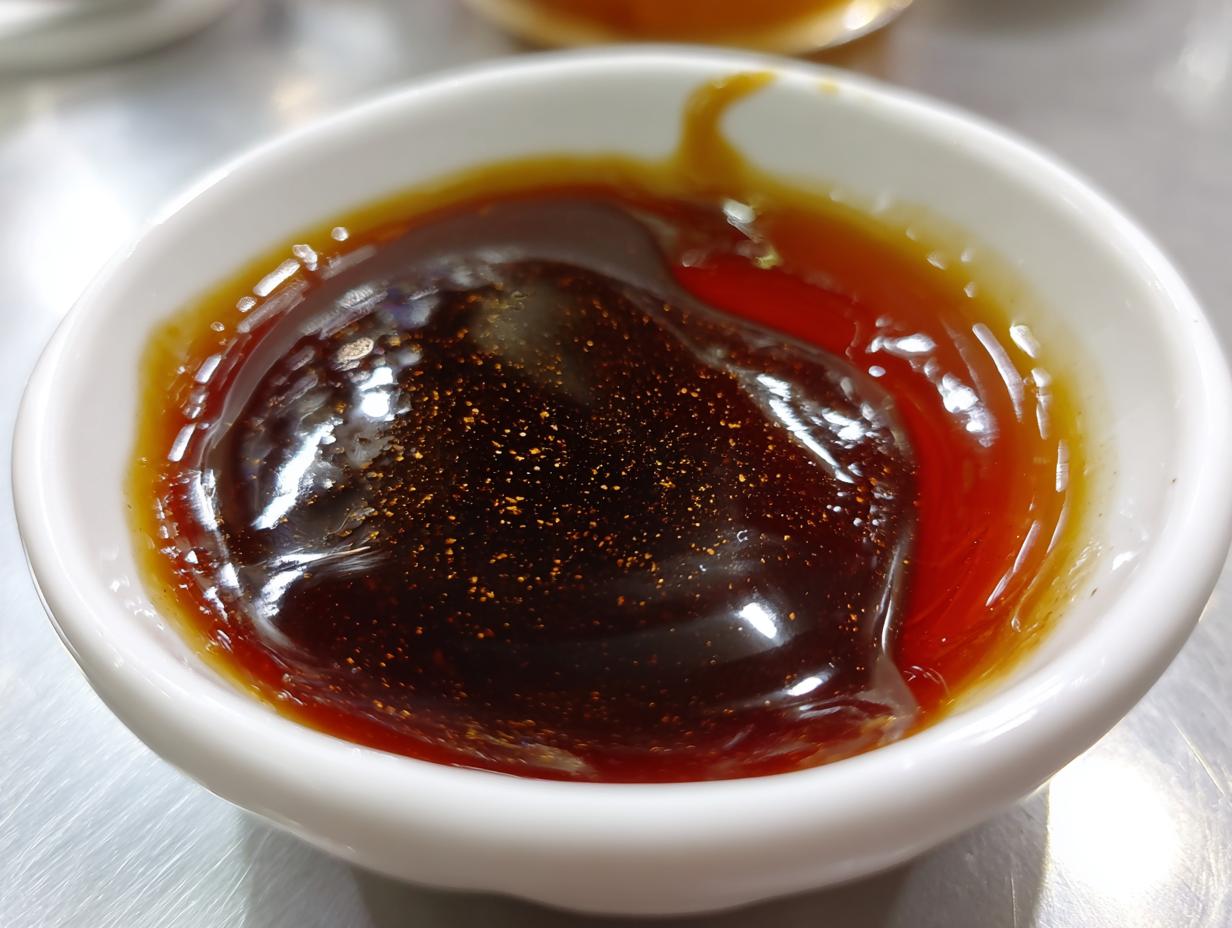
I think one of the biggest secrets to making weeknight cooking feel special is having incredible condiments ready to go. You can throw simple chicken thighs or a slab of salmon on the grill, and if you brush it with a truly fantastic glaze, suddenly you’re eating like you’re at your favorite Japanese spot. That’s what this recipe is all about! Forget those thin, overly sugary bottles from the store. We are making a genuine, thick, glossy japanese teriyaki sauce from scratch today. In my quest to truly understand flavor, I learned that the simple, balanced approach is always the best. This recipe is authentic, it’s easy, and it proves that sometimes the most powerful flavors come from just four core ingredients mixed perfectly. If you’re ready to upgrade your pantry staples, you can find more simple, heartfelt meal ideas over right here.
- Why This Homemade Teriyaki Sauce Recipe Stands Out
- Gathering Authentic Ingredients for Japanese Teriyaki Sauce
- How to Make Japanese Teriyaki Sauce at Home: Step-by-Step
- Tips for the Best Japanese Teriyaki Sauce Consistency
- Using Your Homemade Teriyaki Sauce Recipe
- Storage and Shelf Life for Your Japanese Teriyaki Sauce
- Frequently Asked Questions About Japanese Teriyaki Sauce
- Nutritional Estimates for Homemade Teriyaki Sauce Recipe
- Share Your Homemade Japanese Teriyaki Sauce Success
Why This Homemade Teriyaki Sauce Recipe Stands Out
When I first started testing these sauces years ago, I was constantly frustrated by the store-bought stuff—it was either way too sweet or tasted mostly like salty soy sauce. This version cuts through all that noise. It’s about creating a true balance that lets every single ingredient shine.
This recipe isn’t just good; it’s trustworthy. I settled on this exact formula because it delivers the results I need, every single time.
- It achieves that beautiful, Thick and Glossy Teriyaki finish you see in high-end restaurants.
- Using only Authentic Teriyaki Ingredients ensures deep, complex flavor, not just sugary syrup.
- It works perfectly whether you’re marinating or glazing right at the end of cooking.
Achieving the Perfect Mirin Sake Sugar Sauce Ratio
The magic here really comes down to those three liquids: mirin, sake, and soy sauce, paired with just enough sugar. The mirin brings a mellow sweetness and beautiful sheen, while the sake lifts the whole flavor profile and keeps it from tasting flat. We don’t want an overwhelming slug of sugar; we want it to harmonize. This specific 2:1:1 ratio (soy:mirin:sake) used with the sugar is what locks in that essential savory-sweet equilibrium.
Gathering Authentic Ingredients for Japanese Teriyaki Sauce
When you’re making something this simple, quality really does matter. If you put poor ingredients in, you’re going to get a lackluster sauce coming out, no matter how carefully you simmer it. I promise you, sourcing these four core elements—plus that optional little flavor boost—is worth the trip to the store. These are the Authentic Teriyaki Ingredients you need floating around your pantry at all times.
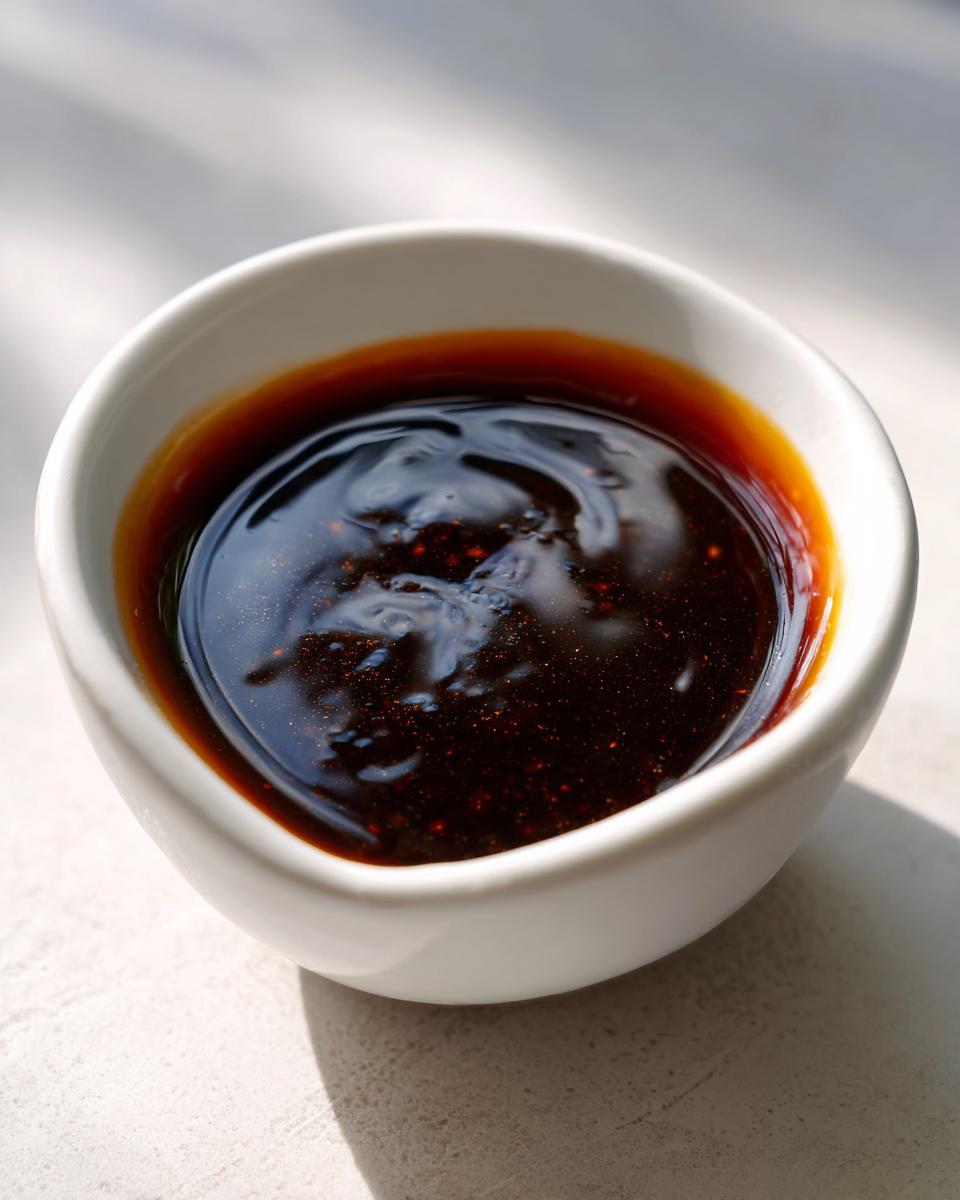
Don’t try to substitute too much here; these flavors are classic for a reason! Trust the process, follow the quantities, and you’ll see why this simple homemade sauce tastes so much better than anything premade.
Ingredient Clarity and Preparation
Here is exactly what you need to get into that saucepan. Pay close attention to the prep notes below—they are subtle but important for texture:
- 1/2 cup Soy Sauce (use a good quality one if you can!)
- 1/2 cup Mirin (this is the sweet rice wine—don’t skip it!)
- 1/4 cup Sake (Japanese rice wine)
- 1/4 cup Granulated Sugar (or honey if you prefer that richer flavor)
- 1 teaspoon Fresh Ginger, grated (This is optional, but oh boy, does it add depth!)
How to Make Japanese Teriyaki Sauce at Home: Step-by-Step
Okay, measuring is done, ingredients are ready—now we get to the best part: watching the magic happen on the stove! Making this japanese teriyaki sauce is pure stovetop theatre. You just need one small saucepan, and honestly, you don’t need to watch it like a hawk every second, but you do need to pay attention when it starts simmering. It’s truly that easy to get a show-stopping result right here in your own kitchen.
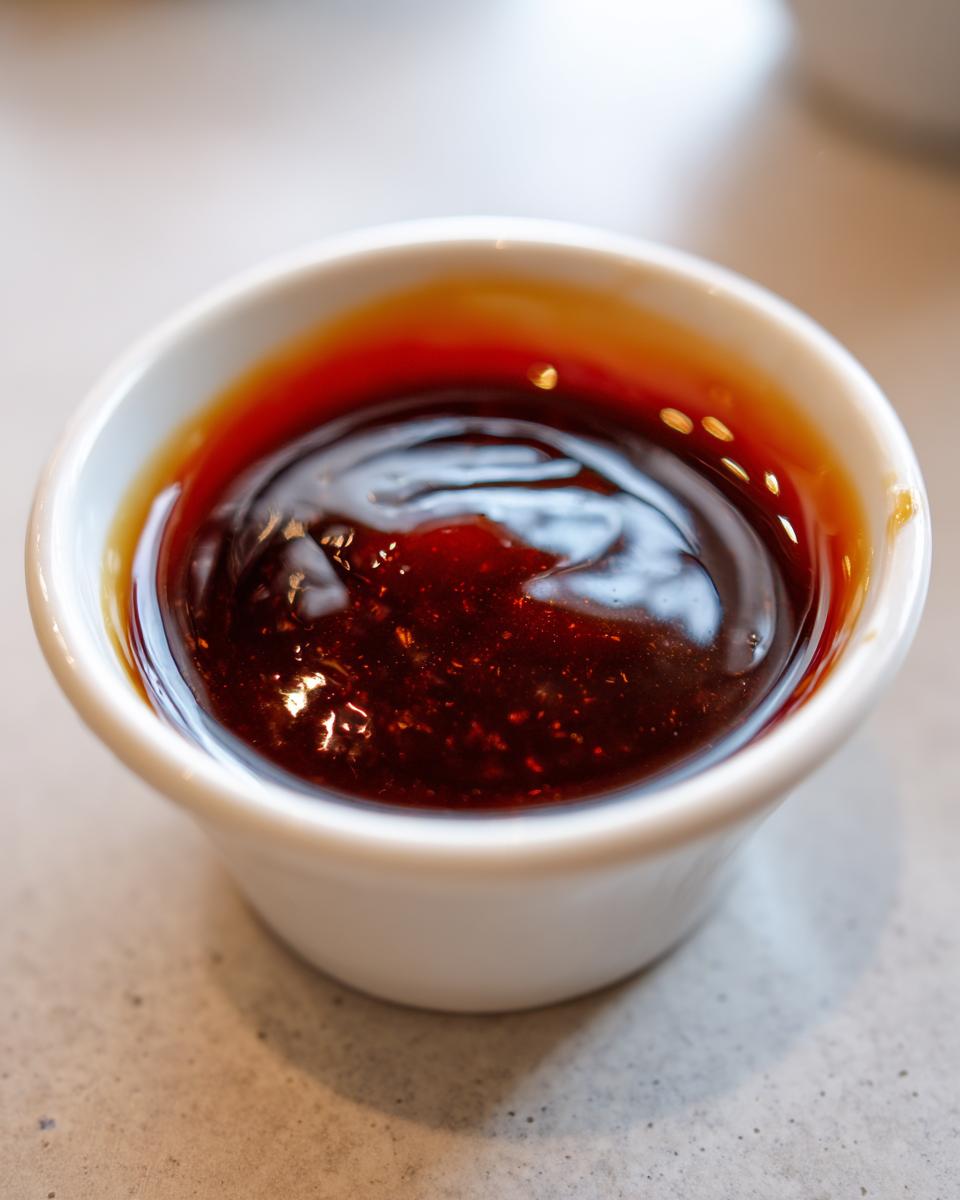
First things first: pour everything you measured—the soy sauce, mirin, sake, and sugar—right into that little pan. Get it over medium heat and stir it gently until you see that sugar dissolve completely. If you grate that fresh ginger, toss it in now too. Once it starts looking shiny and warm, you can bring it up to a slow, happy simmer. My rule is to let it bubble gently, uncovered, for about 10 to 15 minutes. You’re looking for the volume to shrink by about a third.
After the simmering time, if you used the ginger, I highly recommend straining the sauce through a fine-mesh sieve. You want that gorgeous flavor, not the little bits rattling around when you pour it! If you want more ideas on using sweet glazes, check out this honey pepper chicken for inspiration!
The Crucial Reduction Phase for Thick and Glossy Teriyaki
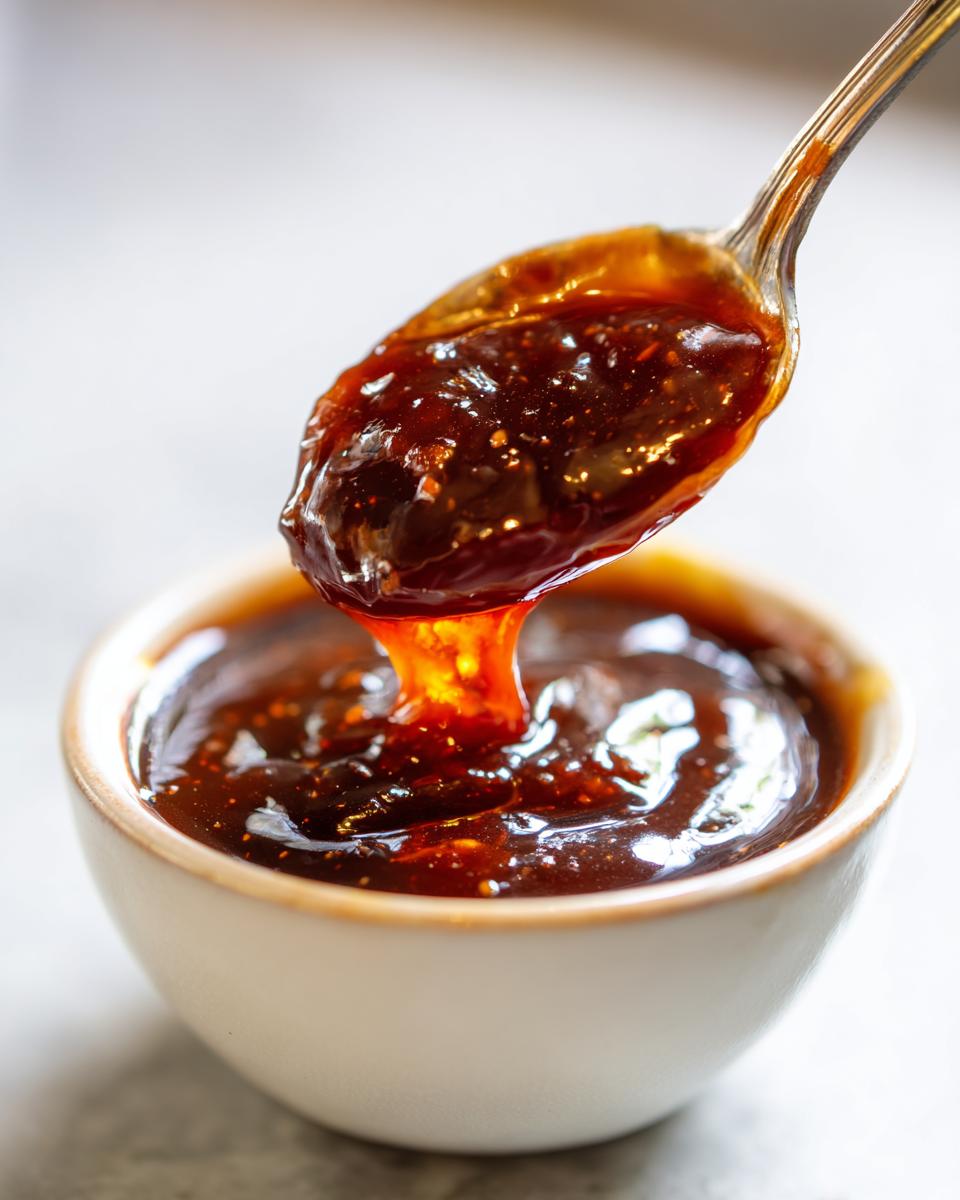
This reduction step is where we transform liquid into that beautiful, sticky glaze. When the sauce has reduced by that third, take your spoon and dip it in. If it coats the back of the spoon nicely, you’re golden! Don’t worry if it still looks a little pourable right now; that’s the clever part. The sauce will thicken up significantly—almost doubling in consistency—once it cools down completely to room temperature. Seriously, the anticipation is half the fun while you wait for it to set!
Tips for the Best Japanese Teriyaki Sauce Consistency
Now, sometimes life moves fast and you need that gorgeous, thick coating on your salmon *right now*. If you don’t have an extra ten minutes for the sauce to reduce naturally, I have a little trick up my sleeve. This is how we make a Quick Teriyaki Glaze Recipe when time is tight. It involves a cornstarch slurry, which is really just a fancy name for cornstarch mixed with cold water.
If you want to use this shortcut for your japanese teriyaki sauce, just mix 1 teaspoon of cornstarch with exactly 1 tablespoon of cold water until it’s smooth—no lumps allowed! Whisk that slurry right into your simmering sauce. Let it cook for just one more minute, and bam! It will instantly thicken up beautifully. It’s an amazing trick, though I still prefer the pure reduction taste myself. For more glaze ideas that are fantastic anytime, check out this recipe for orange chicken!
Using Your Homemade Teriyaki Sauce Recipe
You’ve done the work, you nailed the reduction, and now you have this spectacular japanese teriyaki sauce ready to coat everything in your fridge! The best part is figuring out what to cook with it. Honestly, it’s versatile enough for nearly anything, turning standard proteins into something special with minimal effort.
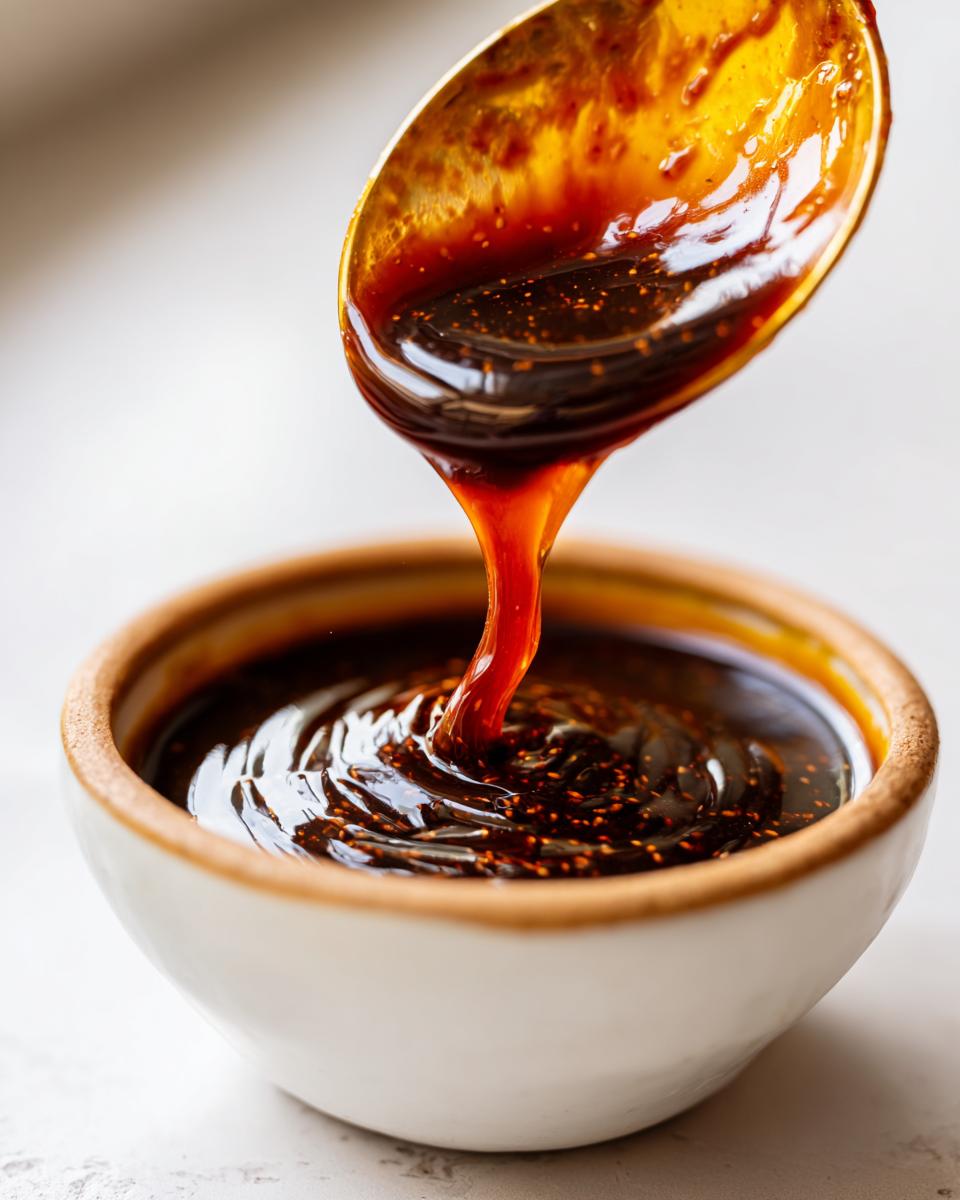
If you’re looking for an Easy Teriyaki Sauce for Chicken, this is your answer. Use half as a marinade for a few hours before cooking, and save the other half to brush on during the last five minutes of grilling or pan-frying. That second application creates that signature sticky lacquer!
Don’t forget that this sauce is phenomenal for fish, too. This is the perfect Teriyaki for Salmon and Tofu. Imagine rich salmon fillets baked up with that sweet soy glaze—you can find a great template for baked fish using a similar technique right here. Tofu just drinks up that salty-sweet flavor, too. And for the meat lovers, don’t forget this works beautifully on steak if you want a quick air-fried method!
Storage and Shelf Life for Your Japanese Teriyaki Sauce
Now that you’ve got about a cup of this incredible homemade sauce, the important thing is keeping it perfect so you can use it all week long! The good news is that because we used quality ingredients and that high sugar content naturally helps preserve things, this sauce lasts really well in the fridge.
You absolutely must let it cool down completely before you even *think* about putting it away. Trying to cool down a hot sauce in the fridge just introduces unnecessary condensation, and nobody wants watered-down teriyaki!
Once it’s fully cool—and I mean room temperature cool—transfer it into an airtight container. A glass jar is my go-to, just because I like to see the color!
I usually get about two weeks of fantastic flavor out of this batch, maybe even slightly longer if I’m careful not to double-dip spoons into it. Think of it as your new staple, just like your favorite breadsticks—always ready when you need it. Keep it tucked back there, and you’ll find yourself reaching for it much more often than you reach for those store-bought bottles!
Frequently Asked Questions About Japanese Teriyaki Sauce
I know that when you’re trying to nail that perfect Asian-inspired meal, little details make a huge difference! I always get questions about substitutions or what exactly we’re aiming for, so let’s clear up a few common points about getting your japanese teriyaki sauce just right. Getting the small stuff right here seriously elevates your home cooking, just like learning that amazing jambalaya technique changed my weeknight dinners!
Can I substitute honey for sugar in this teriyaki sauce?
You absolutely can! I mention that in the recipe notes. Honey gives you a deeper, richer flavor profile for your homemade teriyaki sauce recipe, which some people just love. The only thing you have to watch for is that honey is slightly sweeter and thinner than plain granulated sugar. If you use honey, you might want to reduce the amount by just a tablespoon or so, or be prepared to let it simmer for an extra minute or two to ensure you still get that thick, glossy finish we talked about.
What is the difference between teriyaki and a sweet soy glaze?
That’s a great question because the terms get crossed all the time! Traditionally, teriyaki is a cooking method—grilling or broiling meat that has been basted with a soy-based sauce. The sauce itself often turns into what we commonly call a glaze when it reduces and thickens. So, when you use our recipe to coat chicken or salmon at the end of cooking, you’re creating that authentic, sticky sweet soy glaze recipe.
Nutritional Estimates for Homemade Teriyaki Sauce Recipe
I know some of you are tracking macros, or maybe just curious what exactly you’re drizzling over your dinner. Since this is a homemade recipe and we use a variety of soy sauces and sweeteners out there, I want to stress that these numbers are just a general guideline for a standard 2-tablespoon serving size. Cooking at home gives you total control, which is amazing!
If you use honey instead of sugar, those numbers will shift a bit, naturally. But generally speaking, this is a low-fat sauce that packs a punch of flavor!
Here’s what you can generally expect per 2-tablespoon serving:
- Calories: 65
- Sugar: 14g
- Sodium: 450mg (Remember, this is the highest number; use low-sodium soy sauce if you need to adjust this down!)
- Fat: 0g
- Protein: 1g
- Carbohydrates: 15g
It’s a small cost for incredible flavor, right? Just be mindful of that sodium if you’re topping a huge portion of food. I always say, enjoy every drop, but be aware of what you’re using!
Share Your Homemade Japanese Teriyaki Sauce Success
Well, we made it! We turned simple pantry staples into what I honestly think is the best, most versatile glaze you can have hanging around your fridge. Whether you used this sauce for grilling up some chicken tonight or brushing it over a beautiful piece of salmon, I hope you tasted the difference that making it fresh provides.
Cooking, for me, has always been about connection—sharing the results, hearing what worked, and comparing notes on how you adapted things. That’s the heart of what we do here at Julia Meal!
Seriously, if you loved this Homemade Teriyaki Sauce Recipe, I’d be so grateful if you took two minutes to come back and leave a star rating on the recipe card. That tiny feedback helps other home cooks find this recipe and realize they don’t need to settle for weird, thin sauces anymore.
And if you snap a picture of what you made—maybe some glazed tofu or some quick stir-fry veggies coated in that beautiful shine—please tag us on social media! I love seeing what you create in your kitchens. Seeing your success is genuinely what keeps me stocking my own pantry!
If you want to learn more about the journey behind these recipes and why we focus on making quality cooking accessible, you can always check out the About Us page. Happy cooking, everyone. I hope this simple glaze adds a little bit of joy to your next meal!
PrintAuthentic Homemade Japanese Teriyaki Sauce Recipe
Make a thick, glossy, and perfectly balanced Japanese Teriyaki Sauce from scratch. This recipe delivers the classic sweet and savory glaze ideal for chicken, salmon, or tofu.
- Prep Time: 5 min
- Cook Time: 15 min
- Total Time: 20 min
- Yield: About 1 cup 1x
- Category: Condiment
- Method: Stovetop Simmering
- Cuisine: Japanese
- Diet: Vegetarian
Ingredients
- 1/2 cup Soy Sauce
- 1/2 cup Mirin (Japanese sweet rice wine)
- 1/4 cup Sake (Japanese rice wine)
- 1/4 cup Granulated Sugar (or honey for a richer flavor)
- 1 teaspoon Fresh Ginger, grated (optional, for depth)
Instructions
- Combine the soy sauce, mirin, sake, and sugar in a small saucepan.
- Place the saucepan over medium heat. Stir the mixture constantly until the sugar completely dissolves. Do not let it boil rapidly yet.
- If using, add the grated ginger now.
- Bring the mixture to a gentle simmer. Reduce the heat to medium-low.
- Allow the sauce to simmer uncovered for 10 to 15 minutes. Watch the sauce closely as it reduces. You are looking for the volume to decrease by about one-third.
- The sauce will thicken slightly as it reduces. To achieve a thicker, glossy teriyaki glaze, you can continue to simmer until it coats the back of a spoon.
- Remove the saucepan from the heat. If you added ginger, strain the sauce through a fine-mesh sieve to remove solids.
- Let the sauce cool completely. It will thicken significantly as it cools down to room temperature.
- Use as a marinade, dipping sauce, or brush onto grilled or pan-fried foods during the last few minutes of cooking for a perfect glaze.
Notes
- For a thicker sauce without further cooking, mix 1 teaspoon of cornstarch with 1 tablespoon of cold water (a slurry) and whisk it into the simmering sauce. Cook for 1 minute until thickened.
- This homemade teriyaki sauce keeps well in an airtight container in the refrigerator for up to two weeks.
- Use this sauce as an easy teriyaki marinade for chicken or as a sweet soy glaze for salmon.
Nutrition
- Serving Size: 2 tbsp
- Calories: 65
- Sugar: 14
- Sodium: 450
- Fat: 0
- Saturated Fat: 0
- Unsaturated Fat: 0
- Trans Fat: 0
- Carbohydrates: 15
- Fiber: 0
- Protein: 1
- Cholesterol: 0