

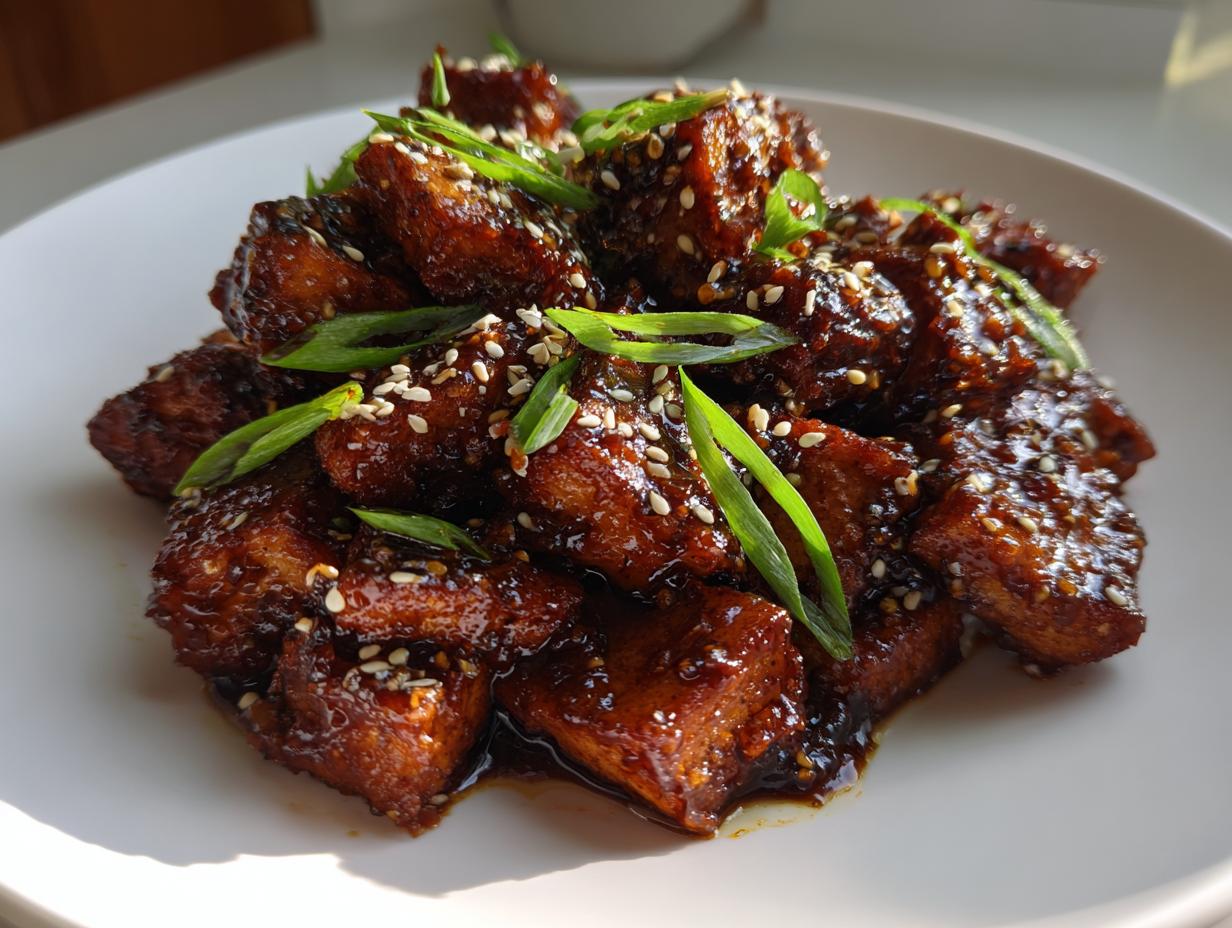
When I think about true Korean comfort food, it’s not always the big stews—sometimes it’s the perfectly balanced side dish waiting patiently next to the rice bowl. That’s where Dubu Jorim steps in. I spent years testing global favorites in my own kitchen, trying to nail that elusive intersection between professional technique and homey flavor, and this Korean braised tofu is one of my absolute proudest moments. Forget mushy tofu; this recipe is all about getting a beautifully golden, slightly crisp exterior that holds up perfectly when it soaks up that savory, slightly spicy, and sweet glaze. It comes together faster than you think, proving that authentic flavor doesn’t need to tie you down for hours. Trust me, this sticky tofu needs to be in your regular rotation.
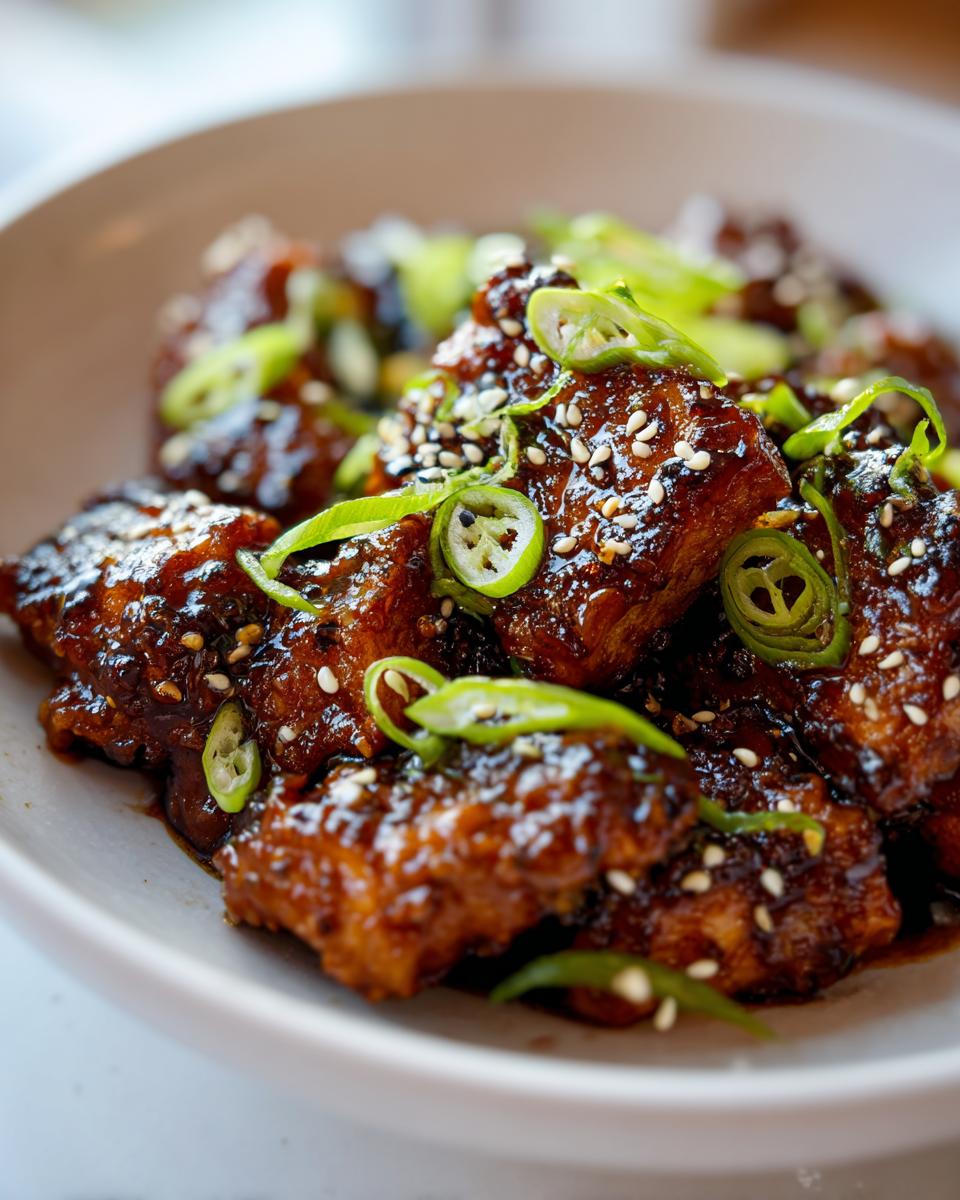
- Why This Korean Braised Tofu Recipe Works for Home Cooks
- Essential Ingredients for Authentic Korean Braised Tofu
- How to Make Korean Braised Tofu (Dubu Jorim) Step-by-Step
- Tips for Perfect Savory Sticky Tofu Cooking
- Serving Suggestions for Your Korean Braised Tofu Side Dish
- Variations on the Classic Korean Braised Tofu Recipe
- Storage and Make Ahead Tips for Korean Braised Tofu
- Frequently Asked Questions About Dubu Jorim
- Nutritional Snapshot of This Tofu Jorim Instructions
Why This Korean Braised Tofu Recipe Works for Home Cooks
We aren’t messing around with overly complex steps here. I crafted this Korean braised tofu to be achievable any weeknight. My goal was to bottle that authentic taste using ingredients I already keep stocked. You get incredible texture without the fuss.
- Total time is under 30 minutes—seriously!
- Pressing followed by a quick pan-fry locks in that perfect firm tofu texture.
- The sauce uses foundational Korean pantry staples for true flavor.
If you’re looking for reliable, flavor-packed winners, you’ll want to check out my collection of quick easy weeknight dinners while you’re here.
Essential Ingredients for Authentic Korean Braised Tofu
Making food that tastes like it came straight from Seoul requires respecting the core components. When you’re making this Korean braised tofu recipe, the quality of your tofu really matters, but the sauce components are what sing the loudest! I’ve laid everything out below. You’ll be amazed how these simple pantry items turn into something so deeply flavorful. If you need ideas on how to fit this stunning side dish into your busy schedule, check out my inspiration for quick easy weeknight dinners!
- 1 block (14-16 oz) extra-firm tofu
- 2 tablespoons neutral cooking oil
- 2 cloves garlic, minced
- 1/2 cup water or vegetable broth
- 3 tablespoons soy sauce
- 1 tablespoon gochugaru (Korean chili flakes)
- 1 tablespoon rice syrup or honey
- 1 teaspoon sesame oil
- 1 teaspoon sugar or maple syrup
- 1 green onion, sliced (for garnish)
- 1 teaspoon toasted sesame seeds (for garnish)
We keep things simple, but every item has a job to do!
Ingredient Notes and Substitutions for Korean Braised Tofu
Listen, I cannot stress this enough: you absolutely must use extra-firm tofu here. If you use soft or silken, it’s going to fall apart when you try to flip it. No amount of magic will save it then! For the sweet element, rice syrup gives the most beautiful sheen for that savory sticky tofu look, but honey works great too in a pinch. The gochugaru provides that signature warmth without burning your mouth; don’t skip those chili flakes!
How to Make Korean Braised Tofu (Dubu Jorim) Step-by-Step
This is where the magic happens, and I promise you, it moves fast! Once you’ve prepped your ingredients, this entire how to make Dubu Jorim process flies by. We are going to focus on creating texture first, then diving into that deeply flavored sauce. If you’re ready to get this beautiful side dish on the table quick, grab your skillet. I’ve got my notes on quick easy weeknight dinners handy if you need inspiration for what to serve alongside it!
Preparing the Tofu for the Best Korean Braised Tofu Texture
Here is the non-negotiable rule for amazing Korean braised tofu: you gotta press it! Wrap that block in paper towels or a clean dish towel and put something heavy on top for at least 20 minutes. We need that water out so our tofu can crisp up, not steam itself into mush. Once pressed, slice it—I usually go for 1/2-inch thick rectangles—and get ready for the sear.
Creating the Savory Sticky Tofu Sauce
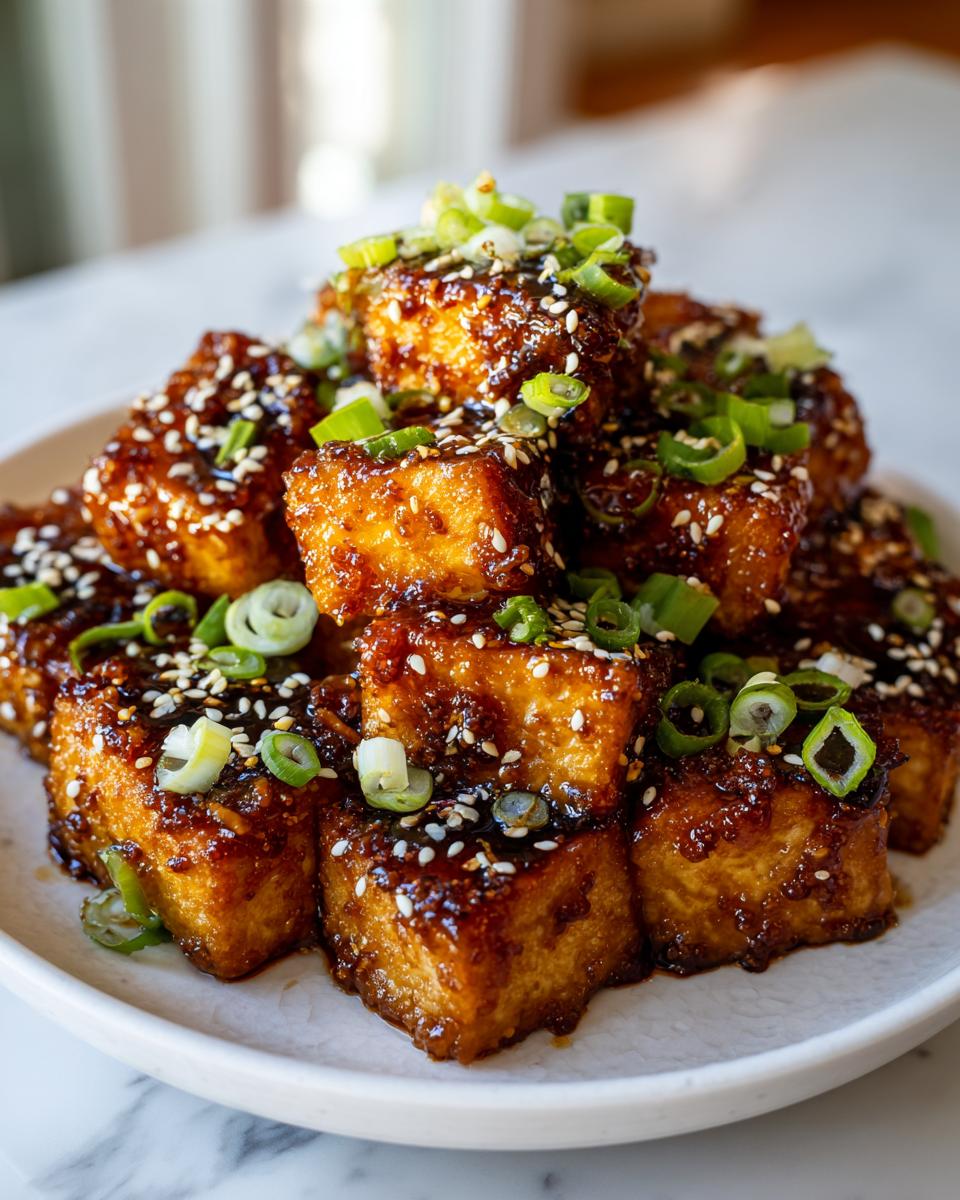
Before the tofu hits the sauce, you need the sauce ready to go! In a small bowl, whisk everything together: the broth (or water), soy sauce, that wonderful gochugaru tofu recipe kick, your sweeteners, and sesame oil. Whisk until it looks uniform. This ensures you get that perfect balance of salty, sweet, and spicy that makes this Korean braised tofu recipe so addictive before you add it to the pan.
Now, sear your tofu gently in oil until it’s beautifully golden brown on all sides—about 3-4 minutes per side. Remove it, quickly sauté that minced garlic for just 30 seconds until it smells amazing, and then pour that sauce mixture right in. Once it simmers, gently nestle your crispy tofu pieces back into the skillet. Keep the heat low, let it bubble for about 5 to 7 minutes, turning every so often until that sauce has thickened up and clings perfectly to every piece. Garnish with fresh scallions and sesame seeds, and you’re eating!
Tips for Perfect Savory Sticky Tofu Cooking
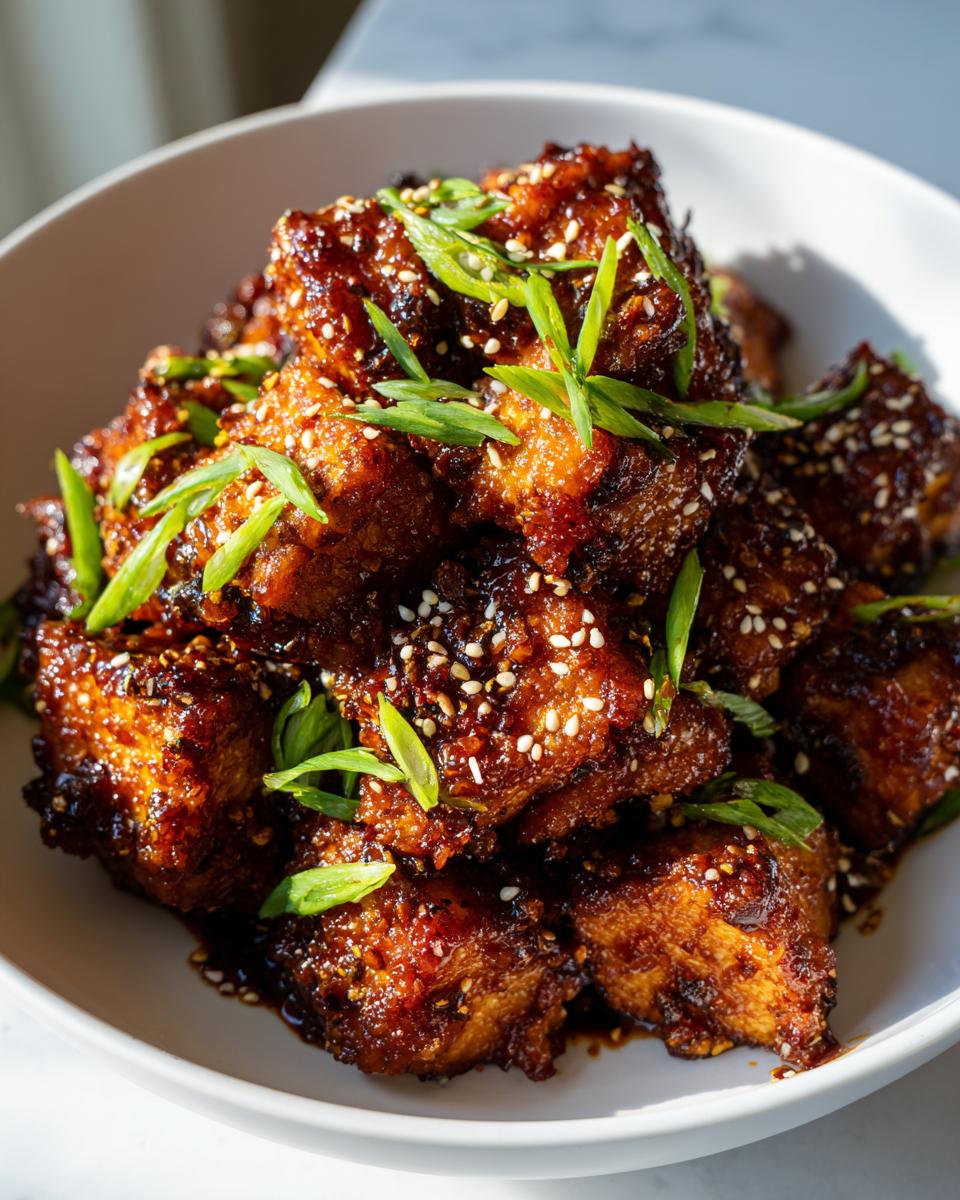
Achieving that glorious, thick coating—the mark of a *savory sticky tofu*—is all about heat management at the end. When you first sear the tofu, you need medium heat. If it’s too high, the outside burns before it browns. If it’s too low, it steams. I learned that lesson the hard way once when I forgot to press the tofu properly; it just stuck to the pan in a sad, crumbled pile instead of getting that lovely crisp crust!
Once you return the tofu to the sauce, drop the heat down low. You want a gentle, slow bubble, not a rolling boil. This low simmer allows the liquid to evaporate slowly, concentrating the sugars and soy sauce into that beautiful, thick glaze that coats everything perfectly. Don’t forget to turn the tofu gently a few times so all sides get coated evenly. For more foolproof cooking methods, make sure you look at my tips for quick easy weeknight dinners!
Serving Suggestions for Your Korean Braised Tofu Side Dish
This spicy tofu side dish is utterly flexible, which is why I love it as a staple! It’s perfect served straight from the skillet alongside a big bowl of freshly steamed white rice—the rice catches all those last bits of sauce, which is the best part, truly. It also plays beautifully with other banchan, adding a hearty, protein-packed element to your spread.
Don’t hesitate to toss it over some quick noodles or even add it as the main protein for a simple, colorful vegetable bowl. Honestly, leftovers are amazing cold right out of the fridge too! Check out my favorite pairings for quick easy weeknight dinners to round out the meal!
Variations on the Classic Korean Braised Tofu Recipe
While I stand by this foundational recipe for authentic Korean braised tofu, cooking should always be an adventure! If you want to bulk this up into more of a main course or just add some color, throwing in some thinly sliced onions or mushrooms right when you sauté the garlic is fantastic. They soak up the sauce just as beautifully as the tofu. If you want to keep it strictly vegan and maybe used honey in your sauce base, a quick swap to maple syrup keeps you right on track.
Another fun twist is adding slivered bell peppers toward the end of the simmering time—you just want them tender-crisp, not totally soft. These simple additions let you customize your favorite vegetarian Korean side dishes every single time you make them. Always fun to see how a simple dish can morph a little! Feel free to peek at my notes on quick easy weeknight dinners for more ideas on mixing things up fast.
Storage and Make Ahead Tips for Korean Braised Tofu
One of the things I love most about this Korean braised tofu is that it’s a fantastic make ahead Korean side dish. It actually tastes even better the next day! Store any leftovers in an airtight container in the fridge for up to four days. When you reheat it, try to avoid blasting it in the microwave which can sometimes soften the texture too much.
Instead, gently warm it in a small non-stick pan over low heat, adding just a teaspoon or two of water if the sauce looks too thick. That little bit of moisture revives that wonderful sticky coating instantly. For more tips on planning meals ahead, check out my quick easy weeknight dinners inspiration!
Frequently Asked Questions About Dubu Jorim
I know when you’re looking at a new recipe, your brain starts spinning with all the potential mix-ups! Don’t worry, I’ve tackled the most common questions I get about making this easy Dubu Jorim so you can feel confident heading into the kitchen. If you’re perfecting your firm tofu cooking methods, these little details really make a difference!
Can I use soft tofu instead of firm tofu for this Korean braised tofu recipe?
Oh, I strongly advise against it, sweetheart. Soft or silken tofu carries way too much water and has no structural integrity. When you try to pan-fry it or even turn it in the sauce, it turns into delicate scrambled eggs, not nice pieces of braised tofu! Always stick to firm or extra-firm for this dish.
How do I adjust the spice level in this spicy tofu side dish?
That’s an easy one to control! The spice level is almost entirely dictated by the amount of gochugaru you use. If you want zero heat, just leave it out completely—it will still be savory and delicious. If you want it really spicy, add another half tablespoon when mixing your sauce. It’s totally flexible, so taste as you go!
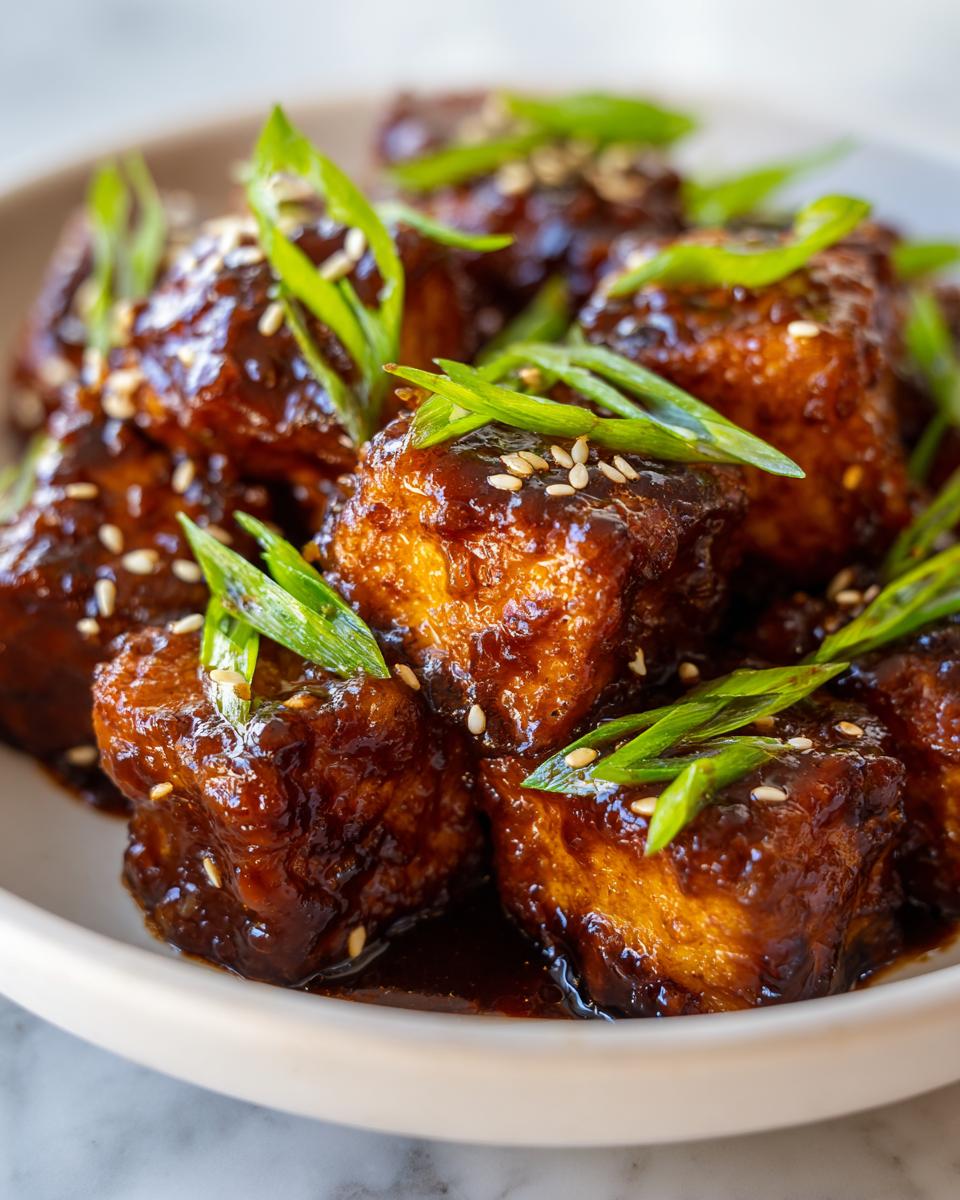
For more quick fixes and foolproof techniques, be sure to check out my tips for quick easy weeknight dinners!
Nutritional Snapshot of This Tofu Jorim Instructions
I always get asked about the nutrition since tofu is such a great protein source, and I’m happy to share what I estimate for this dish. Remember, I’m a cook, not a nutritionist, so these numbers are based on my standard ingredient amounts—your exact values might shift depending on the brand of soy sauce or the type of sweetener you decide to use. But for a quick reference when planning your meals, here’s a good ballpark for one serving of this soy sauce braised tofu.
- Serving Size: 1 serving
- Calories: 180
- Fat: 10g
- Saturated Fat: 1.5g
- Protein: 12g
- Carbohydrates: 12g
- Fiber: 3g
- Sugar: 5g
- Sodium: 650mg (Soy sauce really bumps this up, so be mindful!)
- Cholesterol: 0mg
It’s a wonderfully balanced dish—high in protein and pretty light overall, which just confirms why this is such a perfect addition to any meal!
PrintAuthentic Korean Braised Tofu (Dubu Jorim)
Make easy Dubu Jorim, a savory and slightly spicy Korean braised tofu side dish. This recipe uses firm tofu and simple Korean pantry staples for quick banchan recipes.
- Prep Time: 10 min
- Cook Time: 15 min
- Total Time: 25 min
- Yield: 3 servings 1x
- Category: Side Dish
- Method: Pan-Frying and Simmering
- Cuisine: Korean
- Diet: Vegetarian
Ingredients
- 1 block (14-16 oz) extra-firm tofu
- 2 tablespoons neutral cooking oil
- 2 cloves garlic, minced
- 1/2 cup water or vegetable broth
- 3 tablespoons soy sauce
- 1 tablespoon gochugaru (Korean chili flakes)
- 1 tablespoon rice syrup or honey
- 1 teaspoon sesame oil
- 1 teaspoon sugar or maple syrup
- 1 green onion, sliced (for garnish)
- 1 teaspoon toasted sesame seeds (for garnish)
Instructions
- Press the extra-firm tofu for at least 20 minutes to remove excess water. Cut the pressed tofu into 1/2-inch thick slices or cubes.
- Heat the neutral cooking oil in a non-stick skillet over medium heat. Gently place the tofu pieces in the skillet in a single layer.
- Pan-fry the tofu for 3 to 4 minutes per side until the exterior is golden brown and slightly crisp. Remove the tofu and set it aside.
- In the same skillet, add the minced garlic and sauté for 30 seconds until fragrant.
- In a small bowl, whisk together the water or broth, soy sauce, gochugaru, rice syrup, sesame oil, and sugar. This creates your savory sticky tofu sauce.
- Pour the sauce mixture into the skillet. Bring it to a simmer over medium heat.
- Carefully return the browned tofu to the skillet. Spoon the sauce over the tofu pieces.
- Reduce the heat to low and let the tofu simmer gently for 5 to 7 minutes, turning the pieces occasionally, until the sauce thickens and coats the tofu well.
- Remove from heat. Garnish with sliced green onion and toasted sesame seeds before serving immediately with rice.
Notes
- Use extra-firm tofu for the best texture; it holds its shape during braising.
- For a deeper flavor, you can add 1/4 cup of thinly sliced onion or mushrooms when sautéing the garlic.
- This dish is excellent made ahead; store leftovers in the refrigerator and reheat gently.
- If you prefer less spice, reduce the amount of gochugaru.
Nutrition
- Serving Size: 1 serving
- Calories: 180
- Sugar: 5
- Sodium: 650
- Fat: 10
- Saturated Fat: 1.5
- Unsaturated Fat: 8.5
- Trans Fat: 0
- Carbohydrates: 12
- Fiber: 3
- Protein: 12
- Cholesterol: 0