

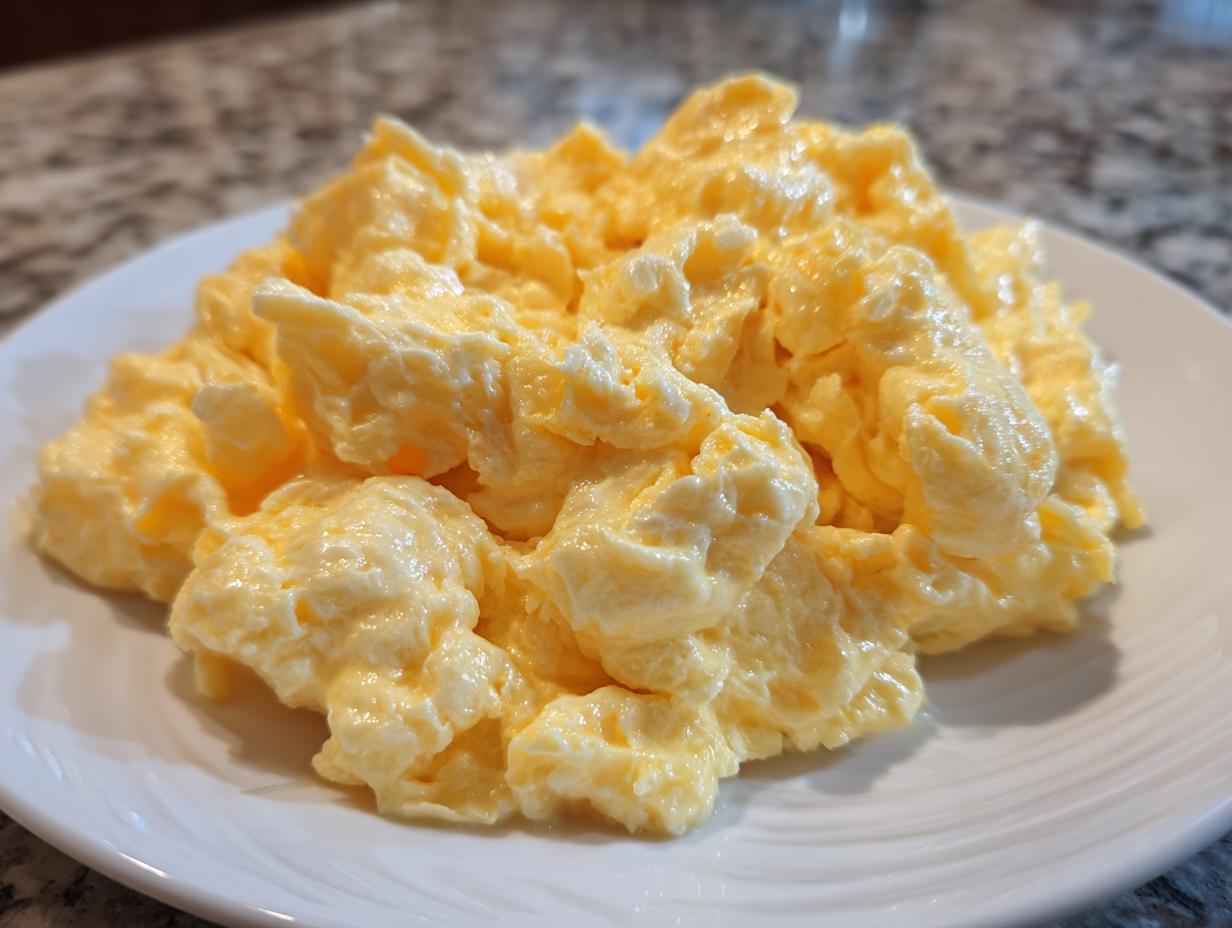
If there’s one thing that instantly makes me feel like my day is starting right, it’s a plate of perfectly made eggs. We all know how scrambled eggs can go wrong, right? One minute they’re light and pillowy, the next they’re little rubber chunks that mock your efforts. Well, I’m here today to put an end to breakfast tragedy! Here at Julia Meal, we bring professional know-how right into your home kitchen, and that means mastering the ultimate challenge: getting your scrambled eggs both incredibly creamy and beautifully fluffy. It’s totally possible, I promise. This technique has taken me years of tweaking, but I finally nailed the balance for that diner-style perfection. It’s honestly the best way to start any morning.
- Why This Creamy and Fluffy Scrambled Eggs Recipe is the Best Breakfast Ever
- Gathering Ingredients for Gourmet Simple Breakfast Scrambled Eggs
- Essential Equipment for How To Cook Eggs Perfectly
- Step-by-Step Instructions for Making Creamy and Fluffy Scrambled Eggs
- Chef Tips for Eggs: Mastering Your Scrambled Eggs
- Serving Suggestions for Quick Morning Meals
- Storage and Reheating Instructions for Leftover Scrambled Eggs
- Frequently Asked Questions About Scrambled Eggs
- Nutritional Information for This High Protein Breakfast
- Share Your Simple Breakfast Ideas
- Nutritional Information for This High Protein Breakfast
- Share Your Simple Breakfast Ideas
Why This Creamy and Fluffy Scrambled Eggs Recipe is the Best Breakfast Ever
I know you’ve been searching for this. Everyone wants eggs that deliver on both promises: light fluffiness and rich, buttery creaminess. Our method achieves that sweet spot every single time, turning a simple morning meal into something truly special.
- You get that airy lift without sacrificing moisture—no more dry, sad eggs here!
- It’s fast enough for busy days, but slow enough that it feels like you took your time.
- These are the best scrambled eggs you’ll ever make, period.
Achieving the Perfect Texture: Fluffy Eggs Technique
The key to the airy texture starts before the pan even sees heat! We whisk those eggs vigorously with the half and half. You want them slightly frothy. That’s you deliberately whipping air right into the mixture. This physical action creates the foundation for that beautiful lift that defines the Fluffy Eggs Technique.
The Secret to Creamy Scrambled Eggs: Low Heat Cooking Methods
If you want rich, custardy scrambled eggs that melt in your mouth, you must tame your stove. We use a very gentle heat. The Low Heat Cooking Methods prevent the proteins from seizing up too fast. Rushing the process is what gives you those tough, rubbery pieces. Low and slow wins the race for truly creamy scrambled eggs.
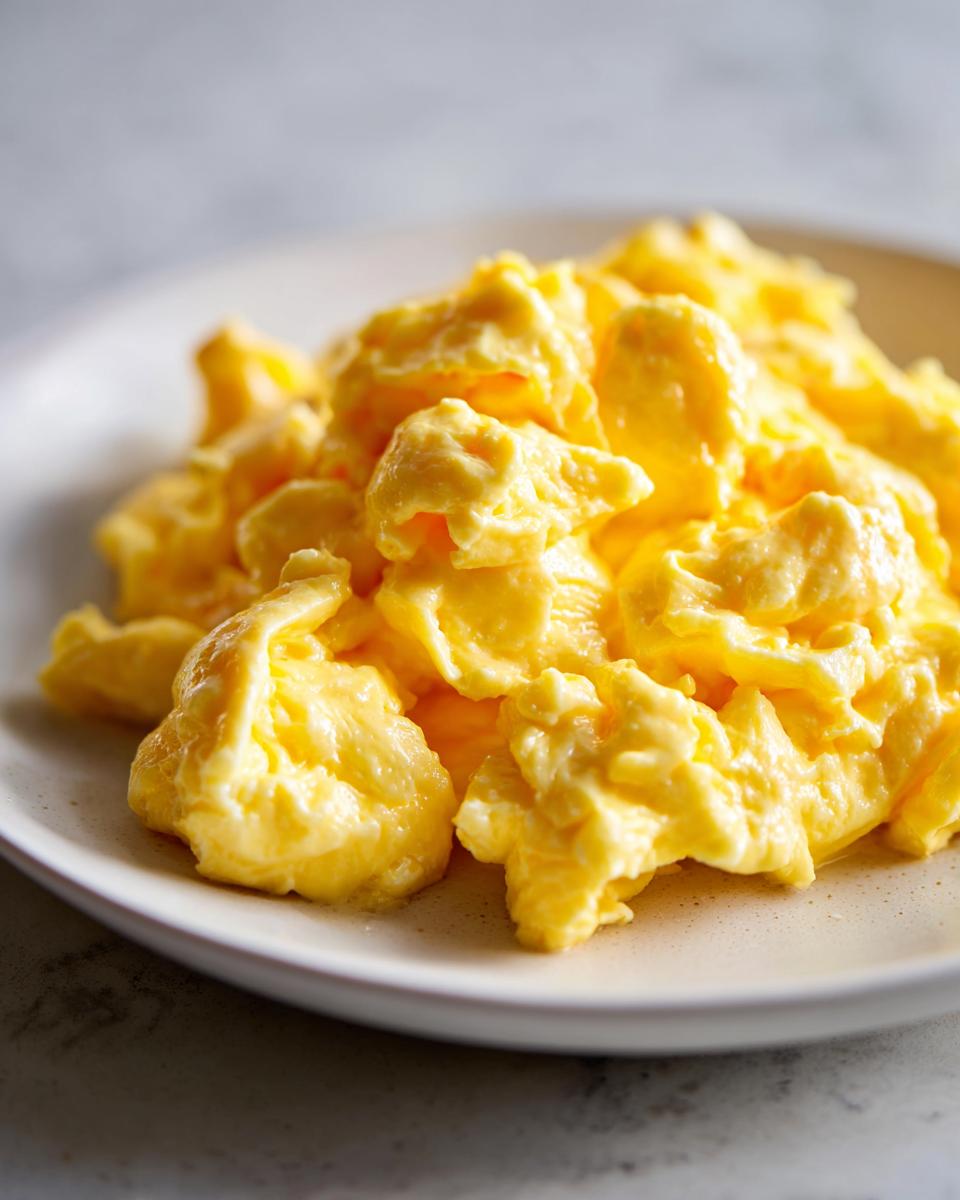
Gathering Ingredients for Gourmet Simple Breakfast Scrambled Eggs
For this recipe to truly shine, we need to respect the ingredients. We aren’t just throwing yolks in a pan; we are building layers of richness! Getting the right amounts of these core items is what separates an okay breakfast from the best scrambled eggs you’ve ever made. Keep everything measured out before you even turn on the stove; timing is everything.
- 4 large eggs – and trust me, room temperature matters a little bit here!
- 2 tablespoons half and half – this is crucial for the texture, see below.
- 1 tablespoon high-quality unsalted butter (don’t skimp on flavor!)
- A healthy pinch of salt and freshly cracked black pepper.
Ingredient Notes and Substitutions
Let’s talk about the dairy. Skim milk sometimes works, but it won’t give you that luxurious mouthfeel. I use half and half because it has just the right amount of fat to keep the curds soft and prevent them from drying out. That fat is your insurance policy against rubbery scrambled eggs!
If you absolutely must substitute, heavy cream is a close second, but it will make them much richer. Oh, and if you are looking for scrambled eggs with cheese? That’s when you’ll want to bring in that sharp cheddar or Gruyère at the very end!
Essential Equipment for How To Cook Eggs Perfectly
Okay, so we have the ingredients ready to go, but you can’t achieve that creamy, fluffy texture without the right tools. Seriously, don’t try making these in a cheap, scratched-up pan. Trust me on this; the right equipment is non-negotiable for this style of cooking. Think of it as setting the stage for a perfect performance!
We aren’t using whisks like crazy or metal spatulas that scratch up the surface. We need tools that are gentle on our delicate curds.
- A Really Good Non-Stick Skillet: This is the MVP here. If your pan isn’t truly non-stick, the eggs will glue themselves to the bottom before you ever get a chance to push them gently. I use an 8-inch pan for this recipe size; it gives the eggs enough surface area to spread out.
- A Heat-Resistant Rubber Spatula: Forget those stiff metal turners. You need a flexible spatula—one that can scrape the very bottom and sides of the pan cleanly without damaging the coating. We are folding the eggs, not chopping them!
- A Medium Mixing Bowl: You need space to really get some air into those eggs when you whisk them. A tiny little mug just won’t cut it for incorporating the air needed for that fluffy lift.
- Tongs (Optional, but useful): Sometimes I keep a pair handy just for serving after I’ve used the spatula, but mainly, the spatula does all the heavy lifting here.
Having these tools ready means you won’t be scrambling around trying to find something halfway through cooking, which is exactly when you need to be monitoring that gentle, low heat!
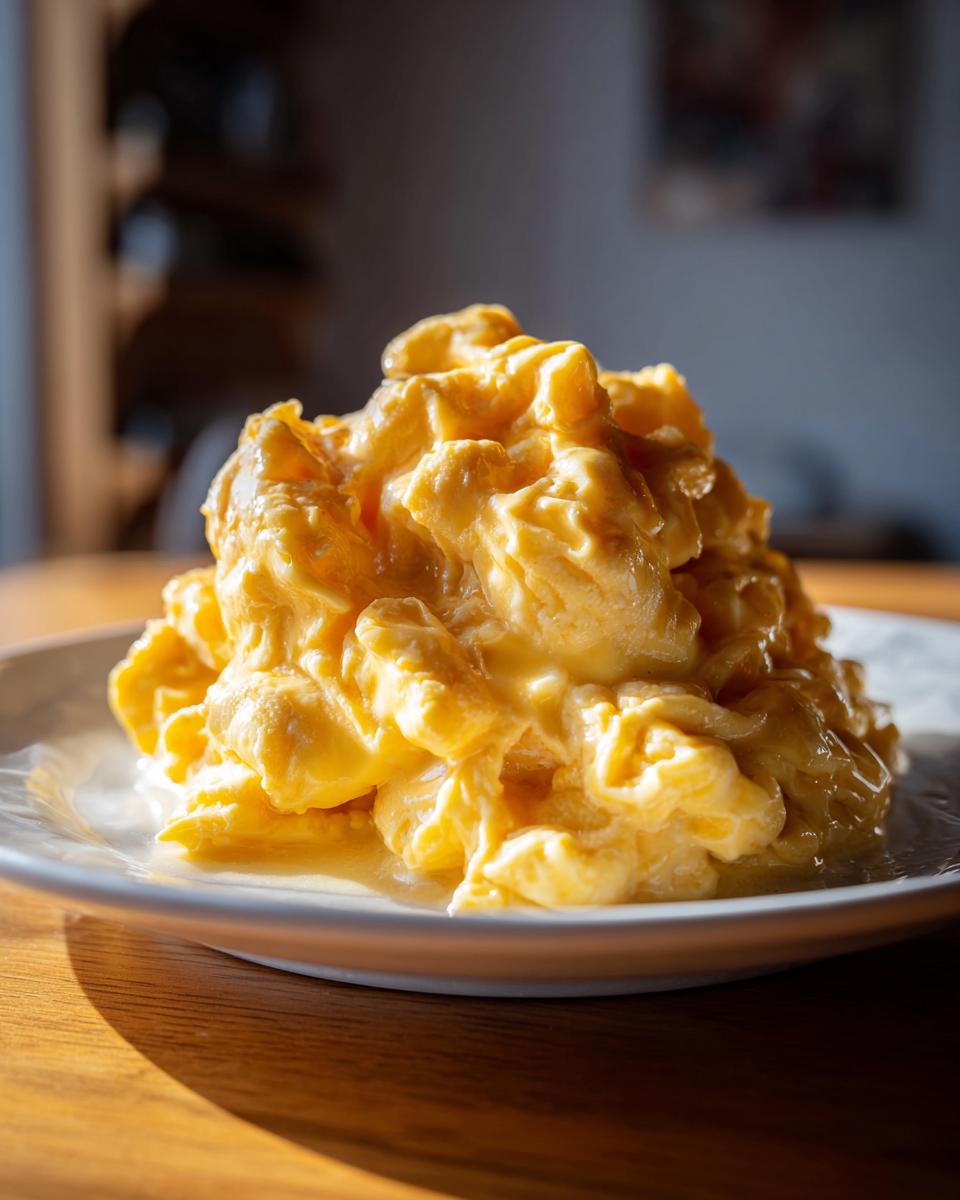
Step-by-Step Instructions for Making Creamy and Fluffy Scrambled Eggs
This is where the magic happens, and I mean it when I say technique matters more than almost anything else. We are moving slowly here. I want you to forget everything you know about rushing breakfast. If you’re aiming for those incredible, soft curds, you have to commit to the low and slow approach. Follow these steps exactly, and you’ll see why people go wild for these scrambled eggs!
Preparing the Egg Base and Starting the Low Heat Cooking Methods
First things first: we need to introduce air for that fluffiness. Whisk your eggs really well with that half and half, salt, and pepper until the mixture looks uniform and has a few tiny bubbles on top. That’s the air we want! Now, put your skillet on the stove over low heat—I mean genuinely low. Melt the butter until it’s just foamy. If it starts browning, your heat is way too high, so pull it off and start again!
Folding Technique for Soft Curls in Your Scrambled Eggs
Pour the eggs in and just let them sit untouched for about 30 seconds until those edges barely start to look solid. Now, take your rubber spatula and gently push the cooked portion from the edge toward the center. Tilt the pan so the runny stuff flows underneath to cook. Keep doing this folding motion slowly across the whole pan. We are making soft, large ribbons, not scrambling them hard. When the eggs look glossy but still damp—not dry at all—take the entire pan straight off the burner. The residual heat will finish setting your perfect eggs. Seriously, don’t leave them on the heat until they look ‘done’!
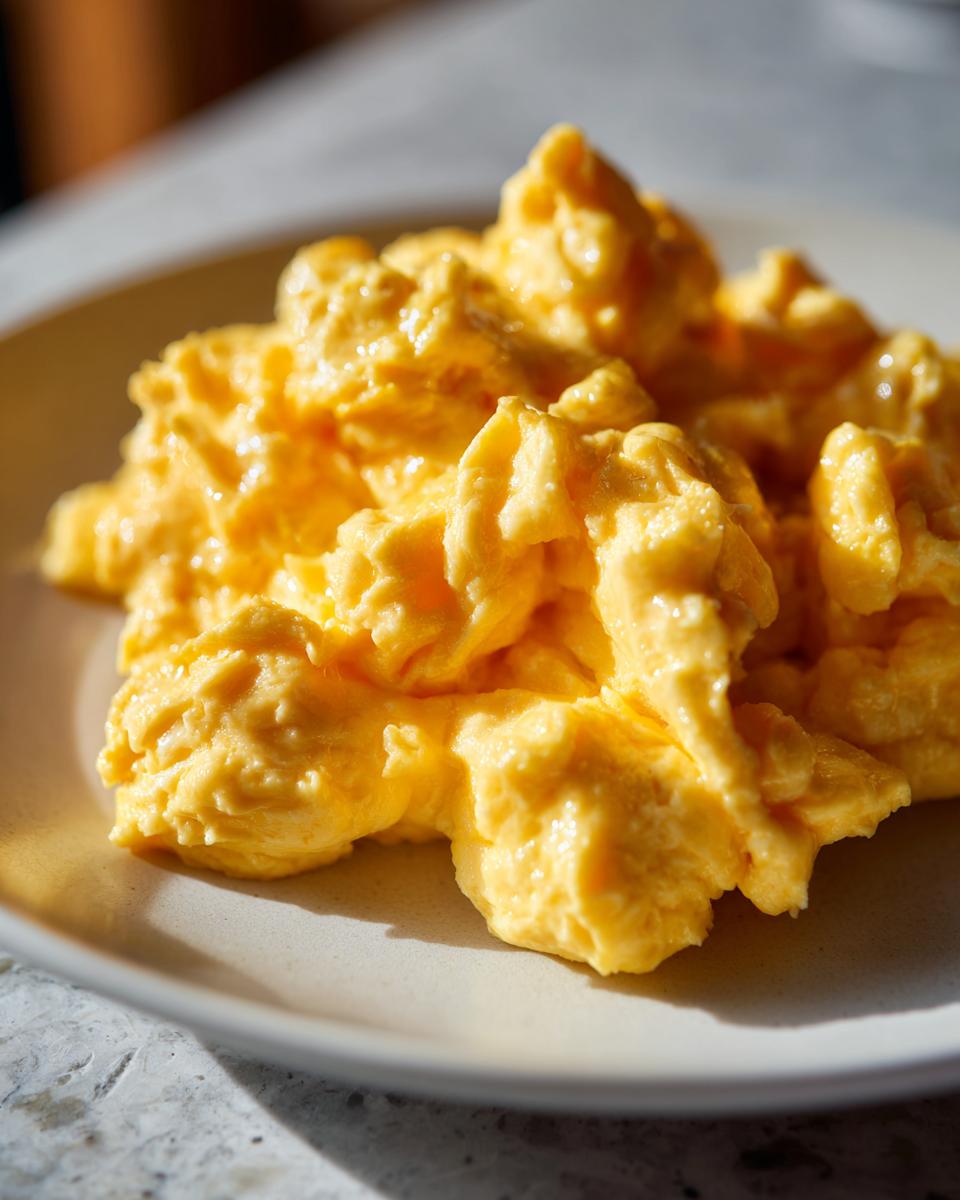
Chef Tips for Eggs: Mastering Your Scrambled Eggs
Now that you have the basic technique down for those beautiful, soft scrambled eggs, let me share some little secrets I picked up over the years. These are the things that take the recipe from “great” to “where has this been all my life?” Trust me, one tiny addition right at the end makes a huge difference in the final richness.
My favorite kitchen hack for next-level flavor is adding a teaspoon of cold, unsalted butter right as you pull the pan off the heat. You just gently fold it in. It melts immediately and coats everything in a final layer of unbelievable richness. Don’t skip this!
Customizing Your Savory Egg Dishes
These base scrambled eggs are fantastic by themselves, but they are also perfect canvases for flavor additions. If you want to step up to something fancier, consider stirring in some shredded Gruyère or sharp cheddar during that last minute of cooking—that makes amazing scrambled eggs with cheese!
For a brighter, fresher flavor, chopped chives are the way to go. Sprinkle them in right along with the residual heat cooking step. Those little bits of green make for fantastic scrambled eggs with chives and add a lovely visual pop to your savory egg dishes.
Serving Suggestions for Quick Morning Meals
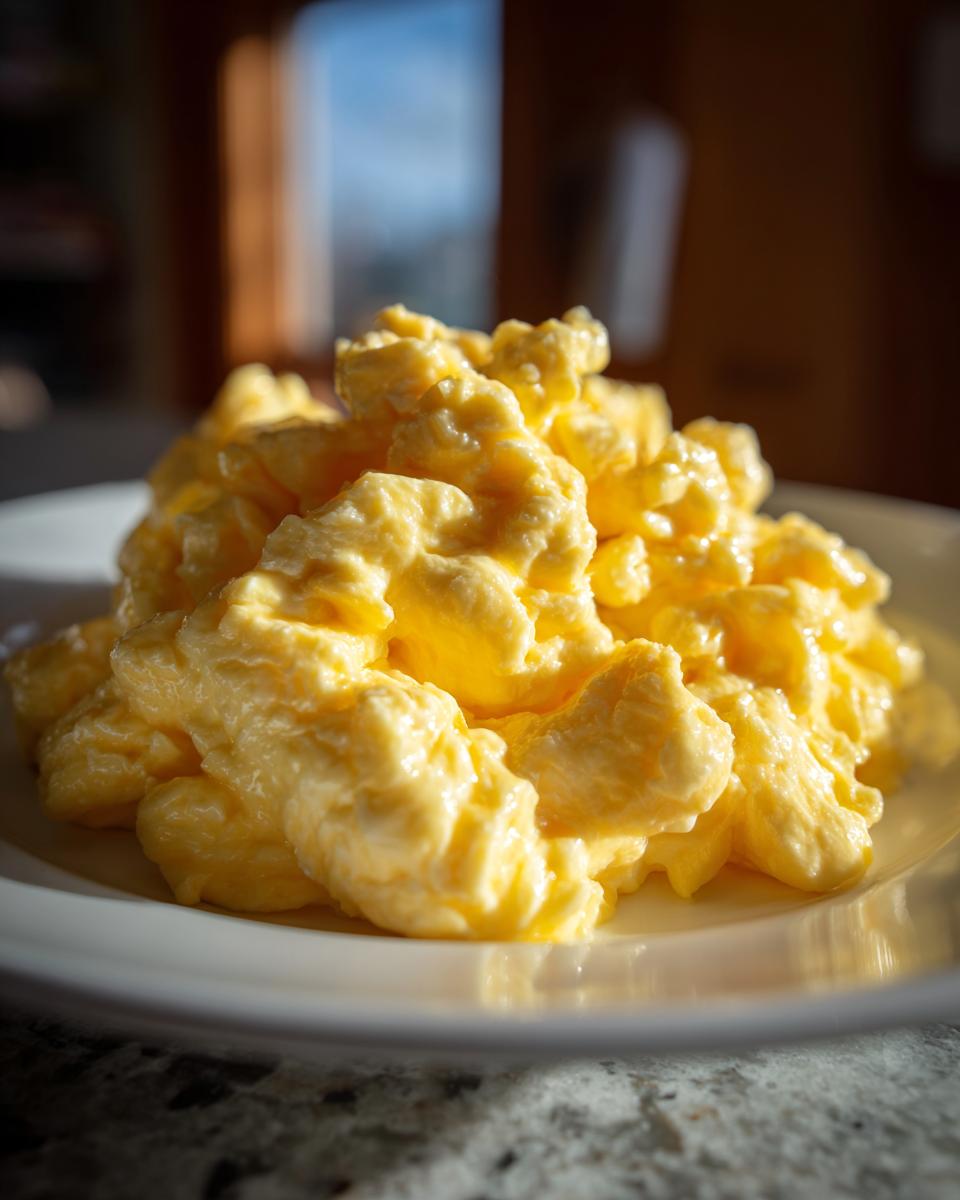
So you’ve made the perfect batch of creamy, fluffy scrambled eggs—congratulations! What now? You absolutely shouldn’t just eat them sadly standing over the sink, tempting fate by overcooking them while you try to find a clean plate! These are too good to just eat plain, though they certainly can be eaten that way when you need a seriously fast High Protein Breakfast.
Since these are designed to be so quick and easy, they fit perfectly into those rushed mornings when you still want something satisfying. We call this feeling achieving the Best Breakfast Ever!
Perfect Pairings for Toast Lovers
Honestly, my go-to for a comforting start is just buttered sourdough bread. But don’t settle for plain toast! Try topping your toast with a thick layer of mashed avocado and then piling those soft curds right on top. A little sprinkle of red pepper flakes elevates this simple idea immediately. It’s quick, it feels gourmet, and it’s ready in minutes, hitting that Quick Morning Meals goal perfectly.
Taking Them on the Road: Breakfast Tacos and Burritos
If you need something portable that feels like comfort food breakfast, you have to turn these into tacos. I mean it! Use warm corn tortillas (or flour, whatever you prefer) and wrap up a portion of the eggs right after you take them off the heat. A little bit of salsa or some shredded lettuce is all they need. They hold together so well because they are creamy and not watery, making them perfect for wrapping up!
Elevating Brunch Recipes
When you have a little more time for brunch, these scrambled eggs are the perfect centerpiece. Try serving them alongside crispy, salty bacon or alongside some sautéed mushrooms and wilted spinach. If you want to go all out, pile them onto a toasted English muffin and top with a perfectly poached egg for ultimate decadence. It makes for an amazing Brunch Recipe that still feels achievable on a Sunday morning.
Storage and Reheating Instructions for Leftover Scrambled Eggs
Okay, this is a big one, and I’m going to be honest: leftover scrambled eggs are never going to be *as* amazing as when they are piping hot straight from the pan. They just lose that initial tenderness, which is a total bummer. But hey, if you’ve got extra, or if this recipe just made too much for your morning, we don’t waste good food around here! The secret to managing leftovers is treating them gently.
First, you have to stop the cooking process immediately. If you leave those eggs sitting in the hot pan while you answer the door, they will keep cooking and turn rubbery before they even hit the container. A quick transfer is key!
Proper Storage for Maximum Freshness
As soon as they look done—meaning they are still a little glossy—get them into an airtight container. I mean *truly* airtight. Plastic containers work fine, but if you have a small glass container with a tight-fitting lid, go for that. You want to minimize air exposure because that air encourages them to dry out in the fridge.
You should aim to eat these leftovers within two days, max. I find that by day three, even perfect eggs start to taste a little… tired. So, plan ahead! This recipe is really best enjoyed immediately, but if you must stash them, make sure they go into the fridge within an hour of cooking them.
The Gentle Art of Reheating Scrambled Eggs
Do *not* microwave these on high power! That’s the fastest way to turn them back into little hockey pucks. If you absolutely must use the microwave, use 50% power and heat them in very short bursts—maybe 15 seconds at a time—and stir well between each burst until they are just warmed through.
My preferred way to reheat them, especially if you have the time, is on the stovetop. Pop a little bit of butter—just a tiny dab, maybe half a teaspoon—into a non-stick pan over the lowest heat setting possible. Add the cold eggs and let them sit for just about 30 seconds before gently folding them, just like we did when we cooked them fresh. If they look a little dry when heating them this way, add a teaspoon of milk or cream right into the pan while stirring, and voilà! They come back to life beautifully.
Frequently Asked Questions About Scrambled Eggs
I know you might have a few lingering questions after mastering the perfect plate of eggs! It’s normal, especially when you are trying to shift away from older, harsher cooking habits. Don’t worry about asking; we’ve all been there trying to figure out the best approach for our morning dishes. I gathered the most common questions I see about achieving that perfect texture.
Why cook eggs so slowly? Is it worth the extra time?
Oh, this is the big one! You absolutely get out what you put in. Slow cooking means low heat, which is the secret behind achieving those ultra-soft curds we love in our Quick and Easy Egg Recipes. If you cook them fast over medium or high heat, the water inside the egg evaporates too quickly, causing the proteins to tighten up. That’s what gives you those dry, grainy pieces instead of soft, rich mouthfuls. For the very best results, especially for Creamy Scrambled Eggs, that extra five or six minutes on low heat is mandatory!
Should I use milk, cream, or just water for fluffier eggs?
For my recipe, I strongly prefer half and half or heavy cream. The higher fat content coats the egg proteins, which helps keep them tender during cooking. Water? Hmm, that can actually work if you are going strictly for a fluffy texture, but it steams the eggs instead of enriching them, so the result is fluffy but thin. If you’re after a truly rich flavor, stick to dairy! If you’re focused strictly on a High Protein Breakfast and cutting dairy, you can use water, but just know the texture will be less luxurious overall.
Can I make Custardy Scrambled Eggs using this method?
That’s a great question! This recipe is heavily geared toward that fluffy-yet-creamy diner style where the curds are fairly defined. To move closer to a true Custardy Scrambled Eggs texture, you need to embrace a slightly different technique, often called the French method. That usually involves cooking them extremely slowly over very low heat—sometimes even in a bain-marie—and stirring constantly without stopping, almost like making pastry cream. Also, using more butter or cream relative to the eggs helps create that liquid custard base you’re looking for!
What’s the best cheese to add for flavor?
If you want maximum melt factor and flavor that doesn’t overpower the egg, I always recommend shredding your own cheese! Pre-shredded stuff is coated in starch to keep it from clumping in the bag, and that starch can make your final few scrambled eggs feel grainy. For a sharp punch, go with good aged white or yellow cheddar. For something milder and creamier that melts perfectly, Gruyère or a soft Monterey Jack seriously outperforms anything else. You add it right at the end off the heat so it just melts into the steam!
If you need to get in touch with us about substitutions or anything else regarding our Simple Breakfast Ideas, please don’t hesitate to reach out!
Nutritional Information for This High Protein Breakfast
While the focus of this dish is definitely on flavor and texture—making sure you get those delicious Brunch Recipes on the table fast—it’s also a wonderful way to start the day with solid protein. Keep in mind that these numbers are just estimates based on the ingredients listed in the main recipe card above. Your real numbers might shift slightly depending on the size of your eggs or the specific brand of half and half you choose!
- Serving Size: As listed, this recipe yields one generous serving.
- Calories: Roughly 300 calories.
- Protein: This is where we shine! You are looking at around 24 grams of protein, which is fantastic for keeping you full through the morning.
- Fat Content: About 22 grams, mostly heart-healthy fats coming from that beautiful butter and the dairy addition.
It truly is a fantastic foundation for a High Protein Breakfast, especially since we aren’t loading it up with heavy toast or too much extra filler straight out of the gate.
Share Your Simple Breakfast Ideas
I am genuinely so proud of you if you followed along and achieved those soft, glossy curds! Now comes the fun part—telling me all about it. Did you stick strictly to the low heat method, or did you sneak in some bacon and bring this to the table as a full Comfort Food Breakfast spread?
I’m dying to know what texture you landed on. Be honest: did you get fluffy, did you get creamy, or did you finally hit that perfect combination? Drop a comment below and share your experience. And hey, if you snap a picture of your perfect plate, tag us! We love seeing our recipes making it into your daily routine. There’s nothing better than knowing we helped make someone’s morning just a little bit brighter with these Simple Breakfast Ideas!
Nutritional Information for This High Protein Breakfast
While the focus of this dish is definitely on flavor and texture—making sure you get those delicious Brunch Recipes on the table fast—it’s also a wonderful way to start the day with solid protein. Keep in mind that these numbers are just estimates based on the ingredients listed in the main recipe card above. Your real numbers might shift slightly depending on the size of your eggs or the specific brand of half and half you choose!
- Serving Size: As listed, this recipe yields one generous serving.
- Calories: Roughly 300 calories.
- Protein: This is where we shine! You are looking at around 24 grams of protein, which is fantastic for keeping you full through the morning.
- Fat Content: About 22 grams, mostly heart-healthy fats coming from that beautiful butter and the dairy addition.
It truly is a fantastic foundation for a High Protein Breakfast, especially since we aren’t loading it up with heavy toast or too much extra filler straight out of the gate.
Share Your Simple Breakfast Ideas
I am genuinely so proud of you if you followed along and achieved those soft, glossy curds! Now comes the fun part—telling me all about it. Did you stick strictly to the low heat method, or did you sneak in some bacon and bring this to the table as a full Comfort Food Breakfast spread?
I’m dying to know what texture you landed on. Be honest: did you get fluffy, did you get creamy, or did you finally hit that perfect combination? Drop a comment below and share your experience. And hey, if you snap a picture of your perfect plate, tag us! We love seeing our recipes making it into your daily routine. There’s nothing better than knowing we helped make someone’s morning just a little bit brighter with these Simple Breakfast Ideas!
PrintThe Best Creamy and Fluffy Scrambled Eggs
Make soft, creamy, and fluffy scrambled eggs using a low and slow cooking method. This recipe focuses on technique for a perfect breakfast every time.
- Prep Time: 3 min
- Cook Time: 7 min
- Total Time: 10 min
- Yield: 1 serving 1x
- Category: Breakfast
- Method: Stovetop Cooking
- Cuisine: American
- Diet: Vegetarian
Ingredients
- 4 large eggs
- 2 tablespoons half and half (or milk/cream)
- 1 tablespoon unsalted butter
- Pinch of salt
- Pinch of black pepper
Instructions
- In a medium bowl, whisk the eggs vigorously with the half and half, salt, and pepper until the mixture is uniform and slightly frothy. This incorporates air for fluffiness.
- Place a non-stick skillet over low heat. Add the butter and let it melt completely until it foams slightly.
- Pour the egg mixture into the skillet. Let the eggs sit undisturbed for about 30 seconds until the edges just begin to set.
- Using a heat-resistant rubber spatula, gently push the cooked egg from the edge toward the center, tilting the pan so the uncooked egg flows underneath.
- Continue this gentle pushing and folding motion slowly across the pan. Do not stir rapidly; you want large, soft curds, not small, dry pieces.
- Cook until the eggs are mostly set but still look slightly wet and glossy. This low heat cooking ensures creaminess.
- Remove the pan from the heat immediately. The residual heat will finish cooking the eggs to a perfect, soft consistency.
- Serve immediately on toast or as a side dish.
Notes
- For extra richness, add 1 teaspoon of cold butter right before removing the eggs from the heat and gently fold it in.
- If you prefer cheese, stir in 1/4 cup of shredded cheddar or Gruyère during the last minute of cooking.
- For a high protein breakfast, omit the half and half and use only eggs.
Nutrition
- Serving Size: 1 serving
- Calories: 300
- Sugar: 2
- Sodium: 250
- Fat: 22
- Saturated Fat: 11
- Unsaturated Fat: 11
- Trans Fat: 0
- Carbohydrates: 3
- Fiber: 0
- Protein: 24
- Cholesterol: 750