

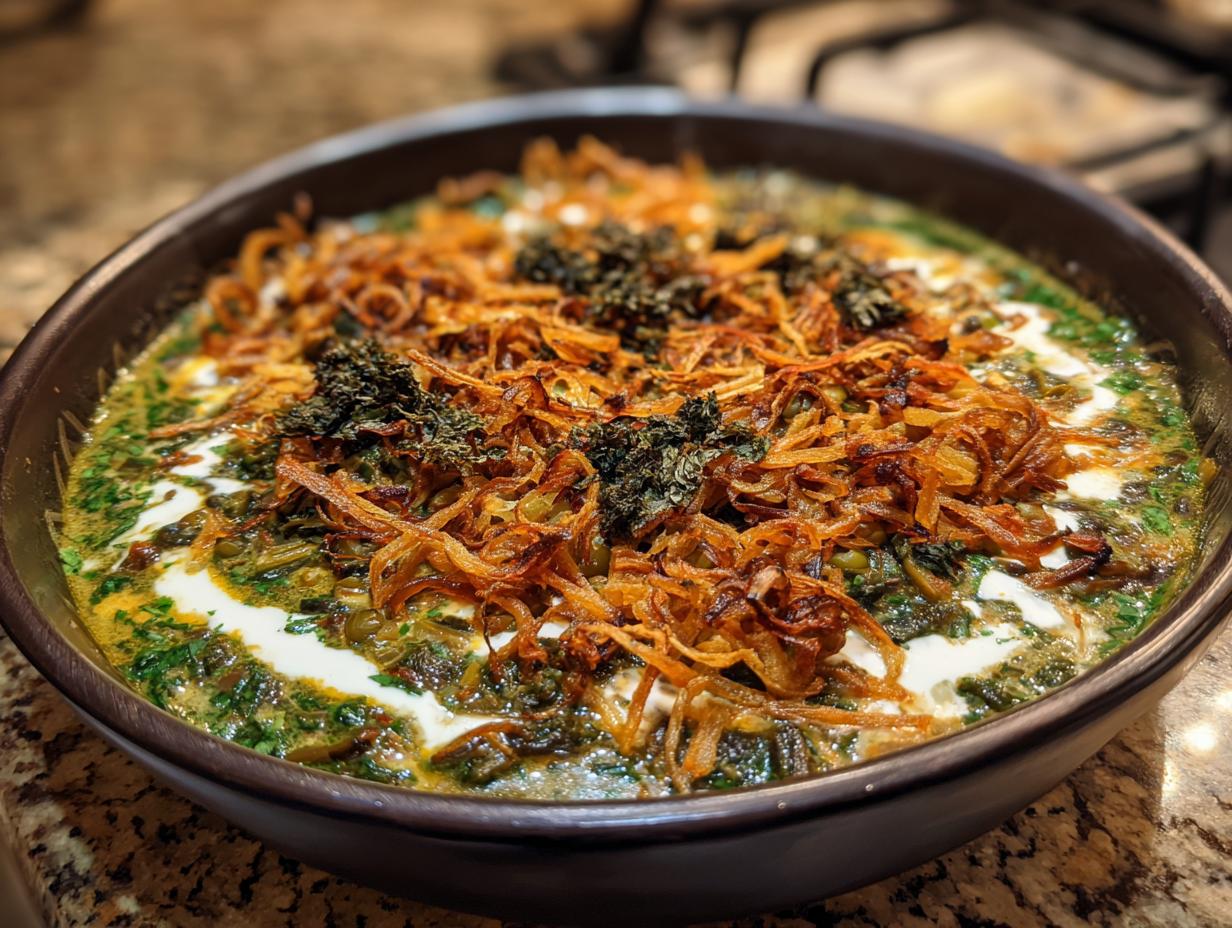
Listen, when the weather turns chilly or you just need a serious hug in a bowl, forget everything else. We’re talking about deep, soul-satisfying comfort food, and nothing hits that spot quite like Ash Reshteh. This isn’t just some thin broth; this is *the* authentic persian noodle soup—it’s hearty, it’s bursting with fresh, vibrant herbs, and loaded up with tender legumes. Trust me, coming from a background where I learned the discipline of restaurant kitchens but always cook with the heart of home, I’ve tested this recipe until it sings. We make sure every traditional layer of flavor is there, but we strip away all the fuss so you can bring this amazing traditional Persian comfort food right to your table without needing a culinary degree. If you want to know more about the journey behind these recipes, check out our story here.
- Why This Ash Reshteh Recipe is Your New Favorite Persian Noodle Soup
- Gathering Ingredients for Your Hearty Herb Noodle Soup
- How to Make Ash Reshteh: Step-by-Step Persian Noodle Soup Instructions
- Mastering the Toppings for Authentic Persian Noodle Soup
- Tips for Success When Cooking Your Persian Noodle Soup
- Storage and Reheating Instructions for Leftover Persian Noodle Soup
- Serving Suggestions for This Aromatic Persian Dish
- Frequently Asked Questions About Making Persian Noodle Soup
- Share Your Experience Making This Persian Noodle Soup
Why This Ash Reshteh Recipe is Your New Favorite Persian Noodle Soup
What makes this particular persian noodle soup recipe the one you’re going to stick with? It’s all about hitting that sweet spot between tradition and dinnertime reality. I promise you’ll get that incredible depth of flavor that takes days traditionally, but we’ve streamlined it. Plus, look how beautiful it turns out!
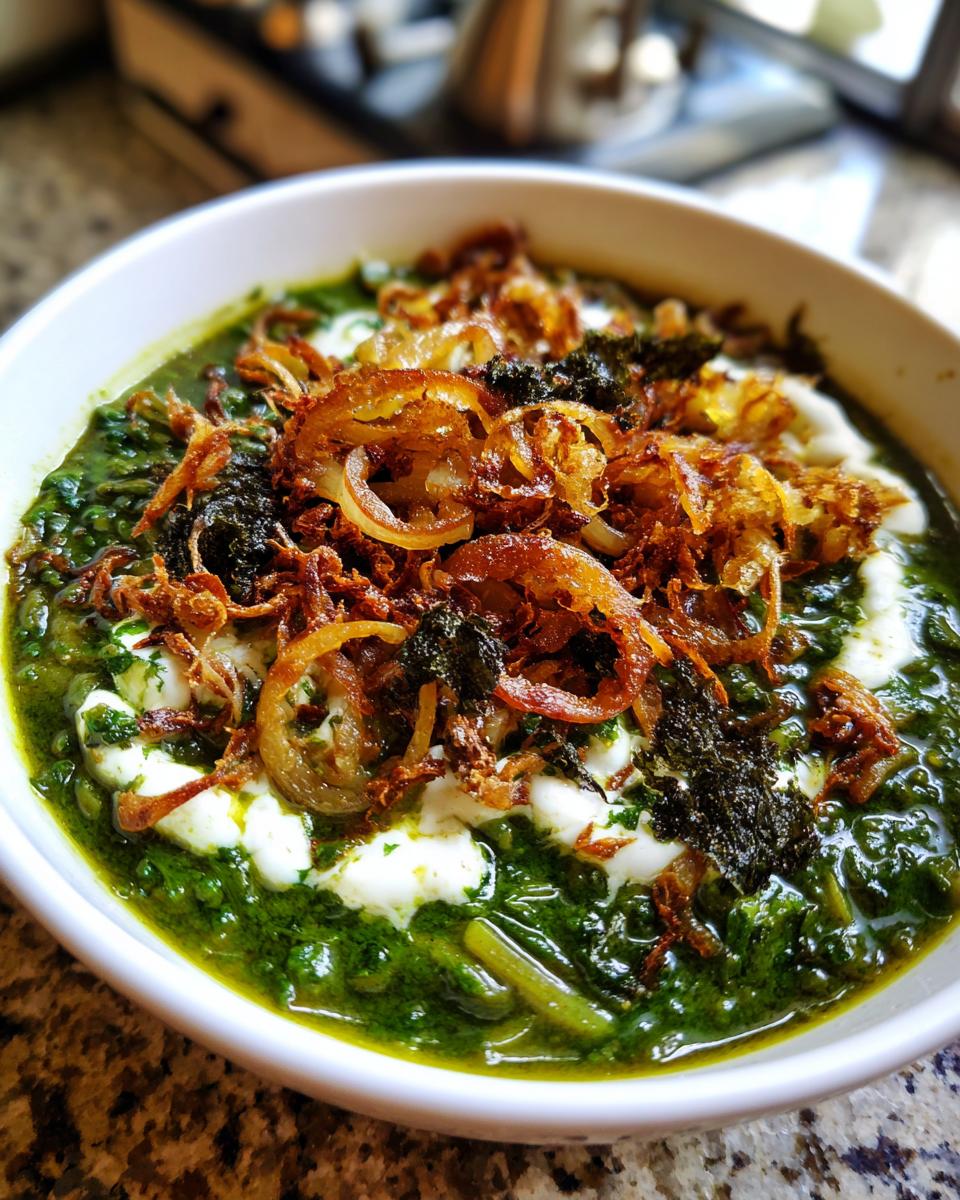
- It genuinely tastes like it simmered for ages, but it’s quicker than you think.
- It’s hearty enough to be a complete meal; no side dishes necessary!
- We nail that perfect balance of earthy legumes and bright fresh herbs.
Authentic Flavor Profile of This Persian Noodle Soup
The real magic comes from the aromatic base. We use specific dried spices like turmeric, mint, and savory—that’s what yells “Persian” to your tastebuds. This particular persian noodle soup, Ash Reshteh, is the ultimate comfort food, often served during celebrations like the Persian New Year. Layering these fragrant elements is non-negotiable for that true taste. It’s an intensely aromatic dish, no doubt!
Tips for a Truly Nourishing Legume Soup
This soup is packed with good stuff—lentils, chickpeas, beans—it’s basically a powerhouse meal. The best tip I can share about handling the legumes, which makes them lighter on the stomach, is to always soak your dried beans overnight. Seriously, set them out before you go to bed. If you forget, you absolutely can still make it, but soaking helps them cook evenly and makes them much easier to digest later.
Gathering Ingredients for Your Hearty Herb Noodle Soup
Okay, now that you’re excited, let’s talk about what you need to gather. This persian noodle soup relies on its massive cast of characters—the herbs, the beans, the noodles—to create that signature thick texture. Don’t try to skimp here; every single component builds the flavor layer by layer. Get yourself prepped, because this is where the real work starts!
Essential Legumes and Noodles for Persian Noodle Soup
You simply must prep your legumes ahead of time if you want flavorful, tender results in your persian noodle soup. That means your chickpeas, lentils, and kidney beans all need a good overnight soak. Drain and rinse them thoroughly before they ever see the cooking pot. Then there’s the star noodle herself: *reshteh*. These specific Persian noodles break down a bit to give our soup that incredible body. Soaking those beans overnight makes all the difference, trust me.
Ingredient Notes and Substitutions
Sourcing can sometimes be the hardest part of making international food, right? If you absolutely cannot find *reshteh* noodles, don’t panic! You can use thin egg noodles or even broken spaghetti in a pinch. They won’t have the *exact* texture, but they’ll work well enough for a weeknight attempt. Also, for the topping, *kashk* (that lovely, tangy Persian whey) is traditional. If you’re keeping this completely vegan, you can skip it, or search for a vegan kashk substitute online—it adds a necessary creamy bite you’ll miss!
How to Make Ash Reshteh: Step-by-Step Persian Noodle Soup Instructions
This is it, the main event! Making authentic persian noodle soup is really about layering your flavors correctly. We move from the slow-cooking legumes to getting that fantastic aromatic base going, and then bringing it all together in one spot. Don’t just rush through this; patience in these early stages is what makes the final bowl so rich and satisfying. If you check out this other recipe, you’ll see their method aligns with getting the proper foundation right, just like we are about to do!
Simmering the Base of Your Persian Noodle Soup
First things first, drain and rinse those soaked legumes we talked about—the chickpeas, lentils, and beans. Get them into your biggest pot and cover them with your broth. Crank the heat until it boils, then knock it down immediately to a gentle simmer. You’re cooking these until they are starting to get tender, which usually takes a solid hour to an hour and a half. Keep an eye on the top! You absolutely must skim off any grayish foam that floats up; that’s how you keep your final persian noodle soup clean and clear tasting.
Building Aromatic Depth
While those beans are chilling out, we build flavor on the side. Get a separate pan going with some oil and sauté your onion until it’s soft and sweet—no browning needed here. Next, toss in your garlic, the turmeric, dried mint, and savory. You just want to cook this mix for about sixty seconds until you can really smell those dried spices bloom. Trust me, cooking the spices separately like this really wakes up their flavor before they join the main pot.
Adding Greens and Noodles to the One Pot Persian Meal
Now, pour that fragrant little sauté right into your simmering legumes. Stir it up, and then toss in all your beautiful fresh herbs—parsley, cilantro, dill—and that spinach. Let that bubble away for a bit, and then it’s noodle time! Pour in your reshteh noodles. This is critical: stir these constantly for the first few minutes! The noodles love to stick to the bottom, turning our soup into a solid block if you walk away. As they cook down, they’ll thicken everything into the amazing texture of a true One Pot Persian Meal.
Mastering the Toppings for Authentic Persian Noodle Soup
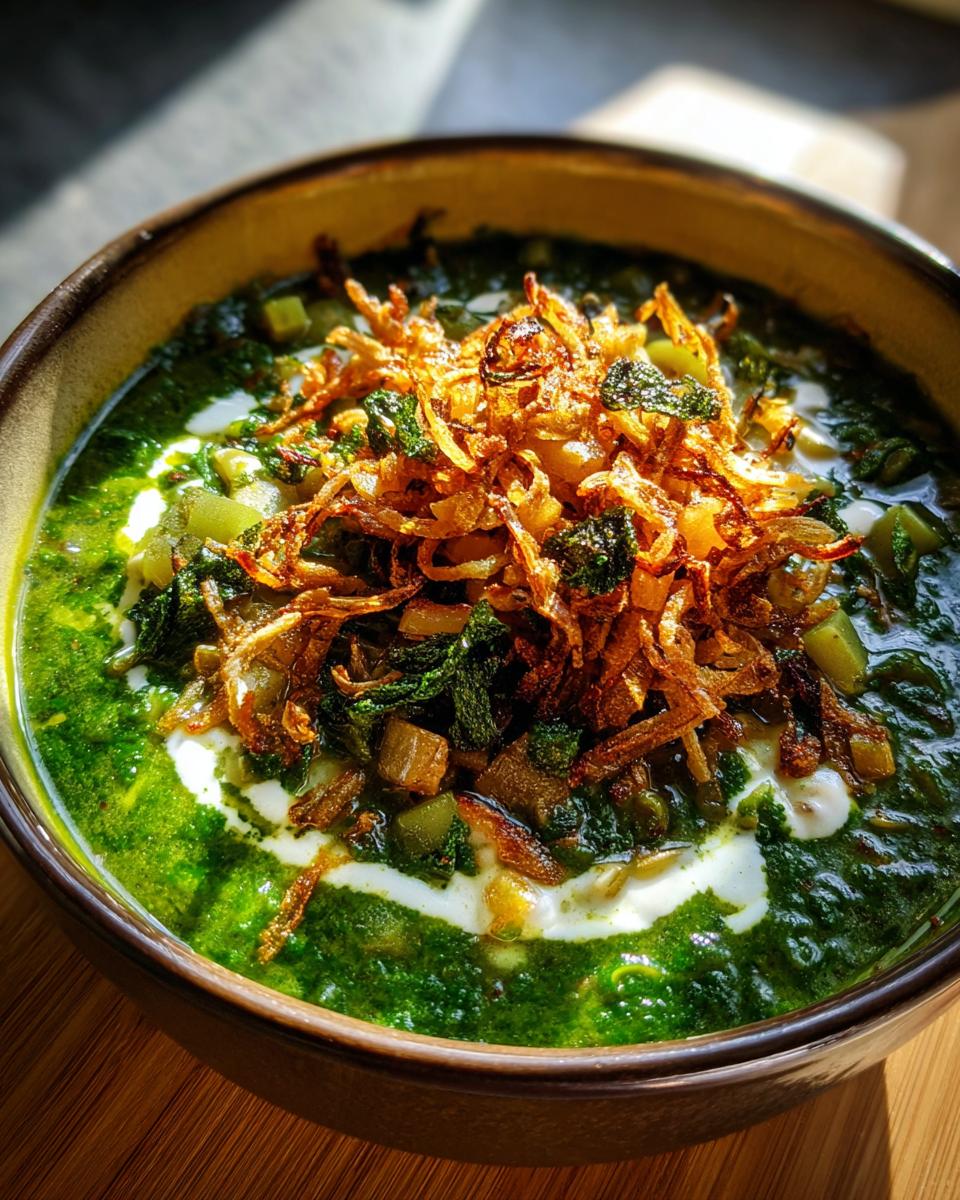
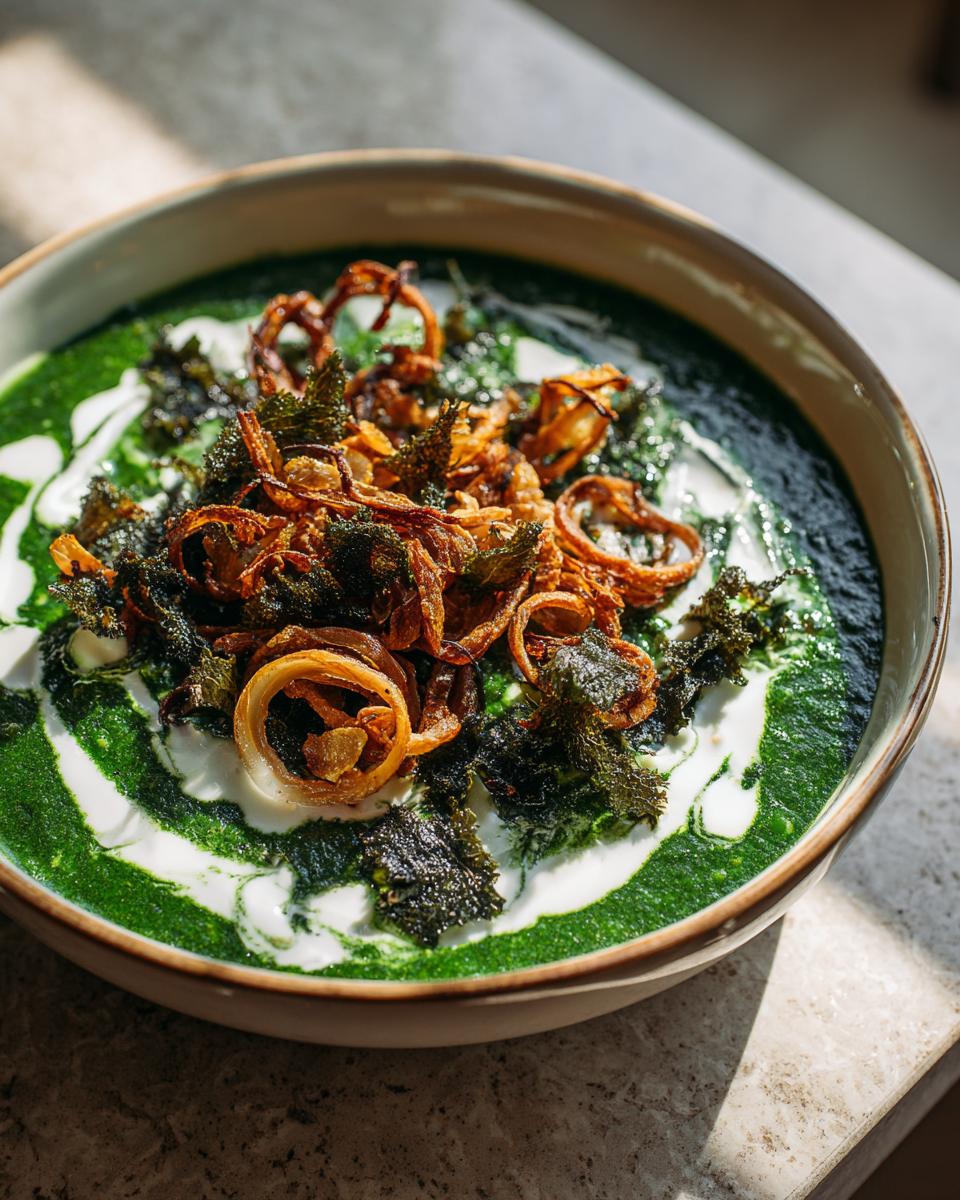
The soup itself is amazing, right? But listen, if you serve this persian noodle soup without the toppings, you’ve only done half the job. These final touches are absolutely non-negotiable if you want that authentic, restaurant-level experience. We only have three main stars here: the creamy punch of *kashk*, the crunch and sweetness of fried onions (*piyaz dagh*), and that bright, herbal hit of fried mint (*nana dagh*). They create an amazing contrast against the earthy soup base. If you need a deeper dive into how these flavors come together, definitely check out the guide on authentic preparation!
Piyaz Dagh and Nana Dagh Preparation
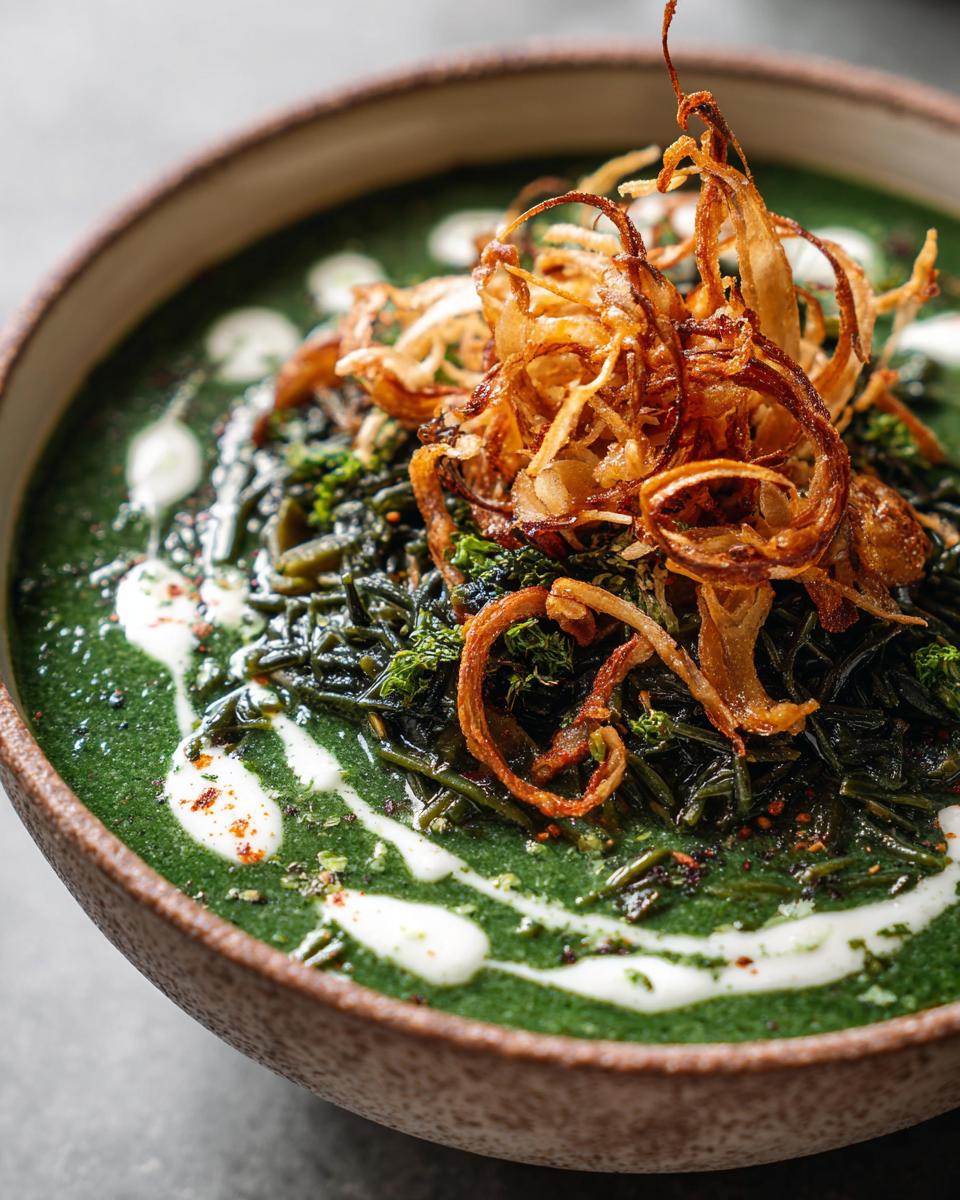
Okay, the fried onions, or *piyaz dagh*, are basically thinly sliced onions fried slowly until they are deeply golden and sweet—they add an amazing texture that cuts through all that soft legume goodness. Then we have *nana dagh*, which is dried mint briefly fried in oil until fragrant. You have to be super careful there; burnt mint tastes bitter! The fresh, almost sharp mint flavor lifts the whole soup right up. The best part? You can make big batches of both of these fried toppings way ahead of time and keep them ready for whenever you crave this comfort food.
Tips for Success When Cooking Your Persian Noodle Soup
Making this incredible persian noodle soup is totally achievable, but there are a couple of spots where home cooks often run into trouble, usually because they rush the process. First, remember when those noodles go in? Stir, stir, stir! If you don’t keep things moving for those first ten minutes, you’ll end up scraping a giant burnt noodle-pancake off the bottom of your pot. Total bummer!
Second, seasoning! This soup is a marathon, not a sprint. You have to season it in layers. When you add the herbs, taste it. When the noodles are almost done, taste it again. It needs a lot more salt and pepper than you think because it’s such a huge volume of herbs and starches soaking up the flavor. Don’t be shy with the finishing salt! For more authentic cooking perspective, I always appreciate the tips found over at Cooking With Ayeh.
Storage and Reheating Instructions for Leftover Persian Noodle Soup
Okay, so this persian noodle soup usually tastes even better the next day, but you need to know what happens to it overnight! Because those starches from the *reshteh* noodles and the legumes keep soaking up liquid, the soup gets incredibly thick, almost like a soft stew in the fridge. Don’t worry, though. When you reheat it, you absolutely must stir in some extra broth or even just water until you bring it back to that nice, spoonable soup consistency you loved yesterday. It’s the only way to revive it perfectly!
Serving Suggestions for This Aromatic Persian Dish
Since this Ash Reshteh is such a wonderfully hearty meal on its own, you don’t need heavy sides. I usually just serve it with some fresh herbs like green onions or radishes on the side for crunch—it’s like a crunchy palate cleanser between spoonfuls. A light Persian yogurt drink, called *Doogh*, is fantastic if you want a beverage pairing. It is cool and slightly tangy, which is the perfect cut against all those rich herbs and pulses in the soup!
Frequently Asked Questions About Making Persian Noodle Soup
I know that tackling a big, traditional recipe like this persian noodle soup sometimes brings up lots of little questions. That’s totally fine! We’ve answered the big ones below to make sure your results are fantastic. If you have privacy concerns after browsing, you can check out our policy here, but for now, let’s talk cooking!
Can I make this Persian Noodle Soup completely vegan?
Oh yes, absolutely! You can easily adapt this Ash Reshteh Recipe to be vegan. Just use vegetable broth from the start, and for the topping, either skip the kashk or find a lovely vegan kashk alternative. It still keeps that incredible flavor profile of a Vegetarian Noodle Soup Middle Eastern style dish.
How long does the soaking process for the legumes really take?
For the best, most tender results in your persian noodle soup, overnight soaking is truly what I recommend—that means about 8 to 12 hours for the chickpeas, lentils, and beans. If you’re in a rush and can only manage a quick soak, say 4 hours, just know you need to seriously increase that initial simmering time on the stovetop!
Share Your Experience Making This Persian Noodle Soup
So, you’ve made it! You’ve created a steaming, aromatic bowl of nourishing persian noodle soup. Now, I really want to hear about it! Please take a moment to leave a star rating below and tell me how it turned out—did you nail the toppings? Did you get compliments? If you snapped a picture, share it with me by using the contact form here, or tag me online. I love seeing your success stories, just like the great results others achieved with this soup recipe!
PrintAuthentic Ash Reshteh (Persian Noodle Soup)

Make a hearty, comforting bowl of Ash Reshteh, the traditional Persian noodle soup packed with fresh herbs, legumes, and savory spices. This one-pot meal is perfect for a nourishing dinner.
- Prep Time: 30 min
- Cook Time: 2 hours
- Total Time: 2 hours 30 min
- Yield: 6 servings 1x
- Category: Soup
- Method: Stovetop Simmering
- Cuisine: Persian
- Diet: Vegetarian
Ingredients
- 1 cup dried chickpeas, soaked overnight
- 1 cup dried red or brown lentils, soaked overnight
- 1 cup dried kidney beans, soaked overnight
- 1 large onion, chopped
- 3 cloves garlic, minced
- 1 tablespoon turmeric powder
- 1 teaspoon dried mint
- 1 teaspoon dried savory (or marjoram)
- 1/2 cup chopped fresh parsley
- 1 cup chopped fresh cilantro
- 1 cup chopped fresh dill
- 1 cup chopped fresh spinach or other leafy greens
- 8 ounces reshteh noodles (or thin egg noodles if reshteh is unavailable)
- 6 cups vegetable or chicken broth
- Salt and black pepper to taste
- For topping: Kashk (Persian whey), fried onions (piyaz dagh), and fried mint (nana dagh)
Instructions
- Drain and rinse the soaked chickpeas, lentils, and beans. Place them in a large pot with the broth. Bring to a boil, then reduce heat and simmer until partially tender, about 1 to 1.5 hours. Skim off any foam that rises.
- While the legumes cook, sauté the chopped onion in a separate pan with a little oil until soft. Add the minced garlic, turmeric, dried mint, and savory. Cook for 1 minute until fragrant.
- Add the sautéed onion mixture to the pot with the simmering legumes. Stir well.
- Add the chopped fresh parsley, cilantro, dill, and spinach/greens to the pot. Continue to simmer.
- Add the reshteh noodles to the soup. Cook according to package directions, usually about 10 to 15 minutes, stirring occasionally to prevent sticking. The soup will thicken considerably.
- Season the soup generously with salt and pepper. Taste and adjust seasonings as needed. Simmer for another 10 minutes to allow flavors to meld.
- Serve the Ash Reshteh hot. Top each bowl with a swirl of kashk, a sprinkle of fried onions, and a drizzle of fried mint.
Notes
- For a vegetarian or vegan version, use vegetable broth and omit the kashk topping, or use a vegan kashk substitute.
- Soaking the legumes overnight reduces cooking time significantly. If you skip soaking, increase the initial simmering time.
- You can prepare the fried onions (piyaz dagh) and fried mint (nana dagh) ahead of time for quick assembly.
Nutrition
- Serving Size: 1 bowl
- Calories: 450
- Sugar: 8
- Sodium: 650
- Fat: 12
- Saturated Fat: 2
- Unsaturated Fat: 10
- Trans Fat: 0
- Carbohydrates: 70
- Fiber: 18
- Protein: 25
- Cholesterol: 5