

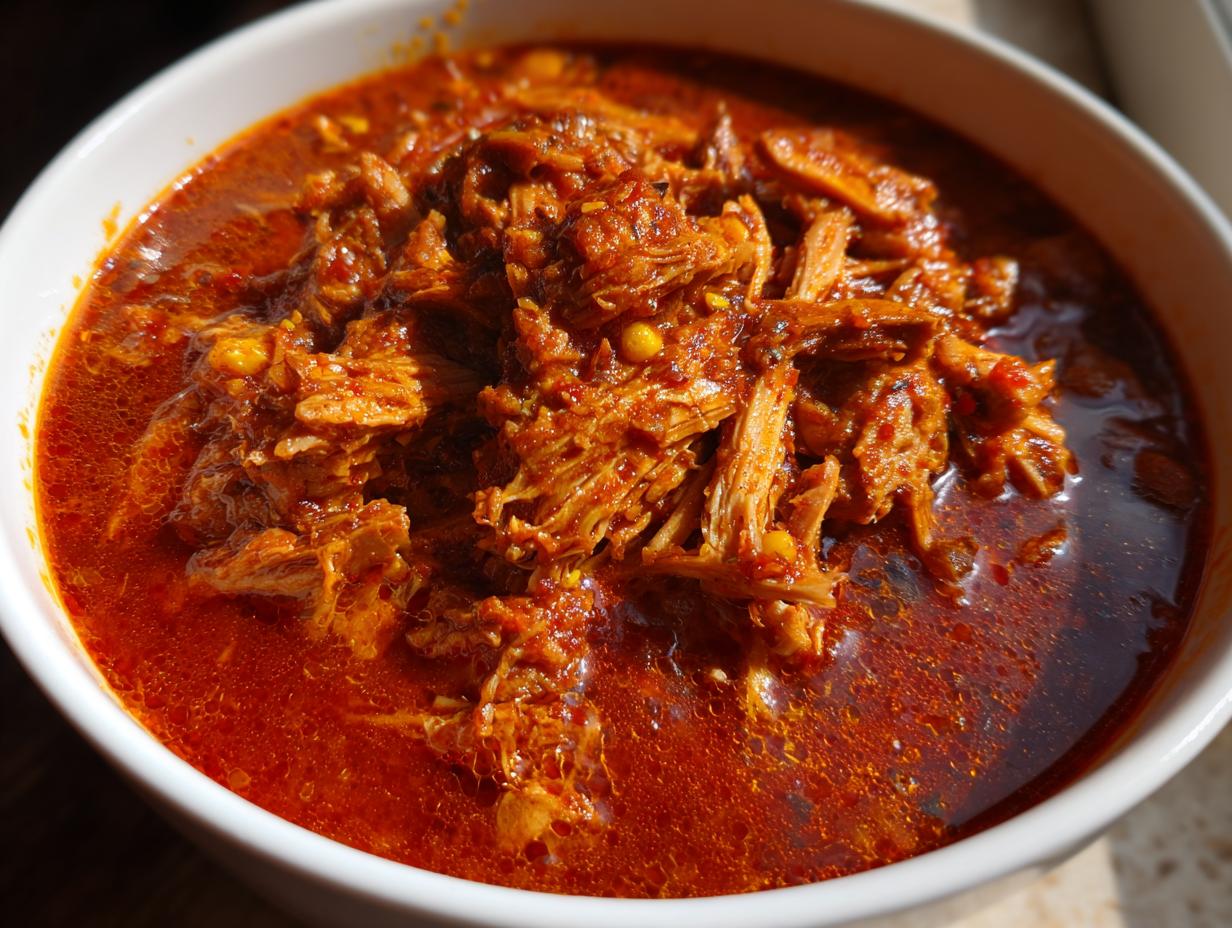
There is genuinely nothing better than gathering folks around a huge, steaming hot pot when the weather turns cold. If you are planning a big family dinner or maybe even your own Noche Buena celebration, skip the fussy fuss and make this Pozole rojo. I promise you, this authentic recipe delivers the deepest, richest chile flavor you can imagine because we’re building it right, just like the people who perfected it. Cooking food steeped in tradition, like this classic holiday soup, connects us directly to the people who made it famous generations ago. That’s the kind of cooking Julian Maxwell lives for—food that tells a story and warms the soul. You can learn more about why we cook with this intentionality over on our About Page.
- Why This Pozole Rojo Recipe Connects to Tradition
- Ingredients for Authentic Pozole Rojo
- Preparing the Pork and Creating the Base Broth for Pozole Rojo
- Mastering the Red Chile Sauce for Your Pozole Rojo Recipe
- Combining Components for the Final Pozole Rojo Stew
- Tips for Success When Making Pozole Rojo
- Serving Suggestions and Garnish Rituals for Pozole Rojo
- Storage and Reheating Instructions for Leftover Pozole Rojo
- Frequently Asked Questions About This Pozole Rojo Recipe
Why This Pozole Rojo Recipe Connects to Tradition
When I think about making a true Christmas Eve pozole, I picture a huge pot bubbling away for hours, filling the whole house with this incredible, earthy red chile aroma. It’s more than just dinner; it’s the centerpiece of celebration on Noche Buena! This isn’t some quick weeknight meal; this is the kind of soul-satisfying Mexican hominy stew that demands patience and rewards you tenfold.
The magic of this dish—the long simmer, the deep color from the guajillos and anchos—honors the ancient preparation methods that respected every ingredient. By taking the time to toast and strain those chiles just right, we are respecting the heritage behind the bowl. It’s warmth, it’s community, and it honestly feels like a hug from someone you love.
Ingredients for Authentic Pozole Rojo
When you are stocking up for this showstopper, grab the freshest ingredients you can find. Remember, we aren’t hiding anything here; everything matters! I always lay everything out on the counter before I start anything else. It just helps keep the process smooth so we don’t forget that crucial pinch of oregano.
- 3 lbs pork shoulder, cut into 2-inch chunks
- 1 large white onion, halved
- 4 cloves garlic, peeled
- 1 tablespoon salt
- 1 teaspoon dried Mexican oregano
- 1 (29 ounce) can white hominy, drained and rinsed
- 12 dried guajillo chiles, stems and seeds removed
- 4 dried ancho chiles, stems and seeds removed
- 4 cups water, for soaking chiles
- 2 cups reserved pork cooking liquid
- 1 teaspoon ground cumin
- 1/2 teaspoon black pepper
- Garnish: shredded cabbage or lettuce, sliced radishes, chopped white onion, lime wedges, dried oregano
Here’s my little chef secret: the quality of your dried chiles dictates the color and richness of your final pozole rojo. Don’t buy those dusty old chiles sitting forgotten on the bottom shelf! You want chiles that are pliable and fragrant for that deep, beautiful brick-red color we are looking for.
Preparing the Pork and Creating the Base Broth for Pozole Rojo
Okay, this first stage is where we build the flavor foundation for the perfect pork and red chile soup. Think of this as the act of patience that pays off! We toss the pork shoulder chunks right into the big pot with that halved onion, garlic, salt, and the oregano. Cover it all with water and bring it up to a boil. As soon as it starts bubbling, you must skim off any gross-looking foam that rises to the top. Trust me, you want that out!
Then, we drop the heat way down and let it just chill out and simmer. This is the longest part—we need that pork meltingly tender, which takes a good hour and a half, maybe two. I remember the first few times I made this, I kept trying to rush it, turning the heat up, but my auntie grabbed my wrist and told me, “Relax, this stew knows when you’re impatient.” She was right! Slow and low is the only path to juicy meat.
Shredding the Pork and Reserving the Liquid
Once the pork is fork-tender, pull those beautiful pieces out of the liquid and shred them up—two forks work great for this. Now, don’t just toss that cooking liquid! That broth is pure gold; it’s got all that pork goodness and seasoning locked inside. You MUST strain the broth really well now. We only need 2 cups of that liquid specifically for the chile sauce later on, so measure that out carefully and set it aside. The rest of the broth goes back into the pot to keep the shredded pork ready for its big moment.
Mastering the Red Chile Sauce for Your Pozole Rojo Recipe
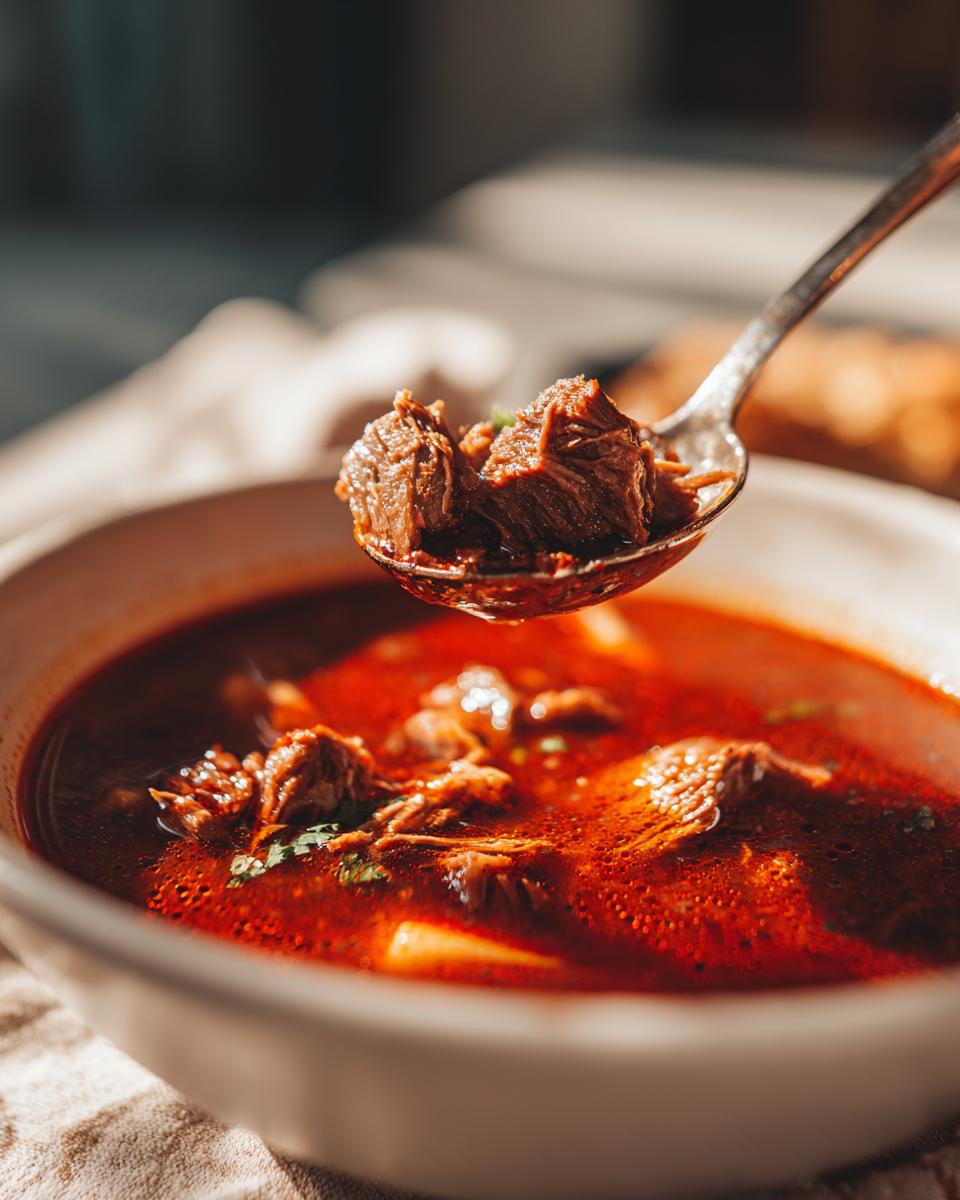
Alright, this next stage is where the magic happens and we transform those simple dried peppers into the soul of our Pozole rojo recipe. We’re dealing with Steps 3 and 4 here, so put your game face on because this pulp is where the deep red color comes from, and we want it smooth as silk!
First, we bring those guajillo and ancho chiles to a gentle simmer in a saucepan just until they get nice and soft—about 15 minutes. Don’t boil them aggressively; we just want them plumped up and ready to break down. Drain those soft sweeties, but save that warm soaking water, because we are going to use some of it!
Toss the softened chiles into your blender with exactly 2 cups of that gorgeous reserved pork liquid we saved earlier, cumin, and pepper. Blend that mixture until your blender starts complaining! Seriously, keep going until it looks as uniform as possible. Now, here is the most important technique: straining. You absolutely must strain this sauce through a fine-mesh sieve over a clean pot. Push every bit of liquid through—don’t be shy! If you skip this, your pozole rojo will have a grainy texture, and we want perfection.
Blending and Straining for Smoothness
When you strain, really work that pulp—use the back of a ladle or a small rubber spatula to press hard. You’re extracting all that concentrated flavor and color! If you are feeling bold—and remember this tip from the notes—toss in two of those dried árbol chiles when you soak them if you want a serious kick in your stew. Don’t feel bad if you have some thick stuff left in the sieve; that’s the fibrous bit we toss because we want the silkiness in our final pozole rojo base!
Combining Components for the Final Pozole Rojo Stew
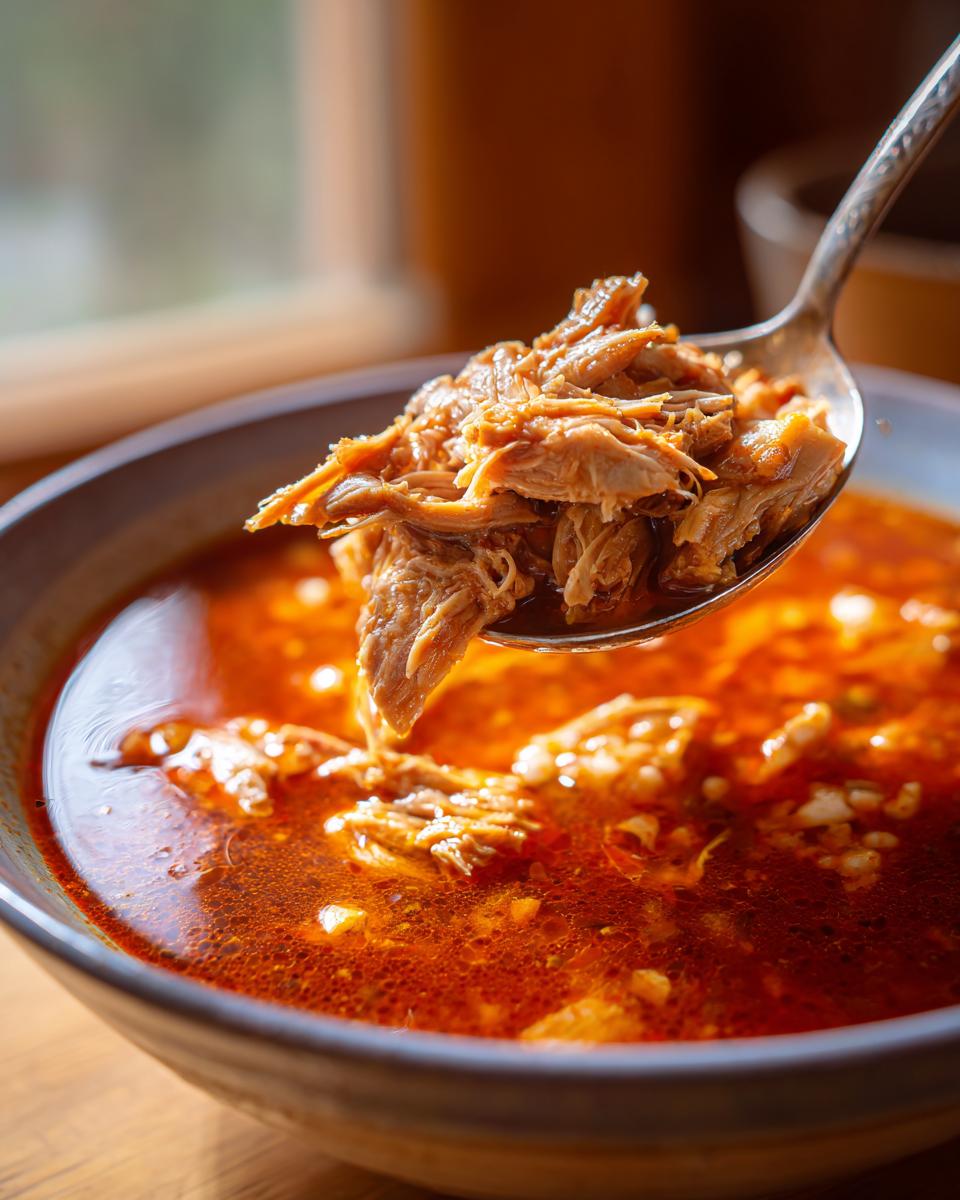
We are so close to serving this amazing Christmas Eve pozole! Now that we have our beautiful, silky red sauce, it’s time to bring everything together. Take that strained chile sauce and dump in the shredded pork and the drained hominy. You’ll notice it’s probably a little thick right now, more like a paste than a stew, and that’s okay!
This is where that extra reserved pork broth comes in handy. Slowly stir in the remaining broth until you reach the consistency that makes your heart happy. Do you like it soupy? Add more broth. Do you like it thick and chunky? Use less! Pour in just enough until it looks perfect in the pot.
Once everything is united, it needs one last, crucial simmer. Turn the heat down low—we want just a gentle, slow bubble, not a rolling boil—and let it cook for a solid 30 minutes. This quiet time is where the pork, the hominy, and that gorgeous red chile sauce actually get to know each other and become one spectacular flavor. Taste it then, too—it might need just a touch more salt to really wake everything up!
Tips for Success When Making Pozole Rojo
Making this amazing pozole rojo consistently delicious comes down to a few little habits I picked up over the years. Don’t sweat it too much, but do pay attention to these crucial flavor boosts! If you happen to be short on pork shoulder, you can totally sub in pork butt or even use a mix of pork and a ham hock for a saltier simmer. The key is keeping that slow cook time so the meat breaks down.
My absolute favorite cheat—that isn’t really cheating—is what I mentioned in the notes: lightly toasting the dried chiles **before** you soak them. Just put them in a dry, hot skillet for about 30 seconds per side until you can really smell them. Be quick; burnt chiles turn bitter fast! That little extra step wakes up the flavor oils and makes your final pork and red chile soup taste like it cooked all day.
Serving Suggestions and Garnish Rituals for Pozole Rojo
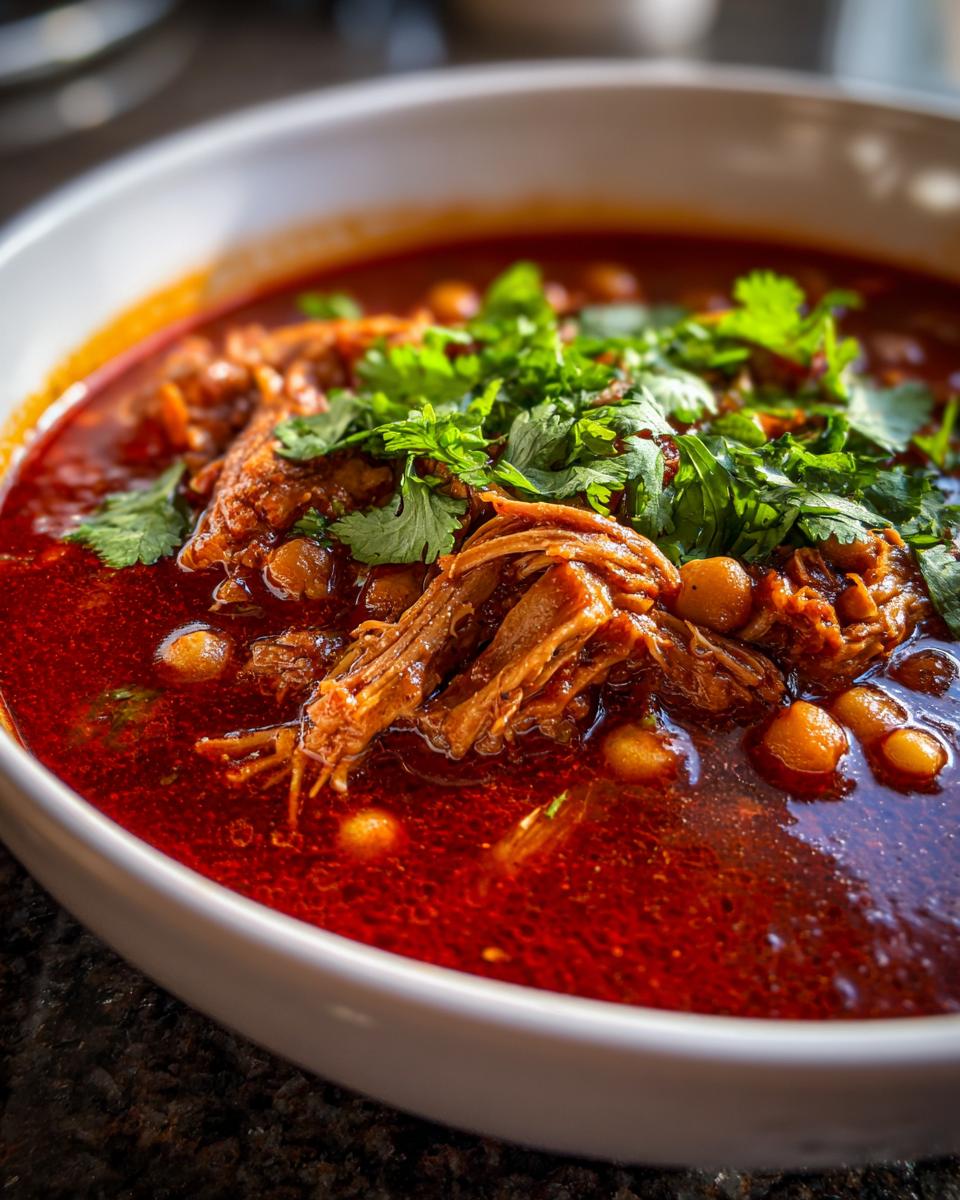
This is my absolute favorite part of making this dish! Getting the Mexican hominy stew ready is one thing, but making the serving experience a ritual? That’s what makes it feel like a proper holiday feast. When this pozole rojo is done simmering, you want to ladle those hot bowls of stew onto the table while keeping all the garnishes separate. Seriously, don’t mix them in!).
The whole point is customization! Everyone gets to treat their bowl like their own little canvas. It’s empowering! Set out small bowls filled with all the fresh, crunchy toppings we prepared. It adds texture, cuts through the richness of the chile, and frankly, it just looks beautiful seeing all those bright colors next to the deep red stew.
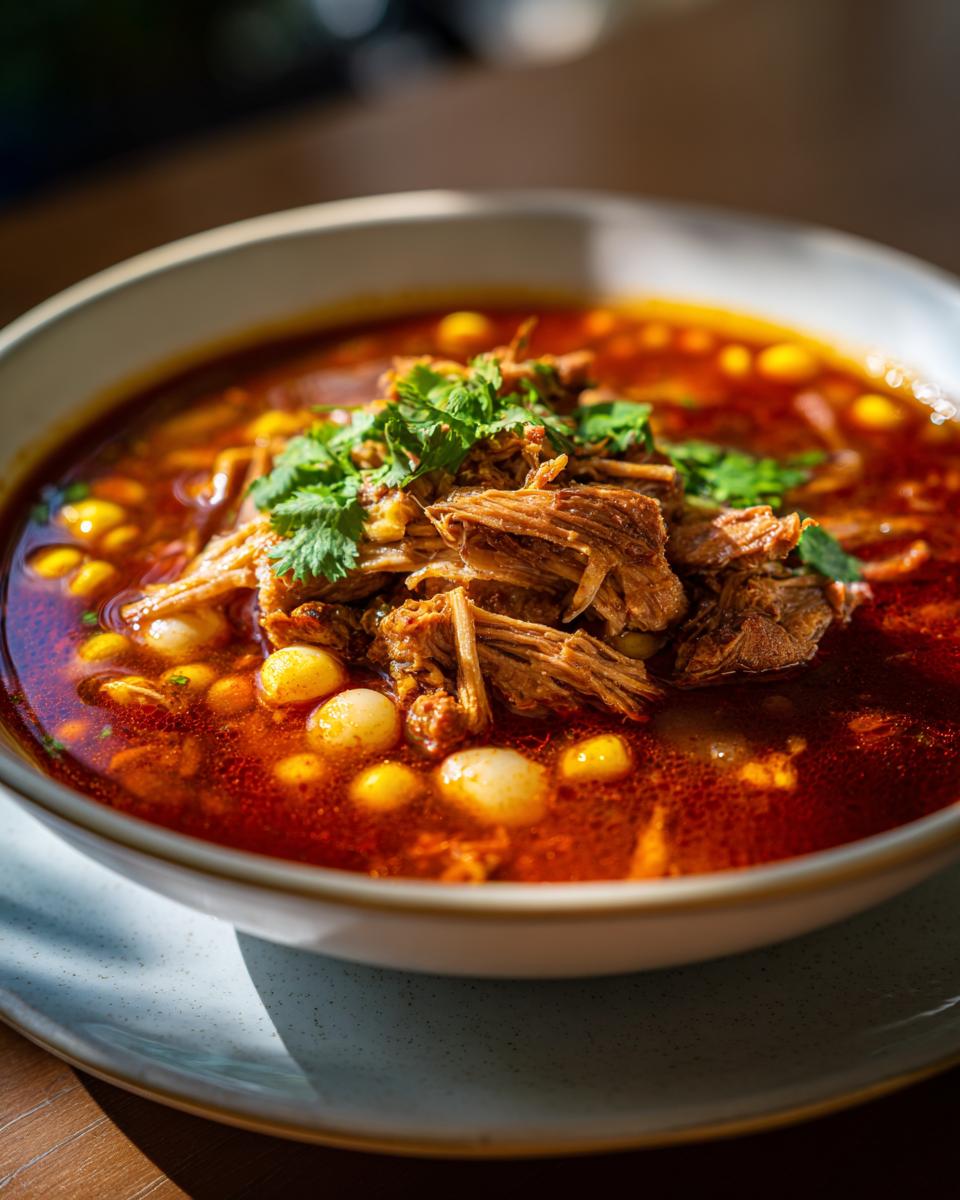
Make sure everyone gets a chance to top their bowl how *they* like it. Here are the essentials that have to be on the table:
- Shredded cabbage or maybe some crisp lettuce if that’s what you prefer
- Thinly sliced radishes—those little spicy pops are required!
- Finely chopped white onion for that sharp bite
- Fresh lime wedges—don’t skip the squeeze of acid!
- A little extra dried oregano that guests can sprinkle on top just before eating
When everyone starts garnishing, you know the party has officially started. It’s a shared experience, and that’s what cooking is all about!
Storage and Reheating Instructions for Leftover Pozole Rojo
Now, how do we deal with the inevitable leftovers of this glorious pozole rojo? Honestly, it tastes even better the next day, so make extra! You want to cool the stew down completely before you put it away. Store the rich broth and the pork/hominy base in one sealed container in the fridge. Those fresh garnishes—the radishes and lime—absolutely must go into separate little containers; they just won’t keep well sitting in the liquid.
When you reheat it later, do it gently on the stovetop. Don’t blast it on high heat; we need a slow, steady warm-up. This keeps that beautiful shredded pork from getting tough. If it seems too thick the next day, just splash in a little water or extra broth as it heats up. Easy peasy!
Frequently Asked Questions About This Pozole Rojo Recipe
Questions always pop up when you are dealing with a big, traditional dish like this, and that’s totally fine! I’ve run into every little snag imaginable while testing this, so let’s knock out the most common things that come up when making a hearty Mexican hominy stew.
Can I use chicken instead of pork in this Pozole Rojo?
Oh, absolutely you can! While this recipe is truly built around the richness of pork, using chicken thighs or whole chicken breasts works beautifully for a lighter version. Just know that when you use chicken, the resulting broth won’t have that deep, porky base flavor that makes our pork and red chile soup so incredibly robust. You might need to add a bit more seasoning to the broth base to compensate for that missing depth!
What kind of hominy is best for this stew?
For speed and convenience, I used canned white hominy that you just drain and rinse, which is what the recipe calls for. It softens up perfectly during that final simmer! Now, if you want to go full-on traditional and flex those culinary muscles, you can absolutely use dried, nixtamalized hominy kernels. Just be warned: dried hominy usually requires boiling separately for a few hours until they pop open nicely before you even think about adding them to the chile sauce!
How do I make the chile sauce spicier?
That’s an easy fix! If you want more heat without losing the beautiful flavor from the guajillos, you need to introduce some spicy peppers. I mentioned this in the notes, but when you soak your guajillo and ancho chiles, toss in two or three dried chile de árbol peppers along with them. They are tiny firecrackers! Alternatively, if you want to adjust the heat right at the end, just stir in a few dashes of your favorite bottled hot sauce during that final 30-minute simmer. A few drops can go a long way!
If you ever check out our Privacy Policy, you’ll see we are all about transparency, and that goes for cooking, too! Don’t ever feel bad about making a recipe your own.
PrintAuthentic Pozole Rojo with Pork

Make a traditional Mexican hominy stew featuring tender pork simmered in a rich, deep red chile broth, perfect for celebrations.
- Prep Time: 30 min
- Cook Time: 2 hr 30 min
- Total Time: 3 hr 0 min
- Yield: 6 servings 1x
- Category: Main Dish
- Method: Simmering
- Cuisine: Mexican
- Diet: Gluten Free
Ingredients
- 3 lbs pork shoulder, cut into 2-inch chunks
- 1 large white onion, halved
- 4 cloves garlic, peeled
- 1 tablespoon salt
- 1 teaspoon dried Mexican oregano
- 1 (29 ounce) can white hominy, drained and rinsed
- 12 dried guajillo chiles, stems and seeds removed
- 4 dried ancho chiles, stems and seeds removed
- 4 cups water, for soaking chiles
- 2 cups reserved pork cooking liquid
- 1 teaspoon ground cumin
- 1/2 teaspoon black pepper
- Garnish: shredded cabbage or lettuce, sliced radishes, chopped white onion, lime wedges, dried oregano
Instructions
- Place the pork shoulder, half onion, 4 cloves garlic, salt, and oregano in a large pot. Cover with water. Bring to a boil, then reduce heat and simmer until the pork is very tender, about 1.5 to 2 hours. Skim off any foam that rises.
- Remove the pork from the broth and shred it using two forks. Strain the broth and reserve 2 cups for the chile sauce. Discard the solids. Set the shredded pork aside.
- Place the dried guajillo and ancho chiles in a saucepan. Cover with 4 cups of fresh water and bring to a simmer. Cook for 15 minutes until soft. Drain the chiles, reserving the soaking water.
- Place the softened chiles in a blender with 2 cups of the reserved pork cooking liquid, cumin, and pepper. Blend until completely smooth. Strain the chile sauce through a fine-mesh sieve into a clean pot, pressing down on the solids to extract all liquid. Discard the solids left in the sieve.
- Add the shredded pork and the drained hominy to the strained chile sauce. Add enough of the remaining reserved pork broth to achieve your desired stew consistency.
- Simmer the pozole gently for 30 minutes, allowing the flavors to combine. Taste and adjust salt if needed.
- Serve hot. Place garnishes like cabbage, radishes, onion, lime, and oregano on the table so each person can customize their bowl.
Notes
- For a deeper red color, you can add 2 dried árbol chiles to the soaking chiles, but reduce the quantity if you prefer less heat.
- If you do not have time to soak the chiles, you can toast them lightly in a dry skillet before soaking to deepen their flavor.
- The pork cooking liquid is essential for the stew’s base flavor. Do not discard it.
Nutrition
- Serving Size: 1.5 cups
- Calories: 450
- Sugar: 5
- Sodium: 650
- Fat: 20
- Saturated Fat: 7
- Unsaturated Fat: 13
- Trans Fat: 0
- Carbohydrates: 35
- Fiber: 8
- Protein: 38
- Cholesterol: 90