

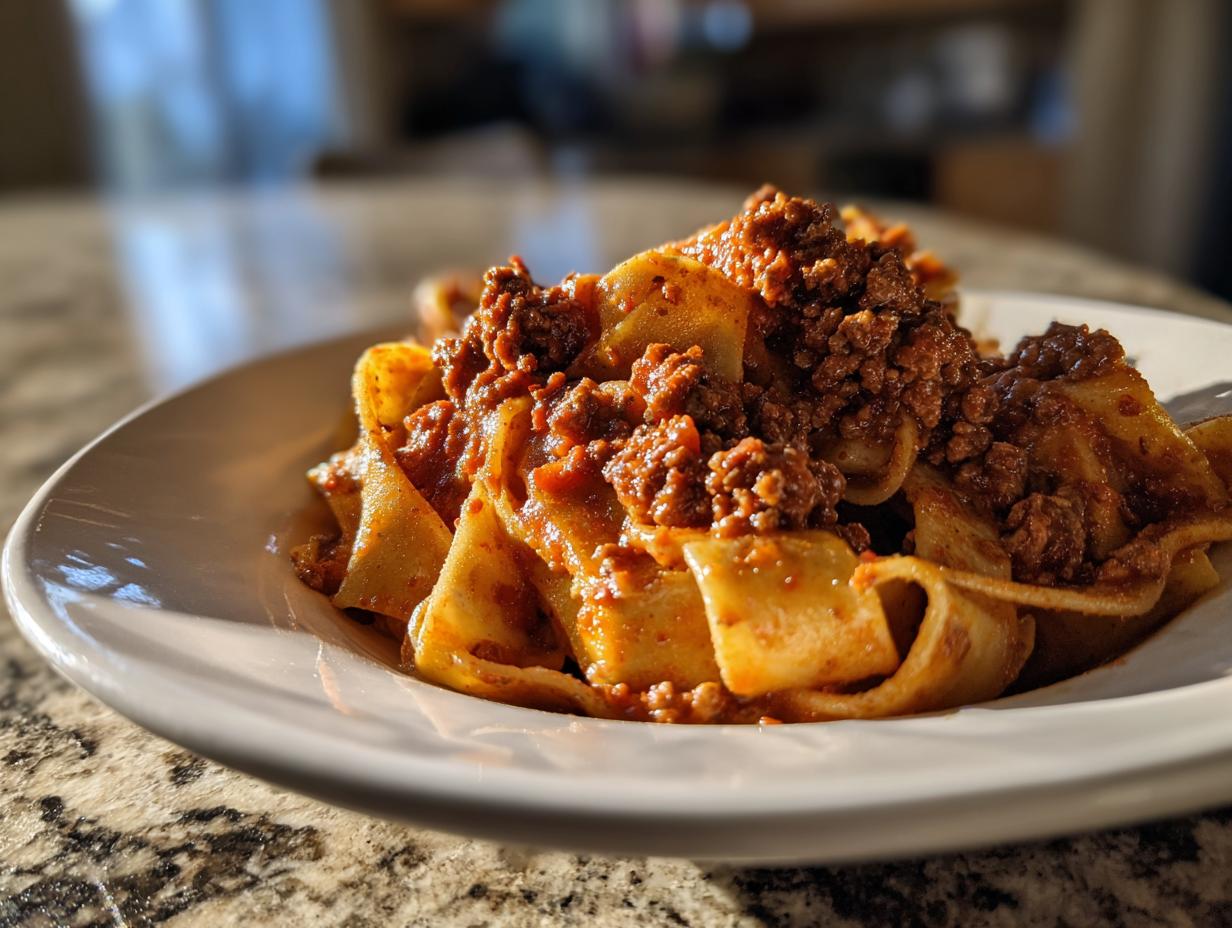
There’s just nothing that wraps you in comfort like the smell of something rich and savory simmering on the stove for hours. That deep, familiar aroma is the very soul of Sunday dinner, and it’s exactly what you get with this Authentic Slow-Simmered Bolognese Sauce. When I set out on my culinary explorations after working in professional kitchens, I knew I had to capture the true essence of the greatest comfort food—the bolognese sauce my family loved. This isn’t just a quick weeknight topping; this recipe, which I refined over years, balances beef, pork, milk, and wine to create a depth of flavor that truly stands apart. Trust me, this labor of love is worth every single minute it spends bubbling gently.
- Why This Authentic Bolognese Sauce Stands Apart
- Gathering Ingredients for Your Bolognese Sauce
- How to Make Bolognese Sauce: Step-by-Step
- Tips for Perfect Bolognese Sauce Success
- Serving Suggestions for Your Homemade Ragu Recipe
- Storage and Reheating Instructions for Bolognese Sauce
- Frequently Asked Questions About Bolognese Sauce
- Nutritional Estimates for This Comfort Food Pasta Sauce
- Share Your Authentic Bolognese Sauce Experience
Why This Authentic Bolognese Sauce Stands Apart
When people search for the best pasta sauce recipes, they often think of heavy tomato sauces. But a true bolognese sauce isn’t just about tomatoes; it’s about complexity built layer by layer. I won’t even try to rush this process, because the techniques used here are what separate a good dinner from something truly exceptional.
Here’s why this recipe creates one of the richest sauces on my blog:
- It uses three types of meat—pancetta, beef, and pork—creating an unmatched succulent base.
- We incorporate acidic wine *and* whole milk, which are non-negotiable steps for true Italian technique.
- The commitment to a long simmer time means every ingredient marries perfectly.
The Secret to a Rich Beef Pork Sauce
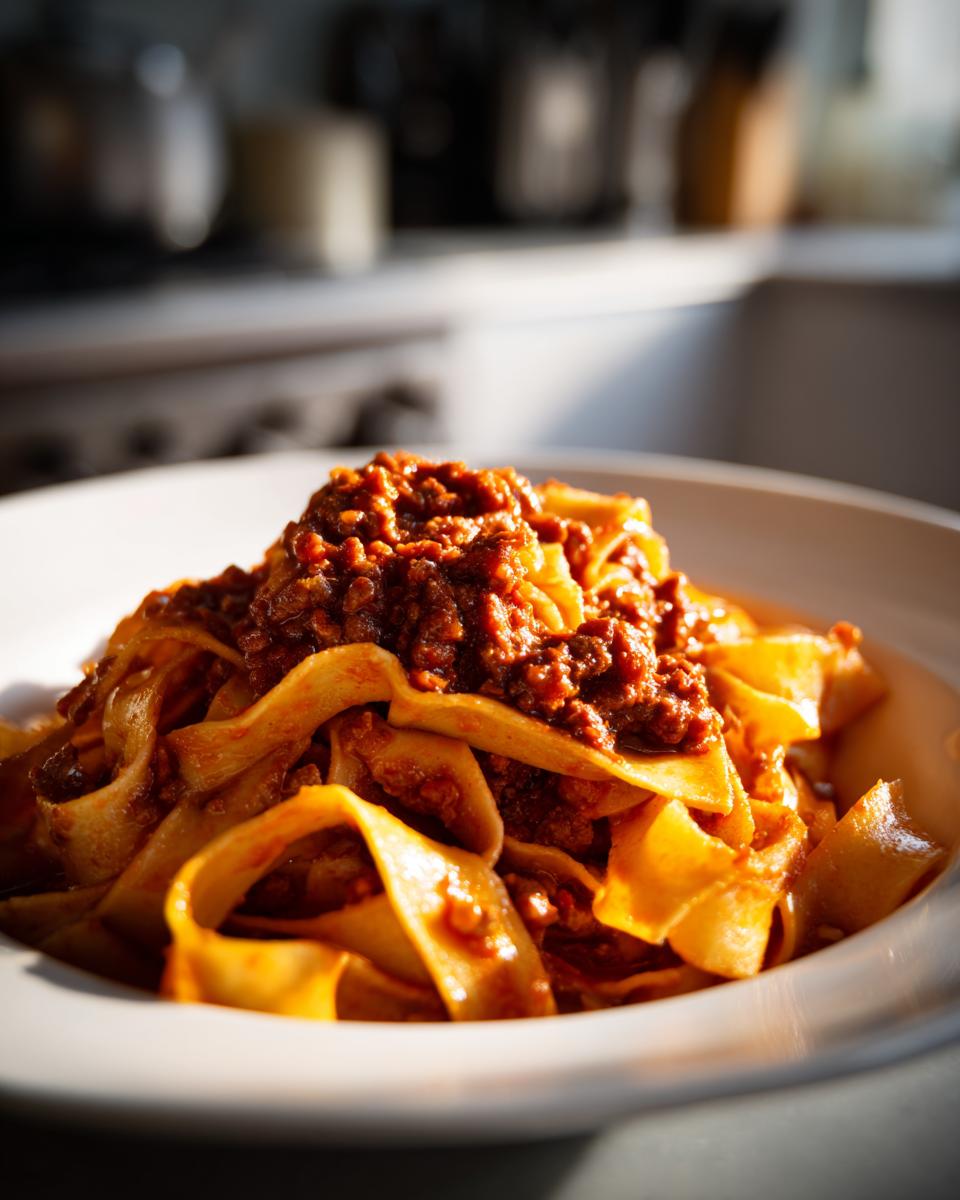
If you use only ground beef, you’re missing out on crucial flavor development. We start with pancetta; rendering that fat gives us the foundational richness. Then, combining beef with pork helps balance the richness with a bit more savoriness. This blend turns into that magnificent rich beef pork sauce that clings beautifully to every noodle. It’s way more satisfying than just plain ground meat.
Techniques for Slow Cooked Bolognese Flavor
The absolute key to that velvety texture is the milk. Seriously! Pouring in the whole milk and letting it evaporate completely tenderizes the meat fibres beautifully—it stops the sauce from tasting harsh. Then, reducing the wine concentrates its fruity acidity. These two steps are foundational to any proper slow cooked bolognese. If you skip them, you end up with just meat and tomatoes, not the real deal.
Gathering Ingredients for Your Bolognese Sauce
Okay, now that you know the magic happens over hours, this is where we need to be precise. A traditional bolognese meat sauce absolutely demands quality ingredients because there’s nowhere to hide them once they’ve been simmering all day. Don’t grab the half-hearted tomatoes or the wrong kind of meat! We need specific things to build that deep flavor profile we talked about.
Core Components for the Traditional Bolognese Meat Sauce
For the heart of this sauce, make sure you have everything prepped before you even think about turning on the stove. Remember, we are aiming for authenticity here! You’ll need:
- Four ounces of finely diced pancetta.
- One pound of ground beef (I prefer 80/20, it needs the fat!) and half a pound of ground pork.
- The classic soffritto team: one finely chopped yellow onion, two carrots, and two celery stalks—all chopped nice and small!
- One cup of dry red wine—Chianti or Merlot are my go-to choices.
- One cup of whole milk. Yes, milk!
- One 28-ounce can of good quality crushed tomatoes and half a cup of beef broth.
- And don’t forget those little flavor boosters: a quarter cup of tomato paste and a hit of freshly grated nutmeg.
Pasta Pairing for This Savory Ground Meat Sauce
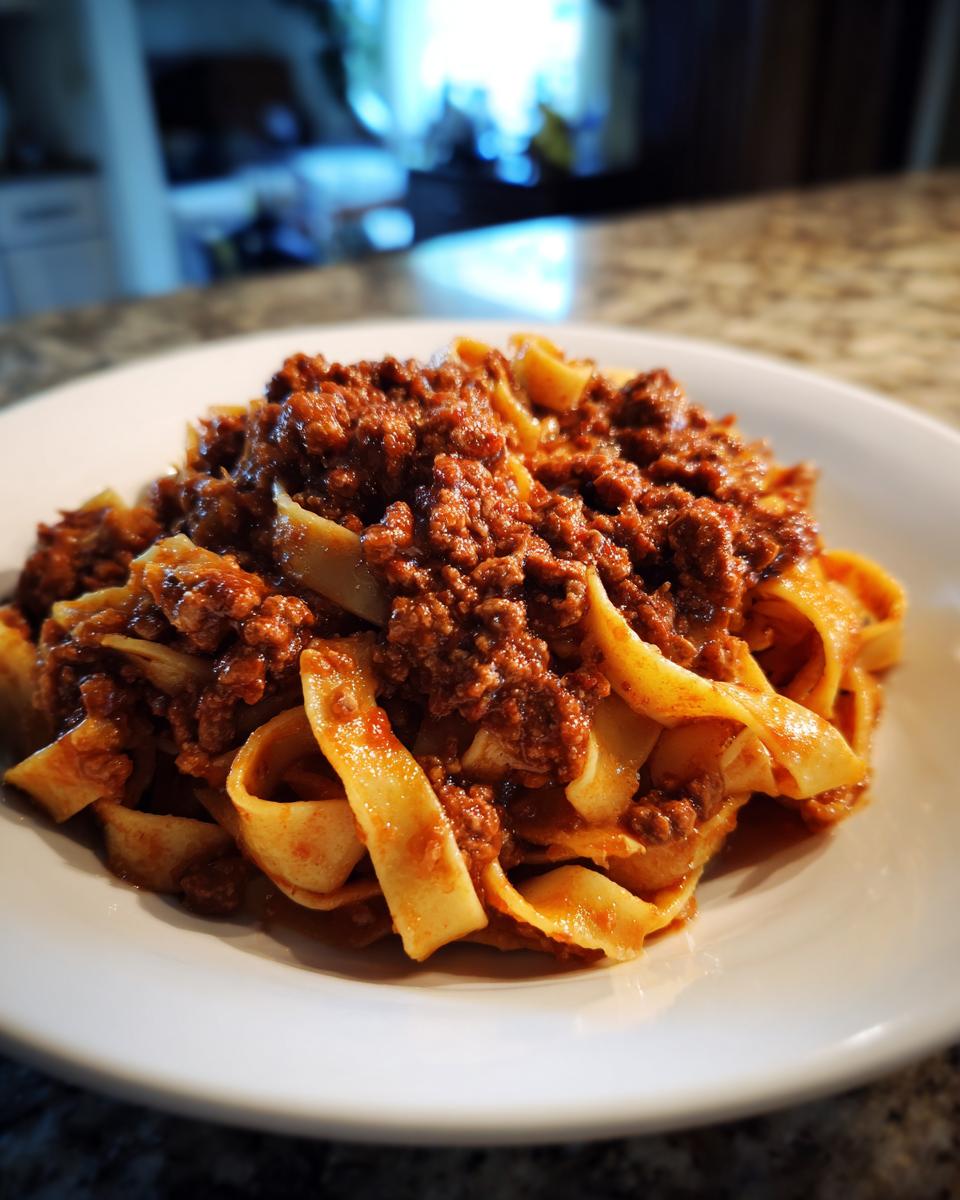
You can’t serve this amazing, hearty, savory ground meat sauce with thin spaghetti—it deserves better! We want wide, flat noodles that can grab onto all that chunky texture. The best choices are either tagliatelle or pappardelle. These wider surfaces stand up to the richness and make every bite perfect.
How to Make Bolognese Sauce: Step-by-Step
This is where the patience pays off! Making bolognese sauce the right way means honoring tradition, and that means taking our time. I find that breaking the process down into smaller stages keeps me organized, especially when I’m using my big Dutch oven for a massive batch. Remember, this isn’t just dumping everything in and walking away; we’re building flavor at every turn. If you’ve mastered my braised short ribs, you’re ready for this level of slow cooking!
Building the Flavor Base: Pancetta and Meat Browning
First things first—we need that fat! Heat up your olive oil in that heavy pot, then toss in your finely diced pancetta. Let it cook down until it’s happy and crispy. Scoop that savory goodness out and set it aside! Don’t wipe out the pot; that rendered fat is gold. Next, toss in your ground beef and pork. Break it up well and let it brown until it’s perfectly browned all over. Once it’s done, make sure to drain off any nasty excess fat. We want flavor, not grease!
The Soffritto and Liquid Reduction for Deep Flavor Tomato Sauce
Now, we bring in the aromatic crew: the onion, carrots, and celery. Sweat those vegetables down slowly until they’re soft—it takes about ten minutes. Then the garlic goes in for just a minute until you can really smell it. Next, pour in that beautiful, dry red wine. Let it bubble away until it’s reduced by half. This step concentrates everything! Then comes the milk. Seriously, don’t skip this part; let it simmer in until it’s almost gone. These liquid reductions are exactly what creates that incredible, complex mouthfeel that defines a true deep flavor tomato sauce.
The Long Simmer: Creating the Best Pasta Sauce Recipes
Once your base is set, stir in the tomatoes, broth, paste, oregano, and nutmeg. Bring it up to a gentle bubble, then turn the heat down so low the sauce is barely moving. Seriously, this is the core of making one of the best pasta sauce recipes: you need a minimum of three hours, but I shoot for four if I can manage it. Stir it every half hour so nothing sticks. In the last 15 minutes, fold in that reserved crispy pancetta. Before serving, taste it! Everything settles during that long simmer, so this is your ultimate chance to adjust the salt and pepper perfectly.
Tips for Perfect Bolognese Sauce Success
Listen, I know three to four hours sounds like a commitment, but making bolognese sauce well means planning ahead. I always try to make a double batch because the flavor truly gets better overnight, and that leaves us with fantastic leftovers! We don’t want to waste this incredible work we’ve put in, so here are my little tricks for making sure it’s perfect every time you pull it out of the fridge or freezer.
Don’t forget, if you ever need a side dish that cooks down beautifully, you should check out how I handle caramelized onions; patience makes everything taste better!
Making Bolognese for Lasagna or Meal Prep
One of the best things about this hearty sauce is how brilliantly it freezes. Seriously, this is the ultimate freezer friendly pasta sauce. Once the sauce is completely cooled down—and I mean room temperature cool—you want to transfer it into sturdy, airtight containers or heavy-duty freezer bags. Make sure you press the air out of the bags if you use those!
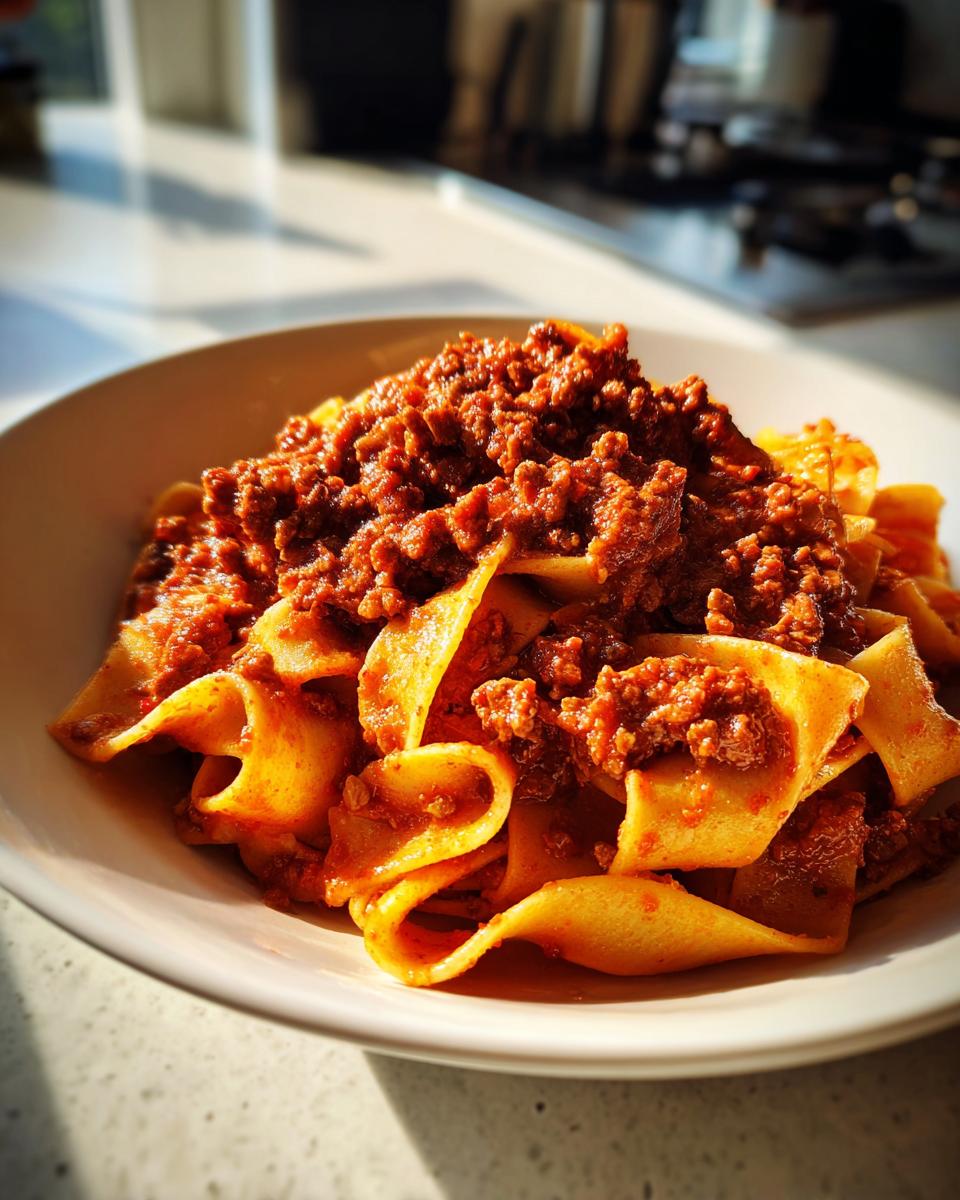
For lasagna, this sauce is absolutely the star. You’ll want to cook it down just a little bit thicker than you would for pasta so it doesn’t make your layers too soupy. It’s also amazing spooned over creamy polenta when you’re tired of noodles. It turns into a gourmet experience instantly!
Serving Suggestions for Your Homemade Ragu Recipe
So, you’ve spent half the day tending to this spectacular homemade ragu recipe. Congratulations! Now comes the fun part: figuring out the best way to serve it up. While the absolute classic pairing is with wide pasta like pappardelle, I always like to give people a few different ways to enjoy this flavor bomb before they run off to eat.
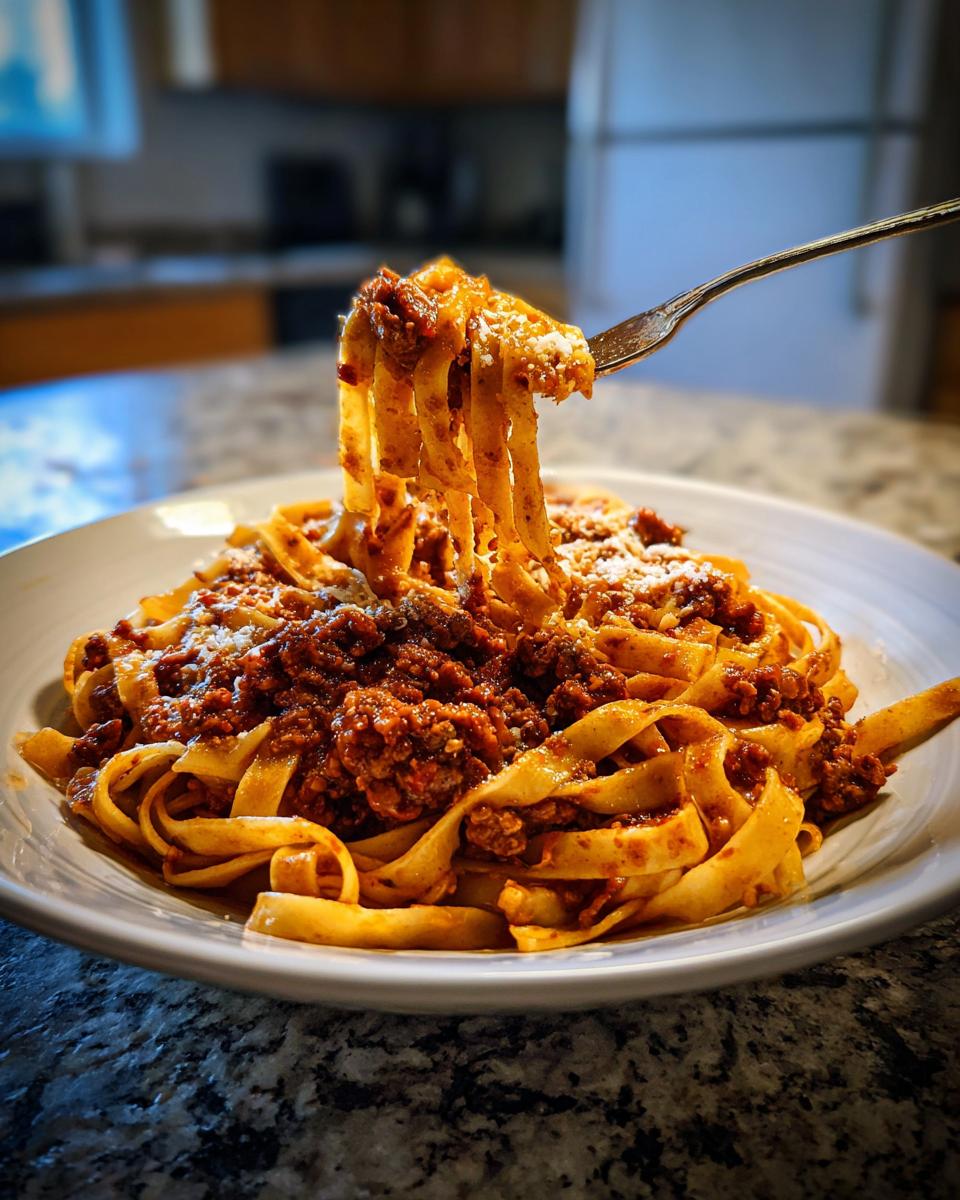
First and foremost, you need cheese. Don’t skimp here! A truly great grating of Parmigiano-Reggiano is essential. The sharp, nutty flavor just cuts through the richness of the sauce perfectly. Always grate it fresh; the pre-grated stuff just doesn’t melt the same way.
If you’re looking for a gourmet pasta sauce ideas moment, skip the noodles entirely one night and serve this sauce over creamy, soft polenta. Wow. It turns into something almost stew-like, and it’s unbelievably satisfying. Keep a big bowl of dipping bread handy for that. Speaking of which, if you need a ridiculously easy vessel for soaking up every last drop of that rich sauce, my easy cheese bread recipe is just the thing. You won’t regret having bread nearby!
Finally, don’t forget a little freshness on top. A couple of torn basil leaves or some fresh parsley sprinkled over the finished plate brightens up the deep flavor profile beautifully. It’s those little touches that make you feel like you accomplished something special when you made this traditional bolognese meat sauce from scratch.
Storage and Reheating Instructions for Bolognese Sauce
I almost always make a double batch of this bolognese sauce because, honestly, it tastes even better on day two once all those flavors have really settled in. But if you’re making a huge pot for meal prepping, you need to know how to treat this amazing, long-simmered sauce right so it stays perfect for later. Nothing ruins dinner faster than freezer burn or sauce that tastes metallic!
These guidelines ensure that your sauce stays top-tier, whether you’re using it next week or next month. Think of it as tucking away liquid gold for when you need a fast, but still gourmet, meal!
Refrigerating for Short-Term Use
If you plan to use your sauce within about four or five days, the fridge is your best friend. Transfer the cooled sauce into airtight containers. I prefer glass containers for sauces because they don’t retain odors. Make sure you leave about an inch of space at the top, because things can expand a little when they chill down completely.
To reheat, I take the container out about 30 minutes ahead of time to let it take the chill off. Then, warm it slowly on the stovetop over medium-low heat, stirring often. Adding a tiny splash of reserved pasta water or even just a tablespoon of tap water can help get a good consistency going again if it seems too thick after chilling.
Freezer Friendly Pasta Sauce: The Long Haul Storage
This is my favorite secret weapon for beating the “What’s for dinner?” question: keeping portions of this bolognese sauce safely tucked away in the freezer. But we have one major rule here, and it’s critical for texture: the sauce must be completely cool before it goes into that deep freeze. Putting hot sauce into a cold freezer creates condensation, which can lead to ice crystals that break down the sauce’s beautiful texture.
For freezing, portion it out into single-serving sizes or family-sized bags. If you use heavy-duty freezer bags, lay them flat on a baking sheet while they freeze so they stack nicely later. Once frozen solid, you can stand them up vertically to save space. It keeps beautifully for about three months!
If you’re interested in other ways to preserve your kitchen bounty, I put together a little guide on how I make easy freezer jam—it’s all about simple preservation methods that keep food tasting fresh!
Thawing and Flavor Check
When you’re ready to use a frozen batch, the best way is to move it into the fridge the night before you plan to cook. Thaw it slow and low. When you reheat it, give it a good taste test. Because it’s been resting for so long, it might need another minor adjustment of salt and pepper. Never reheat the sauce with the pasta already tossed in; always sauce the noodles right before serving!
Frequently Asked Questions About Bolognese Sauce
I get so many great questions every time I post this bolognese sauce recipe, which makes total sense because taking the time to make an authentic bolognese sauce from scratch means you want it perfect! I tried to answer the most common ones here so you can feel confident heading into your simmer session.
Can I make this a quicker weeknight Italian dinner?
Look, I get it. Sometimes you just need that flavor boost without waiting four hours, right? This recipe is absolutely crafted for that deep flavor, but if you need an easy weeknight Italian dinner solution, you can cheat a little. You really need a minimum of one-and-a-half hours of simmering time. Anything less and the flavors just won’t meld together properly, and it will just taste like ground meat and stewed tomatoes.
You can absolutely get away with 90 minutes if you are in a pinch, but I’m telling you, the difference between 1.5 hours and 3 hours is night and day. Make a huge batch on Sunday, and you’ll always have that amazing, freezer friendly pasta sauce ready to go later in the week!
What is the difference between Bolognese sauce and Ragù?
This is one of my favorite questions because people use these terms interchangeably, and while they are very closely related, there are subtle differences! Fundamentally, a ragù is any slow-cooked meat sauce from Italy. What makes this preparation specifically a traditional bolognese meat sauce is the inclusion of milk (and sometimes cream) along with the wine, which tenderizes the meat and provides a distinct, luxurious richness.
So, while this absolutely *is* a type of ragù, calling it Bolognese tells everyone you’re following the classic method from Bologna that includes those key dairy elements. It’s the difference between calling all soft drinks “soda”—it’s more specific and shows you know your stuff!
Why must I use both Beef AND Pork?
That combination is essential for that deep flavor tomato sauce profile! The beef brings that classic savory, slightly iron-y richness we all expect from a hearty sauce, but the pork adds unbelievable fat content and a sweet, delicate flavor that balances the beef out. Plus, we start with pancetta, which renders down to give us an aromatic base you just can’t replicate if you stick to only ground beef. It’s all about adding layers of fat and meat flavor.
Is this recipe too heavy for kids?
That’s a funny one! It is certainly a hearty, comfort food pasta sauce, but because we cook the wine and milk down completely, the flavors are mellowed out wonderfully, not sharp or alcoholic at all. The slow simmer breaks everything down until it’s incredibly tender. I serve this to my nieces and nephews all the time—it’s far better than anything pre-made! If you’re worried, just start with less nutmeg for the little ones. If they need something faster next time, check out my guide for quick and easy weeknight dinners!
Nutritional Estimates for This Comfort Food Pasta Sauce
Okay, so let’s talk real talk for a minute. When you’re diving into a beautiful, rich, comfort food pasta sauce like this, you probably aren’t thinking about the macros, but I always feel it’s responsible to give you an idea of what you’re working with here. Remember, this is a hearty meal, heavy on the meat and the slow-cooked goodness, so it’s going to be satisfying!
I plugged all the components of this bolognese sauce into a standard tracker, and these are the estimates I came up with. Keep in mind, these numbers are just a guide—they’re based on the serving size listed and standard ingredient assumptions.
Here are the ballpark figures for one serving (which is about 1.5 cups of sauce plus 4 ounces of pasta):
- Calories: Roughly 550 – That’s a substantial portion, but totally worth it!
- Fat: Around 30g total, with about 11g being saturated fat. That’s where the beef, pork, and pancetta do their work!
- Protein: You are getting a huge 35g of protein here, which is why this dish keeps you feeling full for hours.
- Carbohydrates: About 45g, mostly coming from the pasta and the vegetables we sautéed.
- Sugar: Pretty low at around 12g, which is excellent considering we aren’t using a ton of added sugar.
- Cholesterol: Around 110mg.
This is a classic, indulgent Saturday or Sunday sauce, not exactly a light salad topper, but that’s exactly why we love it! It’s designed to fuel you up and bring the family together around the table.
Share Your Authentic Bolognese Sauce Experience
Well, friends, we’ve done it! We’ve patiently nurtured this incredible mixture of meat, wine, milk, and tomato for hours into what I truly believe is the best bolognese sauce you’ll ever make at home. Now that you’ve gone through the whole slow cooked bolognese process, I really want to hear all about it. Cooking is a conversation, right?
Did you manage the full four hours of simmering? Did you try it over tagliatelle, or did you use it for a spectacular lasagna? There’s honestly nothing better than seeing what you all create in your own home kitchens.
Please, take a moment to drop a rating below this recipe—even if it’s just five stars based on the smell alone! If you ran into any snags, or maybe discovered a brilliant shortcut that you think I should try next time, leave a comment. I read every single one.
And if you snapped a photo of that bubbling pot or a beautiful plate of pasta coated in this hearty classic Italian meat sauce, I’d love to see it! You can share your pictures and tag us, or reach out directly through my contact page—I love getting updates from the Julia Meal family!
PrintAuthentic Slow-Simmered Bolognese Sauce
This recipe delivers a rich, traditional Italian meat sauce, slow-cooked for deep flavor. It uses a blend of beef and pork, milk, and wine, making it the best pasta sauce for your family dinner.
- Prep Time: 25 min
- Cook Time: 3 hours 30 min
- Total Time: 3 hours 55 min
- Yield: 6 servings 1x
- Category: Dinner
- Method: Stovetop Simmering
- Cuisine: Italian
- Diet: Meat
Ingredients
- 1 tablespoon olive oil
- 4 ounces pancetta, finely diced
- 1 pound ground beef (80/20 recommended)
- 1/2 pound ground pork
- 1 medium yellow onion, finely chopped
- 2 carrots, finely chopped
- 2 celery stalks, finely chopped
- 2 cloves garlic, minced
- 1 cup dry red wine (like Chianti or Merlot)
- 1 cup whole milk
- 1 (28 ounce) can crushed tomatoes
- 1/2 cup beef broth
- 1/4 cup tomato paste
- 1 teaspoon dried oregano
- 1/2 teaspoon freshly grated nutmeg
- Salt and freshly ground black pepper to taste
- 1 pound tagliatelle or pappardelle pasta
Instructions
- Heat the olive oil in a large Dutch oven or heavy-bottomed pot over medium heat. Add the diced pancetta and cook until crisp, about 5 to 7 minutes. Remove the pancetta with a slotted spoon and set aside, leaving the rendered fat in the pot.
- Add the ground beef and ground pork to the pot. Break up the meat with a spoon and cook until browned. Drain off excess fat.
- Add the chopped onion, carrots, and celery (the soffritto) to the pot. Cook, stirring occasionally, until the vegetables soften, about 8 to 10 minutes. Add the minced garlic and cook for 1 minute more until fragrant.
- Pour in the red wine. Increase the heat to medium-high and let the wine bubble and reduce by half, scraping up any browned bits from the bottom of the pot. This takes about 5 minutes.
- Pour in the whole milk. Let it simmer gently until it has almost completely evaporated, stirring occasionally. This step tenderizes the meat.
- Stir in the crushed tomatoes, beef broth, tomato paste, oregano, and nutmeg. Season generously with salt and pepper. Bring the sauce to a gentle simmer.
- Reduce the heat to the lowest setting, cover the pot partially, and let the sauce simmer slowly for a minimum of 3 hours, or up to 4 hours, stirring every 30 minutes. The longer it simmers, the deeper the flavor becomes.
- Taste the sauce and adjust seasoning with salt and pepper as needed. Stir in the reserved crispy pancetta during the last 15 minutes of cooking.
- Cook your pasta according to package directions until al dente. Drain the pasta, reserving about 1/2 cup of the starchy cooking water.
- Toss the cooked pasta with the Bolognese sauce. Add a splash of the reserved pasta water if the sauce seems too thick. Serve immediately.
Notes
- For a freezer friendly pasta sauce, cool the sauce completely before storing it in airtight containers for up to 3 months.
- If you want a quicker version, simmer the sauce for at least 1.5 hours, though the flavor will be less developed.
- This rich beef pork sauce pairs perfectly with wide noodles like pappardelle or tagliatelle, as they hold the hearty sauce well.
Nutrition
- Serving Size: 1.5 cups sauce + 4 oz pasta
- Calories: 550
- Sugar: 12
- Sodium: 650
- Fat: 30
- Saturated Fat: 11
- Unsaturated Fat: 19
- Trans Fat: 1
- Carbohydrates: 45
- Fiber: 7
- Protein: 35
- Cholesterol: 110