

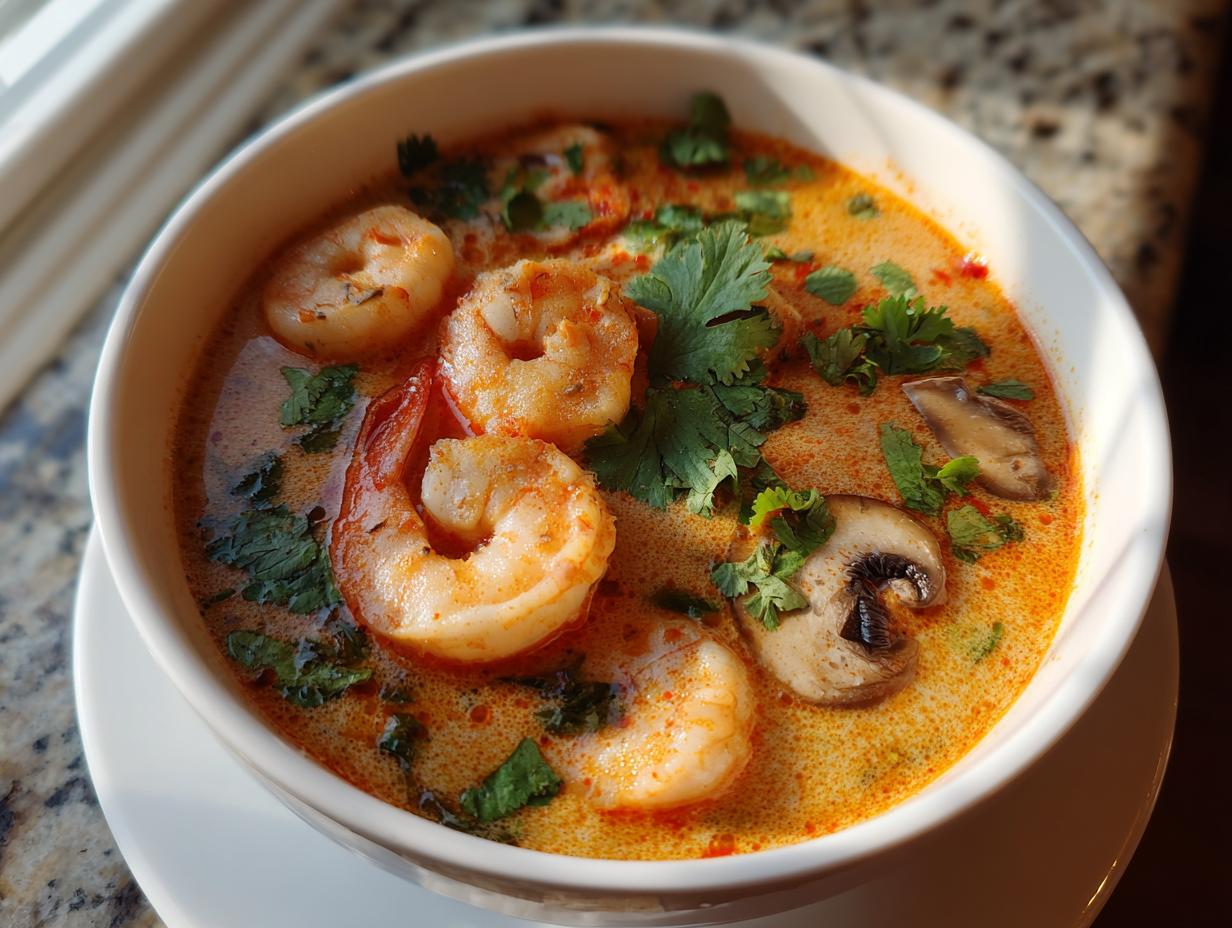
You know that craving, right? The one where you suddenly *need* that perfect jolt of flavor that only true Southeast Asian cooking can deliver? Forget the takeout menus for a night; I’ve spent years chasing authentic tastes, and I promise you, making the best homemade tom yum soup at home is entirely possible, and honestly, it changes your weeknight game. This isn’t just soup; it’s an aromatic symphony where spicy heat and vibrant sourness duel perfectly on the tongue. My approach, pulled from my time mastering technique and respecting ingredient heritage, ensures you capture that essential hot and sour soup character every single time. If you’re looking for a flavorful, fast meal that earns that authentic stamp of approval, stick with me. We’ll have this incredible quick soup dinner simmering in under an hour.
- Why This Authentic Tom Yum Soup Recipe Works for You
- Essential Ingredients for Flavorful Tom Yum Soup
- Step-by-Step Instructions for the Best Tom Yum Soup
- Making Tom Yum Goong Recipe: Focusing on Shrimp
- Variations: Chicken and Vegetarian Tom Yum Soup Options
- Serving Suggestions for Your Hot and Sour Soup
- Storing and Reheating Leftover Soup
- Frequently Asked Questions About This Thai Soup Recipe
- Nutritional Snapshot for Your Homemade Soup
- Share Your Spicy and Sour Creations
- Nutritional Snapshot for Your Homemade Soup
- Share Your Spicy and Sour Creations
Why This Authentic Tom Yum Soup Recipe Works for You
Look, when you crave a real Thai Soup Recipe, you don’t want something that tastes like watered-down broth with a hint of lemon. You want that punch! I’ve tweaked this recipe over and over—much like I learned to refine classic American flavors—to ensure you get the true, vibrant taste of Thailand right on your stovetop. It’s built on technique, but it cooks faster than you might think!
Here’s what makes this recipe the one you’ll bookmark and come back to:
- True Flavor Profile: We use the holy trinity of Thai cooking—lemongrass, galangal, and kaffir lime—to build a foundation that store-bought packets just can’t touch.
- Your Choice, Your Broth: Unlike restaurants that only offer one version, I show you how to land on the perfect clear Thai soup or pivot easily to the richer, more satisfying creamy Tom Yum.
- Speedy Dinner Hero: Honestly, you’re looking at about 35 minutes total time. That means real Thai flavor is faster than calling for delivery. It’s perfect for those sudden needs for a quick soup dinner.
- Focus on Freshness: The secret to any great broth, whether it’s a classic chicken stew or this, is fresh aromatics. We put the effort into blooming those herbs early on.
Achieving the Perfect Spicy Sour Soup Balance
The heart of any great Tom Yum Soup is achieving that razor-sharp balance. It’s not just about dumping lime juice in. Think of it as a very delicate juggling act between four major players. You’ve got the heat coming from those fresh Thai chilies, the sourness anchored by fresh lime juice, the savory depth from the fish sauce (that’s your saltiness), and just a whisper of sugar to round everything out. If you taste it and it feels flat, it’s missing one of those elements. That’s technique talking, and trust me, once you get this balance down, you realize why this is considered one of the best soups in the world.
Essential Ingredients for Flavorful Tom Yum Soup
Okay, let’s talk about what matters most when making an Authentic Thai Food experience: the aromatics. If you skip these, you aren’t making Tom Yum, you’re just making spicy broth! Think of the lemongrass, the galangal, and those magical kaffir lime leaves as the backbone of the entire dish. You need to treat them right! I always tell people, put the effort into flavoring that broth first, and the proteins and vegetables will just shine.
For our focus here, we are leaning into the classic Shrimp Soup Recipe (Tom Yum Goong), but every ingredient listed below is a powerhouse:
- 6 cups Chicken or Vegetable Broth (for clear style) or 5 cups Broth + 1 cup Coconut Milk (for creamy style)
- 1 pound large shrimp, peeled and deveined—we want them clean and ready!
- 2 stalks lemongrass, tough outer layers removed, cut into 2-inch pieces, lightly bruised
- 4 slices galangal (about 1/2 inch thick)—this gives that specific citrusy, earthy note that ginger just can’t replicate.
- 6 kaffir lime leaves, torn in half—tearing them wakes them up!
- 4-6 Thai bird’s eye chilies, lightly crushed (adjust to your heat preference—be careful, these pack a punch!)
- 1/2 cup straw mushrooms or button mushrooms, halved
- 3 tablespoons fish sauce
- 3 tablespoons fresh lime juice
- 1 tablespoon Thai chili paste (Nam Prik Pao)
- 1/2 cup fresh cilantro, chopped, for garnish
- 1/4 cup green onions, chopped, for garnish
- Optional: 1 teaspoon sugar
If you want to explore the history or different forms of this incredible flavor profile, I found this great overview on Thai delicacies that talks all about the complex sour and spicy notes.
Ingredient Notes and Substitutions for Your Tom Yum Soup
I know sourcing can sometimes be tricky, so let’s chat about swaps! If you find galangal is nowhere to be found, a small bit of fresh ginger is okay for a pinch, but please know it changes the true flavor. For the protein, if shrimp isn’t your favorite, switch it out for chicken breast—that turns it into a lovely Chicken Tom Yum Gai.
What about our plant-based friends? You can absolutely make a fantastic Vegetarian Tom Yum Soup! You’ll swap the chicken broth out for vegetable broth, obviously. The big change is the fish sauce; substitute it one-for-one with a good quality soy sauce or, even better, a specific vegetarian fish sauce substitute if you can find one. It keeps that depth of umami without the animal product. This recipe is so adaptable!
Step-by-Step Instructions for the Best Tom Yum Soup
This is where the magic happens, and I promise you, it moves fast! We want a richly flavored broth without waiting forever. If you follow these steps precisely, you’ll have a bowl of beautiful, vibrant tom yum soup ready to go in about 35 minutes total. That’s dinner solved without breaking a sweat, which is what this entire site is about—making sure your home cooking is extraordinary yet accessible. If you’re looking for a flavorful, fast meal that earns that authentic stamp of approval, stick with me. We’ll have this incredible quick soup dinner simmering in under an hour.
- Prep the Aromatics: In your biggest soup pot—we need room to let those flavors bloom!—you’re going to combine your broth. If you are making the creamy tom yum, that’s when you dump in the 5 cups of broth *and* the 1 cup of coconut milk right here. Toss in your bruised lemongrass, galangal slices, and those torn kaffir lime leaves. Bring this whole party up to a gentle simmer over medium heat.
- Infuse the Broth: This is the waiting game, but it’s short! Let that mixture bubble gently for a full 10 minutes. We are extracting every bit of fragrance from those herbs. Don’t rush this; this step is doing all the heavy lifting flavor-wise.
- Add the Bulk: Next, toss in your chilies—be careful not to touch your eyes after crushing these! Add your mushrooms too. Let that simmer gently for another 3 minutes until the mushrooms just start to look happy and soft.
- Cook the Shrimp: Now for the star! Add your clean shrimp directly into the simmering liquid. They cook incredibly fast. Seriously, watch them—2 to 3 minutes, tops. As soon as they turn pink and opaque, they’re done. Don’t walk away here, or you’ll end up with rubbery shrimp!
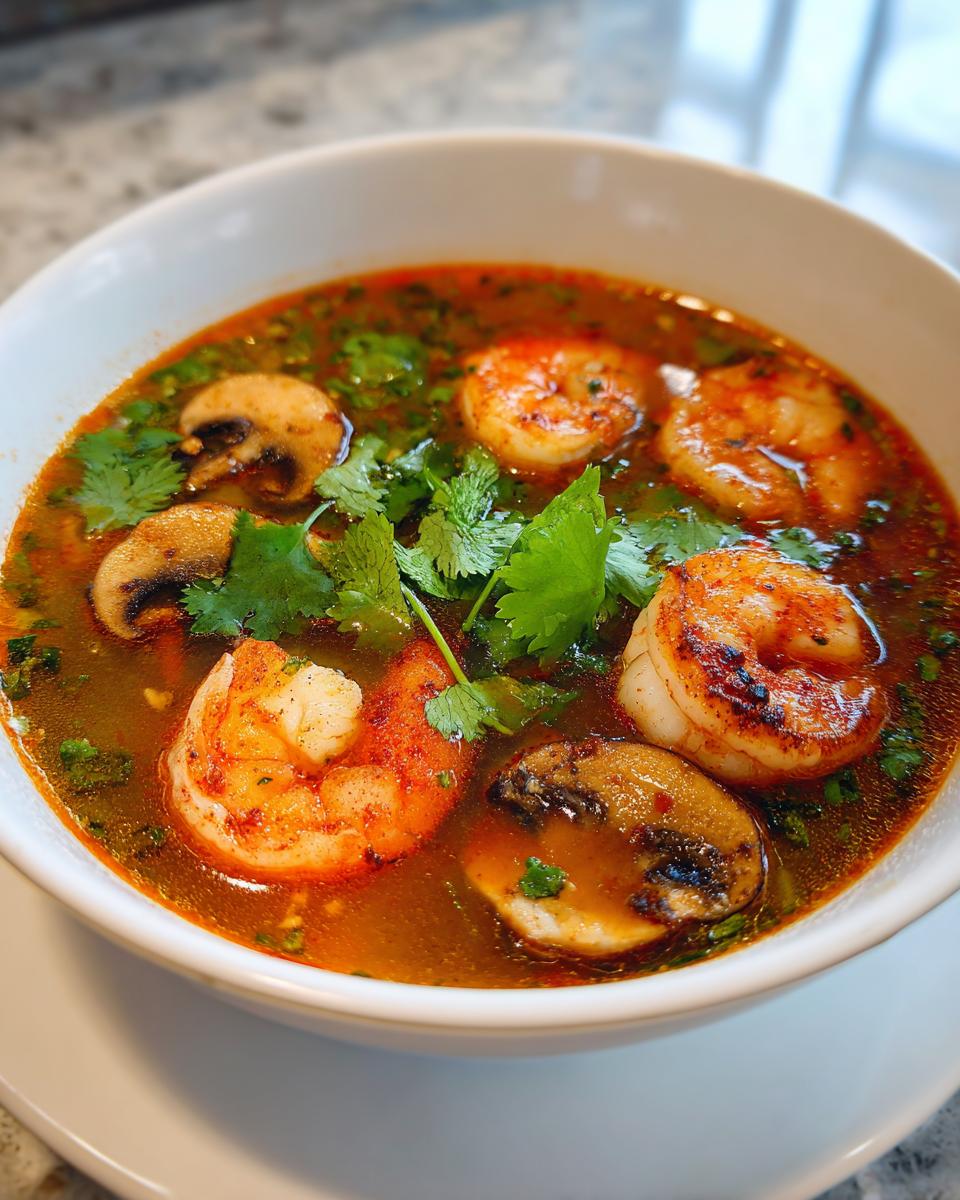
- Season and Balance: Take the pot OFF the heat! This is crucial. Stir in your fish sauce, your fresh lime juice, and the Thai chili paste. Don’t forget that optional teaspoon of sugar if you like things balanced just a little smoother. Now, taste, taste, taste. Does it need more zing? More lime! Does it need more depth? A touch more fish sauce.
- Serve Immediately: Ladle that gorgeous soup into bowls. You can fish out the big herb pieces (lemongrass, kaffir lime, galangal) for presentation, or just leave them in if you like the rustic look. Garnish big with cilantro and green onions.
Choosing Between Clear Thai Soup and Creamy Tom Yum
This is one of the biggest questions people have when they first approach tom yum soup, and honestly, it depends on the mood you’re in! If you want the traditional, sharp, exhilarating experience that lets the herbs sing loudest, you stick to the 6 cups of pure broth—that gives you that beautifully light, clear Thai soup. It’s tangy, bright, and amazing when you need something restorative!
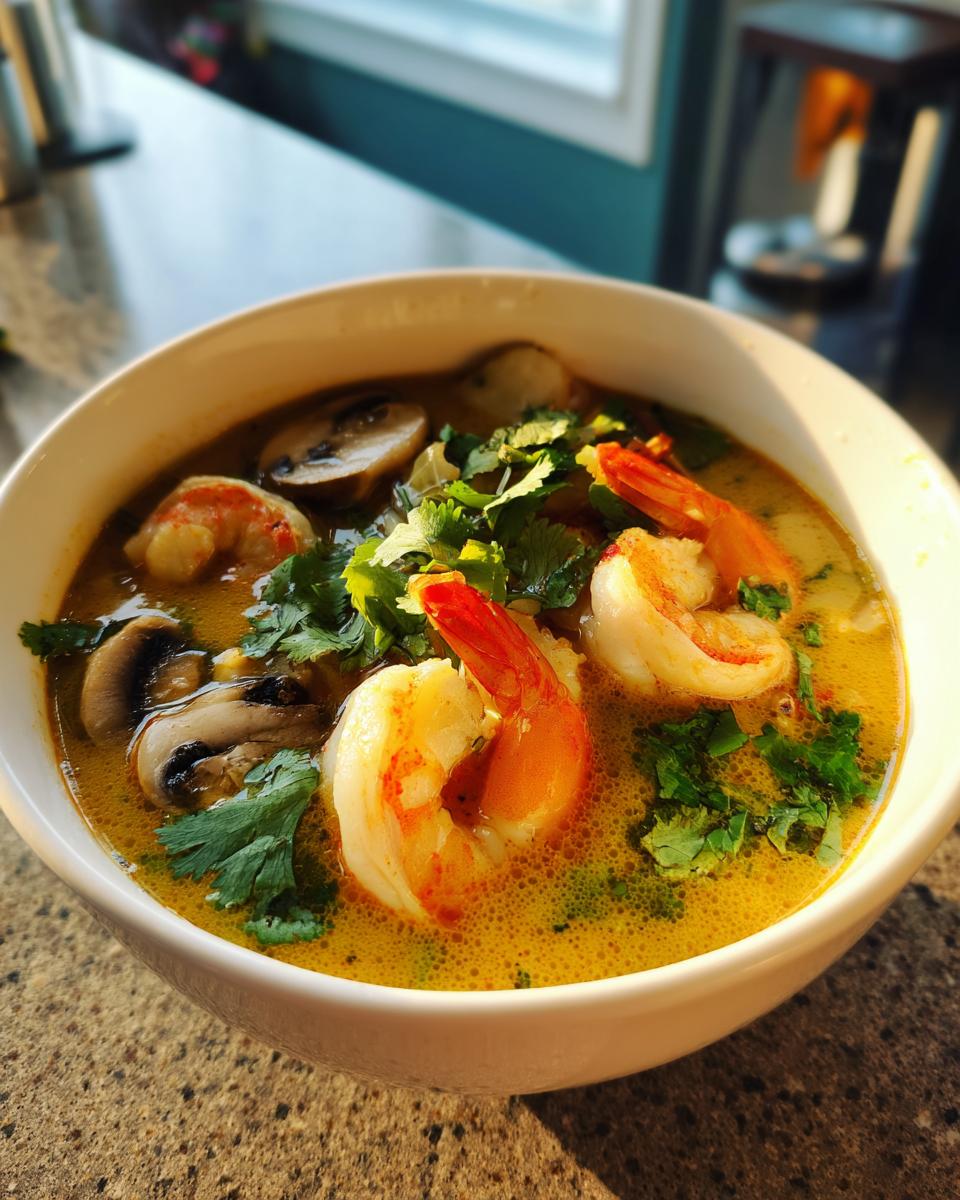
Now, if you want that softer, silkier texture that feels like a true comfort hug, that’s where the creaminess comes in. For that, you simply use 5 cups of broth and add that 1 cup of coconut milk right at the beginning (Step 1). Adding it early lets the flavors marry nicely without curdling. It still has all that spicy sour kick, but the coconut milk mutes the edges just a little. Both are equally authentic, depending on the region you’re drawing inspiration from!
Pro Tips for Infusing Aromatic Soup Flavor
As someone who spent years learning how to get flavor out of every single ingredient, let me tell you two non-negotiables for this recipe. First, that lemongrass and galangal? You absolutely need to *bruise* the lemongrass—I actually like to bash the pieces a few times with the back of a heavy knife or a small rolling pin before tossing them in. This cracks the fibrous exterior and lets the essential oils flood out into the broth. If you just chop it and toss it in, you get almost nothing!
Second, notice I said add the aromatics *before* the shrimp. You must simmer those herbs in the stock for at least 10 minutes before adding any protein. Whether you are making it with shrimp or planning to follow the tom yum goong recipe, adding the protein last ensures it doesn’t turn tough while waiting for the flavors to meld. Infuse first, then commit to the protein!
Making Tom Yum Goong Recipe: Focusing on Shrimp
Since the shrimp version—the Tom Yum Goong recipe—is what most people picture when they crave this bold bowl, let’s dedicate a moment just to those beautiful crustaceans. When you’re making an aromatic soup like this, the quality of the shrimp really shows. You want them plump, fresh, and cooked *just* enough so they snap when you bite into them. That’s the sign of a great cook, isn’t it? Knowing exactly when to stop the heat.
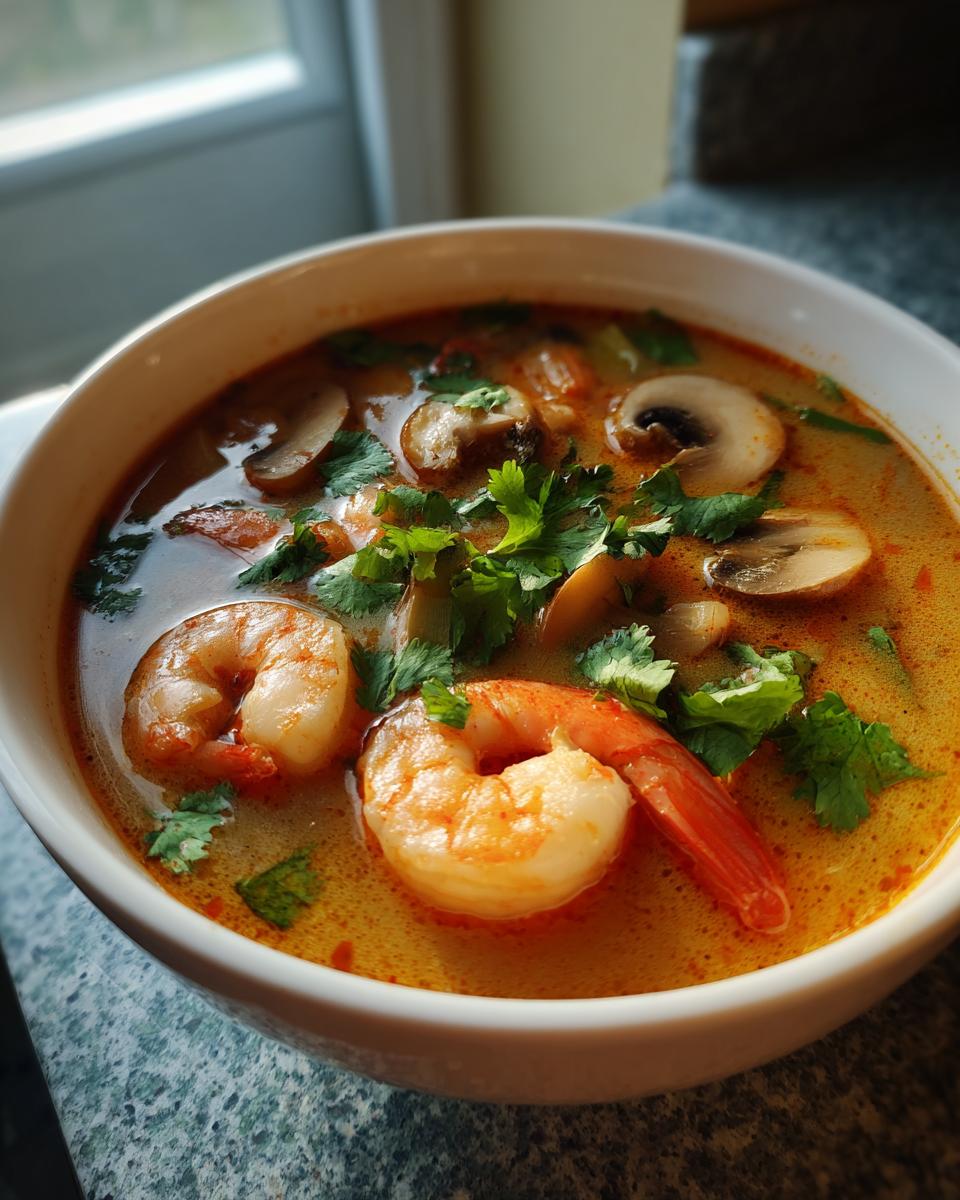
In Step 4 of our instructions, I stressed pulling the pot off the heat right after the shrimp turn pink. That’s because shrimp are highly forgiving for about 30 seconds, and then they turn into little bouncy cannonballs—and we absolutely do not want that tragedy in our kitchen! Aim for that sweet spot: 2 to 3 minutes exactly when added to the simmering broth.
If you’re deep-diving into all things shrimp, I have a fantastic recipe for Creamy Cheesy Southern Shrimp and Grits, but for this Thai classic, remember: quick heat equals perfect texture. For more specific guidance on sourcing and preparing Thai seafood classics, this piece on Tom Yum Goong over on Thai Foodie is excellent for technique!
Variations: Chicken and Vegetarian Tom Yum Soup Options
While I absolutely adore the way shrimp cooks up in this bold broth—it’s snappy and sweet—I know not every week calls for seafood! That’s the beauty of learning to cook well, isn’t it? Once you nail the broth flavor, you can swap out the star ingredient easily. This recipe is super flexible, which is why it’s one of my go-to choices when planning a quick Thai dinner for friends with different tastes.
If you’re looking for a heartier meal that stands up to rice better, turning this into a Chicken Tom Yum (or Tom Yum Gai) is easy. For the best results, slice your chicken breast thinly against the grain. Remember, the broth is already simmering and infused with flavor when you add the protein. Instead of waiting until Step 4 like we do with the shrimp, you’ll add the sliced chicken right around Step 3, along with the mushrooms, but you need to give it a little extra simmer time.
You let the chicken simmer gently for about 5 to 7 minutes until it’s completely cooked through and no longer pink in the center. Then, move right onto Step 5 where you kill the heat and add your seasoning (lime, fish sauce, chili paste). This ensures your chicken pieces are tender and juicy, not dry and overcooked! If you need inspiration for other easy chicken meals, check out my recipe for Easy One-Pot Chicken and Dumplings—it shares the same spirit of maximizing flavor with minimal fuss.
Making a Robust Vegetarian Tom Yum Soup
Next up: vegetarian versions! The biggest hurdle in making a genuinely great Vegetarian Tom Yum Soup is replacing the depth that fish sauce and shrimp provide. We already swapped the base to vegetable broth, but we need to focus on Umami. I actually have a great resource for this specific variation if you want to skip the meat entirely; check out this guide to Vegetarian Tom Yum Soup.
Here are my keys to making it robust:
- Protein Swap: Use firm or extra-firm tofu. You can press it first and quickly pan-fry it separately until golden brown before adding it in Step 4. This gives it a better texture than just simmering raw tofu.
- Umami Boost: Replace the 3 tablespoons of fish sauce with 3 tablespoons of good quality soy sauce, or even better, a vegetarian/mushroom-based fish sauce if your market carries it. This keeps that salty, deep background note.
- Extra Veggies: Since we aren’t using shrimp, use this chance to bulk it up! Add some thinly sliced carrots or baby corn along with the mushrooms in Step 3. They soak up the broth perfectly.
Trust me, even without meat or seafood, this spicy sour soup manages to be intensely flavorful because those Thai herbs are just that powerful. Once you master the broth, you’ve mastered the art!
Serving Suggestions for Your Hot and Sour Soup
You’ve done it! You’ve balanced the fire and the tang, and now you have this incredible, aromatic bowl of hot and sour soup staring back at you. The eternal question now is: what goes with it? This is truly one of the most flexible dishes in my repertoire, so you can build an entire meal around it or use it as an amazing starter.
If you’re having the clear version, especially if you used chicken or tofu, I highly recommend pairing it with something plain to soak up all that beautiful broth. Steamed jasmine rice is the classic choice. It helps balance the intense flavors, and honestly, it’s just comforting to have something soft alongside the bright acidity of the soup. I keep a pot of rice going anytime I know this soup is on the menu.
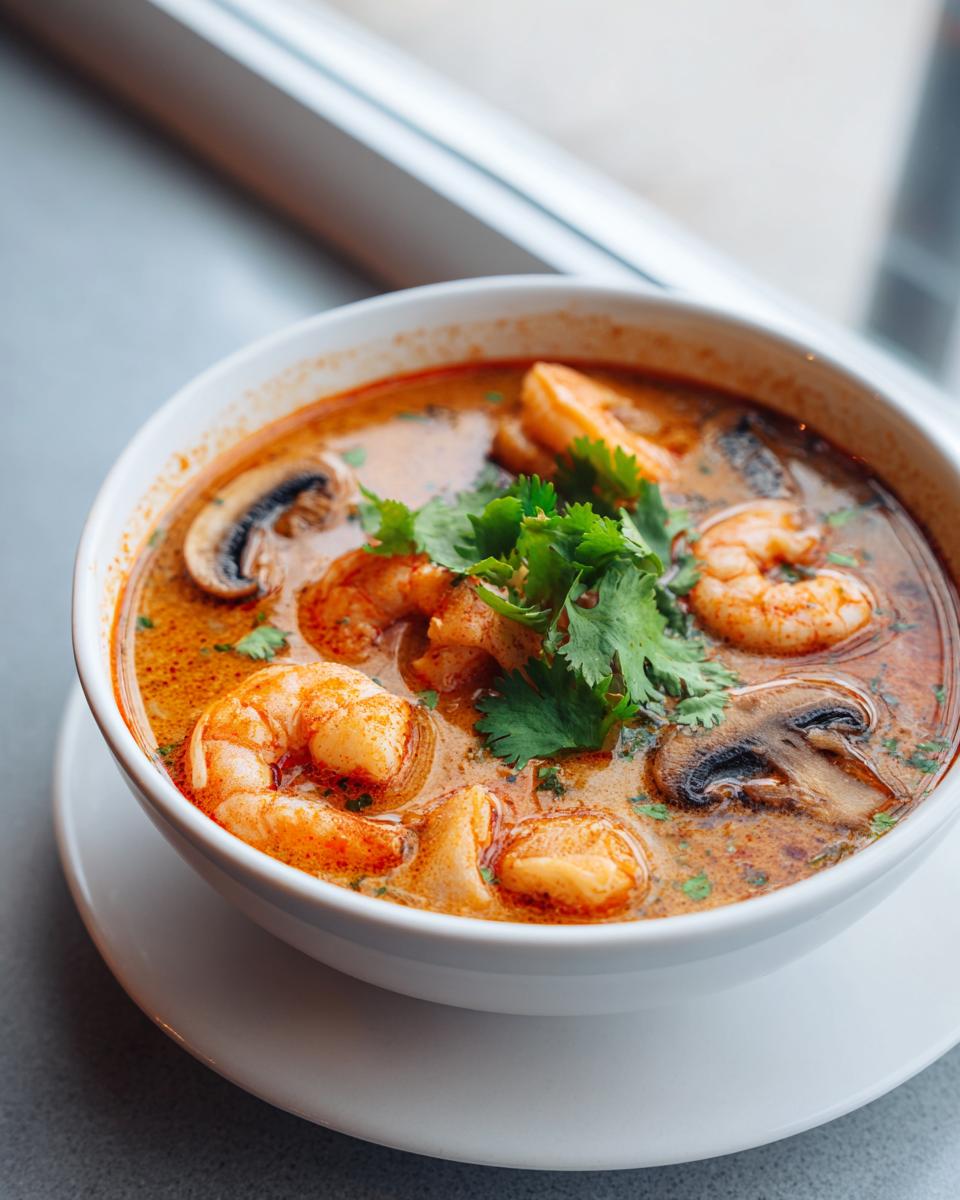
But you don’t have to stop at rice! If you want a more substantial meal, think about adding noodles right into the bowl. You can thin out the broth slightly if you are adding a lot of noodles, or just treat it like a full Tom Yum Soup noodle bowl. Thin rice vermicelli works perfectly because it cooks incredibly fast—you can just drop them into the hot soup right before serving to wilt them a bit.
Another trick I sometimes use when I’m serving a big meal with a few different Thai dishes is to treat the soup as a fantastic appetizer. Since the flavor is so potent and wakes up the palate, a small cup of this spicy, sour goodness right before a rich curry or a grilled protein is absolutely brilliant. It clears the sinuses and primes your mouth for the next bite. Truly, whether you treat it as a light lunch or the opening act, this soup is meant to be celebrated!
Storing and Reheating Leftover Soup
I never plan on having leftovers when I make this soup because it disappears so fast, but when I do manage to save some, I treat it like gold. This Tom Yum Soup tastes amazing the next day, but you have to store it right so it doesn’t turn bitter or absorb too much of that intense herbal flavor overnight.
First, and please listen carefully to this old-school trick: before you even think about putting it in the fridge, you MUST pull out those big aromatic pieces—the lemongrass stalks, the slices of galangal, and any pieces of torn kaffir lime leaf you left in there. If you leave them in the broth when it chills, they keep leeching flavor, and by morning, your beautiful, bright soup can start tasting slightly bitter or woody. They’ve done their job infusing the liquid; now they need to go!
Once the herbs are out, let the soup cool mostly down on the counter—don’t put a steaming pot straight into the fridge, as that can mess with other things in there. Then, transfer the remaining broth, shrimp, and mushrooms to airtight containers. You should get about 3 to 4 days out of it in the refrigerator. It’s a fantastic Easy Homemade Soup option for lunch the next day!
The Best Way to Reheat Your Tom Yum
Reheating is simple, but timing the shrimp is key again. If you’re just warming up a small portion, use a small saucepan over medium-low heat. You want a gentle warmth, not a rolling boil. If you boil it, the shrimp you might have left in there will immediately overcook. We’re just trying to wake up those flavors, not shock them back into action!
If your soup seems a little tired after chilling—maybe the lime flavor has mellowed slightly—this is your chance to boost it! Right before you serve it hot, stir in a fresh squeeze of lime juice and maybe a tiny splash more fish sauce, tasting as you go. It brings that vibrant kick right back to life. And remember, if you made the creamy version, give that coconut milk a quick whisk as it heats to keep it smooth!
Frequently Asked Questions About This Thai Soup Recipe
I totally get it—when you’re making something that feels this exotic and amazing, you always have questions about sourcing ingredients or fiddling with the heat. That’s great! It means you care about getting the technique right, and that’s what I love to see. I’ve gathered the most common things folks ask me about making this tom yum soup perfectly at home.
Where can I buy galangal, and what if I can’t find it?
This is probably the #1 supplier question for any authentic Thai Soup Recipe. Galangal (often called Thai ginger) is usually found in the produce section of Asian grocery stores. It looks a bit like a knobby, pale root. If you absolutely can’t find fresh galangal, you can sometimes find it dried or jarred, but honest advice? Fresh is essential if you want that citrus-pine aroma. If you panic and have nothing else, use a tiny bit of fresh ginger, but know that it will taste different—more pungent, less bright. It’s better than nothing, but look for the real deal for the best Authentic Thai Food experience!
My soup is too spicy! What did I do wrong?
You didn’t do anything *wrong*! Thai food is meant to be bold, but we totally respect your palate. Remember those chilies we crushed? They release their heat into the broth as it simmers. If you made the soup and it’s overwhelmingly hot, don’t stress about throwing it out. The fix is easy: If you made the creamy tom yum, add a splash more coconut milk and stir well. If you made the clear version, add a little more broth or even a tablespoon of plain yogurt if you’re desperate! You are using that balancing act we talked about earlier to cut the heat.
Can I use dried kaffir lime leaves instead of fresh?
Yes, you absolutely can use dried kaffir lime leaves if you can’t find the fresh ones, especially since they have a longer shelf life. However, they aren’t quite as potent. Because they are dried, you’ll need to use about half the amount suggested for the fresh leaves, or you risk the soup tasting a bit too sharp or almost medicinal. Also, make sure you still tear them slightly to expose some of the inside surface!
Is the shrimp soup recipe okay if I use frozen shrimp?
Totally fine! Almost everyone uses frozen shrimp these days. The key here, especially when aiming for a quick soup dinner, is proper thawing. Don’t just boil them from frozen; they’ll cook unevenly and become tough. Thaw them slowly in the refrigerator overnight, or if you’re in a pinch, place them in a colander under cold running water until they are fully flexible. As long as they are thawed before hitting that hot broth, they will cook up beautifully pink in those crucial 2 minutes.
What’s the difference between this and a standard hot and sour soup?
That’s a great question that hits on the specifics of cuisine! While both are great spicy sour soup options, standard Americanized hot and sour soup usually relies on cornstarch or egg-drop to thicken it, and the sour profile often comes from vinegar. Our Tom Yum gets its sourness primarily from fresh lime juice and its complexity from those intensely fragrant herbal infusions—lemongrass, galangal, and kaffir lime. It’s much more aromatic and herbaceous than a standard vinegar-based soup.
What is Nam Prik Pao (Thai Chili Paste)?
This little jar is flavor gold, seriously! Nam Prik Pao is a roasted Thai chili paste. It’s not just raw chilies; it’s a complex blend of dried chilies that have been roasted, often with shallots, garlic, and sometimes dried shrimp or tamarind. This roasting process gives it a deep, smoky, slightly sweet, and savory flavor profile that is essential for that rounded-out taste in our Authentic Thai Food. You usually find it in a jar near the soy or fish sauces at Asian markets. If you make this recipe once and skip the paste, you’ll immediately notice what I mean—it’s the soul in the broth!
Nutritional Snapshot for Your Homemade Soup
I always like to give a rough idea of what you’re getting when you make something from scratch, especially when we are talking about a protein-heavy soup like our shrimp soup recipe. Remember, these numbers are estimates, and they swing dramatically based on how much coconut milk you use (creamy vs. clear) and how salty you make the broth with fish sauce. If you are watching sodium, go easy on that fish sauce, but taste first!
Here’s a general breakdown based on a serving of the clear style:
- Serving Size: 1.5 cups
- Calories: 210
- Protein: 24g (That’s huge, mainly from the shrimp!)
- Fat: 8g (Less if you skip the coconut milk!)
- Carbohydrates: 12g
- Sugar: 4g
- Sodium: 750mg (This varies the most based on your fish sauce!)
Because we are using lean shrimp and mostly broth, this comes out as a very satisfying, low-fat meal that is packed with protein. It’s a fantastic option if you’re looking for something light yet incredibly filling.
Share Your Spicy and Sour Creations
I truly hope you feel confident walking away from this teaching you how to balance that spicy and sour magic needed for the ultimate tom yum soup. When you bring the bold, vibrant flavors of Thailand into your own kitchen, it feels like such an achievement, doesn’t it? I spend all my time here at Julia Meal sharing these techniques because cooking is about connection and generosity, and I want you to feel that joy.
Once you’ve made this, please don’t be a stranger! I love hearing how the recipe worked out for you. Drop a rating and a comment below so I can see how you handled the heat—did you go mild or torch level? I always try to respond to everyone who reaches out via the contact page.
If you snap a picture of your beautiful, steaming bowls of hot and sour soup, tag me on social media! Seeing your creations—whether it was the Tom Yum Goong or the vegetarian version—is what makes sharing all these tested recipes worthwhile. Welcome to the Julia Meal family; happy cooking!
Nutritional Snapshot for Your Homemade Soup
I always like to give a rough idea of what you’re getting when you make something from scratch, especially when we are talking about a protein-heavy soup like our shrimp soup recipe. Because we are skipping heavy thickening agents like cornstarch and focusing on fresh, whole ingredients, this tom yum soup can actually be quite lean, provided you make smart choices along the way!
When I calculate this, I’m usually estimating based on the *clear* broth style, as that’s the bare bones version. If you add coconut milk for that creamy texture, the fat and calorie count will naturally go up, so keep that in mind when you’re portioning it out. That’s why I stress tasting and adjusting those high-sodium elements like fish sauce yourself—you control the final numbers!
Here’s a general breakdown based on that classic, vibrant, clear soup style:
- Serving Size: 1.5 cups
- Calories: 210
- Protein: 24g (That’s huge, mainly from the shrimp!)
- Fat: 8g (Less if you skip the coconut milk!)
- Carbohydrates: 12g
- Sugar: 4g
- Sodium: 750mg (This varies the most based on your fish sauce!)
It’s a fantastic recipe if you are looking for a great source of lean protein without a lot of heavy carbs. It’s a testament to how incredible Authentic Thai Food can be—flavorful, satisfying, and incredibly healthful when prepared well right in your own kitchen. Just remember these figures are starting points; your final bowl of spicy sour soup might vary slightly based on the exact shrimp size or amount of lime you squeeze in!
Share Your Spicy and Sour Creations
I truly hope you feel confident walking away from this teaching you how to balance that spicy and sour magic needed for the ultimate tom yum soup. When you bring the bold, vibrant flavors of Thailand into your own kitchen, it feels like such an achievement, doesn’t it? I spend all my time here at Julia Meal sharing these techniques because cooking is about connection and generosity, and I want you to feel that joy.
Once you’ve made this, please don’t be a stranger! I love hearing how the recipe worked out for you. Drop a rating and a comment below so I can see how you handled the heat—did you go mild or torch level? I always try to respond to everyone who reaches out via the contact page.
If you snap a picture of your beautiful, steaming bowls of hot and sour soup, tag me on social media! Seeing your creations—whether it was the Tom Yum Goong or the vegetarian version—is what makes sharing all these tested recipes worthwhile. If you’re interested in learning more about our mission and how we approach testing these classics, check out our About page. Welcome to the Julia Meal family; happy cooking!
PrintAuthentic Creamy and Clear Tom Yum Soup (Shrimp Focused)

Make this authentic Thai Tom Yum Soup at home. You will learn to balance the essential spicy and sour flavors in both the clear and creamy broth styles, featuring succulent shrimp.
- Prep Time: 15 min
- Cook Time: 20 min
- Total Time: 35 min
- Yield: 4 servings 1x
- Category: Soup
- Method: Stovetop Simmering
- Cuisine: Thai
- Diet: Low Fat
Ingredients
- 6 cups Chicken or Vegetable Broth (for clear style) or 5 cups Broth + 1 cup Coconut Milk (for creamy style)
- 1 pound large shrimp, peeled and deveined
- 2 stalks lemongrass, tough outer layers removed, cut into 2-inch pieces, lightly bruised
- 4 slices galangal (about 1/2 inch thick)
- 6 kaffir lime leaves, torn in half
- 4–6 Thai bird’s eye chilies, lightly crushed (adjust to your heat preference)
- 1/2 cup straw mushrooms or button mushrooms, halved
- 3 tablespoons fish sauce
- 3 tablespoons fresh lime juice
- 1 tablespoon Thai chili paste (Nam Prik Pao)
- 1/2 cup fresh cilantro, chopped, for garnish
- 1/4 cup green onions, chopped, for garnish
- Optional: 1 teaspoon sugar
Instructions
- Prepare the aromatics: In a large pot, combine the broth (and coconut milk, if making creamy style), lemongrass, galangal, and kaffir lime leaves. Bring the mixture to a simmer over medium heat.
- Simmer the broth: Let the broth gently simmer for 10 minutes to infuse the flavors from the herbs.
- Add chilies and mushrooms: Add the crushed chilies and mushrooms to the pot. Simmer for another 3 minutes until the mushrooms soften slightly.
- Cook the shrimp: Add the shrimp to the pot. Cook for 2 to 3 minutes until they turn pink and opaque. Do not overcook.
- Season the soup: Remove the pot from the heat. Stir in the fish sauce, lime juice, and Thai chili paste. If you prefer a slightly sweeter balance, add the optional sugar. Taste and adjust the sourness (lime) or saltiness (fish sauce) as needed.
- Serve immediately: Remove and discard the lemongrass, galangal, and kaffir lime leaves before serving, or leave them in for presentation. Ladle the Tom Yum soup into bowls. Garnish generously with fresh cilantro and green onions.
Notes
- For a Vegetarian Tom Yum Soup, substitute the shrimp with firm tofu or mixed vegetables like carrots and baby corn. Replace fish sauce with soy sauce or vegetarian fish sauce.
- For a Chicken Tom Yum (Tom Yum Gai), use 1 pound of sliced chicken breast instead of shrimp. Add the chicken when you add the mushrooms and simmer until cooked through before seasoning.
- To make the broth clear, omit the coconut milk entirely. For a creamy version, add the coconut milk after the broth has simmered with the aromatics, just before adding the shrimp.
Nutrition
- Serving Size: 1.5 cups
- Calories: 210
- Sugar: 4
- Sodium: 750
- Fat: 8
- Saturated Fat: 4
- Unsaturated Fat: 4
- Trans Fat: 0
- Carbohydrates: 12
- Fiber: 2
- Protein: 24
- Cholesterol: 180