

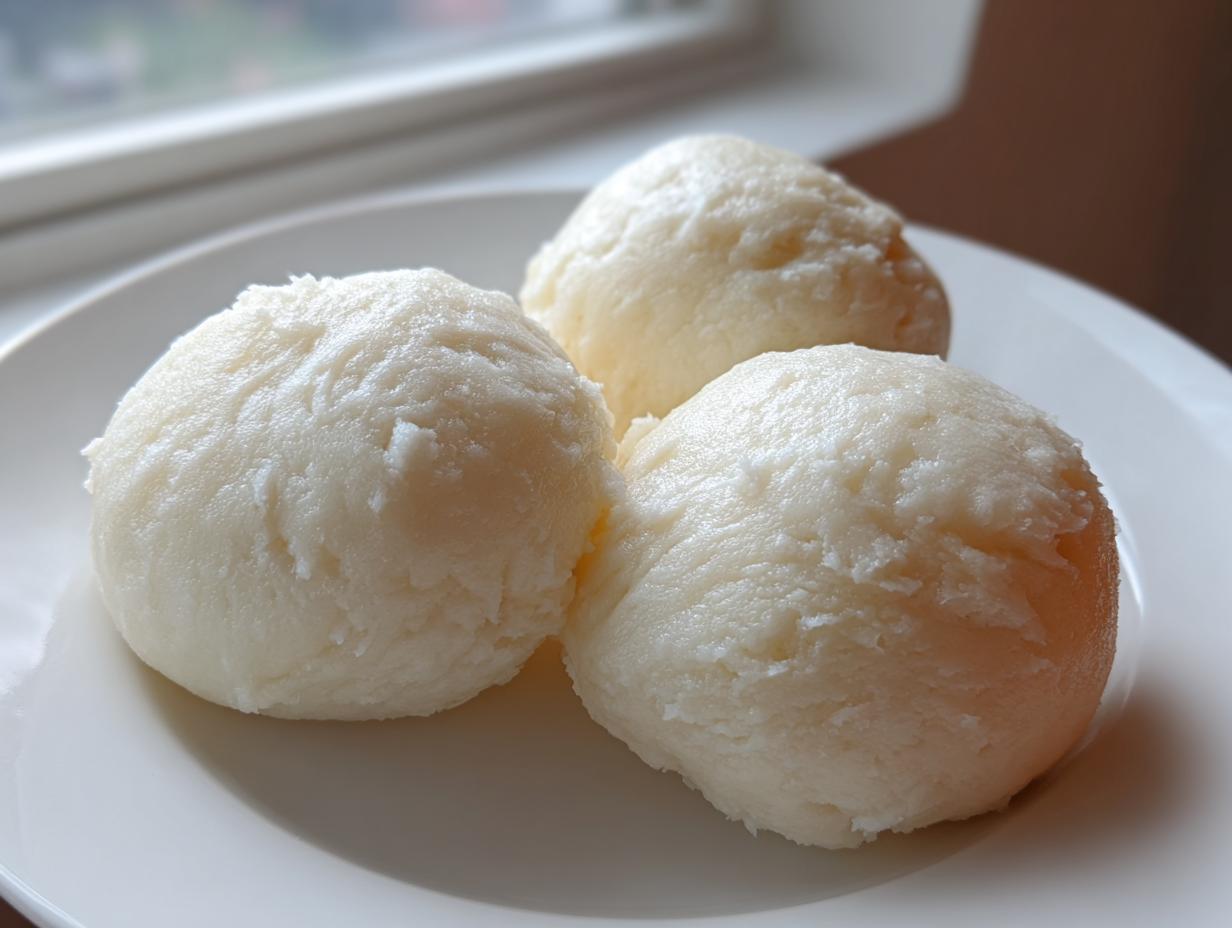
There’s something truly remarkable about the warmth and depth packed into authentic West African Food. It’s the flavor of community, history, and absolute comfort all in one bowl. When I first started exploring global cuisines, I knew I had to master the cornerstone: fufu. This isn’t just a side dish; it is the essential African Staple Dish—the perfect, pliable vehicle for scooping up every last drop of flavorful soup. My professional background taught me precision, but my family taught me that the best food should feel welcoming, not intimidating. That’s why I worked hard to perfect this Easy Fufu Recipe using instant flour. Trust me, we are going to get that signature smooth, stretchy texture without needing to break out the mortar and pestle! If you love quick, meaningful meals, you should also check out my guide on quick, easy weeknight dinners for speedy flavor.
- What is fufu? Understanding This Essential African Staple Dish
- Ingredients for Your Easy fufu Recipe
- How To Make fufu: Achieving a Smooth fufu Dough
- Tips for Success When Making Homemade fufu
- Ingredient Notes and Substitutions for fufu
- Fufu Pairing Ideas: The Perfect Egusi Soup Companion
- Storage and Reheating Instructions for Leftover fufu
- Frequently Asked Questions About Making fufu
- Share Your Authentic African Cuisine Experience
What is fufu? Understanding This Essential African Staple Dish
When you see fufu on a dinner table, you’re looking at the heart of many West African Cuisine traditions. Simply put, fufu is what we call swallow food. It’s not meant to be chewed like bread; instead, you roll a small piece into a smooth ball and use it to scoop up rich, savory soups and stews. It’s the ultimate Comfort Food Recipe because it’s warm, filling, and acts as the perfect texture counterpoint to spicy sauces.
Traditionally, achieving that perfect, elastic texture meant hours of pounding boiled yams or cassava by hand—a real labor of love! But I learned early on that we home cooks need practical shortcuts sometimes. That’s why my method focuses on delivering that authentic, smooth experience using instant flour, making it accessible for everyone wanting to explore Authentic African Cuisine. You can learn more about my philosophy behind bringing cultural recipes home by reading our story, and check out this great external resource defining what fufu is exactly.
Ingredients for Your Easy fufu Recipe
Precision matters here, folks! Even though this is the quick method, getting the ratio right is what separates a decent fufu from the perfectly smooth and pliable dough we want. Because we’re relying on instant flour, make sure you grab a high-quality one—either cassava or yam-based will work just fine, but they absorb liquid differently, so measuring correctly is key! If you’re shopping for this African Staple Dish, look for something labeled ‘instant’ or ‘poundable’ flour.
Here is what you’ll need for about four good servings of this Gluten Free African Dish. We’re keeping it super simple because the work happens during the cooking, not the measuring!
- 2 cups instant fufu flour (Cassava or Yam based preferred)
- 3 cups water (Use fresh, clean water!)
- Pinch of salt (This is totally optional; I usually skip it since the soup will be seasoned.)
Don’t overthink the ingredients list. The magic of this recipe is how few components are required. Just make sure your water is ready to go, because once that flour hits the heat, you can’t walk away!
How To Make fufu: Achieving a Smooth fufu Dough
This is where the magic happens, but you need commitment! I cannot stress enough that you must stir constantly until the fufu dough comes together. If you stop stirring, you’ll end up with lumps hanging out in your pot, and nobody wants that grainy texture when you’re aiming for that perfect Smooth Fufu Technique.
A quick tip from my own kitchen explorations: Ditch the thin rubber spatula here. You need leverage! I always grab one of my solid, heavy-duty wooden spoons when I make fufu. It lets me really press and fold the dough against the sides of the pot, which is crucial for that even cooking.
If you want to see some brilliant stirring action that inspired my own technique, check out this great guide on making 15-minute fufu dough. Ready to dive into the steps? Remember to keep that spoon moving!
Heating the Water and Initial Incorporation of fufu Flour
First, get your 3 cups of water boiling in a pot over medium-high heat. Once it starts a rolling boil—and maybe toss that pinch of salt in now if you decided to use it—immediately drop the heat down to low. Now, take your first cup of the instant fufu flour and sprinkle it very slowly into the water while stirring like crazy. You have to stir constantly here; this initial mixing prevents those dreaded lumps from forming right out of the gate.
Developing the Characteristic fufu Dough Texture
Once that first bit is incorporated, keep adding the rest of the flour gradually, always mixing robustly. Soon, you’ll have a very thick mass, and this is where the real work for our fufu begins. Turn the heat up slightly to medium-low. Now, for the next five to seven minutes, you need to stir, fold, and press that dough against the bottom and sides of the pot. You are cooking out the raw flour taste and developing that signature stretch. You know it’s ready when the whole ball of fufu pulls away cleanly from the pot sides, leaving the bottom almost spotless. It should feel firm but elastic when you press on it.
Shaping and Serving the fufu
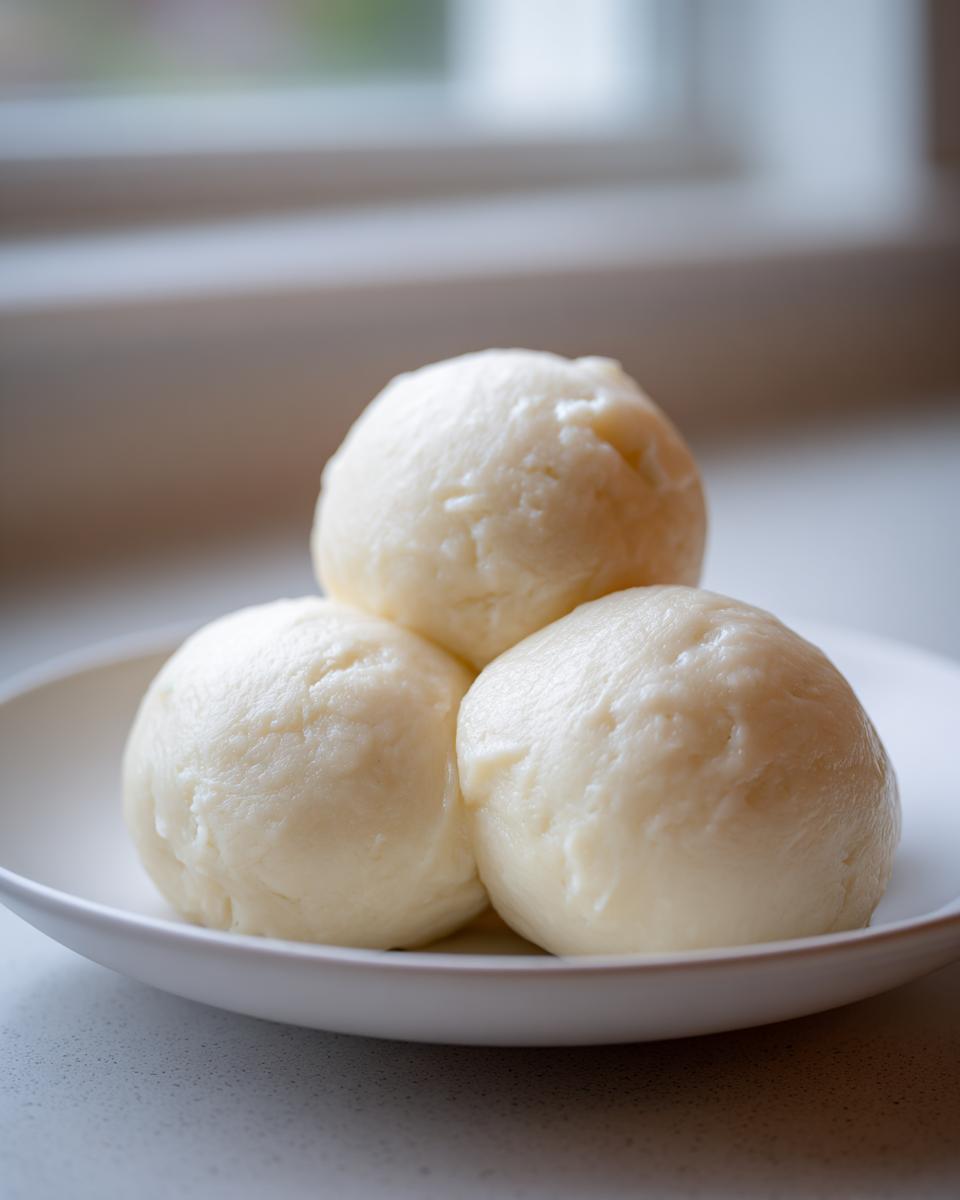
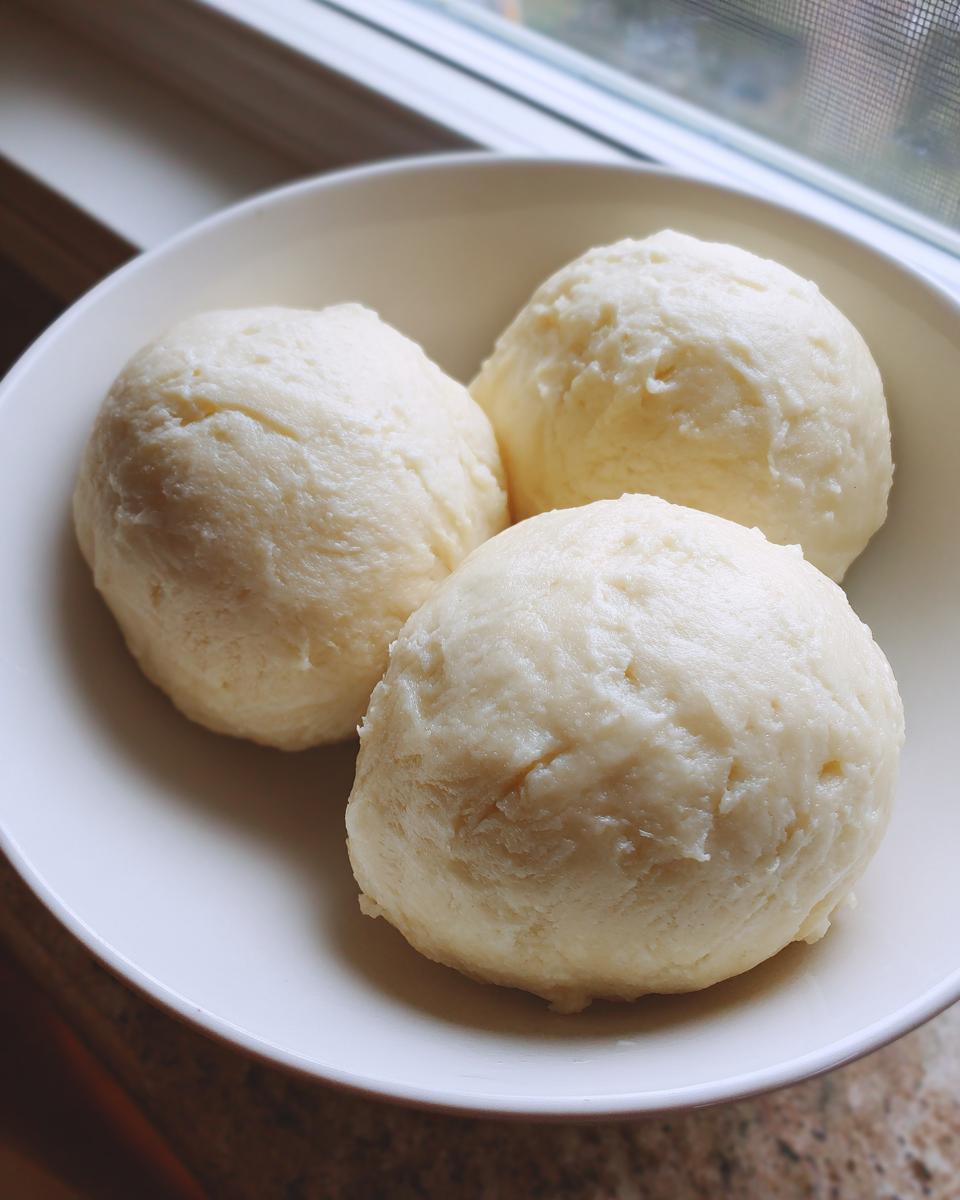
Take the pot off the heat now. You’re done cooking! The final step to present this amazing African Staple Dish is shaping. Quickly wet your hands just a bit—this stops the hot dough from sticking—and scoop out sections. Roll each bit quickly between your palms to form those beautiful, neat, smooth balls. Serve it immediately while it’s piping hot so it can meet up with your favorite soup, like the shortcake I share, but soupier!
Tips for Success When Making Homemade fufu
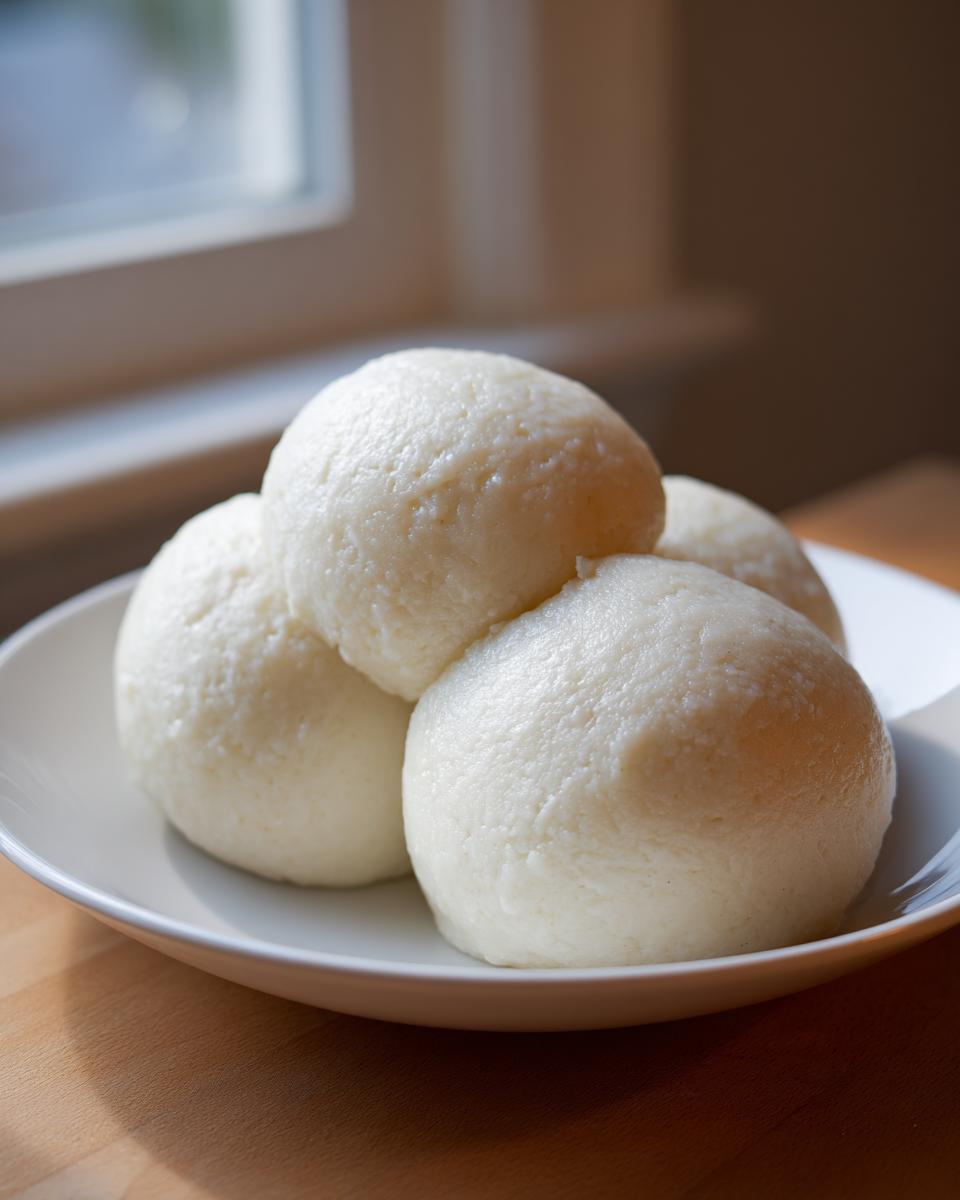
Look, making fufu, even with the instant flour shortcut, requires you to pay attention during that final cooking stage. It’s less of a recipe where you mix and walk away, and more of a technique you have to feel out. Once you master that stirring motion, you’ll be making this African Staple Dish perfectly every single time.
The biggest issue most people run into is getting the consistency just right. If you feel like your fufu dough is too stiff—almost impossible to stir or completely solid—don’t panic and don’t toss it! This just means your flour absorbed slightly more water than expected. Take a tablespoon of hot water, add it to the dough while stirring vigorously over low heat, and keep working it in until it loosens up naturally. It takes a minute or two for the heat to redistribute the moisture, but it saves the batch!
On the flip side, if your fufu seems too soft or mushy, it means you added too much water initially or didn’t cook it long enough. Increase the heat just slightly to medium-low and keep stirring and folding it against the heat source. The goal is to keep evaporating that excess water until it pulls away cleanly. It’s all about patience during those last ten minutes!
For more deep dives into mastering culinary techniques, I break down the precision needed for my Irish Soda Bread, where technique is just as vital. And for those who want to compare different preparation methods for this dish, Chef Lola has some great insights over at her site.
Ingredient Notes and Substitutions for fufu
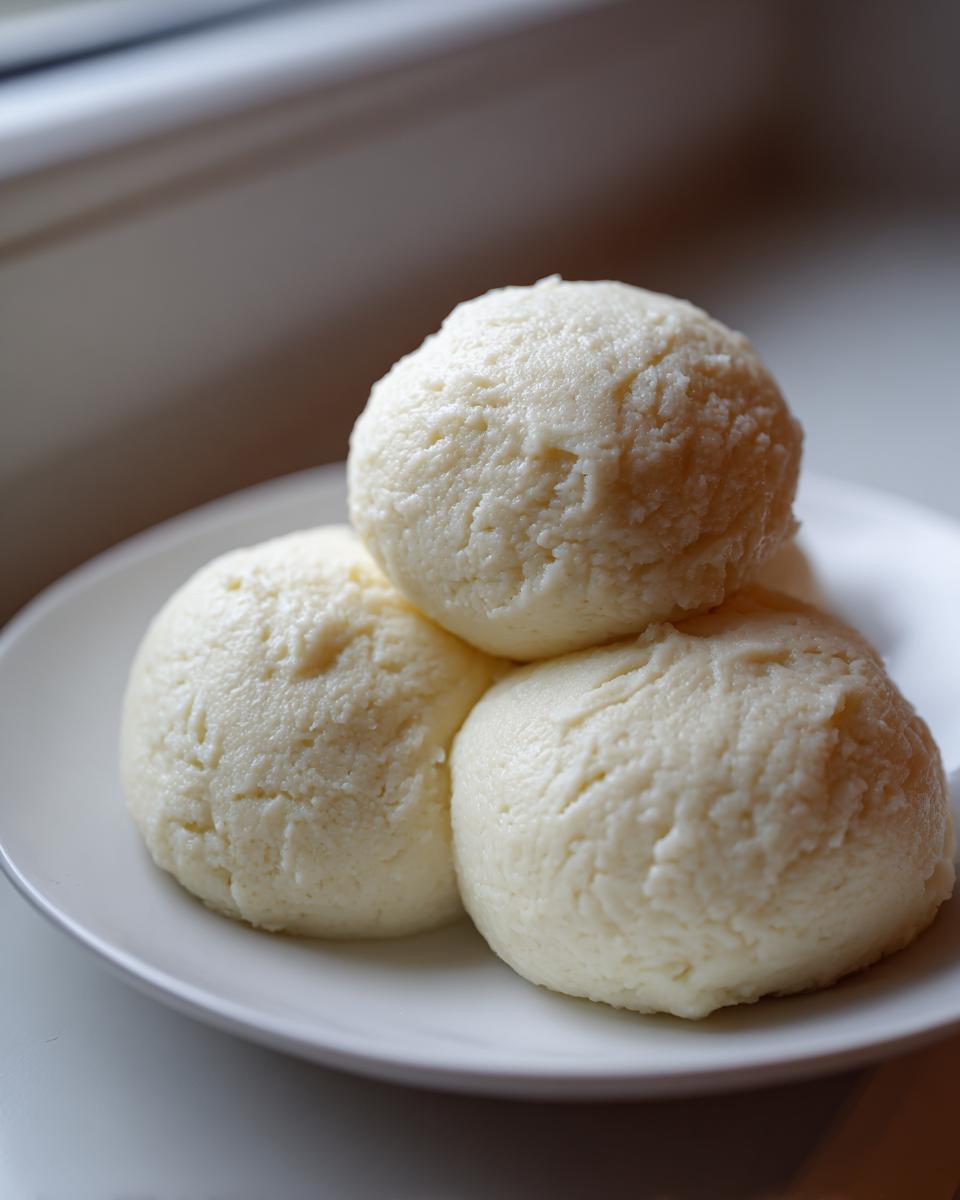
When you buy instant fufu flour, most bags tell you if it’s yam-based or cassava-based. They act a little differently! Cassava fufu often yields a slightly lighter color and a slightly smoother, almost silkier finish, whereas yam flour gives a heartier, denser dough. Both are fantastic examples of an African Staple Dish, but if you’re serving it to someone new, cassava is usually a safe bet for texture.
Now, if you want to peek at true tradition, you skip the flour entirely and boil fresh yams or cassava until they are completely soft, and then you pound them relentlessly! That traditional method builds incredible muscle tone, let me tell you. For now, we stick to the flour so we can get dinner on the table faster. You can see how the experts handle the traditional recipe over at TasteAtlas.
Fufu Pairing Ideas: The Perfect Egusi Soup Companion
Honestly, serving fufu naked is a crime! It’s designed to be the backbone of a spectacular meal, the sturdy, warm foundation that carries all the amazing flavor from your rich West African sauces. You’ve put in all that stirring effort, and now it’s time for the payoff. This is where this dough truly earns its title as the ultimate Egusi Soup Companion.
When planning your Traditional African Meal, think hearty, savory, and complex. My absolute favorite pairing is a spicy, nutty Egusi Soup—the slight resistance of the dough as you scoop up those melon seeds and greens is just heaven. But don’t stop there! This fufu is just as divine with a creamy Peanut Soup Side, or even a vibrant vegetable stew if that’s what you prefer.
Remember, the goal is simple: scoop a small piece of the warm fufu ball, dip it deeply into your soup so it soaks up the sauce, and swallow it whole! It’s an experience, not just a meal. If you’re looking for other great recipes that bring bold flavors to the table, you might want to try my creamy Chicken Corn Chowder, even though it’s a different cuisine. For more inspiration on serving authentic fufu alongside Egusi, check out this super detailed masterclass over here.
Storage and Reheating Instructions for Leftover fufu
Let’s be honest; fufu is absolutely best the moment it comes together. That smooth, elastic texture truly shines when it’s piping hot, fresh from the pot. However, if you’ve made too much of this wonderful African Staple Dish, storing it isn’t impossible, even if it requires a little TLC on the reheat!
You need to store any leftover fufu in a completely airtight container. If you leave it out on the counter, it gets rock hard way too fast. Pop it in the fridge for up to three days. When you’re ready to eat it again, you can’t just microwave it dry—that will turn it into glue. Just take the portion you want, add a tiny splash of hot water (seriously, just a teaspoon at a time), cover it, and microwave it in short bursts until it heats through. A quick steam works wonderfully too!
If you’re interested in other make-ahead meals that are great in the fridge, you might want to look at my recipe for overnight oats!
Frequently Asked Questions About Making fufu
I know that jumping into a new Swallow Food Recipe can feel a bit daunting, but once you try this fufu recipe, I promise you’ll feel like a seasoned pro! These are the questions I always got when I first started introducing this amazing African Staple Dish to my own dinner table. Don’t hesitate to reach out if you have more questions after you’ve tried it; you can always find my contact information right here.
Can I use regular flour instead of fufu flour?
Oh, trust me, you really don’t want to try this with all-purpose wheat flour! That’s the quickest way to turn your dinner into a gluey disaster. Regular flour has too much gluten, and it just won’t develop that soft, stretchy, pliable texture that defines proper fufu. You need the starch consistency found in cassava or yam flour so the dough can properly absorb the water and hold its shape without over-developing.
Since this recipe is starch-based, it’s naturally one of the best Gluten Free African Dishes you can make, which is a huge bonus for home cooks!
How long does the stirring process for fufu take?
This is the most important part for texture! You need to stir vigorously, fold, and press the dough against the bottom of the pot for a good 5 to 7 minutes *after* all the flour is incorporated. This isn’t just mixing; this is cooking the starch completely. If you stop early, your fufu will taste a little powdery, and it won’t have that signature pull. Keep stirring until it starts cleanly leaving the sides of the pan!
If you’re curious about what fufu tastes like without the work, check out this description of the flavor profile here.
Share Your Authentic African Cuisine Experience
Alright, you’ve mastered the stir, you’ve shaped the perfect balls, and now you’re sitting down with a bowl of steaming, flavorful stew. That, my friends, is the payoff! Making fufu for the first time is special because you’ve just connected with a core element of Authentic African Cuisine right in your own kitchen, and I want to hear all about it.
Don’t be shy! I built this entire site to share the joy of cooking, and that means hearing your successes (and maybe even a few funny near-disaster stories!). Did you nail that smooth fufu dough on your first try? Which soup did you finally pair it with? Was it that incredible Egusi or maybe a creamy Peanut Soup?
Drop a star rating below—five stars if you’re feeling generous! And please, leave a comment telling me how it went. Seeing your beautiful results reminds me why I work so hard to simplify these wonderful cultural recipes. If you loved learning how to make this fantastic fufu, maybe your next baking adventure should be my fluffy chocolate chip pancakes!
If you want to see what other folks are cooking up with this recipe, check out the inspiration shared by others on Eden Plate’s site. Happy cooking, and I look forward to reading your notes!
PrintAuthentic West African Fufu Recipe: Smooth Dough for Soups and Stews

Learn how to make smooth, pliable West African Fufu using instant flour. This staple dish is the perfect companion for hearty soups like Egusi or Peanut Soup.
- Prep Time: 5 min
- Cook Time: 10 min
- Total Time: 15 min
- Yield: 4 servings 1x
- Category: Side Dish
- Method: Stirring/Cooking
- Cuisine: West African
- Diet: Gluten Free
Ingredients
- 2 cups instant fufu flour (cassava or yam based)
- 3 cups water
- Pinch of salt (optional)
Instructions
- Measure the water into a medium saucepan and bring it to a boil over medium-high heat. Add the pinch of salt if you are using it.
- Once the water is boiling, reduce the heat to low.
- Slowly sprinkle about one-third of the fufu flour into the boiling water while stirring constantly with a sturdy wooden spoon or spatula. The mixture will begin to thicken immediately.
- Continue stirring vigorously to break up any lumps.
- Gradually add the remaining flour, a little at a time, still stirring constantly. You must mix until all the flour is incorporated and the mixture forms a thick, smooth dough.
- Increase the heat to medium-low. Continue to stir and fold the dough against the sides of the pot for about 5 to 7 minutes. This process cooks the flour fully and develops the characteristic stretchy texture.
- The Fufu is ready when it pulls away cleanly from the sides of the pot and has a uniform, smooth consistency.
- Remove from heat. Wet your hands slightly and mold the Fufu dough into smooth balls.
- Serve immediately with your favorite West African soup or stew.
Notes
- For a traditional pounding method, use boiled yam or cassava instead of instant flour, but this requires significant physical effort.
- If the dough is too stiff, add a tablespoon of hot water at a time while stirring until you reach your desired softness.
- Fufu is best eaten immediately after preparation.
Nutrition
- Serving Size: 1 ball
- Calories: 250
- Sugar: 1
- Sodium: 5
- Fat: 0.5
- Saturated Fat: 0
- Unsaturated Fat: 0.5
- Trans Fat: 0
- Carbohydrates: 58
- Fiber: 2
- Protein: 2
- Cholesterol: 0