

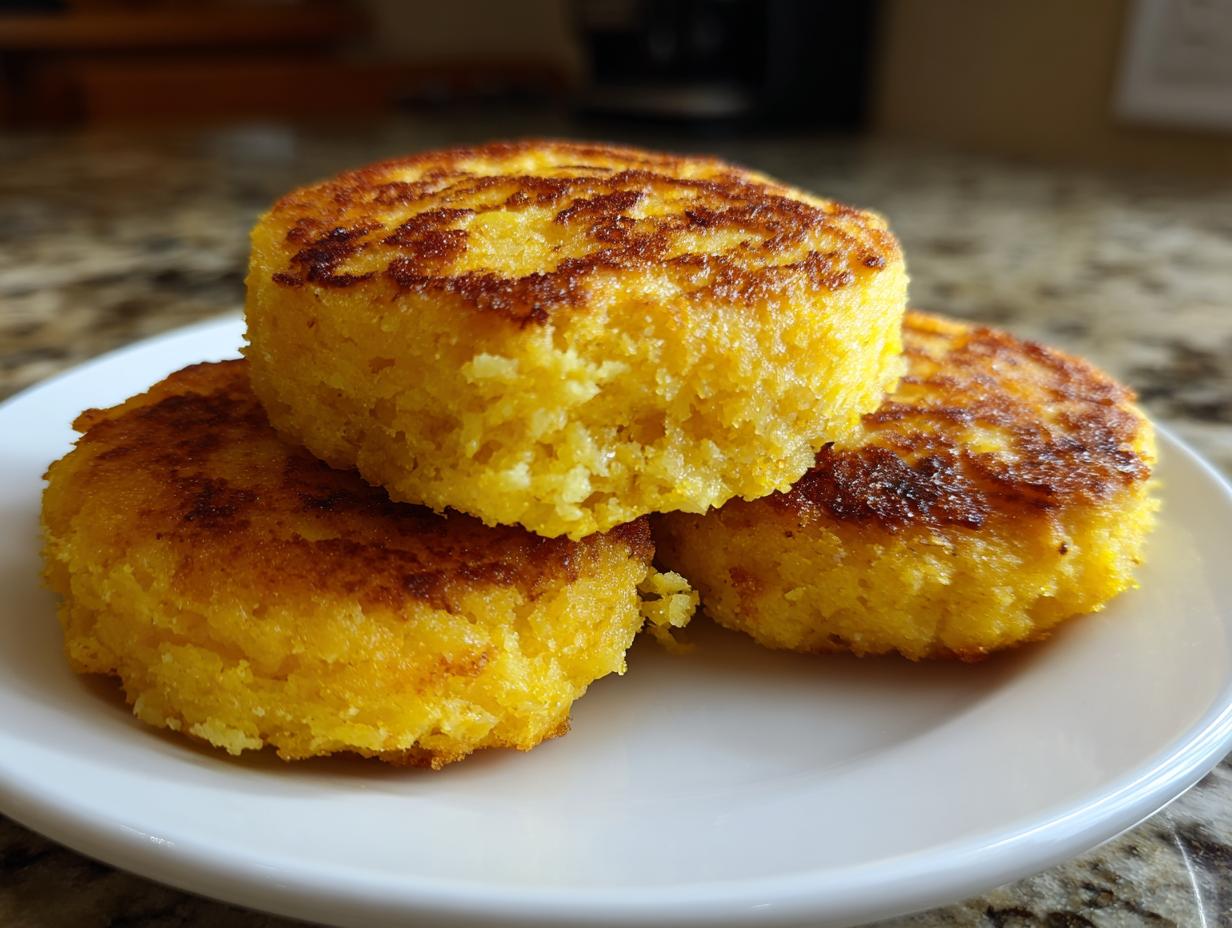
If you’ve never experienced that perfect bite of true Southern cooking—that deep, resounding CRUNCH giving way to something warm and tender inside—well, you are in for a genuine treat today. I traveled all across this country to capture the soul of American cooking, and nothing says simple, time-honored heritage quite like hot water cornbread. This isn’t the cakey stuff baked in a pan; this is the rustic, fried patty that relies only on basic pantry staples to shine. Forget complicated steps; this authentic recipe delivers that unmatched crispy exterior and moist heart that defined comfort food for generations. It’s a staple I fought hard to get just right for Julia Meal, honoring that deep Southern tradition. If you love that old-school Southern taste, you absolutely need to check out my recipe for fluffy buttermilk biscuits next!
- Why This Old-Fashioned Hot Water Cornbread Recipe Works
- Essential Ingredients for Perfect Hot Water Cornbread
- How To Make Hot Water Cornbread: Step-by-Step Frying Technique
- Tips for Perfect Old Fashioned Cornmeal Patties Every Time
- Serving Suggestions for Traditional Southern Sides
- Storage and Reheating for Your Hot Water Cornbread
- Variations on the Classic Hot Water Cornbread Recipe
- Frequently Asked Questions About Hot Water Cornbread
- Nutritional Estimates for This Rustic Cornbread Dish
- Nutritional Estimates for This Rustic Cornbread Dish
Why This Old-Fashioned Hot Water Cornbread Recipe Works
What makes this hot water cornbread rise above everything else? It’s all down to simplicity and technique. We aren’t looking for a light, airy cake here; we want substance you can really sink your teeth into. This method doesn’t involve an oven at all—it’s all on the stovetop, which is why using a well-seasoned Cast Iron Skillet Cornbread is the only way to go in my book. It’s tradition done right!
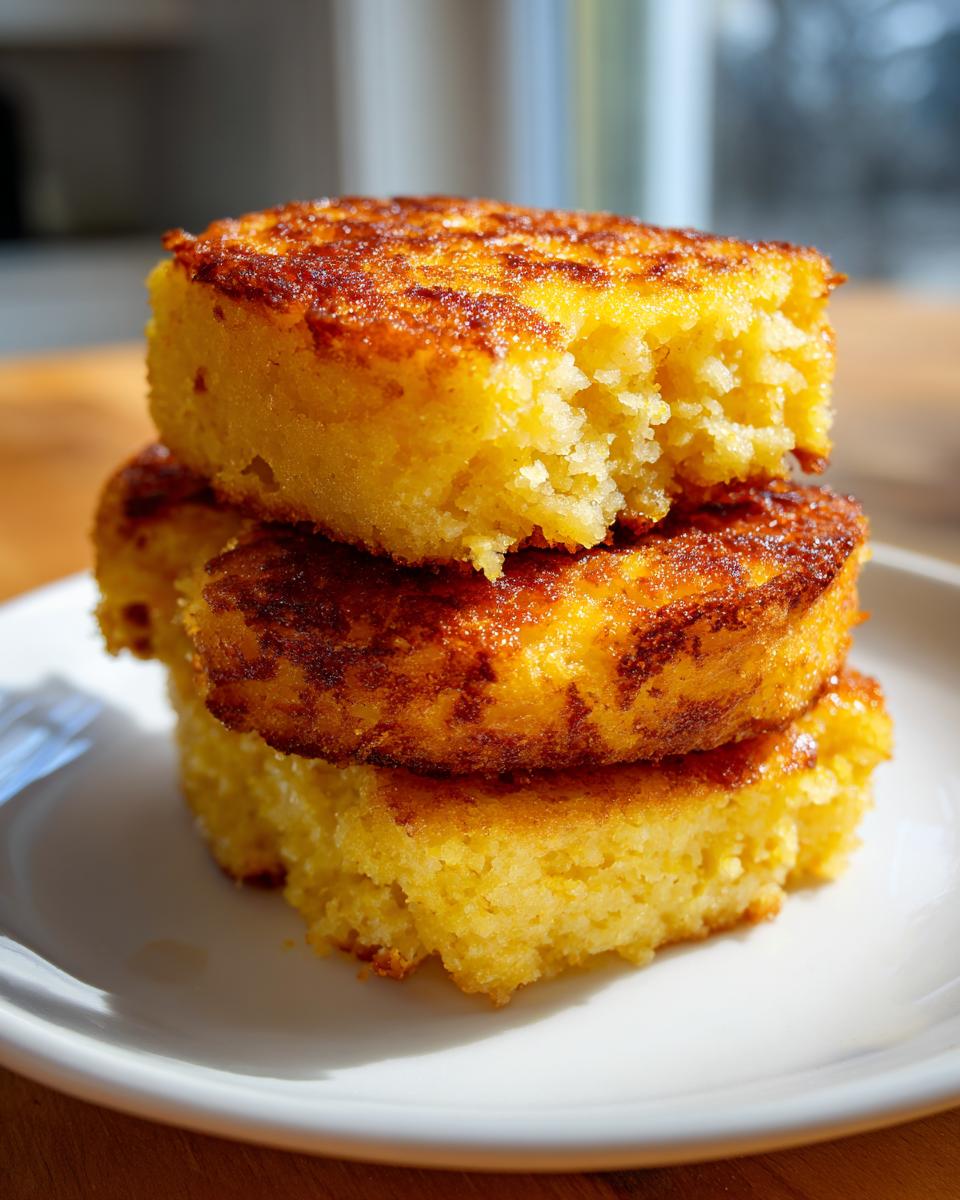
- It uses boiling water, which cooks the cornmeal instantly, setting the structure perfectly for frying.
- It requires very few ingredients, leaning into the true spirit of a pantry staple dish.
- Frying those patties in hot fat guarantees that addictive golden crust every single time.
Achieving Fluffy Inside Crispy Outside Cornbread Texture
This is where the magic happens, folks! When that boiling water hits the dry cornmeal, the starches absorb that heat almost immediately. This process, called gelatinization, traps the moisture inside while also creating a slightly denser, firmer batter than if you used cold milk. That firm inside is what prevents the patty from collapsing when it hits the 350-degree oil, allowing the outside edges to get unbelievably crunchy without the middle turning soggy. It’s science, but it tastes like Sunday dinner!
The Role of Bacon Drippings in Authentic Hot Water Cornbread
Look, you can use vegetable oil, and it’ll be fine. But if you want that deep, unmistakable flavor that screams Southern kitchen, you need bacon drippings. My goal here is authenticity, remember? That little bit of rendered pork fat floating around the skillet gives the cornbread cakes recipe a smoky depth that you just can’t replicate with plain oil. If you skipped the bacon this morning, use a quality vegetable oil, but if you have those magical drippings saved up, use ’em!
Essential Ingredients for Perfect Hot Water Cornbread
When we talk about the Southern Hot Water Cornbread Recipe, we are talking about true roots cooking. This is the kind of food born out of necessity, using what you always have on hand. That’s why I love this recipe so much; it cuts through all the noise and just gives you pure, delicious comfort. You don’t need a lot of fancy stuff, but the items you do use have to be good quality.
Here is exactly what you’ll need to make these patties that are crispy on the outside and wonderfully soft inside. I highly recommend having all your measuring spoons ready before you even boil the water, because once things start, it moves fast!
- 1 cup yellow cornmeal
- 1 teaspoon salt
- 1 teaspoon baking powder
- 1 cup boiling water
- Vegetable oil or bacon drippings, for frying
Ingredient Notes and Substitutions for Cornmeal Cakes Recipe
Every ingredient here plays a part in getting that authentic texture, so listen closely to the details. For the cornmeal, you must use yellow cornmeal, and don’t grab the super fine stuff. The notes I found on the original card stressed medium or coarse ground. That grit is what gives you that incredible structural integrity!
Now, I know some folks cheat and use a mix, like Jiffy, just adding hot water. That certainly makes an easy skillet cornbread, but if you are seeking that deeper, honest flavor, stick to the basic cornmeal. As for sweetness? Traditional hot water cornbread usually has none. We use salt here purely for flavor balance. However, if you just *must* have a touch of sweetness, you can sneak in 1 teaspoon of plain white sugar, but please don’t tell any Southern grandmothers I suggested it!
If trying to explore simple roasted sweet potato recipe next, just remember, corn is king here, and we want its earthy taste to shine through!
How To Make Hot Water Cornbread: Step-by-Step Frying Technique
Alright, buckle up because this is where we turn simple cornmeal into gold! Making proper hot water cornbread isn’t just about putting stuff in a bowl; it’s about timing the heat. Since we’re frying, mastering the Cornbread Frying Technique is everything. This process is fast, so have everything ready to go before you bring that water to a rolling boil.
Mixing the Batter for Crispy Hot Water Cornbread
First things first: grab your bowl with the cornmeal, salt, and baking powder, and give those dry ingredients a good whisk. When your water is ready—and I mean *boiling*, not just hot—pour it in all at once. Seriously, don’t stop. Stir immediately with a spoon or a heat-proof spatula. You want to mix until everything is *just* incorporated. I cannot stress this enough: stop stirring the second you don’t see flour streaks! If you overmix this, you’ll wake up to tough, dense hockey pucks tomorrow, and we want fluffy cakes, not bricks.
Mastering the Cast Iron Skillet Cornbread Temperature
Now for the frying part. Pour a good half-inch of your chosen fat—oil or drippings—into that cast iron skillet. We need that skillet scorching hot, right around 350°F (175°C). If you drop a tiny bit of batter in and it sizzles aggressively right away, you’re good to go. Scoop about two tablespoons of that sticky batter into the hot oil. Immediately take the back of your spoon and gently, but firmly, press that blob down just a bit to flatten it to about a half-inch thick. Don’t fuss with them too much! Fry them for about 3 to 5 minutes on each side until they are that beautiful deep golden brown you see in pictures. You can find more great frying tips over at DIY Joy!
Tips for Perfect Old Fashioned Cornmeal Patties Every Time
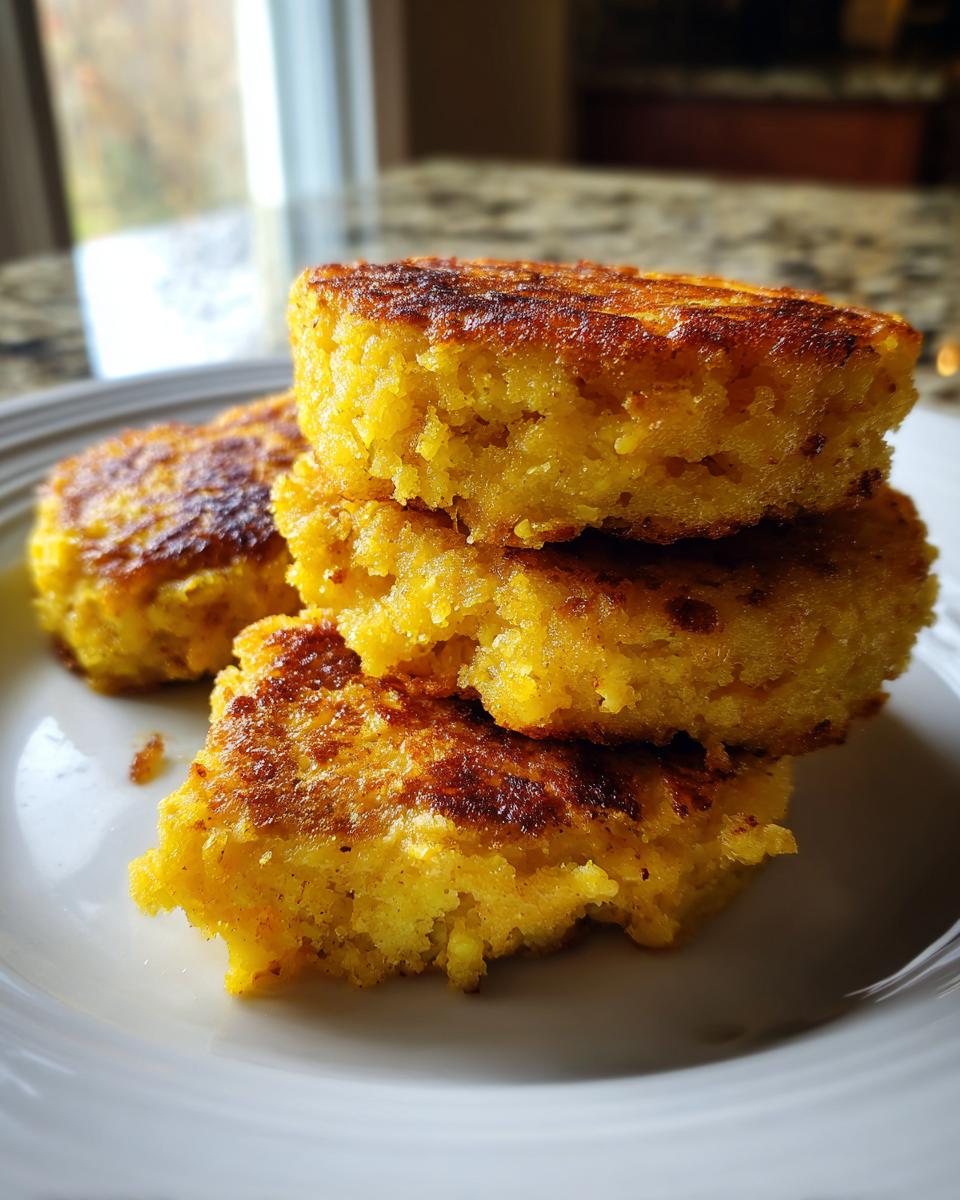
Even though this is such a simple recipe, there are a few little secrets I picked up—the kind of know-how you only learn after burning a few batches! Since we are aiming for those perfect **Old Fashioned Cornmeal Patties**, we need to avoid the sogginess that plagues amateur frying attempts. Trust me, achieving that beautiful contrast—hard, flaky crispness on the outside, soft cornmeal inside—is all about staying disciplined with the heat.
You want to handle the batter as little as possible. That means once you scoop it, drop it straight into the shimmering oil and press it down once. Don’t keep poking it or flipping it prematurely! Let the heat do its job and form that protective crust.
My biggest tip for preventing sticking, especially if you aren’t a seasoned cast iron user, is to make sure your oil is fully heated before the batter goes in. If the oil isn’t hot enough, the patties will soak up the grease like a sponge, ending up heavy and greasy instead of light and crisp. You don’t want that heavy, oily texture when you are going for that Crispy Hot Water Cornbread!
For those who manage to have any leftover (which I doubt you will!), reheating is crucial. Never microwave these! They will turn rubbery instantly. Instead, use a toaster oven or just pop them back into a dry, hot skillet for about a minute per side. That little bit of dry heat will reactivate the crispness perfectly. If you’re looking for other fast finger foods, you absolutely must try my recipe for buttery soft pretzel bites next!
For more brilliant advice on what temperature control means when frying, check out the great insights over at Butter & Baggage. Knowing your oil temperature really is the secret handshake of good Southern frying!
Serving Suggestions for Traditional Southern Sides
So you’ve mastered the art of the perfect, crunchy, golden hot water cornbread patty. Now what? Well, in the South, bread isn’t just a side item you ignore on the edge of the plate; it’s an essential partner to the main event! This stuff is engineered to be the perfect carrier for hearty sauces and savory flavors.
First and foremost, you have to serve them hot. I mean, right out of the draining towel hot. Nothing beats tearing one open immediately, letting that steam out, and slathering it with some good salted butter that melts instantly. Or maybe you like it a little sweet? A drizzle of honey works wonders too!
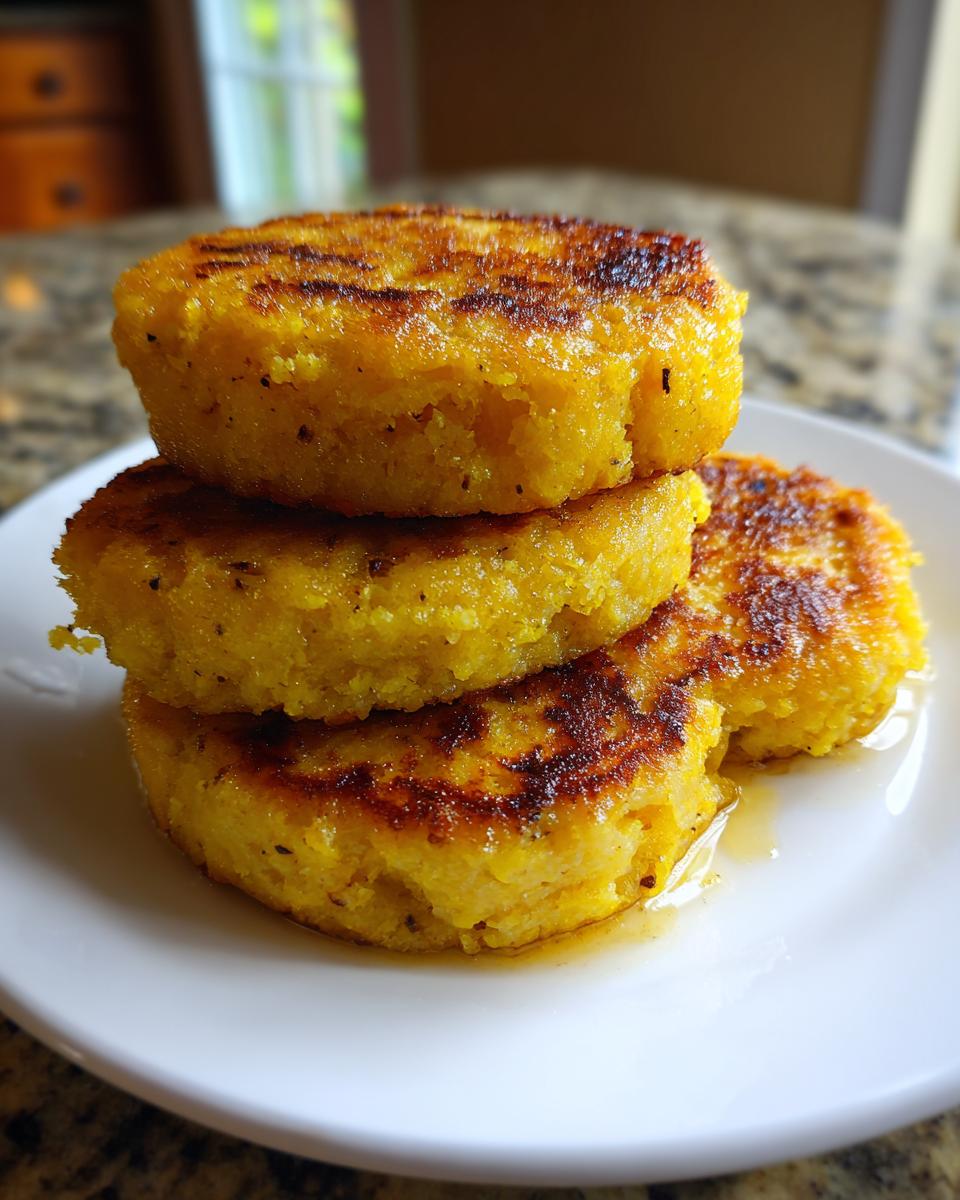
When I’m making these, I always plan the rest of the meal around them. They are absolutely mandatory alongside slow-cooked potlikker, like collard or turnip greens. You need that sturdy little cake to soak up every last drop of that goodness. Check out my recipe for Louisiana Red Beans and Rice—this cornbread is the perfect companion to that smoky richness!
And, of course, you can’t have a true Southern feast without some poultry. These make a far superior side dish to biscuits or white bread when you’re sitting down to some crispy fried chicken. If you want something creamy and comforting alongside, I highly recommend whipping up a pan of my Southern Squash Casserole. Honestly, these little cornmeal cakes are proof that the best Traditional Southern Sides are often the simplest ones!
Storage and Reheating for Your Hot Water Cornbread
It’s tough to imagine having leftovers when they come straight out of the *hot* skillet, but sometimes our eyes are bigger than our stomachs! Fortunately, these hot water cornbread patties store beautifully, especially since we didn’t use any dairy or eggs that tempt fast spoiling.
If you somehow manage to have any left over, keep them stored in an airtight container at room temperature. They’ll stay great for about two days. Now, if you’re storing them longer, the fridge is fine, but we have to talk about reheating. Microwaving these is a cardinal sin, my friends. It turns that beautiful crispy crust into something chewy and sad almost instantly. That’s a textural tragedy we simply cannot abide!
To bring back that legendary crispness—that pure Crispy Hot Water Cornbread experience—you have two excellent options. The absolute best way, if you have one, is to use your toaster oven. Set it to a light toast setting and warm them up for just a few minutes until they are piping hot all the way through. This dry heat re-crisps the exterior beautifully.
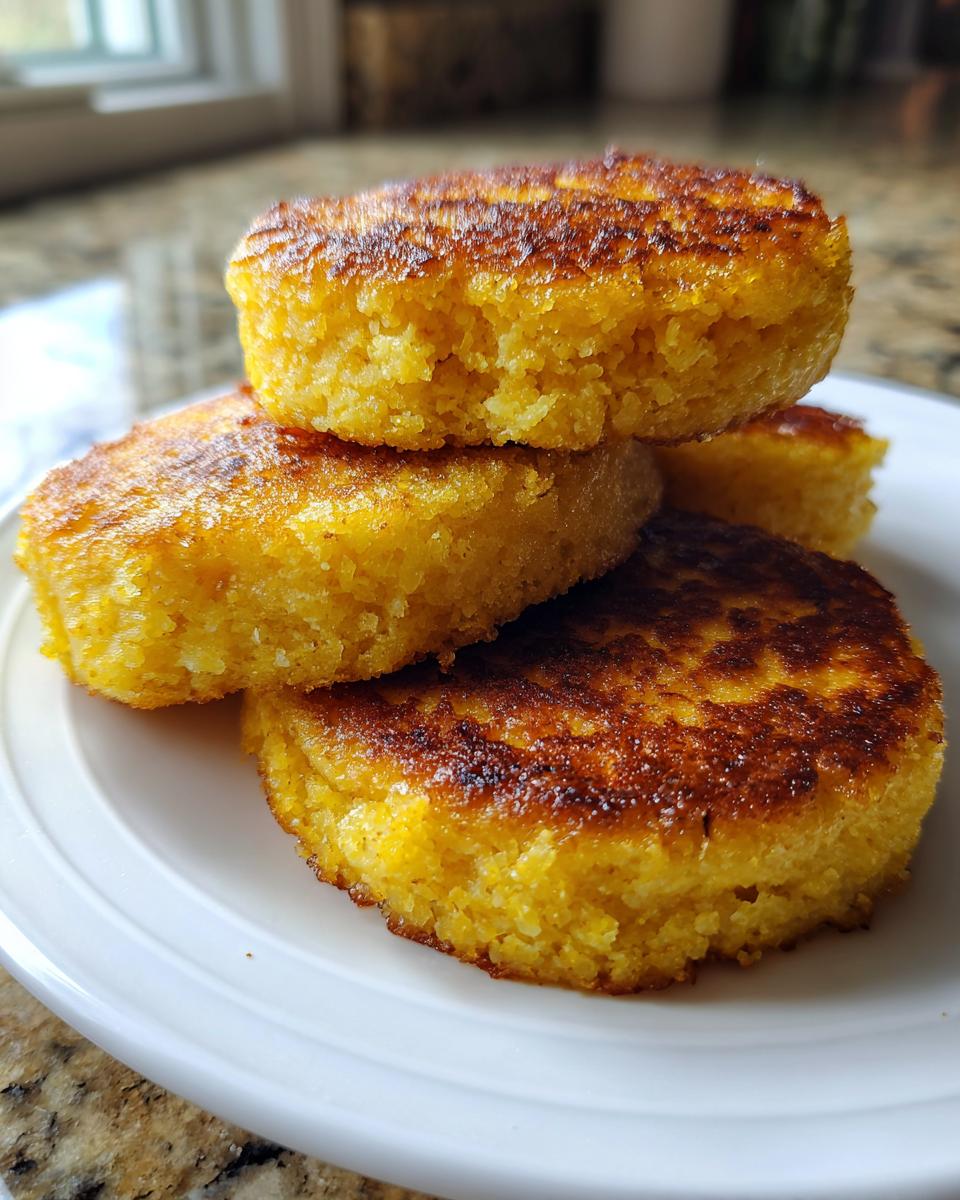
If you don’t have a toaster oven, use your cast iron skillet again! Heat a tiny bit of oil over medium heat—don’t let it get screaming hot like the first time, just happy and warm. Place the patties in the dry-ish pan for just a minute on each side. It wakes them right up! If you want another fast meal idea once those are gone, try my recipe for easy honey BBQ mini meatloaf muffins; they’re fun for a crowd!
I read that people on Simply Home Cooking have great success refreshing them in the oven, too. Whatever you do, just avoid the microwave if you want that authentic crunch still intact!
Variations on the Classic Hot Water Cornbread Recipe
Now, I know sometimes you want to shake things up a little bit. This recipe—this traditional version using just cornmeal, salt, baking powder, and hot water—is my baseline, my pure expression of heritage. But I’ve seen so many folks trying little twists, and that’s the beauty of home cooking, right? Don’t be afraid to tinker once you know the foundation is solid!
If you love a little kick, adding ingredients directly into the batter before frying is super fun. Think about slicing up some fresh jalapeños—you know, the good kind that give you that slow burn—and folding them in. It adds a wonderful surprise heat against the savory corn flavor. If spice isn’t your thing but you want richness, try mixing in about half a cup of shredded sharp cheddar cheese to the dry mix. It melts beautifully in the hot oil!
We also get questions a lot about ways to adapt this for specific dietary needs. For folks looking for Gluten Free Hot Water Cornbread Options, you can absolutely make this work! Since the texture comes primarily from the cornmeal reacting with the hot water, you can swap out the cornmeal for an equal measure of a good quality 1:1 gluten-free cornmeal blend. Just remember that the result might be a little less structurally sound and might spread thinner when you press it in the oil, so handle those little patties with extra care!
If you’re interested in exploring ways to add a little heat safely, I highly recommend checking out how they handle spice in my jalapeño poppers recipe for inspiration on flavor layering.
Making Patti LaBelle Cornbread Recipe Style
I often hear people asking specifically about the Patti LaBelle Cornbread Recipe. And let me tell you, when a culinary legend puts their name on something, you know it’s good! While I am focusing on the most stripped-down, old-school version here, often those celebrity-backed recipes feature slightly different ratios. Sometimes they skip the baking powder entirely and rely more on the hot water reaction, or they might introduce just a tiny bit of sugar to round out that bite. Hers is known for being utterly comforting, and these subtle tweaks often lean toward a slightly softer interior than my super-crunchy approach.
If you try to source that specific flavor profile, you might find recipes that use a little more binding agent, like an egg, or maybe a touch of milk instead of all hot water right at the end. It’s all about personal preference! For inspiration on other amazing Southern flavors, you might want to peek over at Whip It Like Butter; they do a fantastic job with spicy fried variations!
Frequently Asked Questions About Hot Water Cornbread
I know you probably have a few questions after diving into this beautifully simple but specific style of cornbread. It’s one of those dishes where the history and the technique matter a whole lot! I’ve gathered the most common things people ask me when they want to nail that perfect texture for their hot water cornbread.
Can I bake this instead of frying my hot water cornbread?
Here’s the honest truth: you *can* bake it, yes, if you absolutely have to. But if you do that, you’ll lose the very reason we make this dish! Baking it in the oven results in a texture that is much closer to a standard, cakey oven cornbread. The whole point of the “hot water” part is that boiling liquid reacting with the cornmeal right before it hits the hot fat, creating that signature, shatteringly **crispy exterior**. If you bake it, you just get soft bread. Don’t skip the pan-frying!
What is the difference between Hoecakes Recipe and this recipe?
That’s a great question, because the terms get thrown around like loose flour in a drafty kitchen! They are related, but not exactly the same. People often use Hoecakes Recipe and hot water cornbread interchangeably, and that’s okay because they are both flat, fried cornmeal items. However, truly traditional Hoecakes are often thinner, sometimes made with buttermilk or even just cornmeal and water, and they tend to cook up more like large pancakes. This recipe focuses specifically on that slightly thicker, traditional hot-water-based patty that puffs up just a little bit more in the oil for that perfect bread-like interior.
Can I use fine ground cornmeal in my Cornmeal Cakes Recipe?
You absolutely can use fine ground cornmeal if that’s all you have in the pantry, but be prepared for a slightly different result. Remember how I said the medium or coarse grind gives you that wonderful, rustic grit? Well, fine grind flour absorbs liquid much faster. This means you might end up with a batter that feels a bit too thick instantly, and your final product might be a touch less gritty and slightly denser inside. Stick to the medium or coarse ground if you want that authentic bite that makes this Cornmeal Cakes Recipe so special. If you enjoy rich, homemade soups while you’re perfecting your sides, you should try my recipe for easy 30-minute creamy chicken tortilla soup!
Nutritional Estimates for This Rustic Cornbread Dish
I always like to give folks a general idea of what they are eating when they whip up these hearty sides. Keep in mind these numbers are estimates, especially because we are pan-frying, and the amount of oil absorbed can change things! This is based on one patty size from the recipe yields.
- Serving Size: 1 patty
- Calories: 150
- Fat: 8g (with 2g saturated fat)
- Carbohydrates: 18g
- Protein: 2g
- Sugar: 0.5g (This is why I love this Rustic Cornbread Dish—no added sugar here!)
- Sodium: 250mg
These patties are naturally low in sugar because traditional recipes skip it, focusing purely on the savory corn flavor. They carry the fat content from the frying oil, which is what gives them that incredible crispy shell. If you’re looking for other nutrient-rich sides that pair well with savory meals, give my classic chicken salad recipe a try sometime!
Nutritional Estimates for This Rustic Cornbread Dish
I always like to give folks a general idea of what they are eating when they whip up these hearty sides. Keep in mind these numbers are estimates, especially because we are pan-frying, and the amount of oil absorbed can change things! This is based on one patty size from the recipe yields.
- Serving Size: 1 patty
- Calories: 150
- Fat: 8g (with 2g saturated fat)
- Carbohydrates: 18g
- Protein: 2g
- Sugar: 0.5g (This is why I love this Rustic Cornbread Dish—no added sugar here!)
- Sodium: 250mg
These patties are naturally low in sugar because traditional recipes skip it, focusing purely on the savory corn flavor. They carry the fat content from the frying oil, which is what gives them that incredible crispy shell. If you’re looking for other nutrient-rich sides that pair well with savory meals, give my classic chicken salad recipe a try sometime!
PrintAuthentic Old-Fashioned Hot Water Cornbread (Fried in Cast Iron)
Make traditional Southern hot water cornbread patties that achieve a crispy, golden exterior and a moist, fluffy interior using simple pantry staples and a cast iron skillet.
- Prep Time: 5 min
- Cook Time: 15 min
- Total Time: 20 min
- Yield: 8 servings 1x
- Category: Side Dish
- Method: Frying
- Cuisine: Southern American
- Diet: Vegetarian
Ingredients
- 1 cup yellow cornmeal
- 1 teaspoon salt
- 1 teaspoon baking powder
- 1 cup boiling water
- Vegetable oil or bacon drippings, for frying
Instructions
- In a medium bowl, combine the cornmeal, salt, and baking powder. Mix these dry ingredients well.
- Carefully pour the boiling water into the dry mixture. Stir quickly until just combined. The batter will be thick and somewhat sticky. Do not overmix.
- Pour about 1/2 inch of oil or bacon drippings into a cast iron skillet. Heat the oil over medium-high heat until it shimmers, around 350°F (175°C).
- Scoop the batter by spoonfuls (about 2 tablespoons each) and gently drop them into the hot oil. Use the back of the spoon to flatten them slightly into round patties, about 1/2 inch thick. Work in batches to avoid crowding the skillet.
- Fry the cornbread patties for 3 to 5 minutes per side, until they are deep golden brown and crispy on the edges.
- Remove the hot water cornbread from the skillet and place it on a plate lined with paper towels to drain excess oil.
- Serve immediately while hot, often with butter or honey.
Notes
- For the best texture, use medium or coarse ground cornmeal.
- If you prefer a slightly sweeter flavor, you can add 1 teaspoon of sugar to the dry ingredients, though traditional versions often omit it.
- Reheat leftovers in a toaster oven to restore the crispy exterior.
Nutrition
- Serving Size: 1 patty
- Calories: 150
- Sugar: 0.5
- Sodium: 250
- Fat: 8
- Saturated Fat: 2
- Unsaturated Fat: 6
- Trans Fat: 0
- Carbohydrates: 18
- Fiber: 1
- Protein: 2
- Cholesterol: 0