

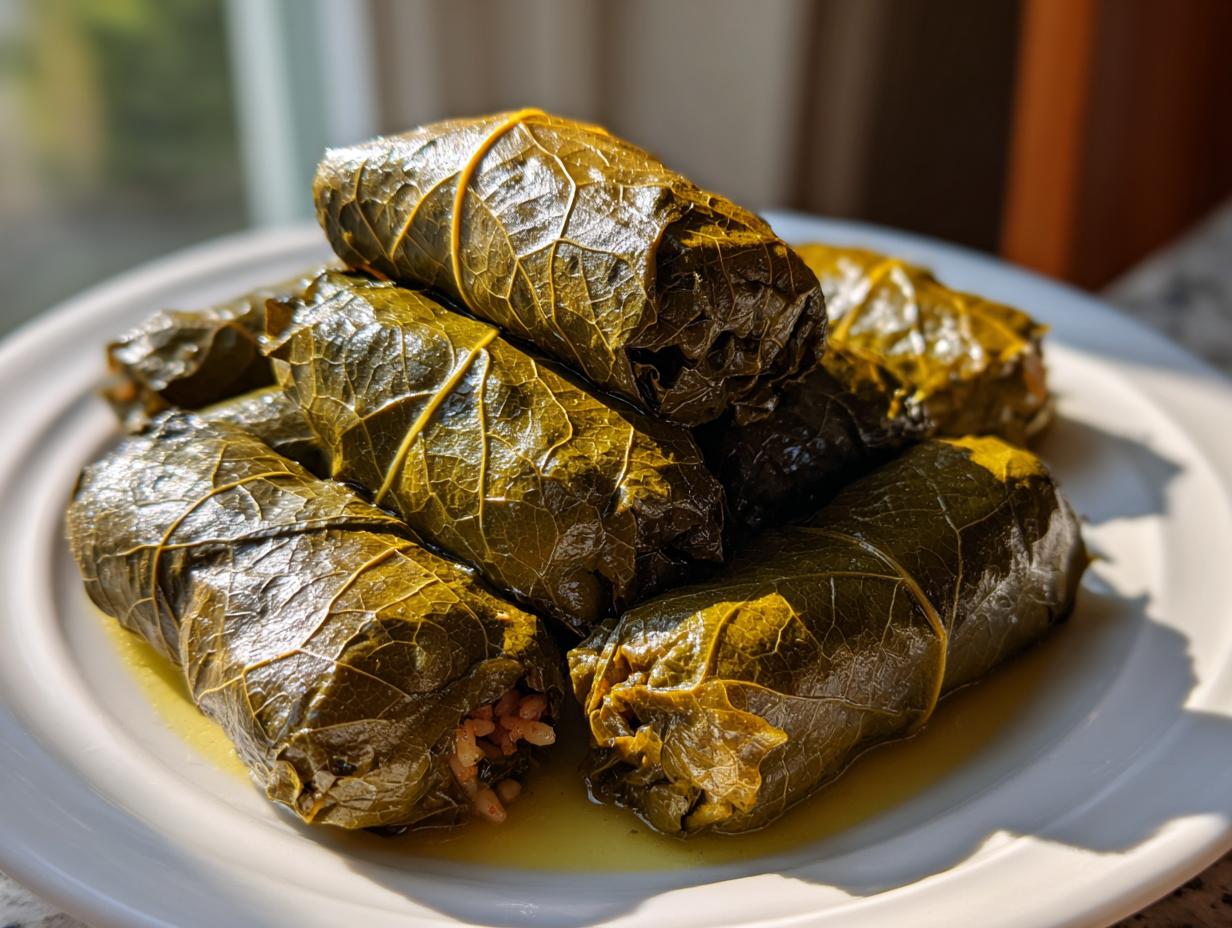
There’s just something about the food from the Mediterranean that instantly feels like coming home, right? It’s sunshine on a plate—fresh, bright, and deeply satisfying without ever being heavy. If you’re looking for that perfect appetizer that hits every note—tangy, herbaceous, and comforting all at once—you’ve found it. I’m Julian, and I spent years learning from the best, always prioritizing the soul of a dish over complicated fuss. That commitment to accessible, authentic flavor is why this recipe for lemony rice-stuffed grape leaves is a permanent fixture on my table. We’re not messing around here; we are diving straight into the balanced, bright flavors that make authentic Dolmades unforgettable. If you love this brightness, you’ll want to check out my guide for an easy classic Greek salad recipe, too!
- Why This Lemony Rice-Stuffed Grape Leaves Recipe Works (E-E-A-T Focus)
- Gathering Ingredients for Authentic Lemony Rice-Stuffed Grape Leaves
- Step-by-Step Instructions for Lemony Rice-Stuffed Grape Leaves
- Tips for Perfect Lemony Rice Dolmades Recipe Results
- Serving Suggestions for Tangy Rice Wrapped in Vine Leaves
- Storage and Reheating Instructions for Homemade Sarma with Lemon
- Frequently Asked Questions About Authentic Greek Dolmades Recipe
- Nutritional Estimates for Lemony Rice-Stuffed Grape Leaves
- Share Your Bright Flavored Vegetarian Rolls Experience
Why This Lemony Rice-Stuffed Grape Leaves Recipe Works (E-E-A-T Focus)
When I learned to make dishes like this, the focus was always on quality and technique, not shortcuts. That’s what makes this recipe something you can truly trust. It honors the tradition of slow cooking while delivering that vibrant, unforgettable character that defines great Mediterranean food. Because we rely on simple methods and stellar ingredients—like great amounts of fresh lemon—we get incredible payoff. If you’re looking for another bright dish to balance your meal, you might love my lentil salad with a lemon vinaigrette.
- We’ve mastered the filling so you get that perfect texture in every single bite of these lemony rice-stuffed grape leaves.
- It’s completely vegetarian! This is a naturally plant-forward dish that satisfies everyone at the table.
- The entire process, from rolling to the final simmer, is about infusing the flavor deep into the rice, not just coating the outside.
The Secret to Bright, Tangy Flavor in Your Lemony Rice-Stuffed Grape Leaves
The key isn’t just one squeeze of lemon at the end, oh no. I put zest right into the raw filling so it blooms when heated, and then the bulk of the fresh lemon juice goes into the broth. This dual approach guarantees that tangy, bright punch shines through every single grain of rice.
Achieving Tender, Perfectly Cooked Rice and Herbs Stuffed Leaves
We use short-grain rice because it releases a little starch, which helps bind things beautifully. But the real secret to tender **Rice and Herbs Stuffed Leaves** is gentle heat. You want a slow, thoughtful simmer after layering them tightly. Don’t rush that cooking time!
Gathering Ingredients for Authentic Lemony Rice-Stuffed Grape Leaves
Okay, you’ve got your confidence, now let’s talk about what goes into these magical rolls. Buying quality ingredients makes a huge difference here, especially when we are keeping the profile so simple and clean. You’ll want to invest in good, fruity **olive oil**—I mean, we use it in the filling and the cooking liquid, so make it count! That high-quality oil, combined with lots of fresh lemon, is what develops that deep, amazing flavor profile we are chasing for our **lemony rice-stuffed grape leaves**.
Remember, precision matters with the herbs; we aren’t looking for a single dominant flavor, but a chorus. If you ever need a great companion for dipping, make sure you check out my recipe for olive oil bread dip. Here is what you need to pull together.
Grape Leaves and Rice Preparation Notes
For the leaves, keeping it simple with the jarred kind is totally fine—just be sure to rinse them really well to get all that preserving brine off. A quick 15-minute soak in warm water softens them right up. As for the rice, use short-grain rice, like Arborio or Calrose, not long-grain basmati. The short grains cook up perfectly plump and sticky inside the rolls.
Selecting Fresh Herbs for How to make Lemoni Rice Filling
This is where we build the backbone of the flavor. You need plenty of fresh parsley, dill, and mint. I always toss in a little bit of fresh tarragon, too—it adds this unexpected, slightly anise-like undertone that makes people ask what my secret is! This combination defines the **How to make Lemoni Rice Filling** process; use them generously!
Step-by-Step Instructions for Lemony Rice-Stuffed Grape Leaves
Alright, now we get to the fun part—the assembly! Don’t let the idea of rolling scare you off. Once you get the rhythm, you’ll be flying through these. Think of this as kneading dough, but wrapped in soft leaves. We’ll handle everything, from that beautiful rice filling to getting them nestled just right in the pot so they cook evenly.
Preparing the Bright Lemony Rice Filling
First things first: the filling. You’ve got your gorgeous herbs chopped, your onion finely minced, and your raw, short-grain rice ready to go. Dump everything into a big bowl. This is the base for our wonderful **Vegan Stuffed Grape Leaves**! Now, add the oil, the lemon zest, and that first quarter-cup of fresh lemon juice. Use your hands—seriously, get in there! You need to massage this mixture until every single grain of rice looks slick and coated in that bright, citrusy oil. It shouldn’t look dry or clumpy; it should look like it’s ready to absorb all that flavor while it cooks.
Mastering the Easy Grape Leaf Rolling Technique
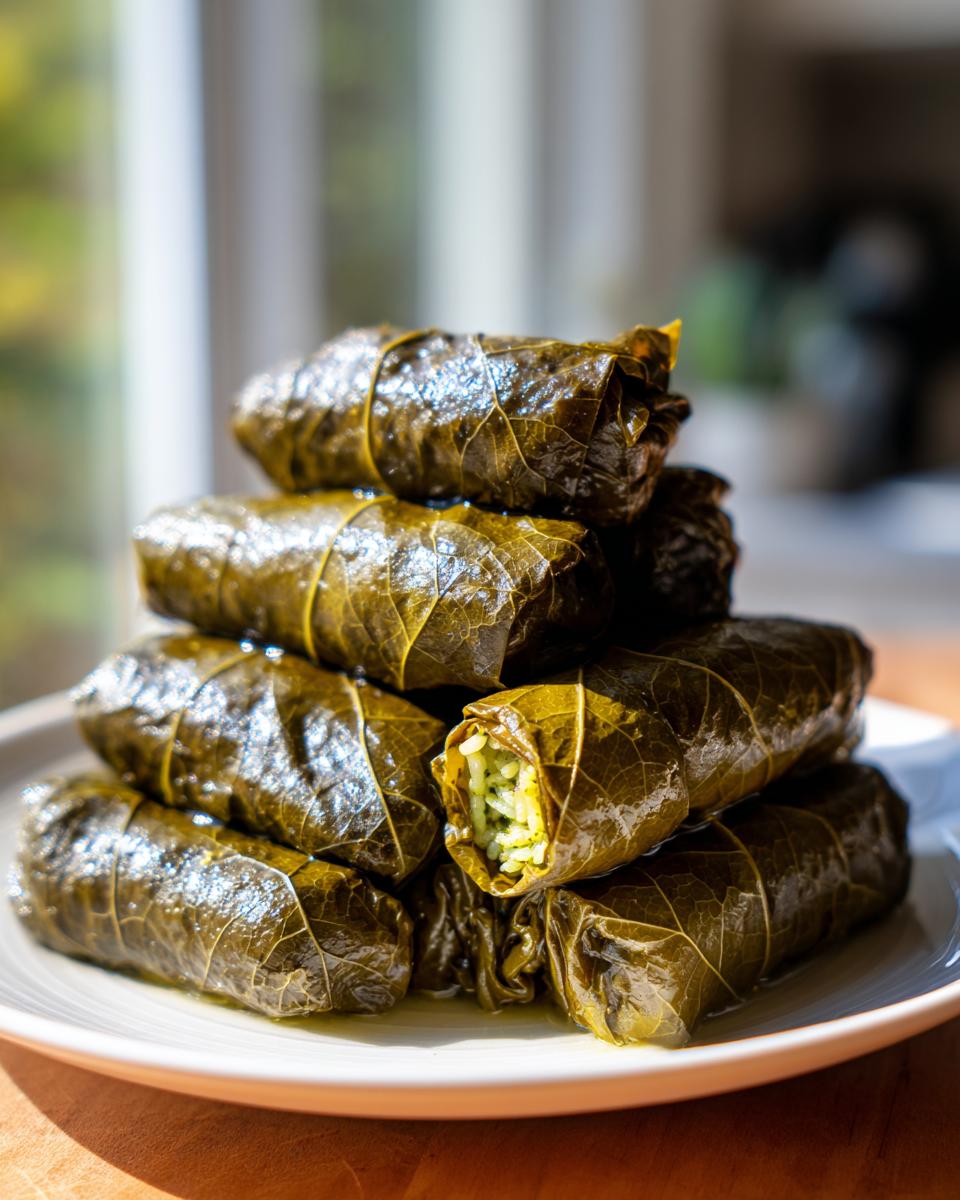
This takes practice, so have patience, especially with the first few leaves! Lay one of your soft, rinsed grape leaves flat on your cutting board with the shiny side down. You want the pointed end facing away from you. Put just about a teaspoon—don’t put too much in, or they’ll burst!—of that seasoned rice mixture near the thick stem end. Fold the sides of the leaf inward, overlapping them slightly over the filling. Then, keeping it snug, roll it tightly up toward the tip, making a little compact log. It should look like a tiny, perfect spring roll. Keep rolling until you run out of rice. Trust me, if you try a few, you’ll find your own pace. You can always review a visual guide on an easy grape leaf rolling technique if you need a fast refresher!
Arranging and Cooking Your Lemony Rice-Stuffed Grape Leaves
This part is critical for ensuring the rolls don’t fall apart. Take your heaviest pot—a Dutch oven works wonders—and line the very bottom with any torn or ugly grape leaves you couldn’t use, or even some onion scraps. This padding protects your beautifully rolled **lemony rice-stuffed grape leaves** from scorching. Now, pack them in tightly! Lay them in concentric circles, seam-side down. They need to be snug so they don’t drift around while boiling. Once they are packed in tight, we prepare the **Classic Lemony Broth for Dolmades**. Whisk together your broth or water with the remaining half-cup of lemon juice and a couple of tablespoons of good olive oil. Pour this liquid gently over the top until the rolls are just barely covered. The final secret? Take a sturdy, heatproof plate and set it directly on top of the rolls. This weight keeps them submerged and prevents them from unraveling while they simmer.
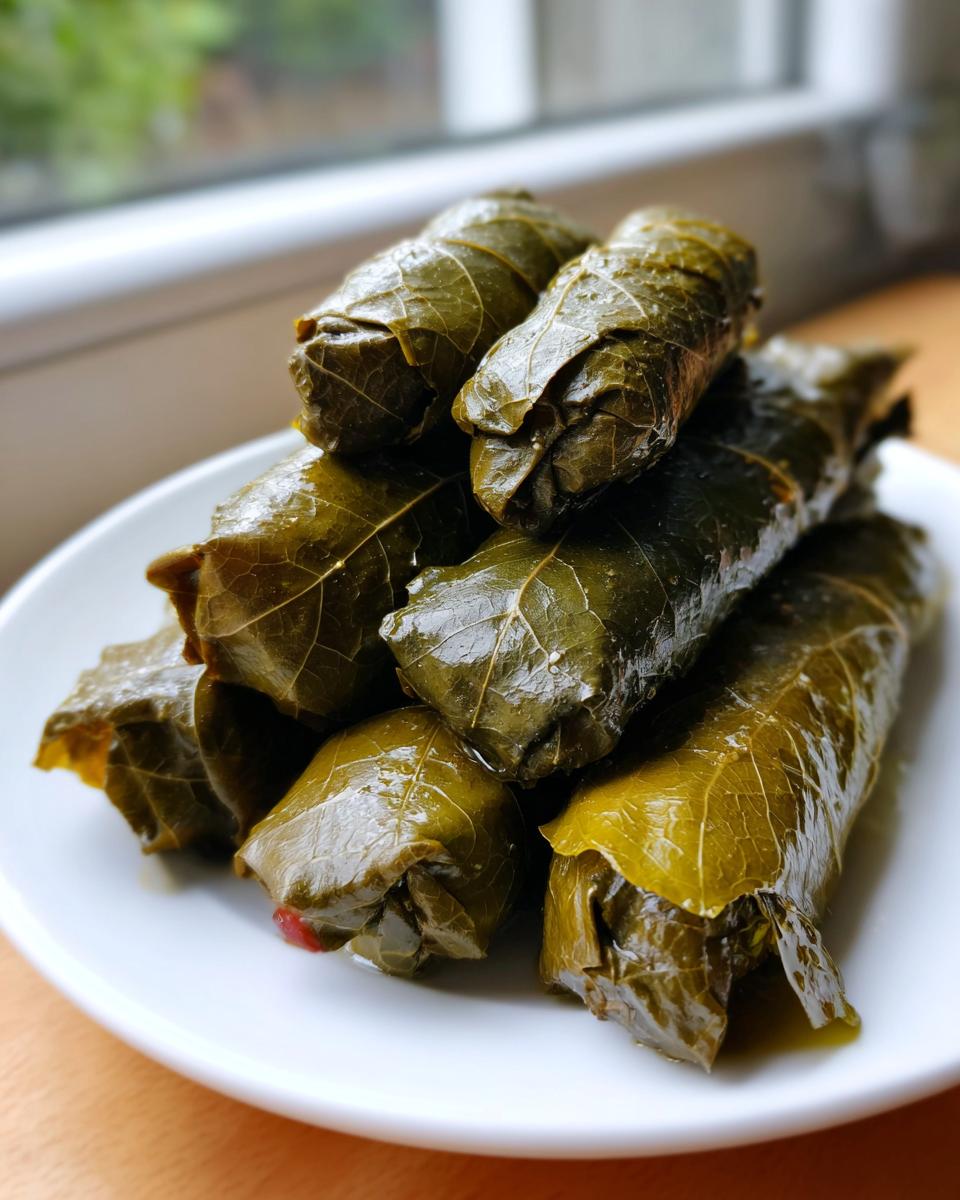
Bring that pot to a boil over medium-high heat. The second you see those first happy bubbles, turn it down to the lowest possible simmer. Cover the pot tightly and let them cook, undisturbed, for 50 to 60 minutes. The rice needs that long, slow steam to get tender and absorb all that beautiful, **tangy rice wrapped in vine leaves** flavor.
Tips for Perfect Lemony Rice Dolmades Recipe Results
Even with the best recipe in hand, sometimes little things sneak up on you in the kitchen, especially when dealing with delicate rolls like these. My goal with every dish is to give you the confidence to nail it on the first toss! If you follow these guidelines for your **Lemony Rice Dolmades Recipe**, you’ll get soft, tender results every time. For another bright, lemony companion dish, you really should check out my recipe for Lemony Greek Chickpea Soup.
Addressing Common Issues with Stuffed Grape Leaves with Lemon
I cannot stress enough the importance of that plate you put on top! If your rolls seem determined to unravel during the simmer, it’s because they are floating and jostling around. That heatproof plate acts like a gentle anchor, keeping them secure so the rice settles instead of escaping. Also, remember the resting time after you turn the heat off—that extra 30 minutes of steeping in the warm, lemony broth finishes cooking the rice evenly throughout the center. If you skip that rest, you risk having slightly hard centers to your **Stuffed Grape Leaves with Lemon**.
Serving Suggestions for Tangy Rice Wrapped in Vine Leaves
These **Tangy Rice Wrapped in Vine Leaves** are designed to be that perfect little flavor burst to start a great meal, or they’re fantastic piled high on a platter for a party. Because they are naturally bright and tart, they pair beautifully with anything rich or salty. You absolutely have to serve them at room temperature, maybe with a little drizzle of your best finishing olive oil right before they hit the table. If you need another appetizer that offers a creamy counterpoint to all that lemon brightness, you might enjoy my recipe for a creamy horseradish sauce—it’s surprisingly good alongside!
Storage and Reheating Instructions for Homemade Sarma with Lemon
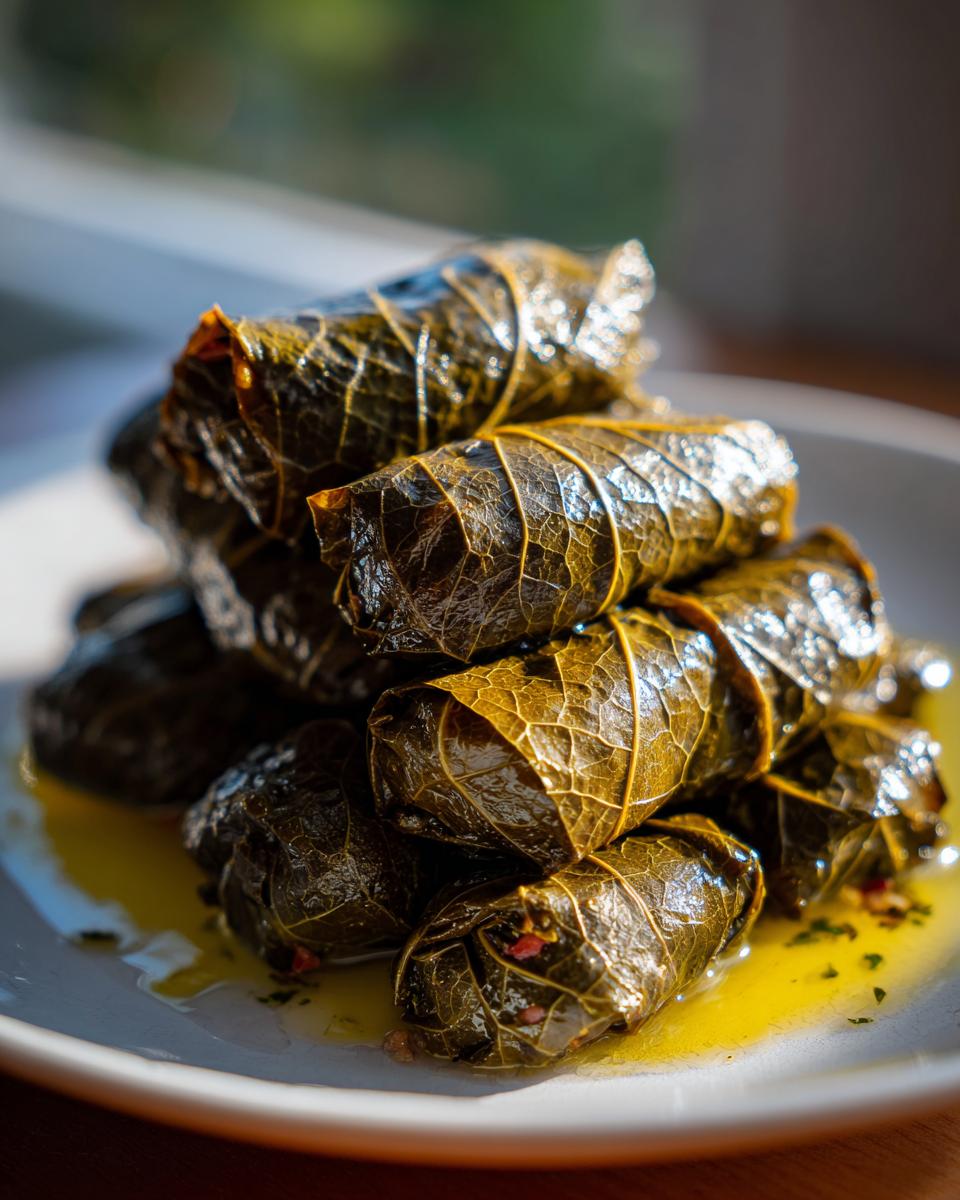
The best part about making a big batch of these **lemony rice-stuffed grape leaves** is that they taste just as good, maybe even better, the next day. That little bit of rest lets all those herbaceous, lemony flavors really meld together. I always make extra just for lunch the next day!
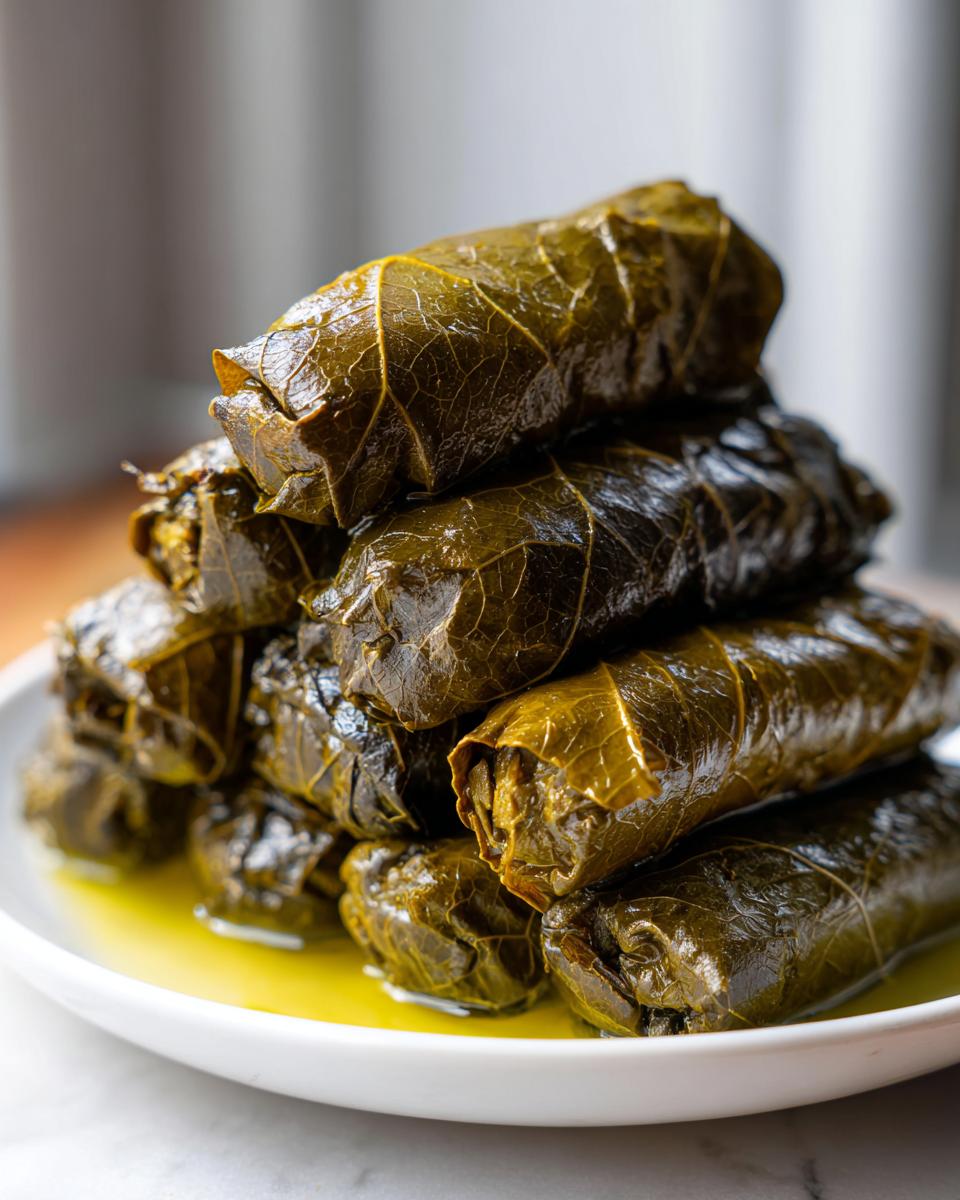
Once the pot has cooled down completely—and I mean totally cooled, after that initial 30-minute rest—you can just tuck the whole pot, plate and all, into the fridge. They keep beautifully for about two or three days. You want to store the **Homemade Sarma with Lemon** submerged in any remaining cooking liquid if you have it. That liquid is just pure, concentrated lemon flavor, and it keeps them from drying out.
Now, when it comes to reheating, please, for my sake, don’t go grabbing that microwave. It just doesn’t do these delicate little rolls justice. The best way to reheat your **Homemade Sarma with Lemon** is low and slow. Transfer them back into a shallow pot, add a splash of water or vegetable broth if they look dry, place that plate back on top, and warm them gently over very low heat until they’re just warmed through. You are essentially just coaxing them back to serving temperature, not re-cooking them. Steaming them gently also works wonders if you want them perfectly plump again!
Frequently Asked Questions About Authentic Greek Dolmades Recipe
I know sometimes it feels like every recipe has a tricky little step, so let’s just clear up any confusion about making these **Authentic Greek Dolmades Recipe** at home. I’ve worked hard to make this process as straightforward as possible, but a few questions seem to pop up every time I share this recipe. We want your kitchen to be full of that bright, citrusy aroma, not frustration! I think you’ll find this recipe is just as good as the one I go into detail about on my dedicated page for the authentic Greek dolmades recipe.
Can I use dried rice instead of uncooked rice in my lemony rice-stuffed grape leaves?
Oh, absolutely not, sweet friend! This is one place where you can’t take a shortcut. This recipe relies on uncooked, short-grain rice because it needs that raw grain to absorb all the rich, lemony cooking broth during that long, low simmer. If you try to use pre-cooked or dried rice, the texture will be all wrong—it won’t puff up right, and you’ll end up with flavorless, mushy rolls. Stick to the uncooked, short-grain rice listed for the best **lemony rice-stuffed grape leaves** experience!
What is the Traditional Dolmades Cooking Time?
The cooking process has two parts, and both are equally important for making true **Stuffed Grape Leaves with Lemon**. You need to simmer them gently, covered, on the lowest possible heat for 50 to 60 minutes until the liquid is absorbed. But don’t serve them right away! That crucial second step is letting them cool down completely in the pot after you turn the heat off—that’s a solid 30 minutes of resting time. That’s how the rice finishes steaming to utter perfection!
Is this recipe naturally Vegan Stuffed Grape Leaves?
It absolutely is! That’s one of the things I love most about this style of **Authentic Greek Dolmades Recipe**. The filling is built entirely on rice, fresh herbs, zest, and olive oil. As long as you use water or vegetable broth in your cooking liquid instead of chicken or beef broth, you’ve got yourself a show-stopping, delicious platter of **Vegan Stuffed Grape Leaves**. Easy, right?
Nutritional Estimates for Lemony Rice-Stuffed Grape Leaves
When we focus on simple, whole ingredients like we do in Mediterranean cooking, the nutrition often takes care of itself! Since this recipe is packed with rice, fresh herbs, and healthy olive oil, it’s a beautifully balanced vegetarian option for an appetizer. I ran the numbers on these **lemony rice-stuffed grape leaves** so you have a good idea of what you’re enjoying.
Now, keep in mind, these are just estimates based on the ingredients I listed—your portion size and exact oil use can change things slightly. But this gives you a great baseline!
- Serving Size: 4 rolls
- Calories: 210
- Fat: 12g (mostly healthy unsaturated fats!)
- Carbohydrates: 24g
- Protein: 4g
- Sugar: 1g
It’s a fantastic way to get in a good serving of herbs and grains without loading up on heavy fats or sugars. Enjoy them knowing they taste amazing and are packed with flavor, not empty calories!
Share Your Bright Flavored Vegetarian Rolls Experience
Well, there you have it! My absolute favorite way to make these vibrant, tangy **lemony rice-stuffed grape leaves**. I truly hope you found this guide helpful and that the process felt accessible, even if rolling is new to you. When you use this method—especially really focusing on that lemon-infused cooking bath—you get that authentic, bright pop in every single tender roll.
I put my heart into making sure you get the *best* **Authentic Greek Dolmades Recipe** right in your own kitchen. Now it’s your turn! I want to hear all about it. Did you sneak in some extra dill? Did your family love this **Bright Flavored Vegetarian Rolls** dish?
Please leave a star rating below, and don’t be shy about dropping a comment if you have questions or want to share a substitution that worked for you. Seriously, hearing from you makes my day! If you snap a picture of your beautifully arranged **Tangy Rice Wrapped in Vine Leaves** platter, tag me on social media or send it over through the contact page. Happy cooking, and I can’t wait to see what you create!
PrintAuthentic Lemony Rice-Stuffed Grape Leaves (Dolmades)

Make bright, tangy rice-stuffed grape leaves using a traditional method where the rolls simmer in a lemon-infused broth. This recipe yields tender, flavorful vegetarian dolmades perfect as an appetizer.
- Prep Time: 45 min
- Cook Time: 60 min
- Total Time: 1 hour 45 min
- Yield: 4 servings 1x
- Category: Appetizer
- Method: Simmering
- Cuisine: Mediterranean
- Diet: Vegan
Ingredients
- 1 jar (16 ounces) preserved grape leaves, rinsed well
- 1 cup short-grain rice (Arborio or Calrose), uncooked
- 1 large yellow onion, finely chopped
- 1/2 cup fresh parsley, chopped
- 1/4 cup fresh dill, chopped
- 2 tablespoons fresh mint, chopped
- 1/4 cup fresh tarragon, chopped (optional, for depth)
- 1/2 cup olive oil, plus more for drizzling
- 1/4 cup fresh lemon juice, plus 1/2 cup for cooking liquid
- 1 teaspoon lemon zest
- 1 teaspoon salt
- 1/2 teaspoon black pepper
- 4 cups vegetable broth or water
- 2 tablespoons extra virgin olive oil (for the cooking pot)
Instructions
- Prepare the grape leaves: If using jarred leaves, soak them in warm water for 15 minutes to soften, then rinse thoroughly and pat dry. Trim the tough stems if present.
- Make the rice filling: In a large bowl, combine the uncooked rice, chopped onion, parsley, dill, mint, and tarragon.
- Season the filling: Add the 1/2 cup olive oil, 1/4 cup lemon juice, lemon zest, salt, and pepper to the rice mixture. Mix everything well by hand until the rice is evenly coated.
- Roll the dolmades: Lay a grape leaf flat, shiny side down. Place about 1 teaspoon of filling near the base (stem end). Fold the sides inward over the filling, then roll tightly from the base toward the tip to create a small, compact cylinder. Repeat with remaining leaves and filling.
- Arrange the pot: Line the bottom of a heavy-bottomed pot with any torn grape leaves or vegetable scraps to prevent sticking. Pack the rolled dolmades tightly in a single layer, seam-side down, in concentric circles.
- Prepare the cooking liquid: In a separate bowl, whisk together the 4 cups of broth/water, the remaining 1/2 cup of lemon juice, and 2 tablespoons of extra virgin olive oil.
- Cook the dolmades: Gently pour the lemon liquid over the rolls until they are just covered. Place a heatproof plate directly on top of the rolls to keep them submerged during cooking.
- Simmer: Bring the liquid to a boil over medium-high heat, then immediately reduce the heat to low. Cover the pot and simmer for 50 to 60 minutes, or until the rice is tender and the liquid is absorbed.
- Cool and serve: Remove the pot from the heat and let the dolmades cool in the liquid for at least 30 minutes before serving. Serve warm or at room temperature with extra lemon wedges.
Notes
- For the best flavor penetration, use fresh lemon juice in both the filling and the cooking liquid.
- If your grape leaves are very small, use less filling per leaf to ensure a tight roll.
- Do not skip placing a plate on top of the rolls; this keeps them from unraveling while cooking.
Nutrition
- Serving Size: 4 rolls
- Calories: 210
- Sugar: 1
- Sodium: 350
- Fat: 12
- Saturated Fat: 1.5
- Unsaturated Fat: 10.5
- Trans Fat: 0
- Carbohydrates: 24
- Fiber: 3
- Protein: 4
- Cholesterol: 0