

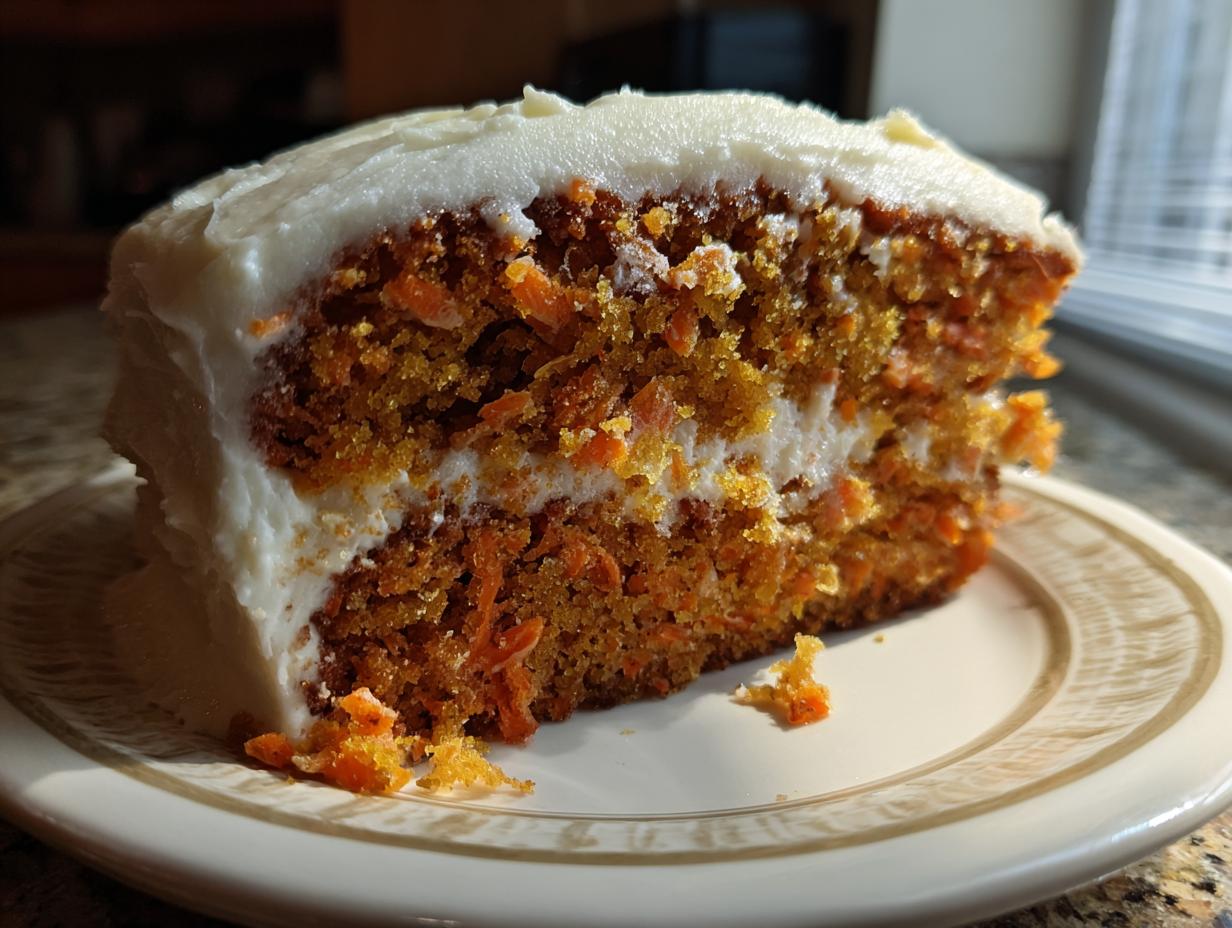
There are some desserts you just crave—that deep, warm, spiced sweetness that smells like comfort. If you’ve ever been disappointed by a dry, crumbly slice, stop right now. I promise you, this is the recipe you’ve been searching for. We’ve poured all the knowledge I gathered from restaurant kitchens and family tables into creating the **ultimate moist carrot cake** recipe. It’s unbelievably rich, packed with flavor, and honestly, it’s surprisingly easy to execute. My entire approach here at Julia Meal is built on creating reliable, successful dishes, and this **best homemade carrot cake** is the proof. Get ready for the best slices of spiced cake you’ve ever managed right in your own kitchen.
- Why This Is the Ultimate Moist Carrot Cake Recipe
- Gathering Ingredients for Your Classic Carrot Cake
- Step-by-Step Instructions for Your Easy Carrot Cake
- Crafting the Best Homemade Cream Cheese Frosting Recipe
- Assembling Your Classic Carrot Cake
- Storage and Serving Suggestions for Your Carrot Cake
- Frequently Asked Questions About Making Carrot Cake
- Nutritional Estimates for This Carrot Cake
- Share Your Ultimate Carrot Cake Experience
- Nutritional Estimates for This Carrot Cake
- Share Your Ultimate Carrot Cake Experience
Why This Is the Ultimate Moist Carrot Cake Recipe
Listen, I know there are a million claims out there for the “best” one, but this moist carrot cake recipe delivers every single time because we focus on texture first. The biggest secret to keeping this cake wonderfully soft? It’s the oil, not butter. Oil stays liquid at room temperature, which means you get a guaranteed tender crumb cake that simply stays moister for days. Butter gives flavor, sure, but oil gives insurance against dryness. That’s a professional tip that pays off huge at home.
We also rely heavily on three cups of finely grated carrots. Don’t even think about pre-shredded bags! The finer you grate them, the more moisture they release right into the batter as it bakes. It’s truly the foundation of a great slice. It’s all about smart technique, ensuring you get that melt-in-your-mouth experience instead of something tough. If you want to see more easy wins like this, check out my guide on simple delicious desserts for guaranteed success.
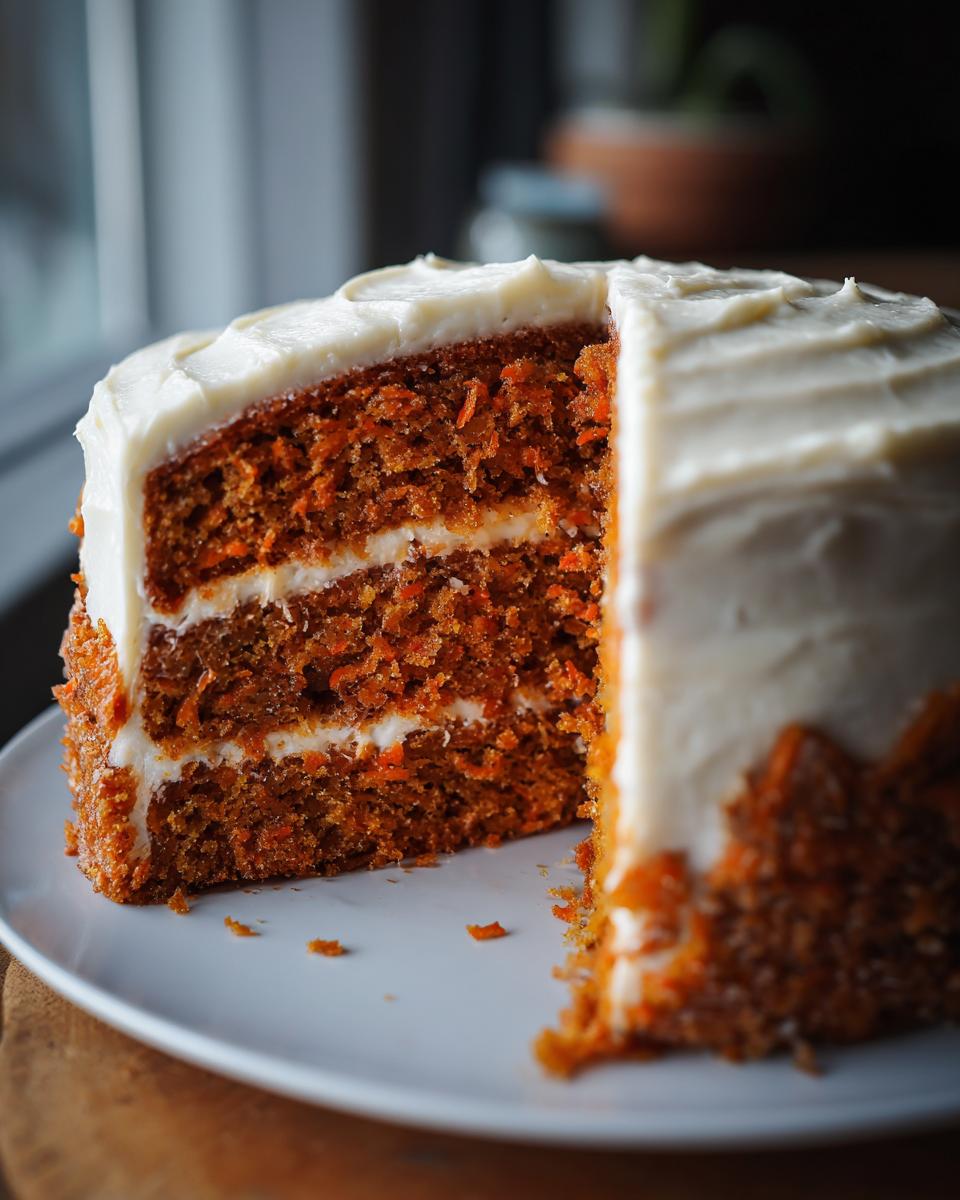
Tips for Achieving a Tender Crumb Cake Texture
Texture is everything when it comes to a truly exceptional cake. Here are the three things I watch for:
- Never, ever overmix once the flour goes in. Seriously, mix until you just barely see those white streaks disappear. That stops gluten development, which keeps the cake soft.
- Use fresh carrots, always. Grate them yourself! They have the necessary hydration our recipe relies on to create that spongy, delicate structure.
- Warm spices like cinnamon are wonderful, but don’t load up on too much baking powder or soda. Too much leavening agent actually dries out the final product. We use just the right balance here to keep it light without sacrificing moisture.
Gathering Ingredients for Your Classic Carrot Cake
The foundation of any amazing classic carrot cake is, naturally, the components you use to build it. I’ve made sure this list is straightforward, sticking mostly to pantry staples mixed with those key fresh elements. Don’t rush this part; precise measurements here are what keep this from becoming crumbly!
For the dry side of things, you’re looking at 2 cups of all-purpose flour, 2 teaspoons of baking soda, 1 teaspoon of baking powder, and 1 teaspoon of salt. Then come the spices that give us that signature warmth: 2 full teaspoons of ground cinnamon, half a teaspoon of nutmeg, and a quarter teaspoon of allspice. That little punch of allspice, trust me, makes the difference.
Now for the goodness. We need 1 cup of granulated sugar and 1 cup packed light brown sugar—that brown sugar brings a lovely depth, so make sure it’s packed firmly into the cup! You’ll also grab 1 cup of vegetable oil and 4 large eggs. And of course, the stars: 3 cups of freshly grated carrots. Finally, 1 teaspoon of vanilla extract finishes the cake batter base.
Ingredient Notes and Substitutions for Carrot Cake
I get asked all the time about what you can swap out, especially in a recipe this beloved. Let’s talk nuts: the recipe calls for 1 cup of chopped walnuts or pecans. Whatever you prefer works, but if you have a nut allergy, don’t stress! You can truly skip them entirely, and it’s still fantastic. Or, if you want to lean hard into that sunny, warm flavor—hello, tropical carrot cake—you can substitute those nuts with about half a cup of crushed pineapple. But here’s the crucial part if you go that route: you must drain that pineapple until it feels like dry pulp. Seriously, wring it out in a clean towel. Too much liquid ruins the bake.
Also, remember that oil. While technically you could use melted butter, I advise against it for this specific carrot cake recipe if your main goal is supreme moisture. Oil is the secret sauce for keeping things tender.
Step-by-Step Instructions for Your Easy Carrot Cake
This is where we move from dreaming about the perfect carrot cake to actually making it! Don’t let the ingredient list scare you; this is one of the more straightforward “from scratch” cakes you’ll ever attempt. The key here is to stay organized and move smoothly between the two main bowls—this keeps everything perfectly balanced for baking.
First things first: let’s get the oven ready. Preheat everything to 350 degrees Fahrenheit. Now, take two 9-inch round cake pans. I always grease mine generously and then lightly dust them with flour. Better yet? Cut out circles of parchment paper just slightly smaller than the bottom of the pan and lay those down. Less scrubbing later means more time eating cake!
Now we start mixing. Grab your largest bowl and whisk together all your dry items: the flour, baking soda, baking powder, salt, and those wonderful spices. Set that bowl aside; we aren’t touching it again until the end. If you want to see some other super reliable baking methods, I break down a few of my top tips over on my guide to simple delicious desserts.
In a second, separate large bowl, we start building the structure. Whisk the granulated sugar, the brown sugar, and that cup of oil until they’re nicely married. Then, beat in your four eggs, one at a time, making sure each one is fully incorporated before adding the next. Finish the wet mix by stirring in that teaspoon of vanilla extract.
Baking the Perfect Spiced Carrot Cake Layers
Here comes the critical part where you need to be gentle to ensure we get that beautiful, soft cake. You are going to gradually add those dry ingredients into the wet ones. And I mean gradually! Mix on the lowest speed your mixer has or just stir by hand enough so that the flour disappears. Stop mixing as soon as you don’t see dry streaks anymore. Don’t push it—overmixing is the enemy of a tender cake!
Once combined, grab those 3 cups of grated carrots and fold them in along with any nuts you are using. Use a rubber spatula for this folding step; we are gently incorporating them without deflating the air we just built up. Divide that glorious spiced carrot cake batter evenly between your prepared pans.
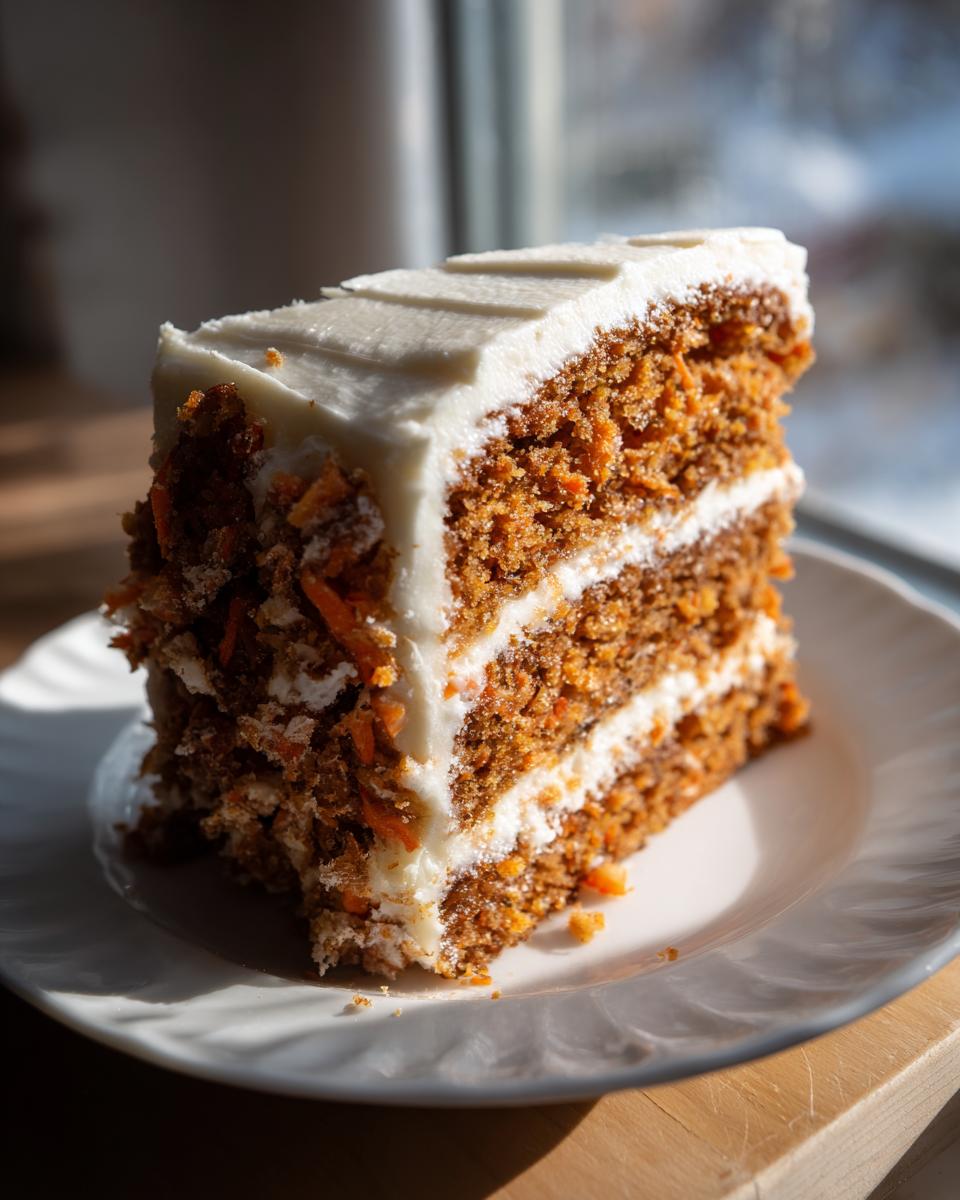
Bake them for 30 to 35 minutes. You’ll know they are ready when your wooden pick comes out clean, or maybe with just a few moist crumbs clinging to it—that’s the sign of perfection! Let those beauties cool in their pans on a wire rack for about 10 minutes. Seriously, don’t rush the cooling right out of the oven, or they might stick! Then, flip them out gently onto the rack to cool completely before the frosting even thinks about touching them.
Crafting the Best Homemade Cream Cheese Frosting Recipe
Okay, let’s be honest. A spectacular carrot cake isn’t complete without a thick, tangy blanket of cream cheese frosting. This isn’t some runny glaze here; we are making the real deal—a rich, smooth topping that brings the perfect sweet-and-sour balance to that spiced cake.
The number one rule for this cream cheese frosting recipe, or frankly, any recipe using butter and softened cheese, is temperature. Your cream cheese and butter absolutely *must* be softened. I mean really soft—not barely room temperature, but soft enough that if you poked it, your finger would effortlessly sink in. If they are too cold, you end up with hard little lumps of cheese mixed into your frosting, and nobody wants that lumpy texture in their dessert!
Start them off in your stand mixer bowl, beating them together until they look like smooth, pale butter. It takes a few solid minutes, even with a machine. Once they are truly creamy, you can start adding your sugar gradually. If you dump that 4 cups of powdered sugar in all at once, you’re going to get a cloud of white sugar dust filling your kitchen faster than you can say, “Where’s my mask?”
We finish it off with vanilla and just 1 tablespoon of fresh lemon juice. That little bit of acid is crucial; it cuts through the richness of the dairy and makes the whole thing taste brighter. For more baking wisdom on mastering creamy components, you might check out my thoughts on vanilla buttercream—the creaming principles are identical!
Tips for Fluffy Cream Cheese Frosting Success
We are going for fluffy and pipeable, not dense and stiff. To get there, you need to commit to the beating process once the powdered sugar is mostly incorporated.
First, always sift your powdered sugar. Trust me on this one. It breaks up any hard clumps that have formed in the bag and ensures the sugar dissolves beautifully into the fat, adding zero graininess. We’re aiming for silkiness here.
Once the sugar is in, turn your speed up to medium-high and let it whip for at least 3 to 5 minutes. This step aerates the frosting, making it incredibly light and fluffy—exactly what you want coating your delicious dessert recipe. If it still seems too stiff after that time, add liquid a teaspoon at a time until the mixture is just spreadable, but remember, less liquid equals a stronger frosting that won’t slide off your cake.
Assembling Your Classic Carrot Cake
This is the fun part, but you have to show some patience right here at the finish line! If you try to frost those cake layers when they are even slightly warm, you’re going to end up with a melted, soupy disaster. That beautiful, rich cream cheese frosting will turn into a sticky mess sliding right down the sides. I always wait until the layers are completely, totally cold to the touch—I often bake them the day before just so they can cool completely in the house!
Once you’re sure they are cool, place your first layer onto your serving plate or cake stand. If you want that extra-professional look, grab a thin layer of frosting and spread it evenly across the top of the first layer. Don’t go too thick here; we need room for the top layer!
Carefully set the second cake layer on top. Now, you can start frosting the top and sides. Since this is such an easy carrot cake, don’t feel like you need perfectly smooth buttercream perfection. A few swirls, a rustic look—that works beautifully with the natural vibe of a homemade carrot cake. When I make this for a casual weekend dessert, I just use an offset spatula to gently swirl the frosting across the top and down the sides. It looks homemade, but in the best way possible.
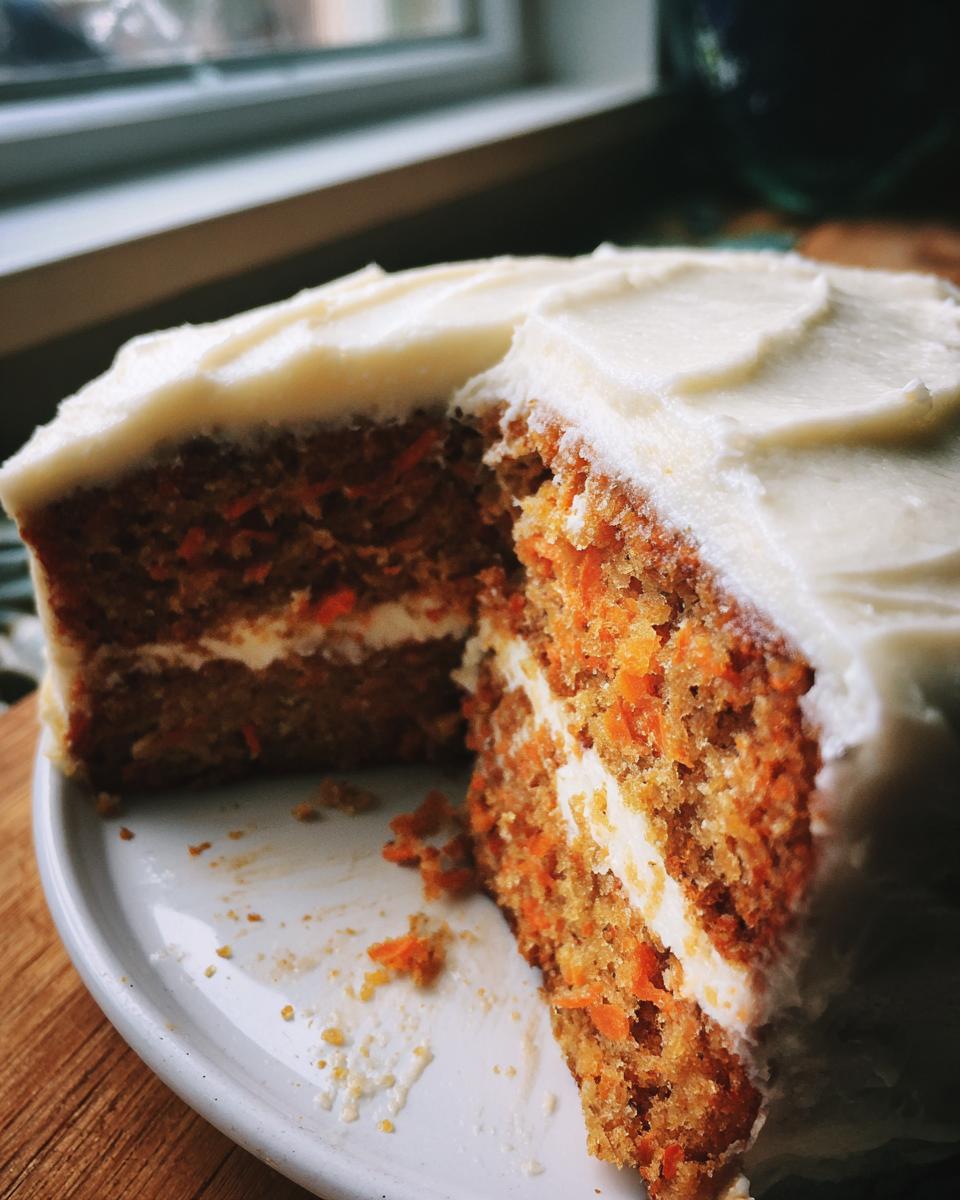
If you are looking for inspiration on how other folks have decorated their incredibly moist cakes, you might take a peek at this collection of amazing classic carrot cake ideas. They show off how beautiful this cake can look, whether you use nuts around the edge or leave it plain. You nailed the baking part, now just spread that gorgeous frosting on!
Storage and Serving Suggestions for Your Carrot Cake
Now that you’ve created this absolute tower of deliciousness, we need to talk about keeping it fantastic. Because we used that rich, homemade cream cheese frosting, this is not a cake that likes to hang out on the counter for days. Once it’s frosted, this carrot cake goes straight into the refrigerator. Yes, I know refrigeration can sometimes dry things out, but the fat in our frosting needs that chilling to stay firm and delicious.
When you’re ready to serve a slice, pull it out about 30 minutes early. This lets the cream cheese frosting soften up just enough so it’s not stiff when you cut into it. This cake is amazing for any time, but it truly shines as a show-stopping holiday carrot cake centerpiece. It’s sweet, but those spices make it feel cozy year-round. If you’re looking for other simple recipes to round out your meal planning, I share a few streamlined techniques over on my guide to simple delicious desserts.
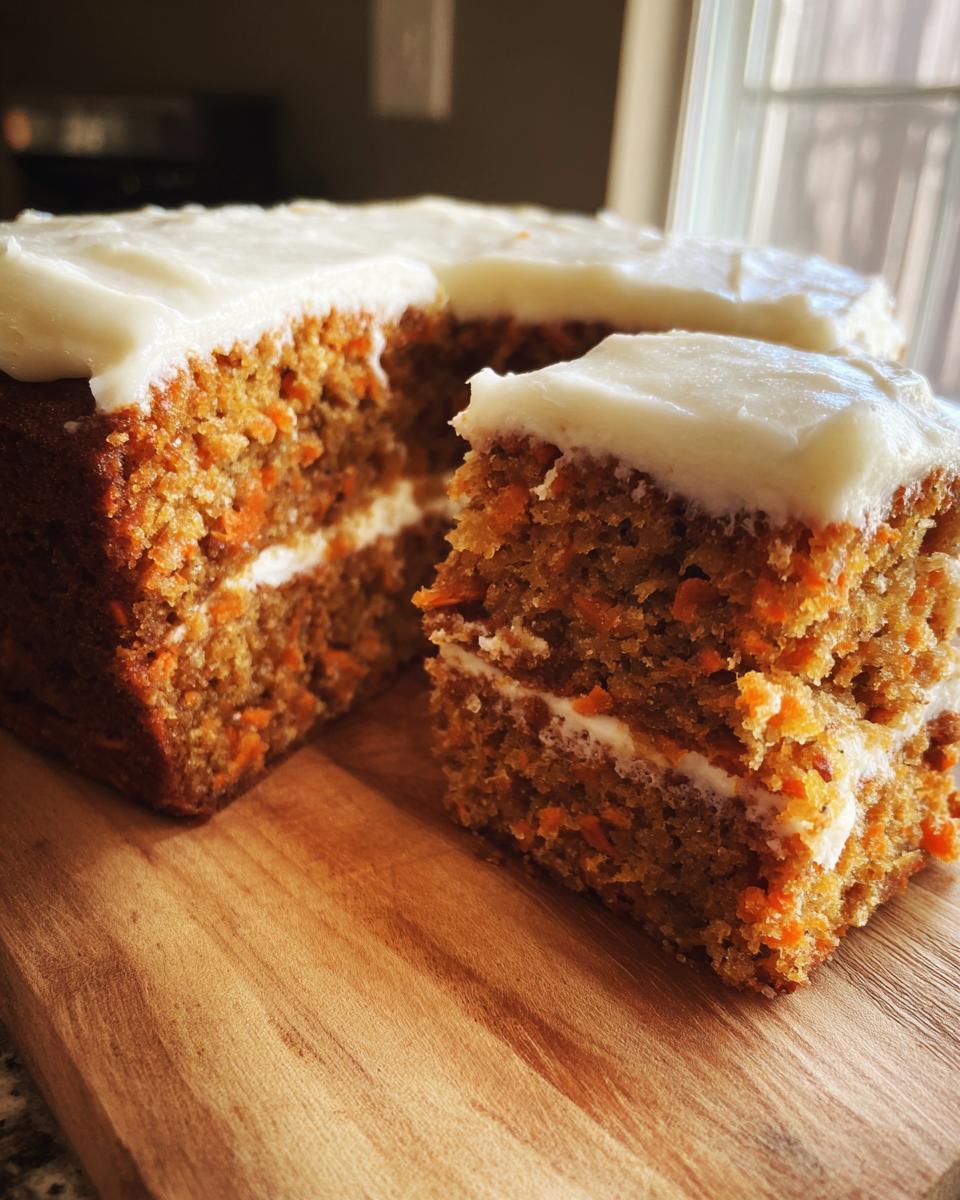
Honestly, this is the perfect end to any dinner, making it a go-to delicious dessert recipe for my busy weeks. If, by some miracle, you have leftovers, store them covered tightly in the fridge, and it should stay wonderfully soft for about four days. Seriously though, four days feels like a lifetime when this cake is around!
Frequently Asked Questions About Making Carrot Cake
I always get questions after I share this recipe because everyone wants to make sure their cake comes out perfectly moist! It’s natural to have doubts since great carrot cake can sometimes feel like a mystery. Here are the answers to the most common things folks ask when they’re getting ready to bake this ultimate version.
Can I use butter instead of oil in this carrot cake recipe?
That’s the million-dollar question, isn’t it? Look, if you just *must* use butter, you can substitute it for the oil, but I have to be upfront: you will lose a significant amount of that signature moisture. Butter solidifies when it cools, making the cake denser and less tender over time. Since the whole point of this recipe is getting that unbelievably soft texture, I strongly recommend sticking to the vegetable oil. It’s the secret weapon that guarantees you a keeper every time you bake a carrot cake.
How do I prevent the cake layers from sinking in the middle?
Sinking usually happens when the leavening agents (baking soda/powder) activate too quickly or the oven temperature is off. Make sure your oven thermometer is accurate—don’t just trust the dial! If the outside sets too fast before the internal structure is ready, the middle collapses. Also, check your baking soda and powder dates; old agents don’t rise properly. If you follow the steps for mixing, keeping things gentle and not overdoing the leavening, you’ll have a level surface perfect for that cream cheese frosting recipe.
Can I bake this recipe as a carrot cake loaf recipe instead of rounds?
Absolutely! If you want a simpler, more casual bake, turning this into a carrot cake loaf recipe is very easy. You might get one large loaf or two standard ones, depending on how deep your pans are. The main change is the bake time. Since the batter is thicker in a loaf pan, you’ll need to bake it longer—often 45 to 55 minutes. You might want to loosely tent it with foil halfway through to stop the tops from getting too brown before the middle cooks. It’s still an easy carrot cake version, just with longer oven time!
Can I make this easy carrot cake ahead of time?
Yes, you definitely can, which makes it perfect for busy weekends or holiday carrot cake baking! The unfrosted cake layers are best when wrapped tightly in plastic wrap and stored at room temperature for up to two days, or you can freeze them for a month! If you freeze them, let them thaw overnight in the fridge before frosting. Since ours has that rich frosting, I always recommend assembling the whole cake the day before you plan to serve it, keeping it refrigerated, and letting it sit on the counter for about an hour so it comes to a nice serving temperature. For more streamlined ways to save time during your week, check out what I use for easy lunch meal prep.
Nutritional Estimates for This Carrot Cake
Everyone wants to know the details, and while I always tell people to remember that homemade baking means these are estimates—because we all use slightly different carrots or frosting amounts—here is a general guideline for one slice of this wonderful moist carrot cake recipe.
- Serving Size: 1 slice (about 1/12th of the cake)
- Calories: Around 450 per slice
- Fat: Approximately 25g (Remember, that oil and the cream cheese add up!)
- Carbohydrates: About 58g
- Sugar: Roughly 55g (This is a dessert, after all!)
- Protein: About 5g
As you can see, it’s rich! But remember, this recipe uses fresh carrots and natural spices, making it much better than most store-bought options. Cook once, eat well!
Share Your Ultimate Carrot Cake Experience
I’m sending this recipe out into the world hoping it brings as much joy to your table as it does to mine. Creating an ultimate carrot cake that actually works and tastes incredible is a baking victory, and I want to hear all about it!
Did you try the traditional route, or did you sneak in that drained pineapple for a tropical twist? Let me know in the comments below! Please rate this recipe using the stars—it truly helps others who are hesitant about baking from scratch to trust these techniques. If you share photos of your gorgeously frosted cake on social media, tag me! I love seeing your beautiful bakes. For more inspiration on my journey and philosophy, you can always read more about my story. Happy baking, friends!
Nutritional Estimates for This Carrot Cake
Everyone wants to know the details, and while I always tell people to remember that homemade baking means these are estimates—because we all use slightly different carrots or frosting amounts—here is a general guideline for one slice of this wonderful moist carrot cake recipe.
- Serving Size: 1 slice (about 1/12th of the cake)
- Calories: Around 450 per slice
- Fat: Approximately 25g (Remember, that oil and the cream cheese add up!)
- Carbohydrates: About 58g
- Sugar: Roughly 55g (This is a dessert, after all!)
- Protein: About 5g
As you can see, it’s rich! But remember, this recipe uses fresh carrots and natural spices, making it much better than most store-bought options. Cook once, eat well!
Share Your Ultimate Carrot Cake Experience
I’m sending this recipe out into the world hoping it brings as much joy to your table as it does to mine. Creating an **ultimate carrot cake** that actually works and tastes incredible is a baking victory, and I want to hear all about it!
Did you try the traditional route, or did you sneak in that drained pineapple for a tropical twist? Let me know in the comments below! Please rate this recipe using the stars—it truly helps others who are hesitant about baking from scratch to trust these techniques. If you share photos of your gorgeously frosted cake on social media, tag me! I love seeing your beautiful bakes. For more inspiration on my journey and philosophy, you can always read more about my story. Happy baking, friends!
PrintUltimate Moist Carrot Cake with Cream Cheese Frosting
This recipe delivers an incredibly moist carrot cake, perfectly spiced, and topped with rich, homemade cream cheese frosting. It is a straightforward, no-fail recipe for a classic dessert.
- Prep Time: 25 min
- Cook Time: 35 min
- Total Time: 60 min
- Yield: 12 servings 1x
- Category: Dessert
- Method: Baking
- Cuisine: American
- Diet: Vegetarian
Ingredients
- 2 cups all-purpose flour
- 2 teaspoons baking soda
- 1 teaspoon baking powder
- 1 teaspoon salt
- 2 teaspoons ground cinnamon
- 1/2 teaspoon ground nutmeg
- 1/4 teaspoon ground allspice
- 1 cup granulated sugar
- 1 cup packed light brown sugar
- 1 cup vegetable oil
- 4 large eggs
- 3 cups grated carrots (about 4–5 medium carrots)
- 1 cup chopped walnuts or pecans (optional)
- 1 teaspoon vanilla extract
- For the Frosting:
- 8 ounces cream cheese, softened
- 1/2 cup unsalted butter, softened
- 4 cups powdered sugar, sifted
- 1 teaspoon vanilla extract
- 1 tablespoon fresh lemon juice
Instructions
- Preheat your oven to 350 degrees Fahrenheit. Grease and flour two 9-inch round cake pans or line them with parchment paper circles.
- In a large bowl, whisk together the flour, baking soda, baking powder, salt, cinnamon, nutmeg, and allspice. Set the dry ingredients aside.
- In a separate large bowl, whisk together the granulated sugar, brown sugar, and vegetable oil until combined.
- Beat in the eggs one at a time, mixing well after each addition. Stir in the vanilla extract.
- Gradually add the dry ingredients to the wet ingredients, mixing on low speed until just combined. Do not overmix.
- Fold in the grated carrots and chopped nuts, if using.
- Divide the batter evenly between the prepared cake pans.
- Bake for 30 to 35 minutes, or until a wooden pick inserted into the center comes out clean.
- Let the cakes cool in the pans for 10 minutes before inverting them onto a wire rack to cool completely.
- To make the frosting, beat the softened cream cheese and butter together in a medium bowl until smooth and creamy.
- Gradually add the sifted powdered sugar, mixing until fully incorporated.
- Beat in the vanilla extract and lemon juice until the frosting is light and fluffy.
- Once the cakes are completely cool, frost the layers and the top of the cake.
Notes
- For an extra moist carrot cake, use a neutral oil like canola or vegetable oil, as it keeps the cake tender longer than butter.
- Grate your carrots finely for the best texture distribution throughout the cake batter.
- If you skip the nuts, you can add 1/2 cup of crushed pineapple (drained very well) for a tropical flavor variation.
Nutrition
- Serving Size: 1 slice
- Calories: 450
- Sugar: 55g
- Sodium: 300mg
- Fat: 25g
- Saturated Fat: 8g
- Unsaturated Fat: 17g
- Trans Fat: 0g
- Carbohydrates: 58g
- Fiber: 2g
- Protein: 5g
- Cholesterol: 80mg