

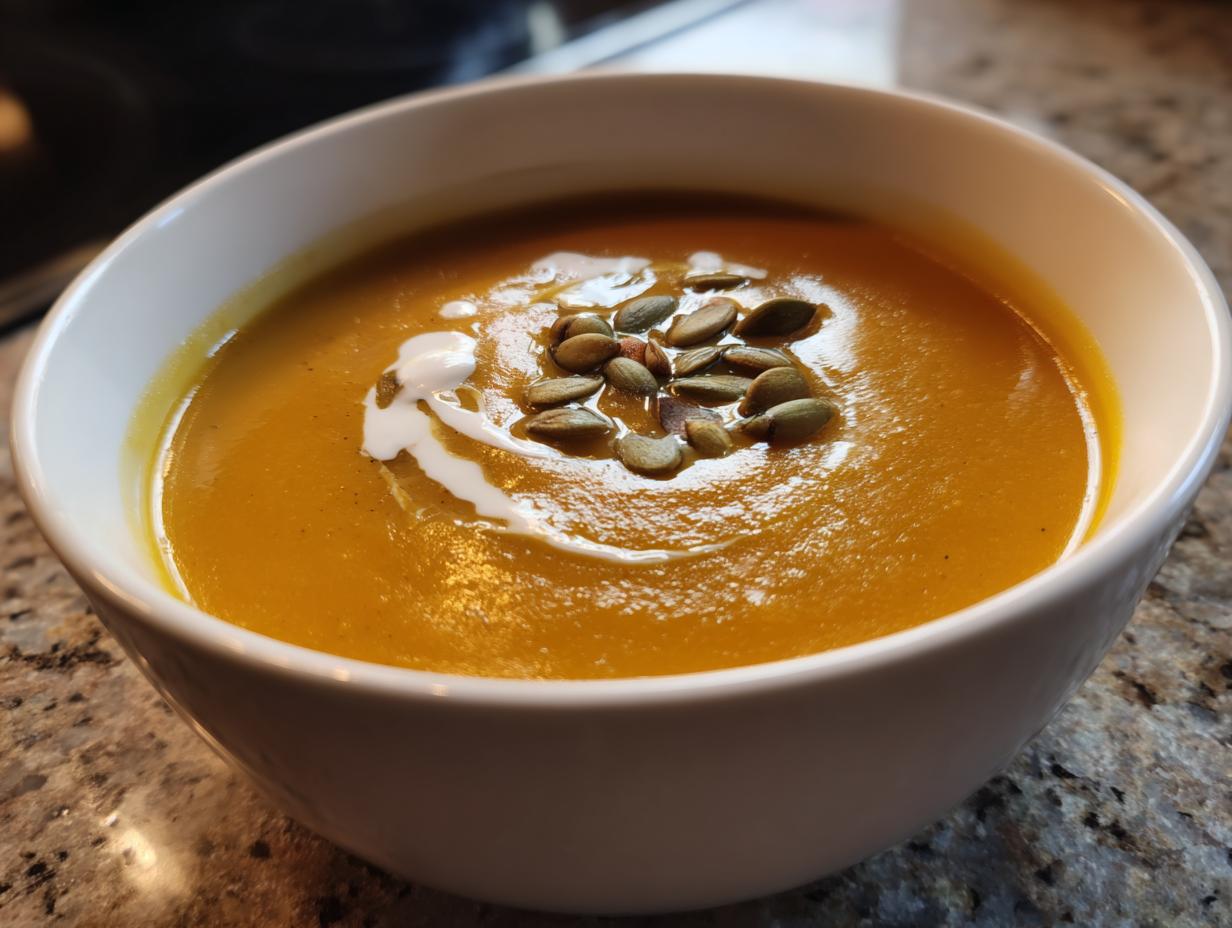
There’s a reason we all crave certain meals when the air finally gets crisp—it connects us straight back to the kitchen table, that warm, safe place. For me, the taste of autumn is this deeply flavorful, unbelievably smooth **squash soup**. Forget watery, bland versions you’ve tried before; the game-changer here is roasting. By taking the time to roast that butternut squash until the edges just start to caramelize, we are unlocking sugars and depth you simply can’t get from just boiling. Trust me, this process transforms humble winter squash into the ultimate bowl of homemade comfort. It’s more than just a recipe you’ll find on my site; it’s an invitation to slow down and enjoy something truly special.
If you’re interested in the philosophy behind getting that perfect flavor profile that bridges professional technique with home cooking warmth, you can always read a little more about our story here.
- Why This Roasted Squash Soup is Your New Autumn Comfort Food
- Gathering Ingredients for Perfect Squash Soup
- Step-by-Step Instructions for Velvety Squash Soup
- Tips for Making the Best Homemade Soup
- Variations on Classic Squash Soup
- Serving Suggestions for Your Fall Soup Recipes
- Storage and Reheating for Easy Squash Soup
- Frequently Asked Questions About Winter Squash Recipes
- Nutritional Snapshot of This Healthy Soup Idea
- Share Your Squash Soup Creations
Why This Roasted Squash Soup is Your New Autumn Comfort Food
Honestly, if you want to master autumn cooking, you have to nail the roasted squash soup. Why should you swap out your usual dinner for this one? Because the payoff in flavor is gigantic for just a little bit of extra effort upfront. Roasting isn’t just an extra step; it’s essential for that deeply satisfying, naturally sweet underpinning that makes this dish memorable. It’s truly one of the best quick, easy weeknight dinners once you get the hang of it.
Key Benefits of This Creamy Soup Recipe
- Unmatched Velvety Texture: Roasting tenderizes the flesh perfectly, leading to a beautiful, silky mouthfeel when blended.
- Deep, Caramelized Flavor: The oven brings out sugars in the squash you just can’t coax out on the stovetop alone.
- Naturally Healthy Comfort Food: It’s packed with nutrients but tastes rich and indulgent, making it the perfect healthy soup idea.
Gathering Ingredients for Perfect Squash Soup
Okay, let’s talk about what you’ll need to pull this off. The quality counts here, especially since we aren’t drowning the flavor in a ton of heavy cream or cheese. I need you to be precise with this prep work. We are starting with about 3 pounds of butternut squash, and I need it peeled, seeded, and cut into uniform, about one-inch cubes. This ensures everything roasts evenly, which is crucial for that perfect texture later on. Don’t skimp on the aromatics, either; a good, big yellow onion and a couple of carrots are essential for building that deep savory base before the roasting even starts.
Ingredient Clarity and Substitutions for Butternut Squash Soup
When it comes to the liquid, I usually default to good chicken broth because it adds a wonderful underlying savoriness, but if you are making this purely vegetarian—or aiming for a lovely vegan butternut soup—use a high-quality vegetable broth. If you go vegan, here is where you really need to pay attention to richness: instead of heavy cream, grab a can of full-fat coconut milk. That thick cream from the top of the can mimics the decadent mouthfeel of dairy almost perfectly without affecting the overall warm spice profile too much. And don’t forget those warm spices: nutmeg and cinnamon are non-negotiable for that autumn comfort flavor!
Step-by-Step Instructions for Velvety Squash Soup
Alright, now we get to the fun part where all that careful ingredient prep pays off. We’re assembling this masterpiece in three key stages: roasting, sautéing the base, and finally, the smooth finish. I cannot stress this enough: don’t rush the roasting. That gentle caramelization is where the magic happens that no amount of simmering later can replicate. If you ever want to check out how I get my chicken skin perfectly crisp, that same attention to dry heat works wonders here, though you can see a great guide on that right here.
Roasting the Squash for Deep Flavor in Your Squash Soup
First things first: get that oven hot, 400°F (200°C) is where we want to be. Toss those pre-cut squash cubes—and your carrots, actually—with just one tablespoon of oil along with a sprinkle of salt and pepper. Spread them out on a baking sheet so they aren’t piling on top of each other; we need air circulation for browning! Roast them for about 25 to 30 minutes. You’re looking for them to be fork-tender, obviously, but also check for those lovely little spots of brown on the edges. That’s pure flavor development, my friends, and it sets the stage for the best result you’ll get from any roasted vegetable soup recipe.
Achieving the Velvety Soup Texture
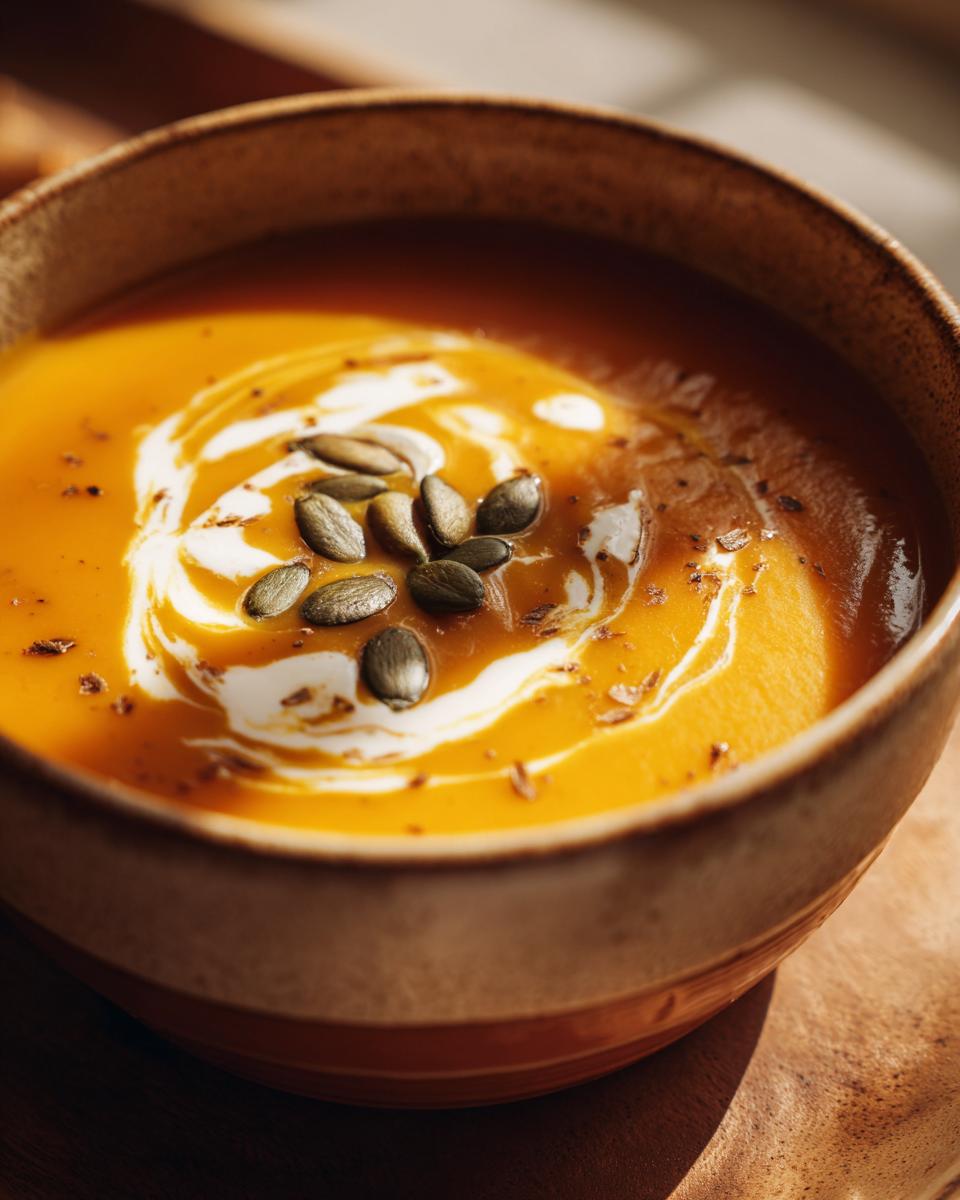
While that’s happening, you’ll sauté your onions in a big pot. Once the squash is done, gently add it, the broth, and those warm spices (nutmeg and cinnamon!) to the pot and let it simmer for about ten minutes. Now, for the blending. This is where we create that luxurious feel. If you have an immersion blender, use it right in the pot—it’s safer and easier. If you’re using a standard upright blender, you absolutely MUST work in small batches. Take the lid off the top, cover that hole loosely with a doubled-up kitchen towel, and hold the towel down firmly as you blend. Hot liquids create steam, and steam builds pressure, and we definitely don’t want a soup explosion in our kitchen! Blend until it feels as smooth as silk.
Tips for Making the Best Homemade Soup
Even with the best instructions, sometimes a soup needs a little coaxing to reach its peak. My biggest piece of advice for any **homemade soup** comes down to tasting constantly. After you blend, the flavors can seem muted at first. This is when you go back to the salt and pepper. Don’t just add a pinch; add it slowly until the sweet and savory notes of the squash and vegetables truly pop. Remember the nutmeg and cinnamon? If they seem too quiet, you can whisk in just a tiny bit more, but be careful not to overdo it—warmth should complement, not dominate.
If you ever find yourself wrestling with achieving that incredible, smooth texture, I have a trick for roasted root veggies that works here too, similar to how I manage my creamy roasted potatoes. If blending isn’t getting you smooth enough, you can push the whole batch through a fine-mesh sieve just once before you add the final cream. It’s fussy, I know, but that one extra step guarantees perfection every single time. It pulls out any stray fibers and leaves you with purely velvety goodness.
Variations on Classic Squash Soup
This recipe is fantastic right out of the gate, but I totally get it—sometimes you need to tweak things based on what you have, or maybe your family prefers a little heat! One of the greatest joys in the home kitchen is taking a solid foundation, like this roasted squash soup, and making it your own. We aren’t sticking strictly to one path here; we’re exploring textures and heat levels, whether you’re aiming for something completely plant-based or just want to level up the warmth.
Making a Vegan Butternut Soup Version
If you’re looking to make this a wonderful vegan butternut soup, it’s ridiculously easy, and you won’t sacrifice that coveted creamy texture. The main swaps are simple: first, make sure you’re using vegetable broth instead of chicken. Second, when it comes time to add the creaminess at the end, skip the heavy cream completely. Instead, use a can of full-fat coconut milk. Keep that can chilled, scoop out only that thick, solid part from the top—that’s your fat content powerhouse—and stir that in gently off the heat. It melts right in and gives you that luxurious velvet feel.
Creating a Spicy Squash Soup Kick
Now, if you’re one of those folks who thinks fall food needs a little fire, we can certainly manage that! This is where you get to decide how much pep you want in your step. Don’t worry about messing up the base flavors; we just layer the heat on top. When you add the nutmeg and cinnamon during the simmer step, throw in about a quarter teaspoon of cayenne pepper as well. If you prefer a smokier heat rather than a sharp burn, use a pinch of chipotle powder instead. Taste after blending, and if you feel like it needs more, stir in a dash of your favorite hot sauce right before serving. That way, you control the heat in every bowl. If you enjoyed making this creamy soup, you might also love making my creamy white hot chocolate recipe when you need a sweet twist!
Serving Suggestions for Your Fall Soup Recipes
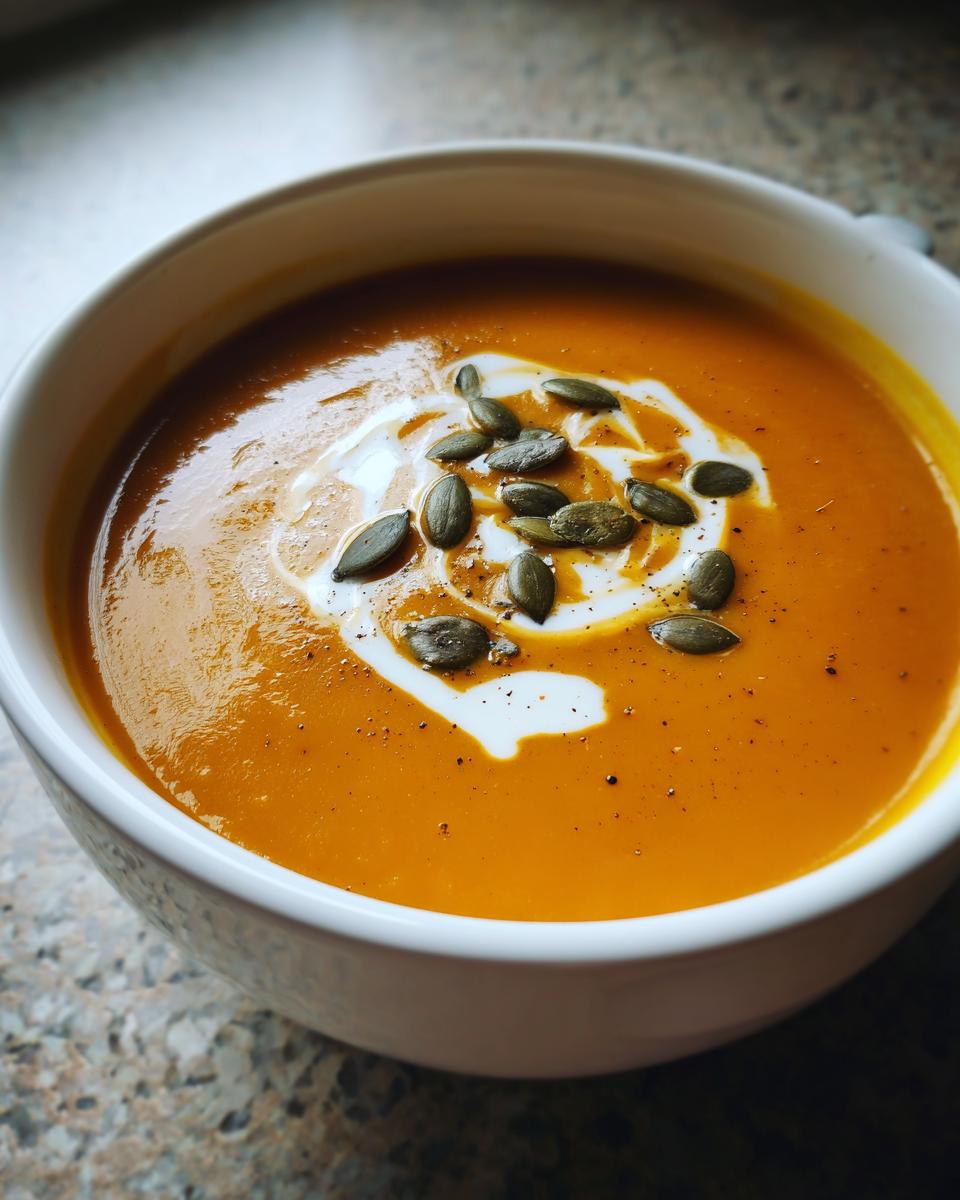
We’ve worked hard to get this **squash soup** perfectly smooth and deeply flavored, so don’t let it just sit there in the bowl plain! The presentation and the accompanying texture are almost as important as the soup itself, right? Since we’ve nailed that velvety consistency, we need something to contrast that silkiness. Think crunch! Simple toasted pumpkin seeds are an absolute must for me—a little oil, a sprinkle of salt, maybe even a tiny dash of maple syrup if you want them sweet, then toast them until they smell nutty.
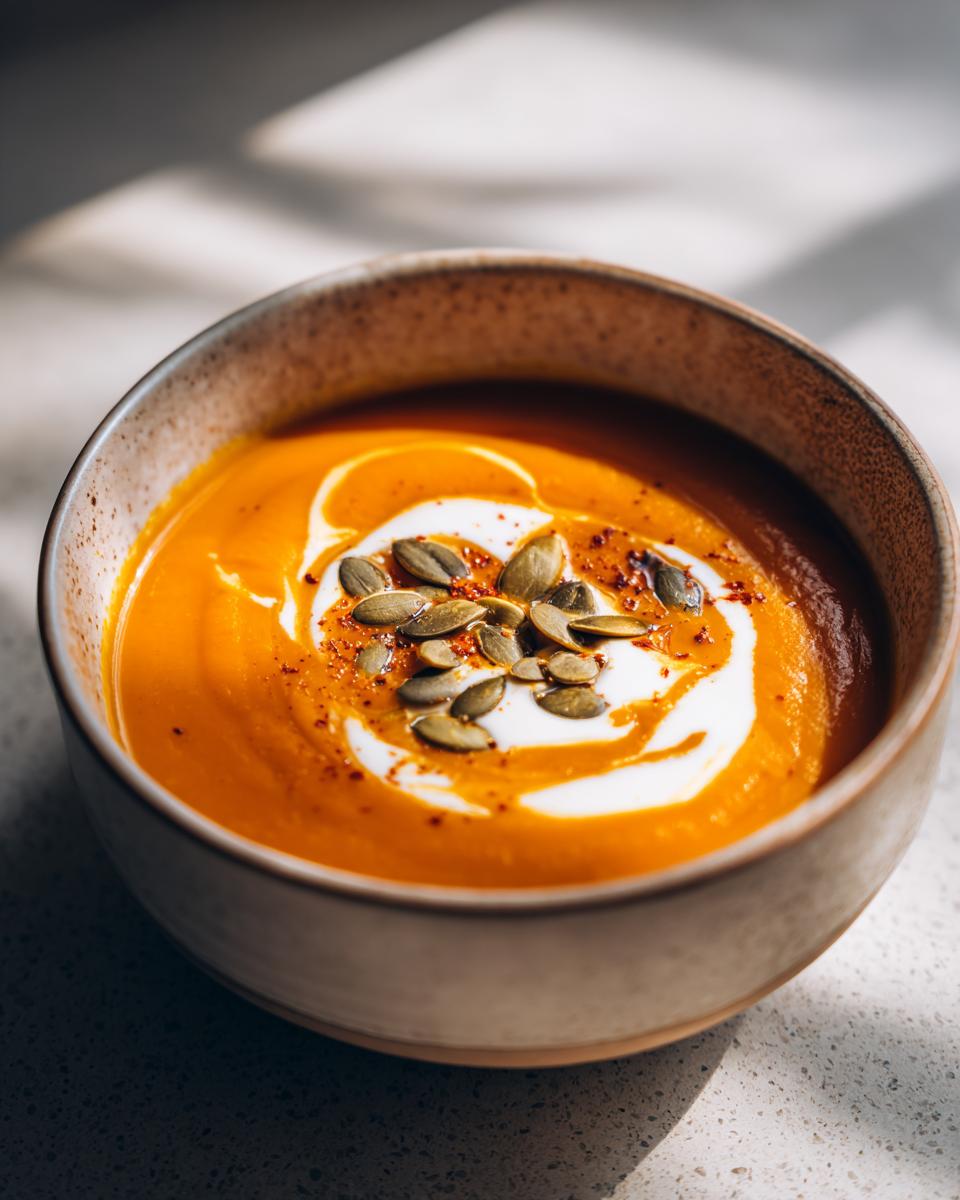
If you’re serving this up for a crowd or just know you have big eaters, you absolutely need something dippable. My absolute favorite pairing is a thick slice of crusty sourdough bread, maybe lightly brushed with olive oil and toasted until it’s slightly crunchy on the outside but still soft inside. That’s pure **savory warm soup** heaven. If you’re feeling ambitious, you could check out my recipe for soft, pillowy homemade dinner rolls—they are perfect for soaking up every last drop.
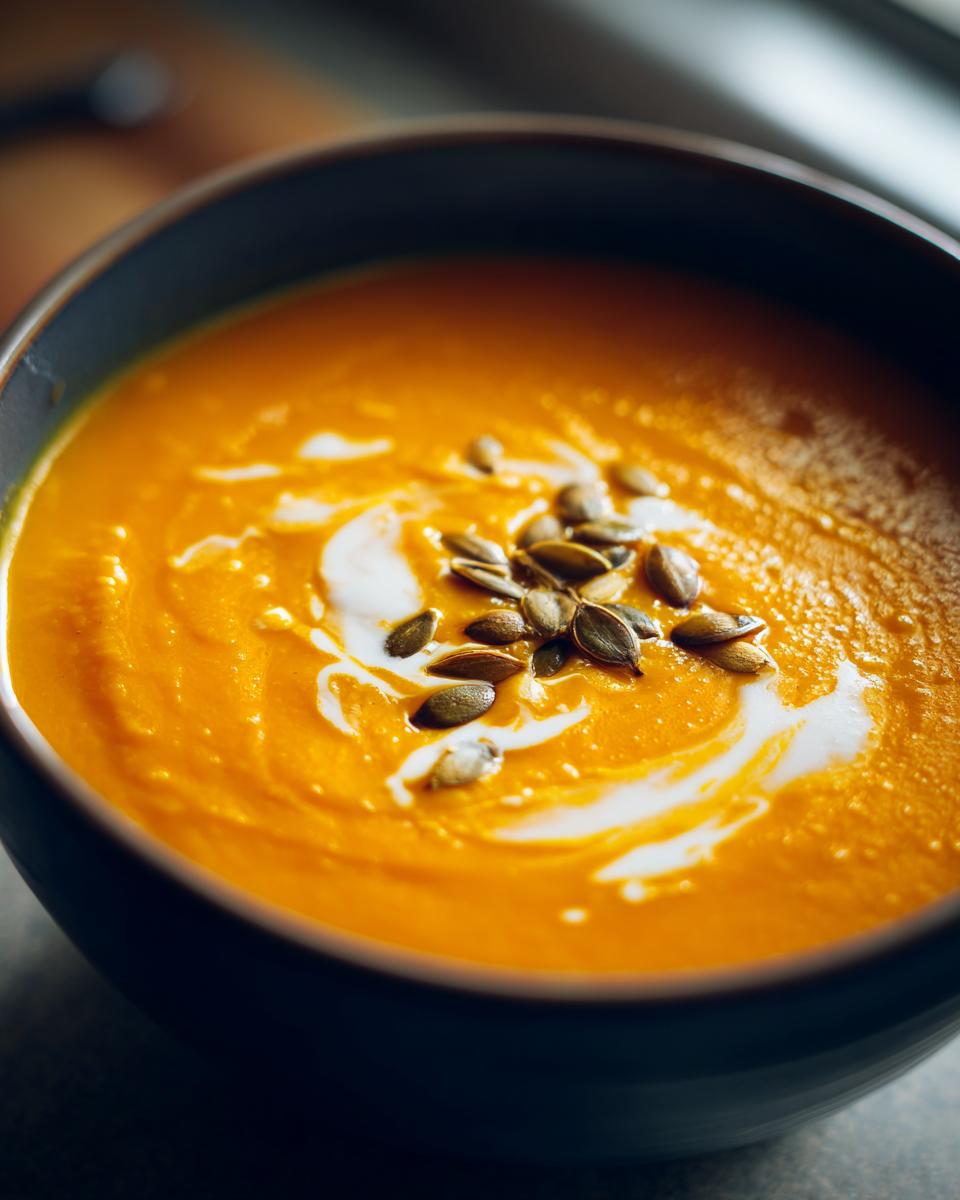
You know, so many people love this recipe because they are trying to recreate that classic taste they get somewhere else. If you were hoping this hit that spot, it certainly channels that comforting vibe you might find in a popular chain! If you want to see a great inspiration for making this feel extra special for a gathering, check out this take on the Autumn Squash Soup Delight. But even just serving our simple version nice and hot feels like the best kind of celebration for any of your **fall soup recipes**.
Storage and Reheating for Easy Squash Soup
One of the best things about making a big batch of homemade soup is knowing you’ve got dinner sorted for the next few days! This is a fantastic candidate for meal prep because, frankly, I think this **squash soup** tastes even better the next day once all those warm spices have really had a chance to mingle in the broth.
For refrigeration, let the pot cool down completely before you seal it up—this is important to avoid any condensation issues. Transfer it to airtight containers. It should keep beautifully in the fridge for a good four to five days. That means you’ve got an **easy squash soup** lunch or a cozy dinner lined up all week long without lifting another pot!
If you’re in a true cooking slump and need something weeks down the road, this also freezes like a dream. You’ll want to freeze it *before* you add the optional heavy cream or coconut milk. Dairy can sometimes change texture when frozen and thawed, getting a little gritty, though coconut milk usually holds up better. If you leave the cream out, you just stir it in fresh when you reheat the thawed soup. Fill sturdy freezer bags, leaving about an inch of headspace for expansion, and this will stay perfect for up to three months. Having this ready to go means you have a truly satisfying, **simple weeknight soup** ready to reheat in about ten minutes flat. You can learn more about reheating tips for various recipes over here!
Frequently Asked Questions About Winter Squash Recipes
I know when I’m looking at a recipe like this, my head fills up with little questions. It’s natural! When you’re relying on the quality of a few key vegetables, you want to make sure you’ve covered all your bases.
Here are a few things people ask me most often when they’re tackling their first batch of **winter squash recipes**.
What is the secret to a Savory Warm Soup texture?
The absolute secret, and I mean the non-negotiable step, is roasting the squash until it’s truly soft and slightly browned. That initial heat treatment breaks down the starches beautifully. Then, you must blend thoroughly. If you are using an immersion blender, keep blending until you think you can’t possibly blend anymore—then blend for another full minute! If you want that absolute glass-smooth finish that feels rich and coats your spoon, using a high-powered blender is the way to go. Truly, the combination of the soft roasted flesh and thorough pulverization is what creates that **savory warm soup** texture you are dreaming of.
Can I make this squash soup ahead of time?
Yes, please do! I really encourage making this recipe a day ahead if you can. As I mentioned before, letting it sit overnight lets those lovely spices like nutmeg and cinnamon really bloom and marry with the sweetness of the squash. You can store it in the fridge for up to five days, sealed tightly. When you reheat it, keep the heat gentle, and give it a good whisk before serving. If you want to try some other make-ahead recipes that will keep your week easy, check out some of my favorite healthy breakfast ideas!
Another question I get a lot relates to peeling the squash, since that’s the hardest part. My tip is simple: microwave the whole squash for just three to four minutes before you start cutting. It softens the skin just enough that your vegetable peeler glides right through it. It makes the whole prep process about ten times less painful!
Nutritional Snapshot of This Healthy Soup Idea
Now, I know some of you are tracking macros or just trying to keep things light, and even though this **squash soup** tastes like pure indulgence, it’s actually one of my favorite ways to sneak in tons of vegetables.
Here is a snapshot based on the core recipe—meaning we used chicken broth and the optional heavy cream for that ultimate richness—serving size is about 1.5 cups:
- Calories: Roughly 250 per serving.
- Fat: About 10 grams (this is where your choices matter most!).
- Carbohydrates: Around 38 grams.
- Protein: A solid 6 grams to keep you satisfied.
I want to be absolutely clear here because this builds trust between us: these numbers are estimates, okay? If you opt for the vegan route and swap in full-fat coconut milk instead of heavy cream, or if you skip the optional maple syrup, those values are going to shift. Coconut milk sometimes bumps up the saturated fat slightly, but you gain some healthy fats there. The point is, this remains a wonderfully balanced and **healthy soup idea** perfect for those chilly evenings when you want something cozy but still wholesome. It’s real food made with real ingredients, and that’s what matters most to me.
Share Your Squash Soup Creations
That’s it—you’ve roasted, you’ve simmered, and you’ve achieved that perfect, comforting velvet in your bowl. Now I really want to hear about it! Cooking is a conversation for me, and seeing how you take this recipe and bring it into your own family kitchen is the best part of sharing these recipes.
Don’t be shy! Please jump down in the comments below and let me know how it turned out. Did you try the spicy version? Did you use coconut milk instead of cream? Give the recipe a rating if you loved it—it really helps other folks trying to find the best **squash soup** for their own tables.
If you snapped a photo of that gorgeous, steaming bowl, tag me on social media! I love scrolling through and seeing everyone enjoying a bowl of this amazing **autumn comfort food**. If you ever run into a snag or have a question that didn’t get answered, you can always reach out directly through my contact page. Happy cooking, and I truly hope this recipe brings warmth to your table!
PrintVelvety Roasted Butternut Squash Soup

Make this comforting, creamy roasted butternut squash soup. Roasting the squash first develops deep flavor, resulting in a velvety smooth texture perfect for a cozy fall meal.
- Prep Time: 20 min
- Cook Time: 40 min
- Total Time: 60 min
- Yield: 6 servings 1x
- Category: Dinner
- Method: Roasting and Simmering
- Cuisine: American
- Diet: Vegetarian
Ingredients
- 3 lb butternut squash, peeled, seeded, and cubed
- 2 tablespoons olive oil
- 1 large yellow onion, chopped
- 2 carrots, peeled and chopped
- 4 cups chicken or vegetable broth
- 1 teaspoon salt
- 1/2 teaspoon black pepper
- 1/2 teaspoon ground nutmeg
- 1/4 teaspoon ground cinnamon
- 1/2 cup heavy cream (optional, substitute with full-fat coconut milk for vegan)
- 1 tablespoon maple syrup (optional)
Instructions
- Preheat your oven to 400°F (200°C). Toss the cubed butternut squash with 1 tablespoon of olive oil, salt, and pepper on a baking sheet. Roast for 25 to 30 minutes, or until the squash is tender and lightly browned.
- While the squash roasts, heat the remaining 1 tablespoon of olive oil in a large pot or Dutch oven over medium heat. Add the chopped onion and carrots. Cook until the onions are soft, about 5 to 7 minutes.
- Add the roasted squash, broth, nutmeg, and cinnamon to the pot. Bring the mixture to a boil, then reduce the heat and simmer for 10 minutes to allow the flavors to combine.
- Carefully transfer the soup mixture to a blender, or use an immersion blender directly in the pot. Blend until the soup is completely smooth and velvety. Work in batches if using a standard blender, ensuring the lid is vented to allow steam to escape.
- Return the pureed soup to the pot. Stir in the heavy cream (if using) and maple syrup (if using). Heat gently until warmed through; do not boil after adding cream.
- Taste and adjust salt and pepper as needed before serving. Serve this autumn comfort food hot, perhaps garnished with toasted pumpkin seeds.
Notes
- For a vegan butternut soup, use vegetable broth and full-fat coconut milk instead of heavy cream.
- If you want a spicy squash soup, add 1/4 teaspoon of cayenne pepper with the nutmeg and cinnamon.
- This recipe makes excellent leftovers and freezes well for simple weeknight soup later.
Nutrition
- Serving Size: 1.5 cups
- Calories: 250
- Sugar: 12
- Sodium: 450
- Fat: 10
- Saturated Fat: 4
- Unsaturated Fat: 6
- Trans Fat: 0
- Carbohydrates: 38
- Fiber: 8
- Protein: 6
- Cholesterol: 15