

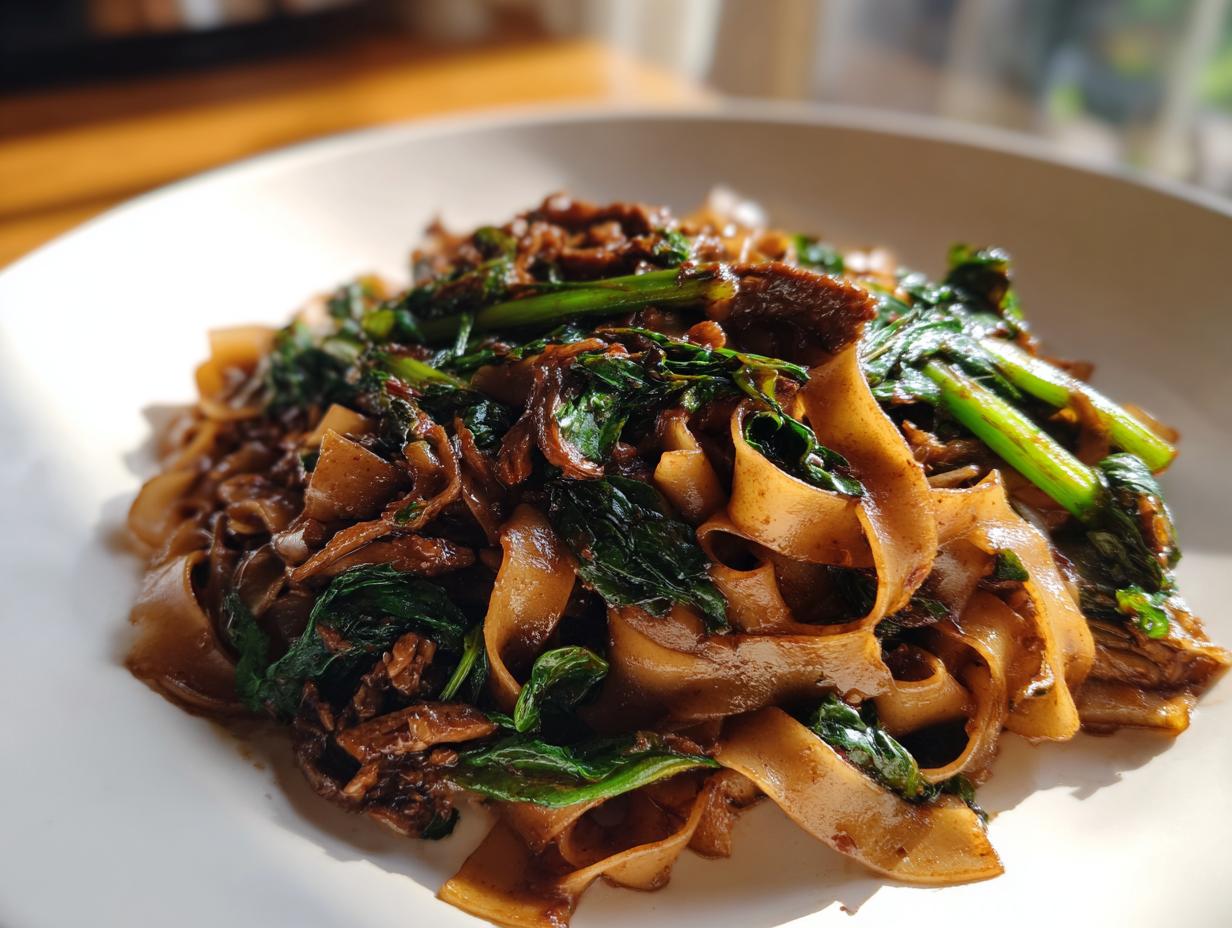
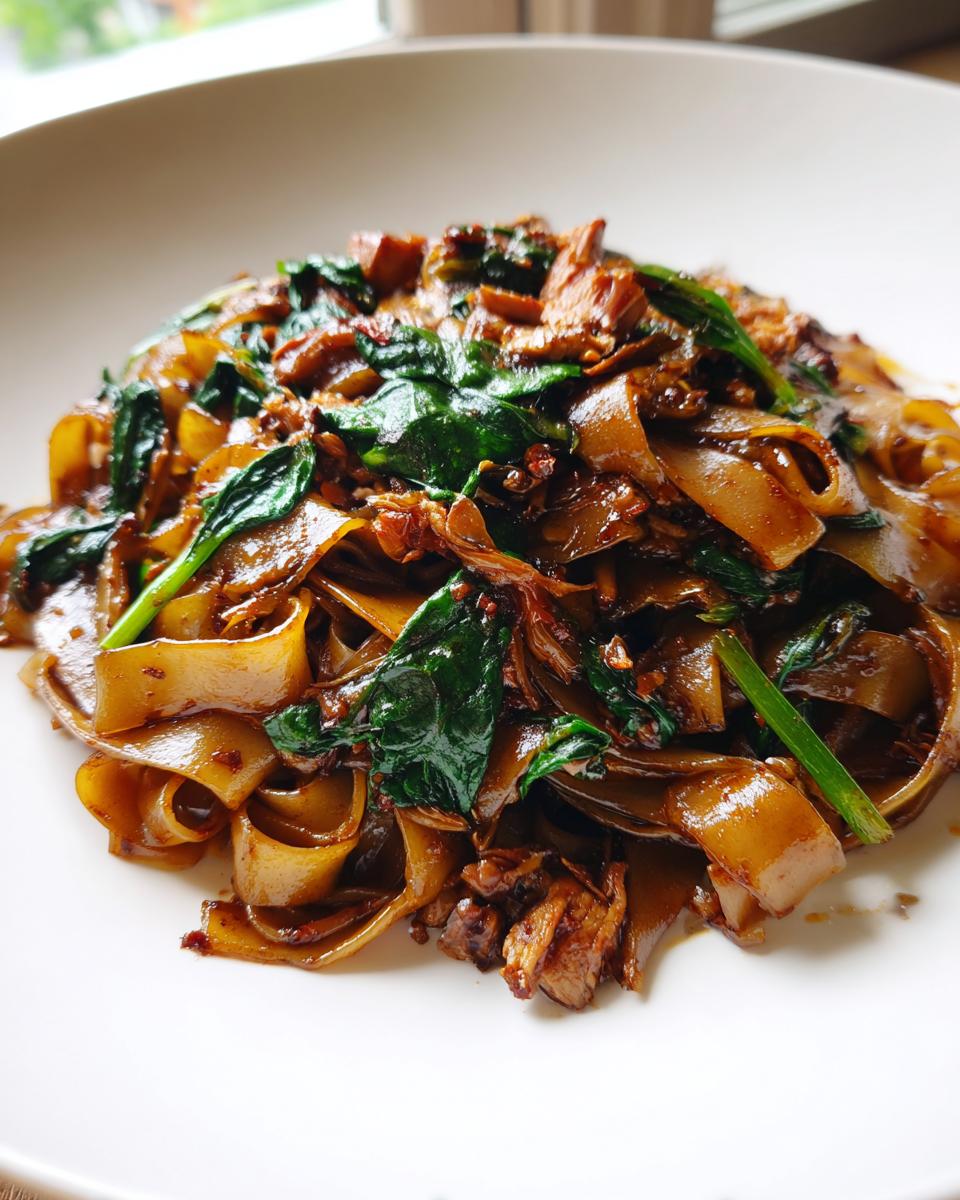
Sometimes, you get that specific, undeniable craving for something incredibly bold—that moment when only a massive plate of authentic, smoky, spicy Thai food will do. Believe me, I know the feeling. After spending time in professional kitchens, I realized we don’t have to wait until Friday night to order out. That dedication to replicating complex, street-style flavor—that hint of char, that deep savory punch—is exactly what drove me to perfect this thai drunken noodles recipe. We’re talking about bringing the absolute best Pad Kee Mao experience straight to your table in about 30 minutes. It’s fast, it’s intense, and it turns any ordinary night into a flavorful event.
If you’re looking for quick ways to spice up your weeknight rotation, you absolutely have to try building these noodles from scratch. For more fast meals that punch above their weight class, check out my collection of quick, easy weeknight dinners—they are serious lifesavers.
- Why This Authentic 30-Minute Thai Drunken Noodles Recipe Works
- Essential Ingredients for Perfect Thai Drunken Noodles
- Step-by-Step Instructions for Homemade Pad Kee Mao
- Tips for Making Spicy Thai Basil Noodles That Taste Authentic
- Ingredient Substitutions for Your Thai Drunken Noodles Recipe
- Serving Suggestions for Your Thai Noodle Takeout Style Meal
- Storage and Reheating Instructions for Leftover Thai Drunken Noodles
- Frequently Asked Questions About Pad Kee Mao Recipe
- Estimated Nutritional Data for Thai Drunken Noodles
- Share Your Flavorful Thai Dinner Ideas
Why This Authentic 30-Minute Thai Drunken Noodles Recipe Works
Look, I get it. Authentic flavor usually means complexity, but we also need this on the table before we lose our minds from hunger. This recipe is my promise that you can have both speed and depth. It’s truly the best Asian cucumber salad recipe in the world, but for noodles! It makes for an incredible Easy Weeknight Thai Dinner because we focus only on what actually matters.
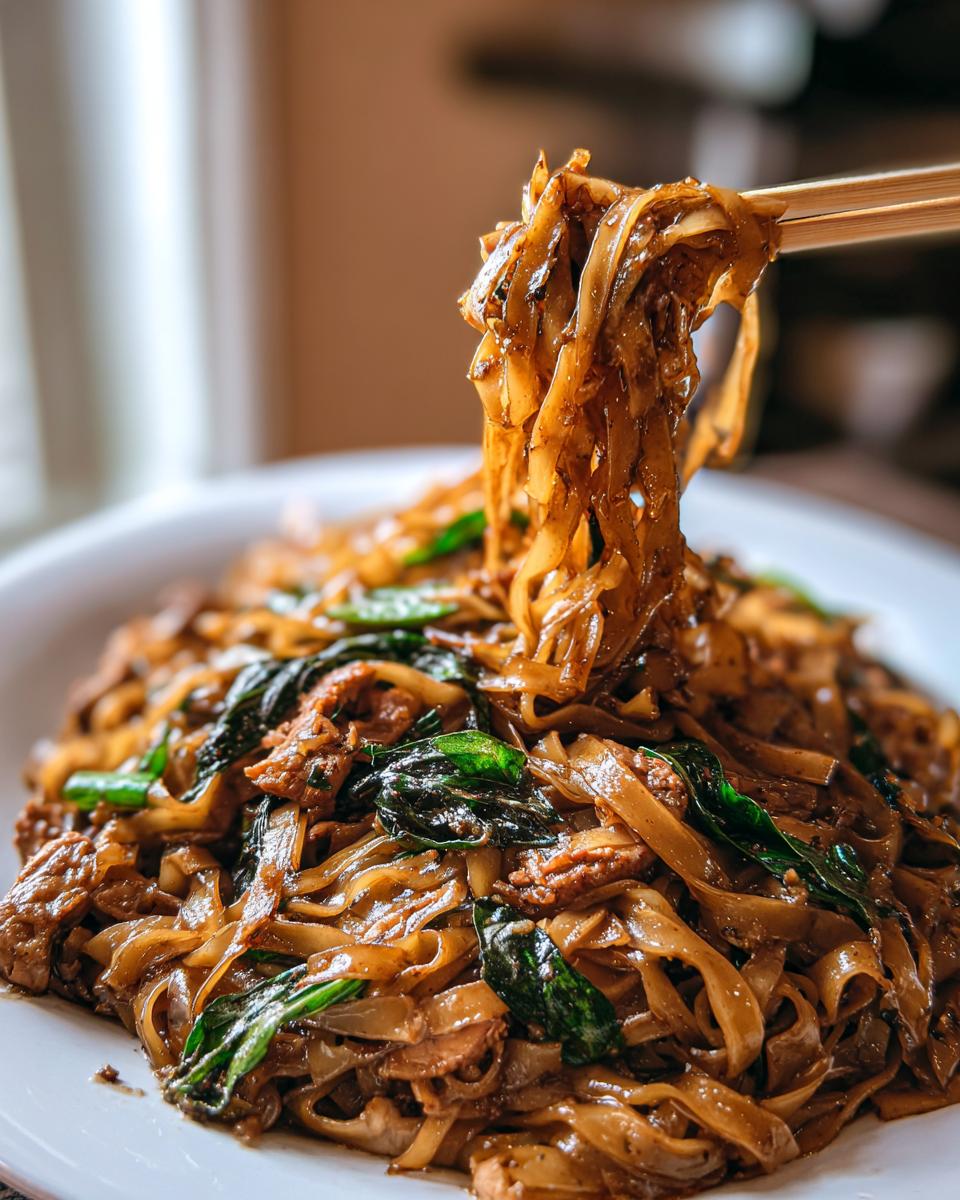
- It actually generates proper heat, even on a standard home stovetop.
- The sauce is pre-mixed so you aren’t scrambling while the wok is smoking.
- It respects the noodle texture so they stay chewy, not gummy.
Achieving Street Style Char and Flavor
This is where I draw the line in the sand: these noodles need heat! If your wok isn’t screaming hot—and I mean *smoking* hot—you’re just steaming your Pad Kee Mao instead of stir-frying it. High heat creates that signature ‘wok hei,’ that elusive smoky flavor that transports you right to a stall in Bangkok. It’s non-negotiable for authentic thai drunken noodles.
The Best Drunken Noodles Sauce Components
The secret is layering savory notes. We need the saltiness from soy and fish sauce, the sharp kick from the chilies, and the deep, almost molasses-like sweetness only found in dark sweet soy sauce. Balance is everything here. That perfect harmony is what makes this Best Drunken Noodles Sauce so addictive. Don’t skip that dark sweet stuff!
Essential Ingredients for Perfect Thai Drunken Noodles
When you’re committed to getting that takeout-style flavor in under 30 minutes, ingredient prep is almost as important as the cooking itself! We have to be ready to move fast once that wok hits the flame. Forget searching for obscure stuff; most of what you need is pantry staples, but paying attention to how you cut and measure things makes a huge difference here. This is where we nail that Wide Rice Noodles Stir Fry experience.
First thing’s first: the noodles! You absolutely want fresh, wide rice noodles if you can find them, but packaged dried ones work just as well if you treat them right. You just boil them until they are pliable and bendy, but they still have a little bit of life left—we call that al dente in the pasta world. If you cook them fully now, they will turn to mush later when you stir-fry them, and that’s just sad.
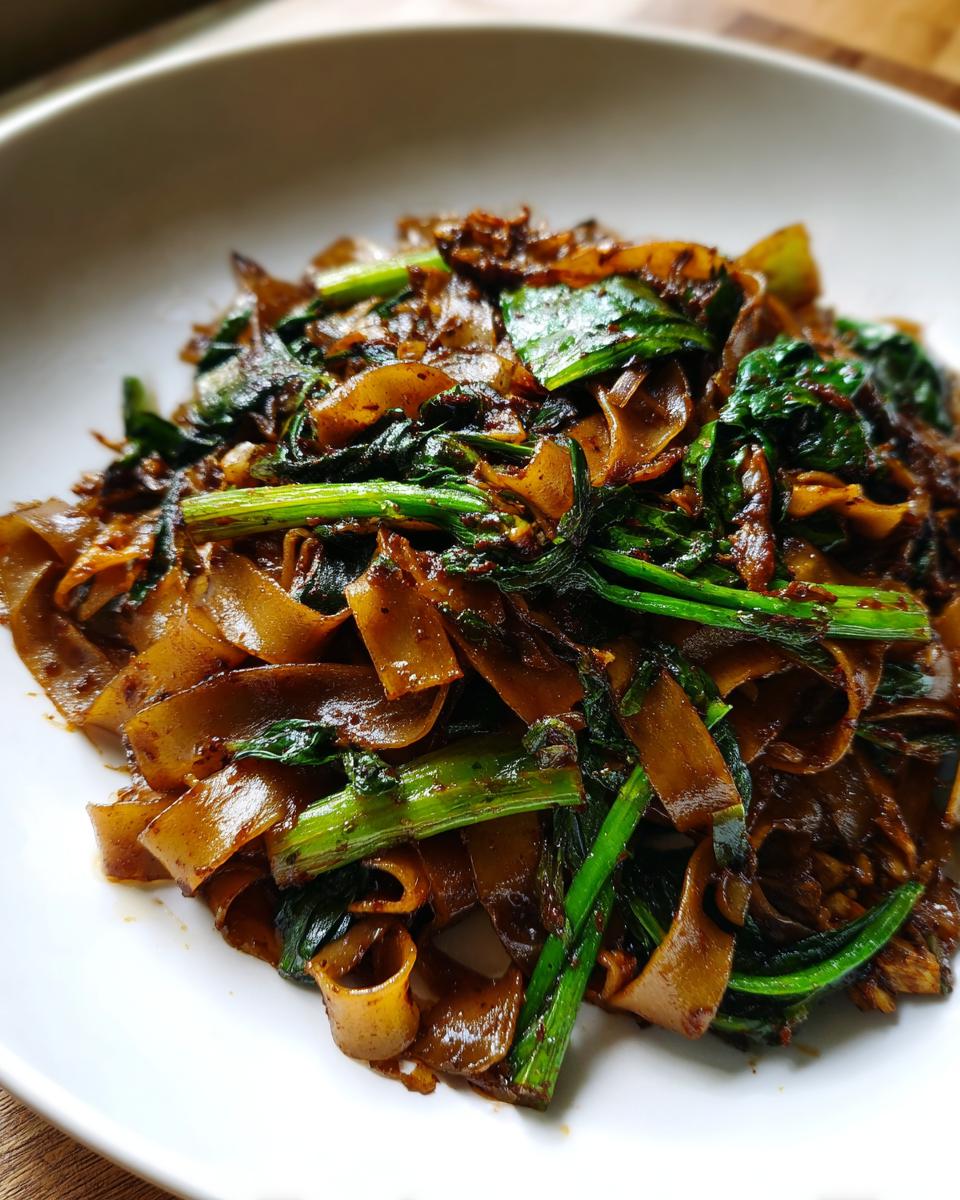
And please, please, please—do not even look at Italian basil! We need Thai basil for these Thai Drunken Noodles. Thai basil has a distinctly anise or licorice-like flavor that is non-negotiable for Pad Kee Mao. Italian basil is too sweet and mild; it totally changes the profile. Measure it out and have those leaves ready to drop in right at the end.
Protein and Produce for Your Thai Drunken Noodles Recipe
Since we are aiming high on flavor but low on time, chopping everything ahead of time is key—that’s your entire 10-minute prep time right there! You can use almost anything for your protein, but you must slice it thin so it cooks through perfectly in those two minutes on high heat. I’ve done this with thinly sliced chicken breast, flank steak, shrimp, or firm tofu cut into little cubes.
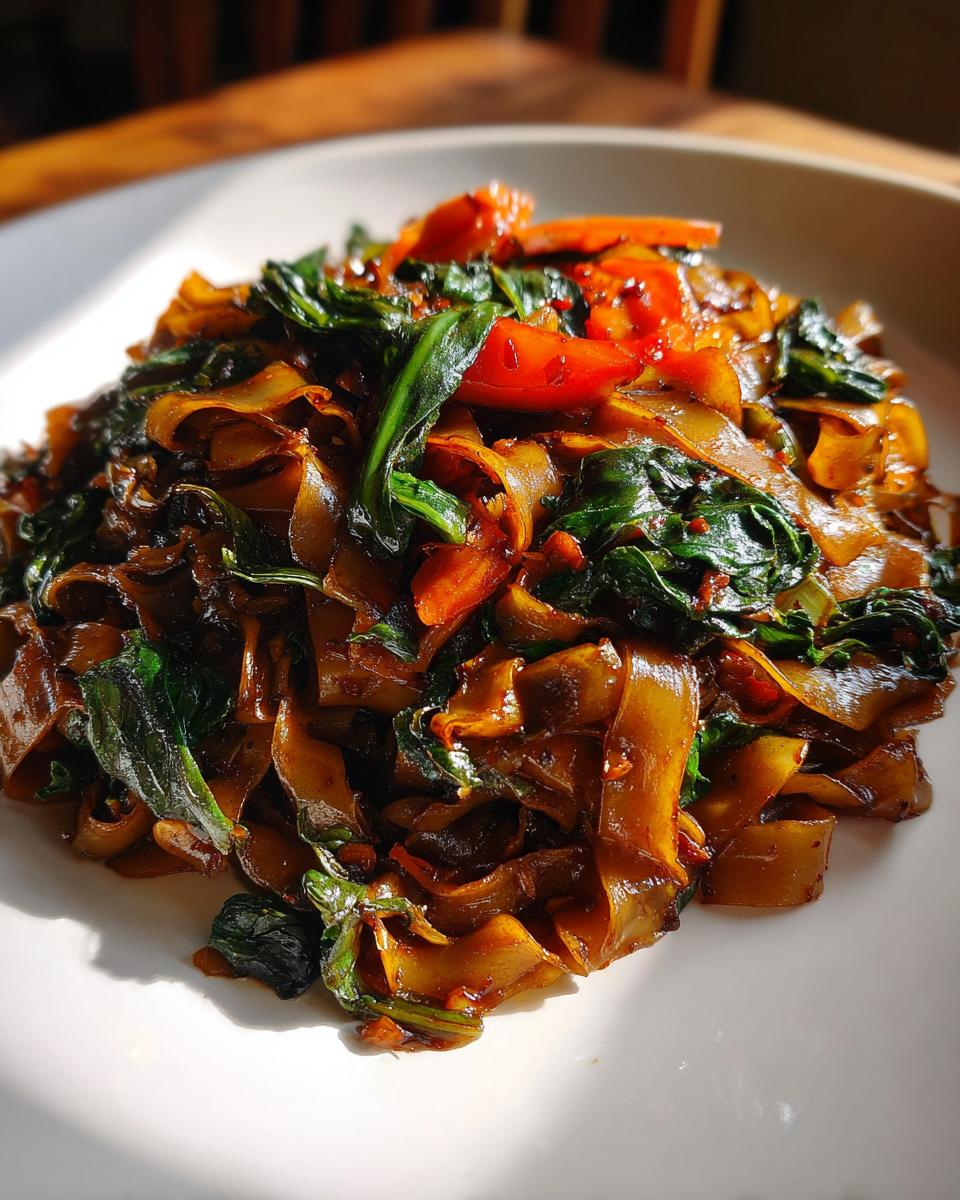
For the veggies, keep it simple so you don’t steam the wok. Think crunch! Sliced bell peppers (red is nice for color), maybe some baby corn, or a few broccoli florets chopped small. The whole idea is to build flavor layers super quickly. Remember, everything goes in fast once the cooking starts, so if it’s not cut, it’s not happening!
Step-by-Step Instructions for Homemade Pad Kee Mao
Okay, this is where we turn our prep work into pure magic—and we’re moving fast! If you’ve got everything cut, measured, and waiting right next to the stove, this whole process flies by. We are aiming for that perfect texture, which means we can’t rush the heat, but we also can’t dawdle. Getting your quick easy fried noodles recipe experience right relies on timing. Follow this sequence exactly, and you’ll have incredible Homemade Pad Kee Mao before you know it.
Preparing the Sauce and Noodles for Thai Drunken Noodles
Your noodles must be drained and separated—no big clumps allowed. Next, your sauce mixture needs to be fully whisked together in a small bowl. Seriously, put the sauce in the bowl now! If the wok is ready for your protein, your sauce needs to be ready for its entrance. That way, when we start throwing things in, we aren’t fumbling around looking for the fish sauce. It’s all about mise en place here, my friends.
The High-Heat Stir-Fry Technique for Thai Drunken Noodles
Get that wok smoking hot—and I mean smoking! Add your oil, then immediately toss in your thinly sliced protein. Cook it fast, get some color, and pull it out immediately; don’t let it overcook while we do the aromatics. Next go in the garlic, shallots, and the spicy chilies—thirty seconds max until they smell amazing. Then, veggies go in for just a minute or two so they stay crisp. Finally, bring back the protein, pour in that sauce we mixed, and only then do the noodles go in. Toss everything vigorously for about 90 seconds to bring it all together before you kill the heat and stir in that final blast of fresh Thai basil. That’s the trick!
Tips for Making Spicy Thai Basil Noodles That Taste Authentic
Getting these noodles to taste truly authentic isn’t just about slamming down the right ingredients; it’s about how you treat the heat and the herbs. If you want to know How to Make Drunken Noodles Spicy the right way, you need to respect the chilies. Don’t just chop them up and drop them in early! I add them right with the garlic and shallots because that quick flash of heat releases their oil and flavor right into the wok, seasoning everything that follows.
And that essential ingredient, the Thai basil? That’s the soul of these Spicy Thai Basil Noodles. You MUST wait until the very last possible second to add it. As soon as the heat goes off, toss those leaves in and stop stirring almost immediately. We’re only wilting them; if you cook the Thai basil too long, it turns black and loses that wonderful, sharp, peppery aroma that gives Pad Kee Mao its signature punch. Trust me, that final, fresh herbal hit makes all the difference in achieving that “street food” vibe right here in our kitchens.
Ingredient Substitutions for Your Thai Drunken Noodles Recipe
I love a recipe that lets you play around a little bit, especially since stocking a pantry with specialized Asian ingredients can be tough sometimes. We want flexibility, but we absolutely cannot compromise the core flavor profile of the Thai drunken noodles. Some swaps are fine, and some just aren’t worth the effort, in my opinion. You have to know where you can bend the rules and where you absolutely cannot.
Let’s get the biggest rule out of the way first: Please, stick to authentic Thai basil. I can’t say it enough. If you use standard Italian basil, you’ll end up with a completely different, much milder noodle dish. It just won’t have that aromatic, slightly peppery kick that Pad Kee Mao needs.
Now for the sauces—you can usually make smart workarounds here. If you can’t find the proper dark sweet soy sauce, which gives us that beautiful mahogany color and mild molasses flavor, don’t panic. A great fix is using regular regular soy sauce mixed with about a teaspoon of regular sugar or brown sugar. That should get you close enough to balance the saltiness. For the oyster sauce, if you are vegetarian or just don’t have any, a good vegetarian mushroom sauce works brilliantly as a direct substitute. It brings that savory umami punch without any oyster product.
Protein Customization for Pad Kee Mao Recipe
This is one of the easiest meals to adapt based on what you have hanging out in the fridge! Chicken breast or steak are classics and work wonderfully because they hold up well to the high heat. The key thing for any protein you choose—whether it’s beef, chicken, or tofu—is slicing it thin across the grain. Thin slices mean they cook incredibly fast; we’re talking two or three minutes max before they’re done.
If you opt for shrimp, you need to be extra vigilant about timing. Shrimp cook in practically no time, maybe just a minute or two until they turn pink and opaque. Pull them out earlier than your chicken or beef, because if they stay in the wok while you’re stir-frying the vegetables, they’ll turn rubbery and tough, and honestly, nobody wants that texture situation in their noodles.
Serving Suggestions for Your Thai Noodle Takeout Style Meal
So, you’ve nailed the Pad Kee Mao. The wok is empty, the noodles are perfectly coated, and the smell in your kitchen is incredible! The thing about intensely flavored dishes like these Thai Drunken Noodles is that they are truly a meal unto themselves. They bring the spice, the savory sauce, and the carbs all in one glorious heap. Usually, when I pull off a batch of these Thai Noodle Takeout Style dishes, I don’t need much else because they are so robust.
But, if you feel like you need something on the side—maybe to cool the palate between bites of that fiery chili heat—I suggest keeping it super light and crunchy. Big, heavy sides just weigh down the experience! I love making a simple, crunchy vegetable side dish to scoop up any sauce left behind on the plate.
A simple cucumber salad is usually my go-to. Something clean, bright, and acidic helps cut right through that heavy umami sauce. Think thinly sliced cucumbers with a little splash of rice vinegar and maybe some toasted sesame seeds spread over the top. It’s refreshing without fighting the star of the show.
Now, rice? Generally, you won’t need it, since you have plenty of rice noodles already in the bowl, but I know some folks just feel better finishing the meal with a small mound of plain steamed jasmine rice. If that’s you, keep it simple! No need for butter or fancy additions; just plain rice to soak up the leftovers is perfect.
Storage and Reheating Instructions for Leftover Thai Drunken Noodles
I hate to say it, but leftovers are tough with stir-fried noodles; they just don’t look as glamorous the next day, do they? That’s because the starch in those wide rice noodles keeps soaking up every last drop of our amazing sauce while it cools down in the fridge. If you seal up leftover Thai Drunken Noodles in an airtight container right away, you’ll likely find they’ve hardened into one giant, slightly sad noodle brick the next morning. It happens to the best of us!
For the best luck in preserving quality, try to eat this dish immediately. Seriously, the texture is at its peak right out of the wok. But if you must save some—and I always hide a little bit just for myself—try chilling them as quickly as possible.
When you get ready to reheat them, you need a little liquid intervention. Don’t just blast them in the microwave dry; they will seize up and become dry and brittle. You absolutely need to add a splash—maybe a tablespoon or two—of plain water or a little bit of extra soy sauce mixture before you heat them up.
Revitalizing the Noodles on the Stovetop
The absolute best way to bring these noodles back to life is on the stovetop in a non-stick pan or wok over medium heat. Add that splash of liquid we talked about, put the noodles right in, and stir constantly. The heat and moisture will loosen up the starch and help them reabsorb the liquid, making them chewy and saucy again. It generally takes about three to five minutes for them to separate nicely.
Microwaving for Speed
If you’re in a real crunch, the microwave works, but you have to be gentle. Place the noodles in a microwave-safe bowl, drizzle that water or sauce over them, and cover the bowl loosely with a damp paper towel. Heat in 30-second bursts, stirring well between each burst. The damp towel helps trap steam, which is vital for preventing them from drying out under the harsh microwave heat. They won’t get that authentic char back, but they’ll be enjoyable!
Frequently Asked Questions About Pad Kee Mao Recipe
When you’re cooking something as intensely flavored as our quick salmon salad recipe inspired dish, you’re bound to have questions! I get asked about the name, the heat, and the basil constantly. I put together the most common ones below to help you nail that perfect take-out taste right at home. This is a super popular Thai Drunken Noodles Recipe, so let’s clear up any confusion!
Why is it actually called ‘Drunken Noodles’ if there’s no alcohol?
That’s the fun part! There’s no actual alcohol in the recipe itself, though some folks add a splash of rice wine if they want! The story goes that this dish is so intensely flavorful, spicy, and savory that it was the perfect thing to cure a hangover or the perfect thing to eat while you were out drinking in Thailand. It’s meant to wake up your palate, which is why it’s always served so fiery. It’s a classic Bold Flavor Thai Drunken Noodles In 15 Minutes that requires a strong attitude!
Can I substitute Italian basil for the required Thai basil in this spicy stir fry?
Oh boy, I really hope you won’t! If you’re looking for Authentic Thai Stir Fry flavor, you need Thai basil. Italian basil has a sweet, almost clove-like flavor that is totally different. Thai basil has that sharp, peppery, anise edge that cuts through the fat and the chili heat. Substituting it will absolutely change your Easy Homemade Street Style Thai Drunken Noodles into something else entirely. It’s worth seeking out the real deal; you’ll find it in the Asian section of most major supermarkets now!
What is the secret to getting that essential smoky char in my Pad Kee Mao?
This goes back to the wok technique we discussed: sustained, screaming high heat. You can’t gently warm up the food; you have to aggressively toss it right over the flame. Make sure your wok is shimmering hot *before* you add the oil, and when you add the oil, wait just a second until it looks like it’s barely moving. Then, add your ingredients in small batches if you have to. That intense, fast cooking allows the sugars in the sauce to caramelize slightly on the metal—that’s where the smoky flavor comes from. Don’t overcrowd or the temperature drops, and you end up steaming instead of charring!
I don’t like things super spicy—how do I adjust the heat level for my quick Asian noodle recipe?
That’s perfectly fine! Chilies are incredibly easy to control. If you want flavor without the intense burn found in many Street Style Thai Drunken Noodles, you can do a couple of things. Simply slice the chilies in half lengthways, remove the seeds and the white pith inside—that’s where most of the capsaicin heat lives. If you just want a hint of spice but love the look, toss the whole chili in during the aromatics stage, but pull it out with a slotted spoon before you add the noodles. That way, you get the chili aroma in the oil, but not the actual bite!
Can I use dried wide rice noodles instead of the fresh kind?
Yes, absolutely! I included instructions for both because sometimes fresh noodles are hard to find, especially outside big cities. If you use dried ones, the key is preparation length. You want to soak or boil them until they are bendy and separate easily, but they must still feel slightly firm in the center. If they are fully soft when you drain them, they will turn into an absolute mess when you stir-fry them for this Savory Noodle Dishes recipe. Under-cook them slightly since they continue to cook in the hot wok!
Estimated Nutritional Data for Thai Drunken Noodles
When we’re whipping up something this fast and flavorful, it’s easy to forget the numbers, but I believe in knowing what you’re eating! Since we’re building this dish from scratch, the final calorie count really depends on the protein you choose and how much of that gorgeous sauce you manage to get on your plate. Please keep in mind these figures are just solid estimates based on a standard serving size using a moderate amount of oil and standard chicken breast.
This isn’t a diet meal, right? It’s meant to satisfy that deep craving for bold, savory street food, but knowing the general breakdown helps me plan out the rest of the week. If you manage to make these quick salmon salad recipes the next day, you’ll balance things right out!
Here is the breakdown based on one serving (Yields 4):
- Serving Size: 1 serving
- Calories: 550
- Total Fat: 12g
- Saturated Fat: 2g
- Carbohydrates: 95g
- Fiber: 4g
- Sugar: 8g
- Protein: 25g
- Sodium: 950mg (This one is higher because of the soy and fish sauces—that’s the authentic flavor talking!)
See? Pretty fantastic for a takeout-quality meal cooked up in 30 minutes. It’s got a good whack of protein from your chosen meat or tofu, and the carbs keep you going!
Share Your Flavorful Thai Dinner Ideas
Alright, now that your kitchen has smelled like a bustling Bangkok street vendor for the last half hour, I really want to hear about it! Cooking is always better when we share the results, right? That’s the whole philosophy behind bringing these professional tricks and authentic flavors into your home kitchen. I poured my heart into ensuring this Thai Drunken Noodles Recipe delivers that intense, savory hit you’re craving.
Did you manage to get that nice smoky char on your noodles? What protein did you go with? Chicken, shrimp, tofu—I’m genuinely dying to know what combination you settled on for your Flavorful Thai Dinner Ideas night!
Please take a moment to leave a rating below. Tell me if this recipe felt authentic, and if the 30-minute timeline really worked for you. Your feedback helps me make sure every single recipe I share here at Julia Meal is truly reliable for kitchens just like yours.
If you managed this Pad Kee Mao adventure, you’re ready for anything! Don’t stop there; keep exploring bold flavors. Maybe next time you can try making something else from our collection of Flavorful Thai Dinner Ideas. Happy cooking, friends!
PrintAuthentic 30-Minute Street Style Thai Drunken Noodles (Pad Kee Mao)
Make bold, spicy Thai Drunken Noodles (Pad Kee Mao) at home. This quick recipe delivers authentic street food flavor using wide rice noodles, fresh basil, and a savory, umami-rich sauce in under 30 minutes.
- Prep Time: 10 min
- Cook Time: 20 min
- Total Time: 30 min
- Yield: 4 servings 1x
- Category: Dinner
- Method: Stir-Frying
- Cuisine: Thai
- Diet: Vegetarian
Ingredients
- 1 pound wide fresh rice noodles (or dried, prepared per package)
- 1 tablespoon neutral oil (like canola or vegetable)
- 8 ounces protein (chicken, beef, shrimp, or tofu), sliced thin
- 4 cloves garlic, minced
- 1 small shallot, thinly sliced
- 1 cup mixed vegetables (e.g., bell peppers, baby corn, broccoli florets)
- 1/2 cup fresh Thai basil leaves (do not substitute Italian basil)
- 1–3 Thai bird’s eye chilies, sliced (adjust for heat preference)
- 1 tablespoon soy sauce
- 1 tablespoon dark sweet soy sauce (or substitute with regular soy sauce and 1 tsp sugar)
- 1 tablespoon oyster sauce (or vegetarian mushroom sauce)
- 1 teaspoon fish sauce
- 1 teaspoon sugar
- 1/2 teaspoon ground white pepper
Instructions
- Prepare the noodles according to package directions. If using fresh noodles, separate them gently. If using dried, soak or boil until pliable but still slightly firm (al dente). Drain and set aside.
- Mix the sauce ingredients: In a small bowl, combine the soy sauce, dark sweet soy sauce, oyster sauce, fish sauce, sugar, and white pepper. Stir until the sugar dissolves. Set aside.
- Heat a wok or large skillet over high heat until it is very hot. Add the oil. You want the wok hot enough to create a slight char, which builds authentic flavor.
- Add your chosen protein to the hot wok. Stir-fry quickly until cooked through, about 2-3 minutes. Remove the protein from the wok and set it aside.
- Add the minced garlic, sliced shallot, and fresh chilies to the remaining oil in the wok. Stir-fry for about 30 seconds until fragrant. Do not let the garlic burn.
- Add the mixed vegetables to the wok. Stir-fry for 1-2 minutes until they are crisp-tender.
- Return the cooked protein to the wok. Add the prepared sauce mixture. Toss everything quickly to coat.
- Add the prepared rice noodles to the wok. Toss continuously and quickly for 1-2 minutes, ensuring the noodles absorb the sauce and develop a slight smoky char if possible.
- Remove the wok from the heat. Stir in the fresh Thai basil leaves until they just wilt.
- Serve your homemade Pad Kee Mao immediately.
Notes
- For the best smoky flavor, use a carbon steel wok and ensure it is smoking hot before adding ingredients.
- Do not overcrowd the wok; cook in batches if necessary to maintain high heat.
- Thai basil is essential for the signature aroma; Italian basil will change the flavor profile significantly.
Nutrition
- Serving Size: 1 serving
- Calories: 550
- Sugar: 8
- Sodium: 950
- Fat: 12
- Saturated Fat: 2
- Unsaturated Fat: 10
- Trans Fat: 0
- Carbohydrates: 95
- Fiber: 4
- Protein: 25
- Cholesterol: 50