

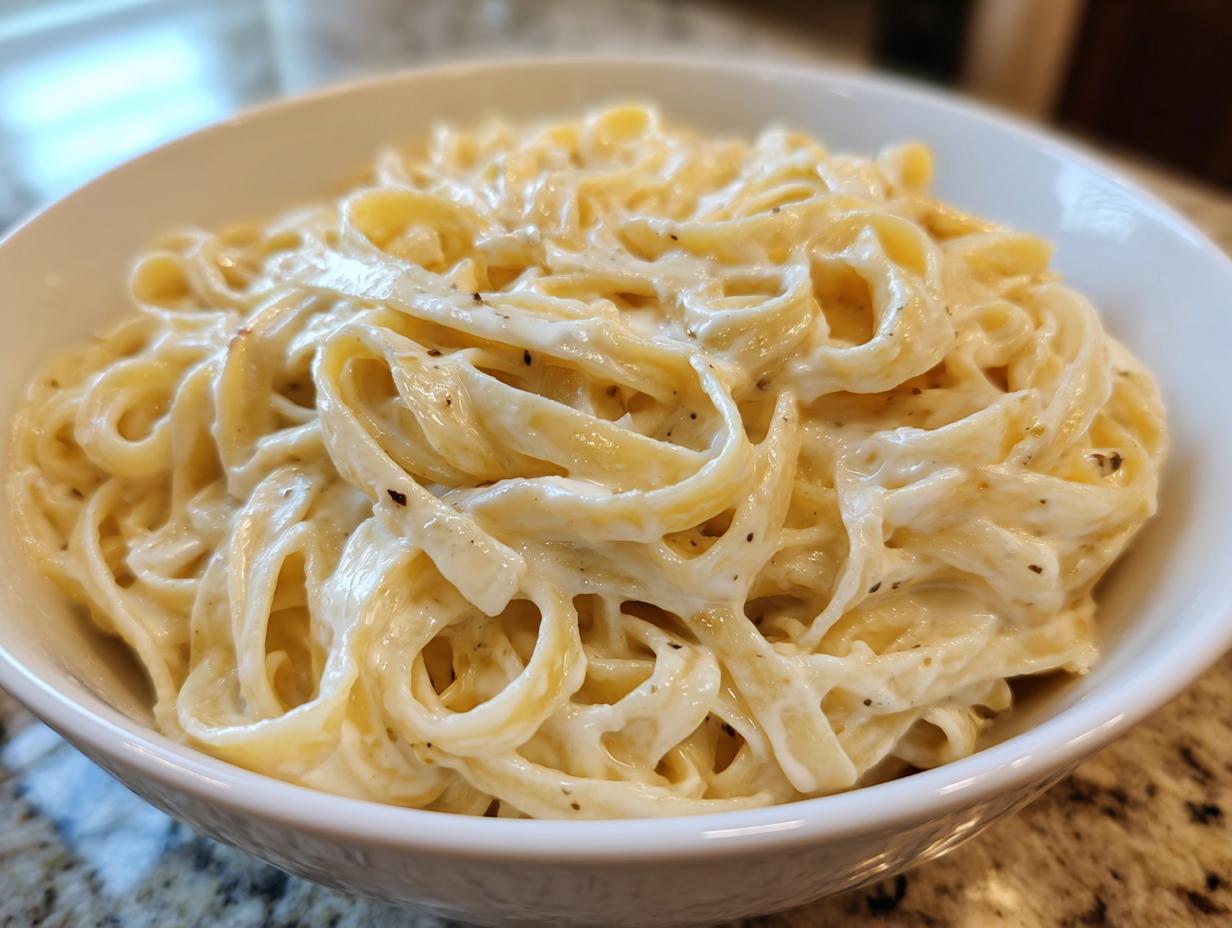
Whenever I think of true, soul-soothing comfort food, my mind immediately jumps straight to classic Italian-American cooking. And when we talk classics, you absolutely have to talk about fettuccine pasta coated in something ridiculously creamy. I spent years in professional kitchens, but honestly, my real mission was always perfecting things like this right here—making restaurant-quality meals accessible on a Tuesday night. This Classic Creamy Fettuccine Alfredo is the cornerstone of simple, indulgent cooking. It’s the ultimate benchmark for any good fettuccine recipe, and trust me, once you nail the sauce texture, you’ll be making this dish all the time. Don’t forget to grab some nice bread for dipping in the extra sauce; you can check out my favorite 5-minute olive oil dip while you wait for the water to boil!
- Why This Classic Fettuccine Pasta Recipe Works So Well
- Gathering Ingredients for Perfect Fettuccine Pasta Alfredo Sauce Recipe
- How to Cook Fettuccine Pasta Perfectly: Step-by-Step Instructions
- Ingredient Notes and Substitutions for Fettuccine Pasta
- Tips for Success with Simple Fettuccine Dinners
- Variations on Classic Fettuccine Pasta Dishes
- Storage and Reheating Instructions for Leftover Fettuccine Pasta
- Frequently Asked Questions About Fettuccine Pasta
- Nutritional Estimates for This Fettuccine Dish
- Share Your Favorite Fettuccine Pasta Creations
Why This Classic Fettuccine Pasta Recipe Works So Well
I know there are a million creamy fettuccine dishes out there, but this one keeps me coming back time and time again. It eliminates all the fussy work you often associate with Italian dining. It truly delivers on its promise!
- Speed and Simplicity for Easy Pasta Night
Speed and Simplicity for Easy Pasta Night
You won’t believe this whole thing comes together in under 25 minutes total. That’s why I rate this as one of the very best fettuccine recipes for getting a hot, satisfying meal on the table fast. It’s my go-to quick weeknight fettuccine answer.
- Achieving Restaurant Style Fettuccine Texture
Achieving Restaurant Style Fettuccine Texture
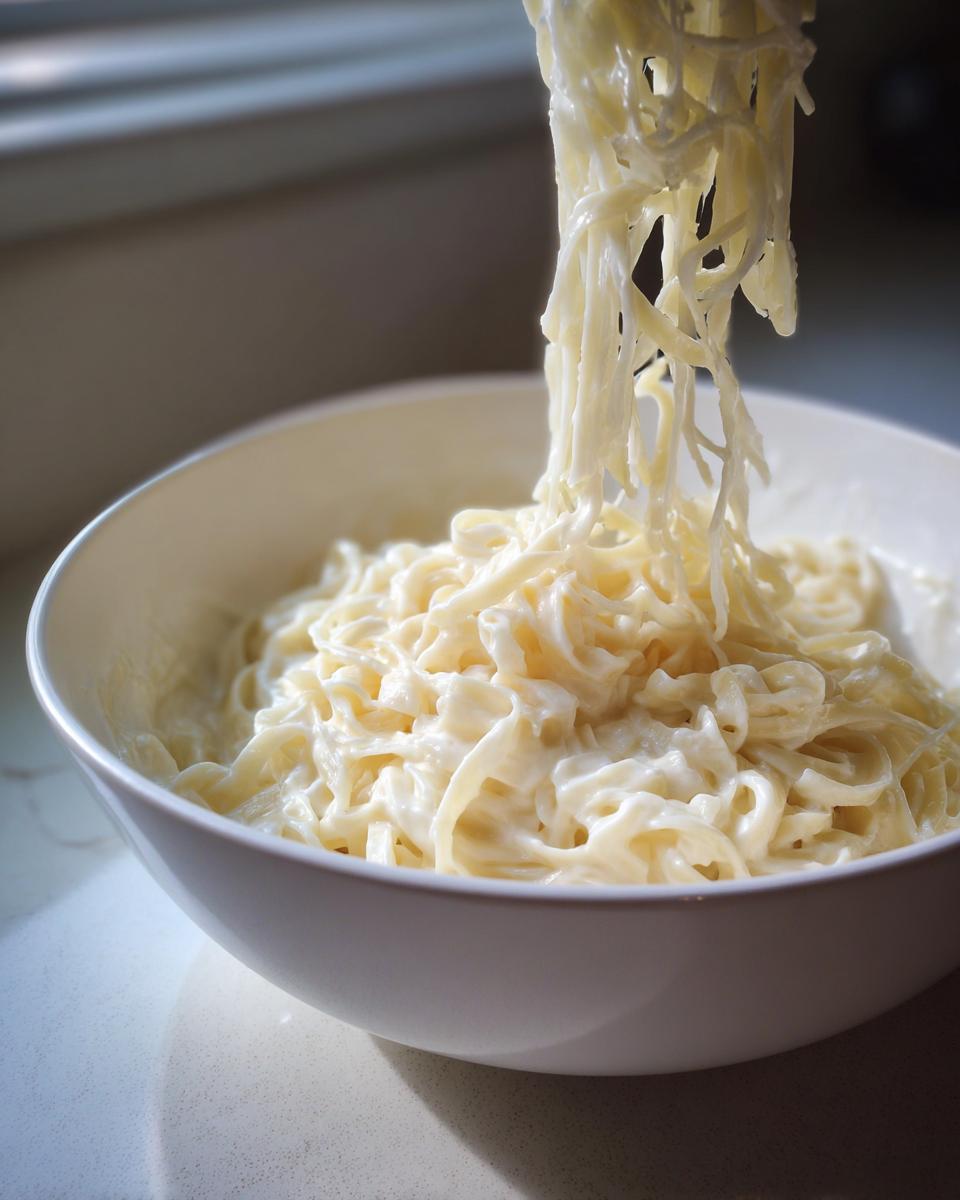
The real magic happens with the starchy water! Don’t skip saving that bubbly water. That stuff emulsifies the butter and cream perfectly, creating a sauce that actually clings to every strand of fettuccine pasta instead of pooling sadly at the bottom of your bowl. That’s the secret to restaurant style fettuccine, right there. Check out more ideas for quick and easy weeknight dinners for more inspiration!
Gathering Ingredients for Perfect Fettuccine Pasta Alfredo Sauce Recipe
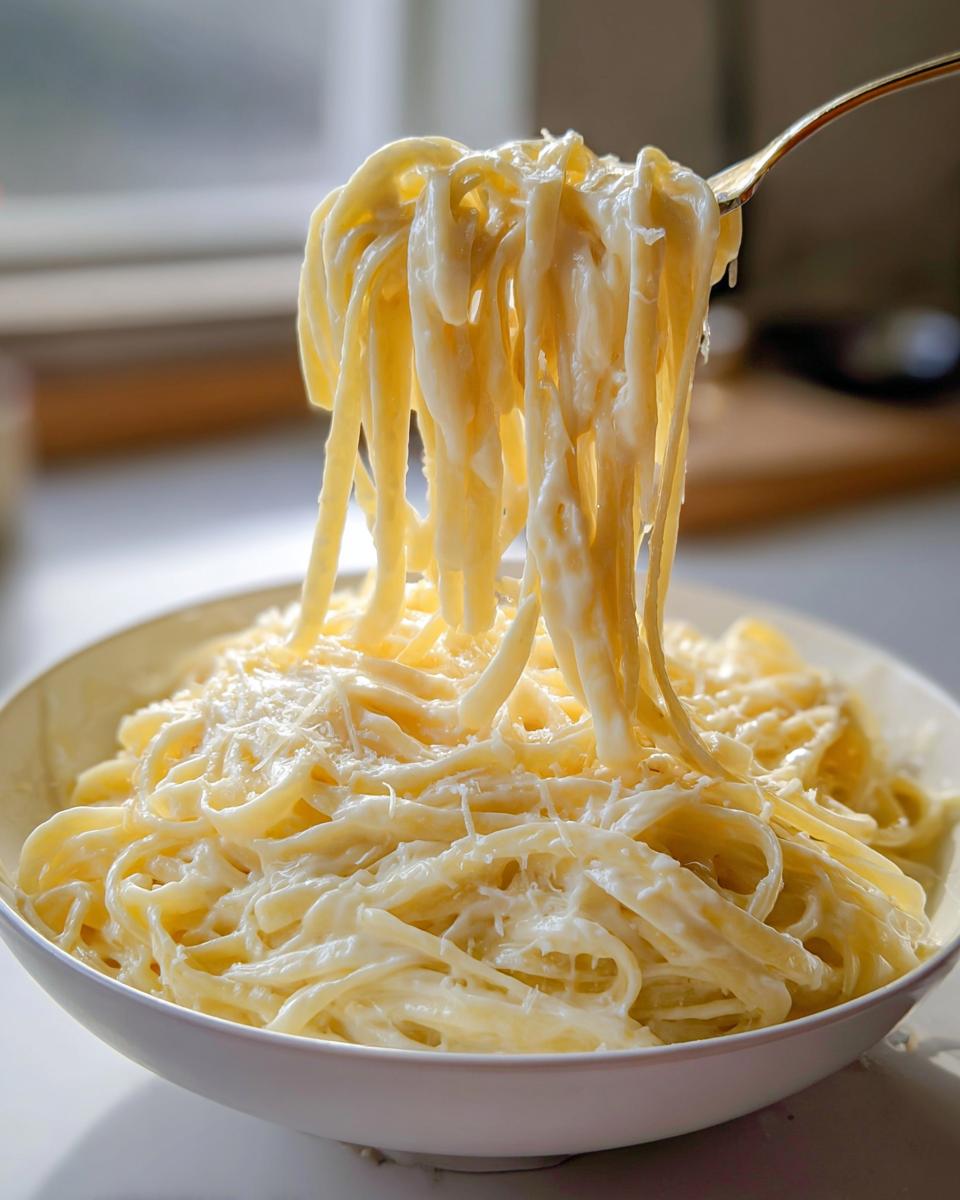
Okay, you know I’m all about simple, but simple doesn’t mean low quality, especially when we’re talking about authentic Italian pasta fettuccine flavor. For this fettuccine alfredo sauce recipe, every single component has to be top-notch because there are so few of them! We need high-quality Parmesan cheese. If you buy that pre-shredded stuff sitting on the shelf, your sauce will clump, guaranteed. Don’t let that happen to your meal!
Key Components for Your Fettuccine Pasta
You’ll need one whole pound of your favorite fettuccine pasta to start. For the sauce base, grab 4 tablespoons of good, unsalted butter and 1 cup of heavy cream—no skim milk substitutions here, we need that richness! Then, the star: 1 full cup of freshly grated Parmesan cheese. You’ll also need salt, black pepper, and just a tiny pinch of nutmeg if you like a little warmth in your creamy fettuccine dishes. If you want to see my deeper dive into making homemade Alfredo sauce, check out my process for homemade Alfredo sauce recipe.
How to Cook Fettuccine Pasta Perfectly: Step-by-Step Instructions
Alright, listen up, because this is where most people mess up an otherwise perfect batch of fettuccine pasta. It’s not just about dumping the noodles in water; it’s about preparation meets gentle execution. If you follow these steps exactly, you’ll master exactly how to cook fettuccine pasta to that perfect, non-soggy texture every single time.
Cooking the Fettuccine Pasta Al Dente
First thing’s first: get a giant pot full of water boiling—and salt it until it tastes like the ocean, seriously! Drop in your pound of fettuccine pasta and cook it according to the package, but check it a minute early. We want it ‘al dente,’ meaning it still has a little bite in the center. Before you even think about draining it, scoop out at least a full cup of that starchy, salty water and set it aside. You absolutely need that liquid gold later to make the sauce stick!
Building the Creamy Fettuccine Alfredo Sauce
Now, while those long noodles are doing their thing, melt your butter in a wide skillet over medium heat. Once it’s happy, pour in the heavy cream and let it just start to simmer—don’t let it roll! This is my big chef tip, folks: once you start whisking in that fresh Parmesan cheese, you must bring the heat down to low. If you boil the sauce after the cheese is in, it separates, and you get grainy grease instead of a luxurious sauce. Season it up nicely with salt, pepper, and that optional nip of nutmeg. Keep whisking until it looks like liquid silk. If you want to see another incredibly simple sauce idea, you must check out my 10-minute creamy garlic sauce recipe!
Combining and Finishing Your Fettuccine Pasta
Once the fettuccine pasta is perfectly cooked, drain it quickly and dump it right into that skillet with the sauce. Toss, toss, toss! Make sure every single strand gets coated. If you see it tightening up or looking dry while you toss, grab that reserved pasta water and splash in just a spoonful or two until it loosens back up into that amazing, velvety consistency. This step ensures you have truly incredible restaurant style fettuccine. Trust me, serve this immediately while it’s screaming hot!
Ingredient Notes and Substitutions for Fettuccine Pasta
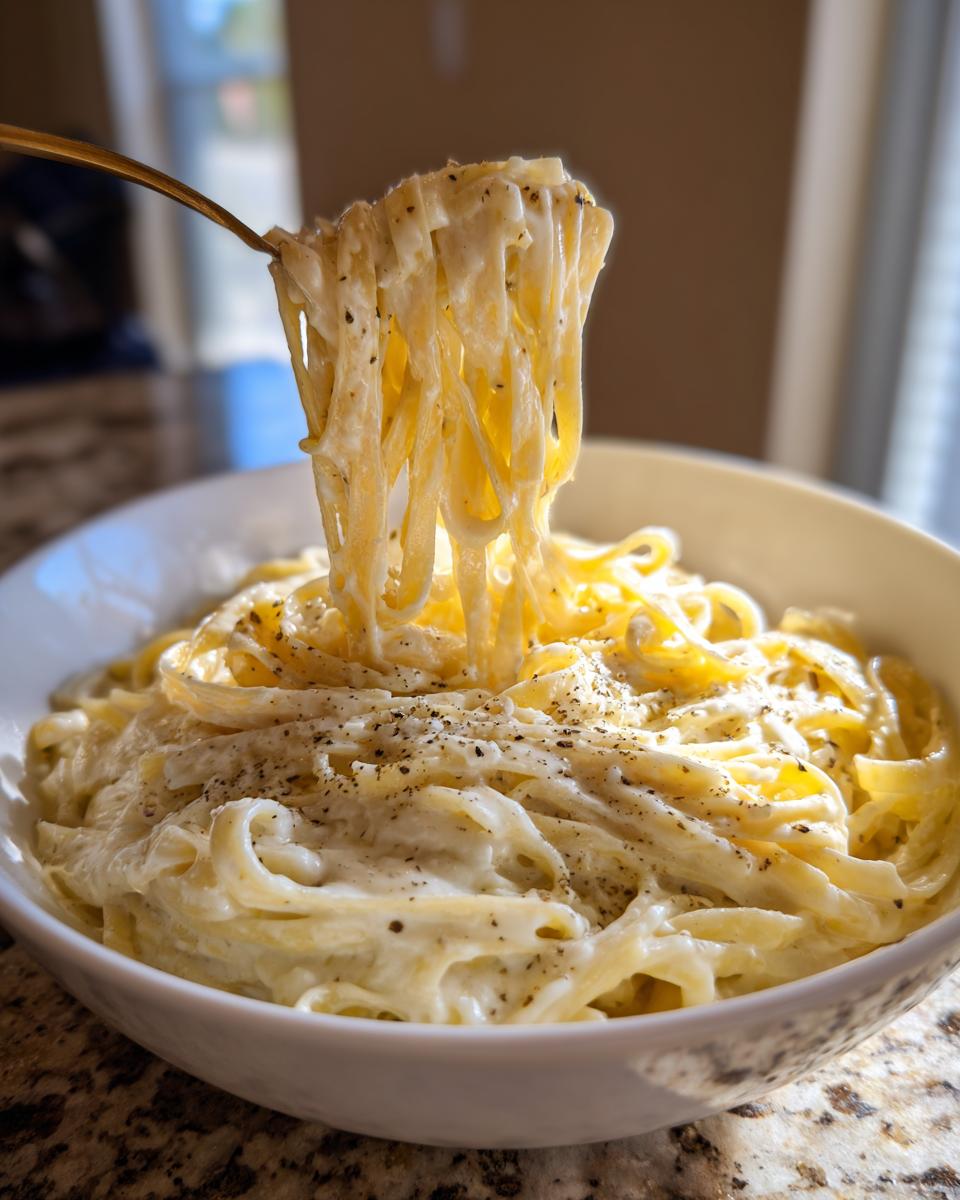
When you rely on so few ingredients, like we do in this simple fettuccine pasta recipe, the quality of what you use really shines through. This isn’t the place to skimp! I like sharing my personal experience here to help you get that restaurant style fettuccine texture every single time, whether you’re sticking to my vegetarian version or turning it into a protein-packed delight.
Choosing the Right Parmesan for Rich Fettuccine Pasta
Listen, I can’t stress this enough: you need real Parmesan cheese, the kind you grate yourself off a wedge. Pre-grated Parmesan has anti-caking agents added, usually starch, and those agents clump up when they hit warm cream, causing your beautiful sauce to seize. When I’m making this authentic Italian pasta fettuccine, I use Parmigiano-Reggiano if I can find it. It melts beautifully due to its slightly higher fat content and gives you that incredible nutty, salty depth that defines good Alfredo. Skip the green canister; your taste buds will send you a thank you note!
Making This a Hearty Fettuccine with Chicken
Love a good, filling meal? This is easily adapted into a stellar fettuccine with chicken. The secret is simple: cook your chicken first! I usually dice up boneless, skinless chicken breasts and brown them in the skillet *before* I start the sauce steps—just wipe out the excess oil if there is too much. Once the chicken is cooked through and slightly golden, take it out of the pan and set it aside. Then, you proceed exactly as written, adding the cooked chicken back in with the drained fettuccine pasta in the very last step before you toss everything together. If you want a full breakdown on making the chicken version, you should check out my dedicated recipe for chicken fettuccine Alfredo!
Tips for Success with Simple Fettuccine Dinners
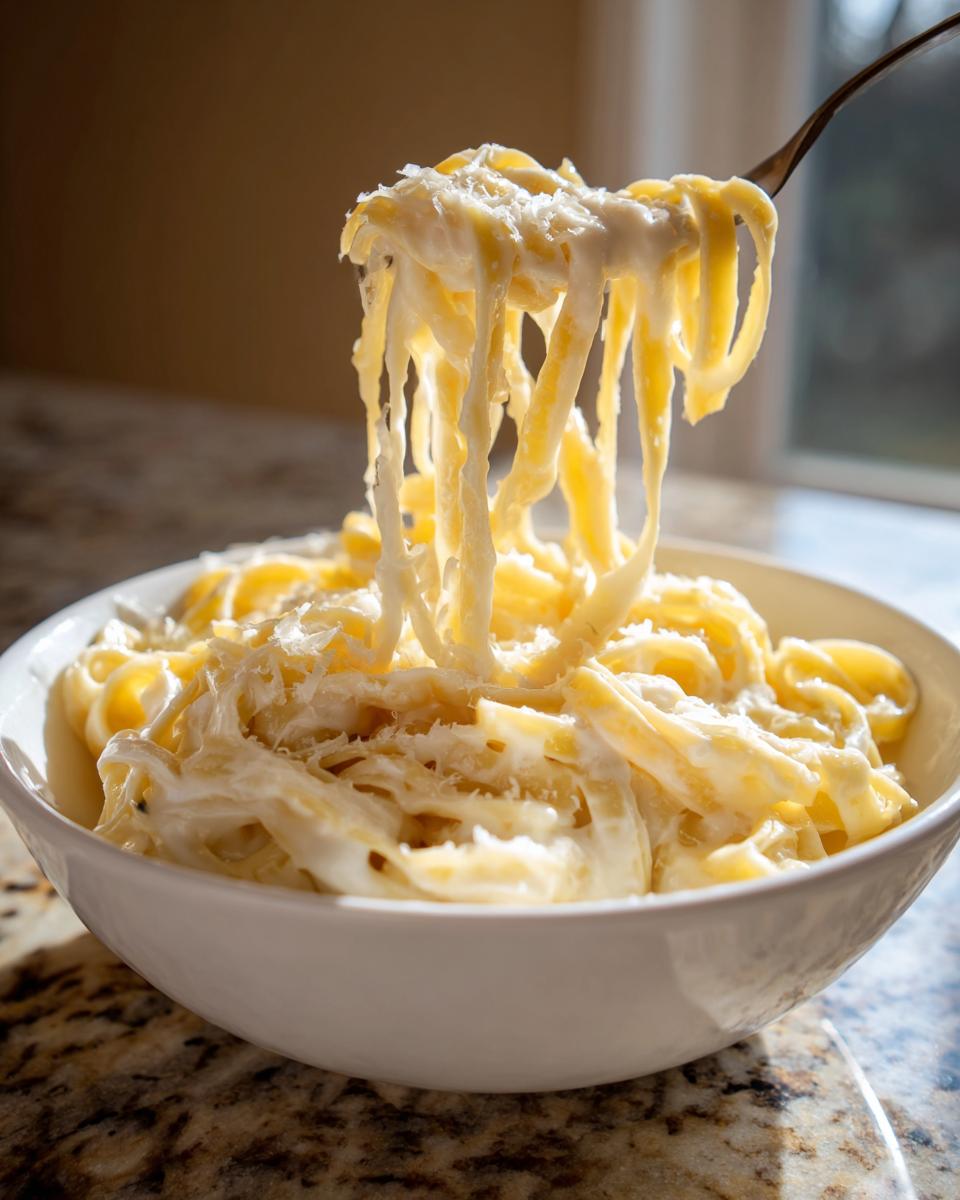
You’ve got the sauce made, the fettuccine pasta is perfectly cooked, but hold up! A few tiny tweaks can elevate this from good to gasp-worthy. Since this is a simple fettuccine dinner, we need to nail the technique on temperature. Never let the sauce sit and cool down—Alfredo sauce is best served immediately, piping hot, because as it cools, the butter tends to separate a little.
When you toss the pasta in the pan, do it off the heat or on the absolute lowest setting to avoid scorching your cheese. Also, think presentation! Don’t overload the bowls. Serve smaller portions but pile on an extra dusting of fresh Parmesan right at the table. It looks fantastic and tastes even better. For something sweet after this indulgence, take a look at my favorite simple, delicious desserts!
Variations on Classic Fettuccine Pasta Dishes
I absolutely adore the classic Alfredo—it’s pure magic when done right—but once you master this foundational technique for fettuccine pasta, you can spin it into so many other amazing dishes! Why stick to one flavor when the world of pasta offers so much? Thinking beyond heavy cream opens up incredible possibilities for your next easy pasta night.
If you are looking for something lighter but still packed with flavor, think about seafood fettuccine ideas. Imagine tossing that perfectly cooked fettuccine with sautéed shrimp, scallops, maybe some fresh lemon zest, garlic, and just a little olive oil and white wine reduction instead of cream. That turns dinner into something bright and summery so fast!
On the other end of the spectrum, if you want something really hearty, this wide, flat ribbon pasta holds up beautifully to robust sauces. You can easily switch gears and create a stunning hearty meat sauce fettuccine. Just swap out the Alfredo sauce base entirely. Use your favorite slow-simmered beef or Italian sausage ragu. The wide surface area of the fettuccine pasta grabs onto all those chunks of meat and rich tomato so much better than narrow spaghetti does. For a similar flavor profile but different shape, you might also enjoy my recipe for seafood pasta with garlic butter linguine, though I always prefer the heft of fettuccine for heavier sauces!
Storage and Reheating Instructions for Leftover Fettuccine Pasta
Look, I know this dish is best right out of the pan when the sauce is perfectly emulsified, but sometimes you just can’t finish it all! And that’s okay. Don’t toss those leftovers; they are perfect for an easy lunch the next day. You can absolutely save leftover fettuccine pasta Alfredo, but you have to treat the rich sauce gently during storage so it doesn’t ruin the experience when you reheat it.
For storage, pop the leftovers into an airtight container and get them in the fridge within two hours. They’ll be good for about three days, tops. The cream and cheese will naturally thicken up a lot once it cools down, so it won’t look like the sauce you remember—that’s normal, don’t panic!
When it’s time to reheat your simple fettuccine dinners, the key word is *moisture*. Do not, I repeat, *do not* microwave it dry! That just cooks the pasta right out of the sauce. Instead, put the leftovers in a small saucepan over low heat. Before you turn the heat on, stir in a splash—maybe a tablespoon or two—of milk or fresh cream. This helps loosen up the sauce and prevents it from becoming a solid, grainy block. If you’re looking for more great make-ahead options, check out my tips for easy lunch meal prep!
Stir constantly until it’s warm all the way through. If you’re using a microwave, use medium power levels and stir every 30 seconds. Always add a splash of liquid before reheating. A little extra love, and your leftover fettuccine pasta tastes almost as good as the first time around!
Frequently Asked Questions About Fettuccine Pasta
I always get so many questions whenever I post about my favorite noodles! Honestly, there are so many types of pasta out there, it’s easy to get mixed up. But since fettuccine pasta is one of my top three go-to shapes, I’ve got the answers to the most common things people ask me when they are trying to nail that easy pasta night.
What is the difference between fettuccine vs linguine?
This is such a common one! You see them side-by-side in the store, and they look almost identical, right? Well, linguine means “little tongues,” and it’s shaped more like a flattened spaghetti—it’s narrow and slightly elliptical. Fettuccine, on the other hand, is wider and flatter overall. Because fettuccine is wider, it’s better suited for thick, heavy sauces like Alfredo because it gives the sauce more surface area to grip onto. Linguine is usually better for lighter, oil-based sauces or seafood dishes. If you are looking for the ultimate guide to easy weeknight meals, make sure you check out my post on easy pasta night solutions!
Can I use dried fettuccine pasta instead of fresh?
Of course you can! I love making homemade fresh fettuccine when I have an afternoon, but let’s be real, most nights we rely on the dried stuff. Dried fettuccine pasta works absolutely perfectly fine for this recipe. The only thing you need to watch out for is the cooking time. Fresh pasta cooks in just a minute or two, but dried will take longer, usually 10 to 12 minutes, depending on the brand. Just cook it until it’s al dente, taste it, and then pull it out when it’s ready, following the recipe notes about reserving that starchy water!
How do I prevent my fettuccine alfredo sauce from getting grainy?
This is the nightmare scenario, isn’t it? Grainy sauce means the fats and the liquids separated, usually because the temperature got too high or you rushed the cheese. For this iconic fettuccine alfredo sauce recipe, you must stick to low heat once you introduce the Parmesan. Whisk it in slowly, gradually, and never let it boil after the cheese melts in. Patience here is your best friend. If you notice it starting to look a little oily or chunky *before* you add the pasta, take the whole pan off the burner for 30 seconds, whisk vigorously, and then put it back on low. That gentle coaxing is the difference between an incredible meal and a disappointing plate of cheese lumps!
Nutritional Estimates for This Fettuccine Dish
Now, I know this fettuccine pasta Alfredo is rich—we’re using butter and heavy cream because that’s what makes it taste like heaven! So, I always like to give a little heads-up on what you’re looking at nutritionally, just so you know where you stand for your simple fettuccine dinners. This is definitely a treat, not an everyday staple, unless you’re treating yourself!
Here are the estimates for one serving of this classic recipe. Remember, these numbers are based on the ingredients listed, specifically using 1 pound of dried fettuccine pasta divided over four servings, and all those glorious fats. Actual values can change wildly depending on whether you use low-fat cream or high-end aged Parmesan, so take this as a guide!
- Serving Size: 1 serving
- Calories: 650
- Sugar: 3g
- Sodium: 450mg
- Fat: 40g (with 24g of that being Saturated Fat—yum!)
- Carbohydrates: 55g
- Protein: 25g
Just keep in mind, this is just an estimate. If you add grilled chicken for a fettuccine with chicken version, those numbers are definitely going up on the protein side! We aren’t calculating any extra Parmesan dusted on top, either, so go easy when you garnish!
Share Your Favorite Fettuccine Pasta Creations
That’s it, folks! You now have everything you need to conquer the world with the best fettuccine pasta Alfredo you’ve ever made at home. I truly believe this recipe is a winner—it’s fast, it’s creamy, and it tastes like you spent hours on it! Now, the best part is hearing from you!
When you make this classic fettuccine alfredo sauce recipe, please come back and let me know how it turned out. Seriously, drop a five-star rating if this has become your new favorite creamy fettuccine dish! Did you add shrimp? Did you stick to the simple version? I live for those little notes in the comments. They help me know what you guys are loving!
If you snapped a picture of your beautiful, sauce-clinging noodles, please tag me on social media so I can see your creation! If you have any troubleshooting questions or just want to drop a line to say hello, you can always reach out directly through my contact page. I read every single message. Happy cooking, and I hope this simple, indulgent dish becomes a cherished favorite at your dinner table, just like it is at mine!
PrintClassic Creamy Fettuccine Alfredo Recipe
Make restaurant style fettuccine alfredo sauce at home with this simple recipe. This creamy fettuccine dish is perfect for a quick weeknight dinner.
- Prep Time: 10 min
- Cook Time: 15 min
- Total Time: 25 min
- Yield: 4 servings 1x
- Category: Dinner
- Method: Stovetop
- Cuisine: Italian-American
- Diet: Vegetarian
Ingredients
- 1 pound fettuccine pasta
- 4 tablespoons unsalted butter
- 1 cup heavy cream
- 1 cup freshly grated Parmesan cheese, plus more for serving
- 1/2 teaspoon salt
- 1/4 teaspoon black pepper
- Pinch of nutmeg (optional)
Instructions
- Bring a large pot of salted water to a boil. Add the fettuccine pasta and cook according to package directions until al dente. Reserve about 1 cup of the starchy pasta water before draining.
- While the pasta cooks, prepare the sauce. In a large skillet over medium heat, melt the butter.
- Pour in the heavy cream and bring it to a gentle simmer. Reduce the heat to low.
- Gradually whisk in the grated Parmesan cheese until the sauce is smooth and creamy. Do not let the sauce boil once the cheese is added.
- Season the sauce with salt, pepper, and nutmeg, if using.
- Add the drained fettuccine directly to the skillet with the sauce. Toss to coat the pasta completely.
- If the sauce seems too thick, add the reserved pasta water, one tablespoon at a time, until you reach your desired consistency.
- Serve immediately in warm bowls, topped with extra Parmesan cheese.
Notes
- For a richer flavor, use high-quality aged Parmesan cheese.
- To make this a heartier meal, add cooked chicken breast strips for fettuccine with chicken.
- If you are making homemade fresh fettuccine, reduce the cooking time slightly.
Nutrition
- Serving Size: 1 serving
- Calories: 650
- Sugar: 3
- Sodium: 450
- Fat: 40
- Saturated Fat: 24
- Unsaturated Fat: 10
- Trans Fat: 1
- Carbohydrates: 55
- Fiber: 3
- Protein: 25
- Cholesterol: 120