

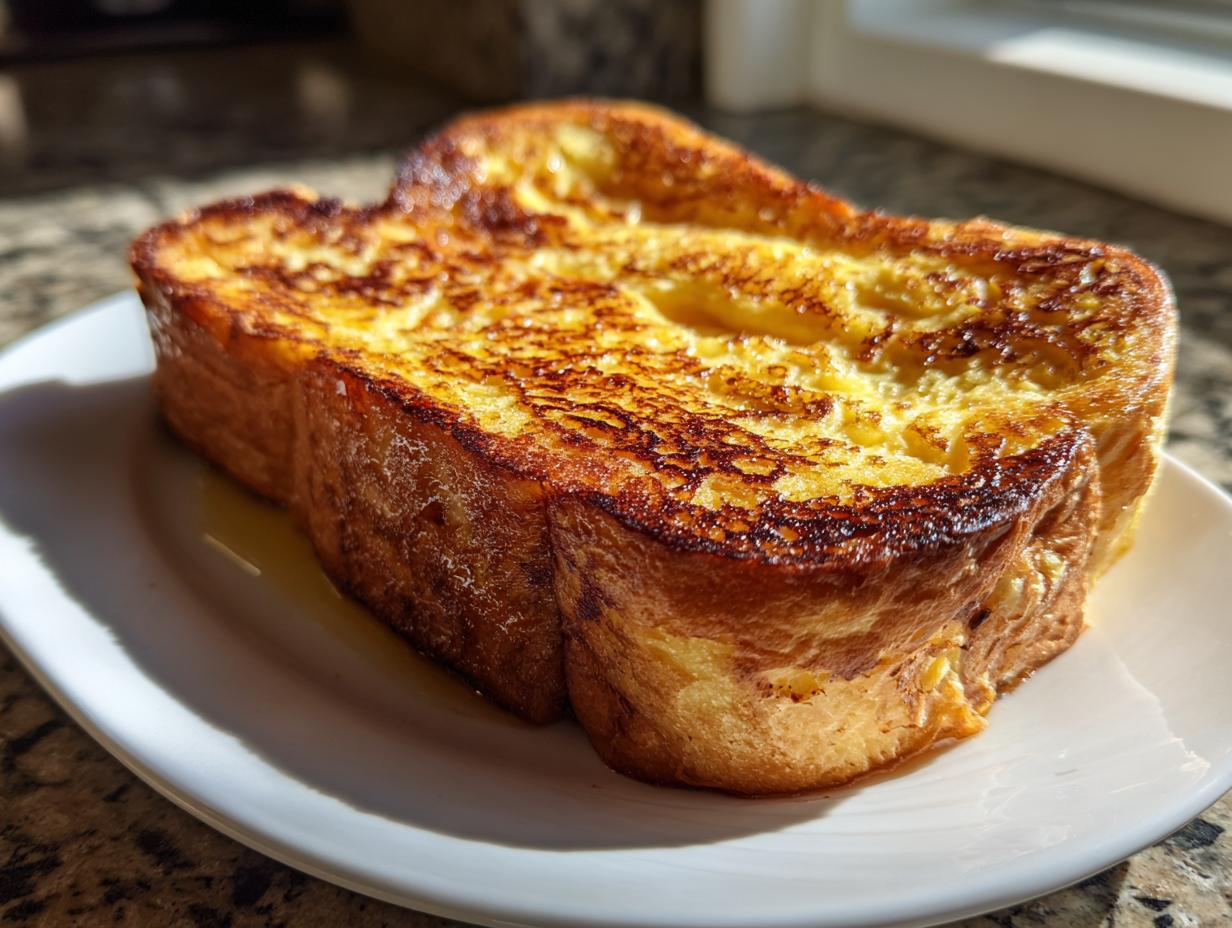
Forget rushing through breakfast like it’s just another task to check off the list. My whole philosophy here at Julia Meal is about slowing down, even just for twenty minutes, to create something that feels truly luxurious. We’re turning an ordinary morning into an intentional culinary moment. That’s where this Crispy sourdough French toast comes into play!
We aren’t just making French toast; we’re achieving that coveted, almost architectural balance: a deep, custardy interior that melts in your mouth, encased in an aggressively crisp exterior. Trust me, the slight tang of sourdough takes this far past the boring white bread versions. It’s all about those complex textures woven into one incredible bite.
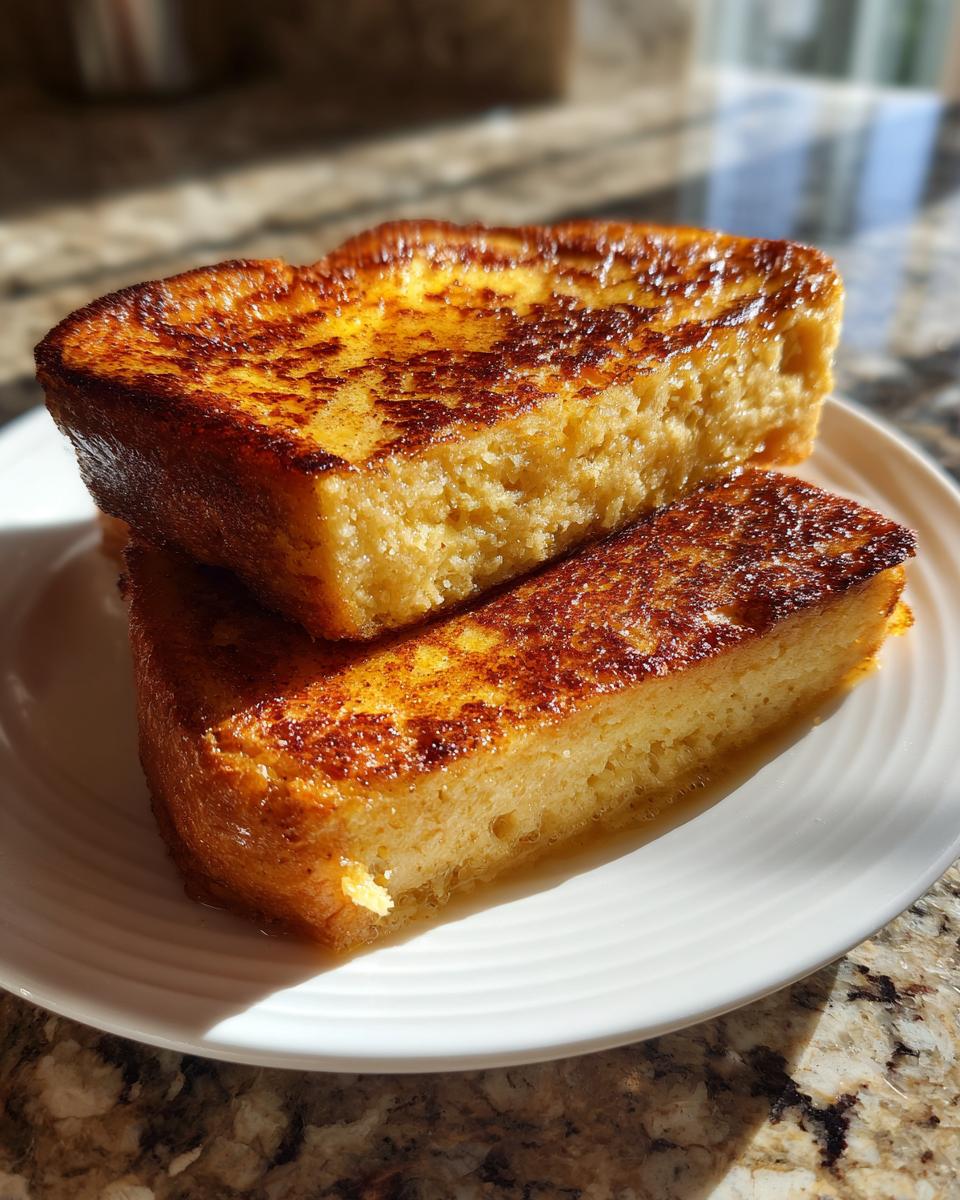
This recipe is the cornerstone of what I call a gourmet breakfast experience. It’s simple enough for a Tuesday if you’re feeling ambitious, but special enough for Sunday brunch. If you’re looking for the ultimate guide to mastering this technique, you’ll want to check out my deep dive into the ultimate texture secrets right here: my approach to sourdough texture.
- Why This Crispy Sourdough French Toast Recipe Works (Julian's Experience)
- Ingredients for Your Crispy Sourdough French Toast
- Step-by-Step Instructions for Gourmet French Toast
- Tips for Perfect Crispy Sourdough French Toast Every Time
- Serving Suggestions for Your Easy Brunch Ideas
- Storage and Reheating Instructions for Custard Soaked Toast
- Frequently Asked Questions About Crispy Sourdough French Toast
- Estimated Nutritional Information for Crispy Sourdough French Toast
- Share Your Intentional Breakfast Experience
Why This Crispy Sourdough French Toast Recipe Works (Julian’s Experience)
When I first started testing recipes for what would become my standard gourmet french toast, I hated how easily standard sandwich bread would disintegrate. It just turns to mush! That’s why sourdough is the absolute secret weapon here. Its sturdy crumb and that little bit of natural sourness cut through the richness of the custard beautifully, giving us those desired complex textures.
It took me ages, honestly, to nail the perfect soak time. You can’t just dump it in and walk away! That’s my number one piece of advice for anyone trying this at home.
The Sourdough Advantage for Crispy Sourdough French Toast
Sourdough, especially if it’s a day or two old—which I always suggest—has less simple starch that just melts when it hits liquid. Its tighter structure and higher acidity mean it absorbs that rich egg mixture without collapsing into a soggy mess. It builds a resilient framework that fries up incredibly well later.
Achieving the Perfect Custard Soaked Toast
The liquid part is equally important. We’re using a mix of whole milk and that bit of heavy cream—don’t skip the cream! That ratio is what guarantees that deep, almost creamy center we’re aiming for in our custard soaked toast. You want the bread saturated, yes, but never waterlogged. Thirty seconds per side is usually the sweet spot for truly thick slices.
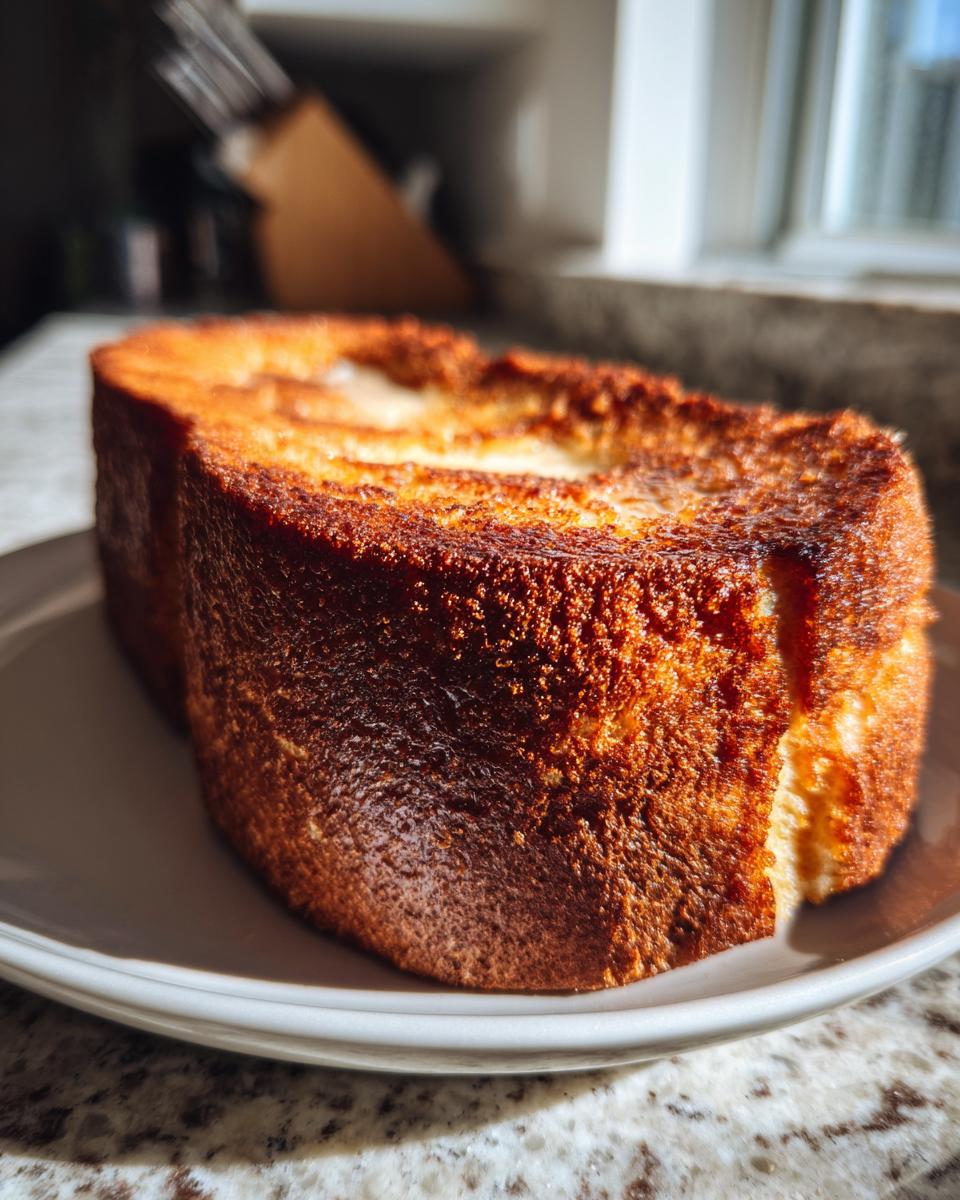
Ingredients for Your Crispy Sourdough French Toast
When you’re aiming for something truly special, you can’t cut corners on what goes into the bowl. I’ve listed exactly what I use below to get that perfect result every single time. It’s about clarity here; we want these ingredients to blend seamlessly for a luxurious outcome.
For this recipe, make sure you use bread that is at least an inch thick. Thin slices just don’t give you the contrast between the crisp outside and the soft inside that we’re looking for!
- 6 slices thick-cut sourdough bread
- 4 large eggs
- 1 cup whole milk
- 1/4 cup heavy cream
- 2 tablespoons granulated sugar
- 1 teaspoon vanilla extract
- 1/2 teaspoon ground cinnamon
- Pinch of salt
- 2 tablespoons unsalted butter, for cooking
See? Simple quality ingredients! Using unsalted butter lets me control the final seasoning, and those four large eggs are key for developing that rich custard that coats every piece of sourdough.
Step-by-Step Instructions for Gourmet French Toast
Now that we have our high-quality ingredients ready, let’s talk process. This is where many people rush, but trust me, taking the extra minute here is what separates these amazing sourdough breakfast recipes from basic weekend fare. Remember what I said earlier? Day-old bread absorbs liquid beautifully without turning soupy. If your sourdough is super fresh, just let it sit out on the counter for an hour or so before you start!
Preparing the Custard Base
First things first, grab a shallow dish—something wide enough that your bread slice lays flat. In that dish, we whisk everything liquid together: the eggs, the whole milk, that splash of heavy cream, your sugar, vanilla, cinnamon, and salt. You need to whisk this really well until it looks totally uniform, aiming for that perfectly blended look so you know it’s fully combined.
Soaking the Artisan Bread Recipes Slices
This is the moment of truth! Take one slice of that thick sourdough and gently lay it into the custard. Let it sit for about 30 seconds on the first side, then flip it just as quickly. That’s it! We are not letting it sit for minutes. Sourdough is firm, but too much soaking just ruins that crisp outside we work so hard for. This controlled soak is what makes this work so well, even if you decide to switch to other fantastic artisan bread recipes!
Cooking for Maximum Crispness
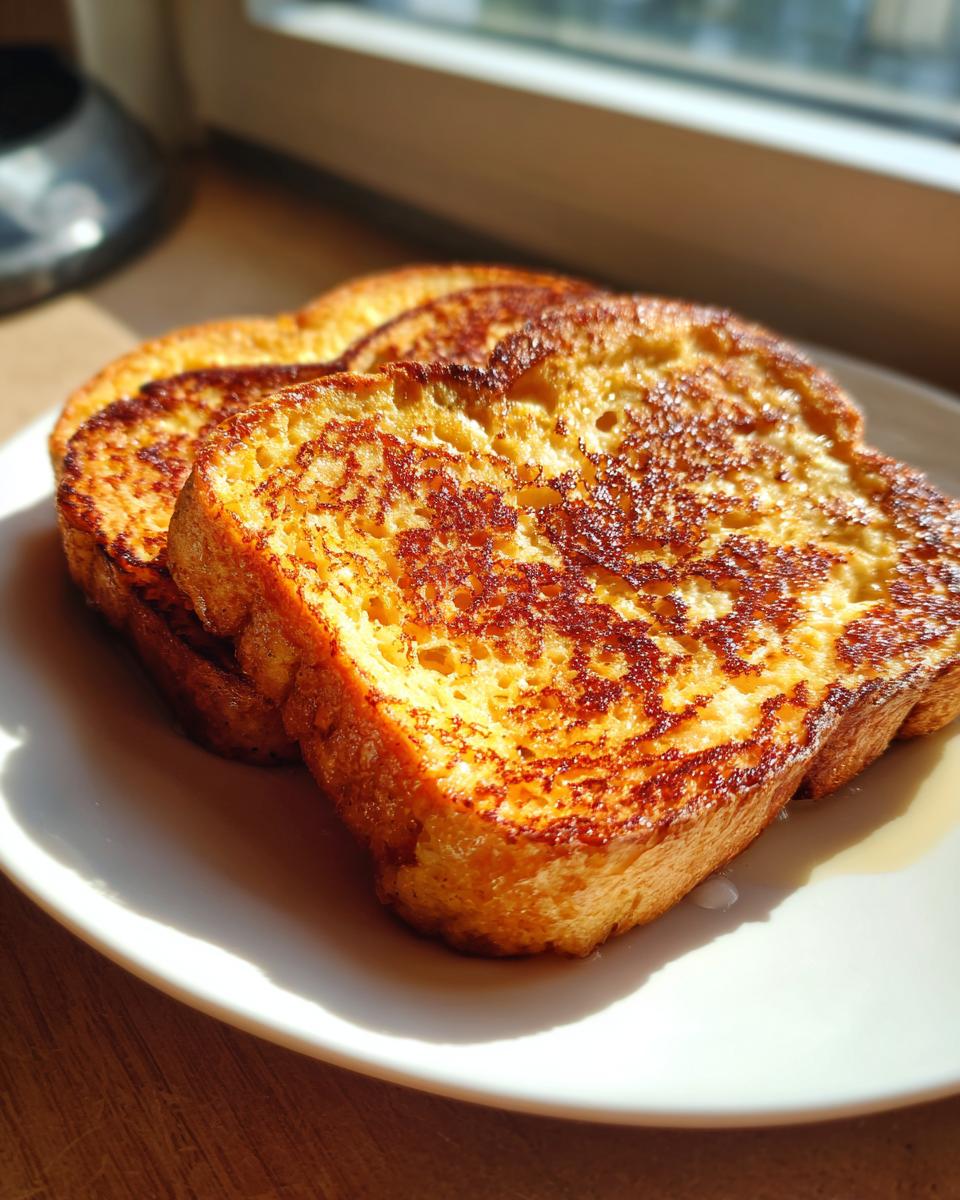
Get your largest skillet or griddle heated up over medium heat. You want medium, not screaming hot, or you’ll burn the outside before the custard sets. Melt half of your unsalted butter until it’s foamy—that perfect foaming tells you the pan is ready. Place your soaked slices down, making sure they have a little space between them. Cook them for about 3 to 4 minutes per side until they are deeply golden brown. Don’t touch them too soon, or they might break!
When you flip to the second side, melt the remaining butter. Now, here’s a little kitchen trick for truly gourmet results: if you want them ultra-crispy and feel like serving immediately isn’t feasible, pop the cooked slices onto a baking sheet and finish them in a 300°F oven for about five minutes. It firms up that crust beautifully without drying out the middle!
Tips for Perfect Crispy Sourdough French Toast Every Time
Honestly, I’ve learned so much through trial and error over the years—burnt edges, puddles of egg mix—the whole disaster checklist! But those experiments taught me the few non-negotiables that guarantee a perfect result every single time you make this Crispy sourdough French toast. When you focus on these small details, the final product feels like it came from a five-star bistro, not just my home kitchen.
You want that textural magic, right? It’s all about temperature control and dough choice. If you’re storing leftovers, I actually stick mine in the toaster oven the next day rather than the microwave. The microwave turns them back into warm sponges, and we worked way too hard for that!
Selecting the Best Artisan Bread Varieties
Look, you *can* use store-bought sourdough, but if you have access to a true artisan loaf from your local bakery, grab it! The key isn’t just the sourdough flavor—it’s the structure. You absolutely need slices that are thick, preferably closer to an inch thick. Thin bread just doesn’t offer enough structural integrity to hold all that gorgeous custard we mixed up. I’ve found that a rustic country loaf, or even a slightly darker rye sourdough, gives you an even more amazing, deep exterior crust when fried.
Troubleshooting Common Issues
If your toast is coming out soggy on the inside, I can tell you exactly what happened: you over-soaked it. That sourdough is dense, so it needs less time than regular bread. If your outside is burning before the inside is golden and set, your heat is too high. Keep it on medium, maybe just a touch below. It feels slow, but that gentle heat allows the sugars in the custard to caramelize slowly, giving you that deep, even golden-brown finish instead of black spots next to pale patches. Remember, patience leads to perfection, especially when dealing with such great sourdough discard, which sometimes ends up here too!
Serving Suggestions for Your Easy Brunch Ideas
Look, the foundation of this dish is already so solid—that rich custard with the slight tang from the sourdough—that you almost don’t need anything on top. But where’s the fun in that? For me, an easy brunch idea becomes truly memorable when you elevate the toppings. I always think about what will either enhance the creaminess or provide a bright, sharp contrast to the richness of the egg and butter.
When I serve this to guests, I try to present a little spread so everyone can customize their plate. It makes the meal feel more engaging, like building your own little breakfast masterpiece. Don’t just grab the standard bottle of bright red syrup; let’s make this plate look as gorgeous as it tastes!
If you’re looking for a creamy, sophisticated spread that pairs perfectly with the tang of the bread, I highly recommend whipping up some ricotta cream. You can find my recipe for an incredible whipped ricotta and honey combo that is simply phenomenal here.
Here are my tried-and-true favorites:
- The Classic Elevation: High-quality maple syrup—not pancake syrup—drizzled lightly, topped with a sprinkle of toasted pecans or walnuts. The crunch is everything.
- The Fruit Forward: Fresh berries are a must. Blueberries and sliced strawberries give you that nice acid pop. A little dusting of powdered sugar over the top makes it look professional.
- The Zesty Choice: A squeeze of fresh lemon juice mixed with a tiny bit of zest right over the top right before serving actually cuts the richness beautifully and highlights the sourdough’s subtle flavor.
- For the Chocolate Lover: A few dark chocolate shavings that melt slightly on the hot toast. Wow. Pure indulgence for a weekend treat.

Storage and Reheating Instructions for Custard Soaked Toast
Let’s be honest, this custard soaked toast is at its absolute peak right out of the hot skillet, glistening with melted butter. That crust doesn’t stay crisp forever, so if you have leftovers—and who are we kidding, you probably will because this recipe makes a generous batch—you need to treat them right the next day. Never, ever reach for the microwave for leftovers!
The microwave is the great enemy of crispness; it just steams everything back into soggy sadness, and we simply won’t allow that after all the work we put in creating that gourmet texture.
If you must store it, work quickly. Let the cooked slices cool on a wire rack for about fifteen minutes—don’t stack them when they’re hot or you’ll steam the bottoms. Once cool, layer them between sheets of wax paper in an airtight container. They keep okay on the counter for about a day, or you can slide them into the fridge for up to three days.
Reheating is where we bring back the magic. My preferred method is the toaster oven or a regular oven set to 350°F. Lay the slices directly on the rack, not a tray, so the air can circulate underneath. Give them about 6 to 8 minutes, maybe flipping them halfway through. You want them hot all the way through and that beautiful exterior to snap again.
If you have an air fryer, even better! Set it to 375°F for about 4 minutes. It’s lightning fast, and it does an amazing job of drying out that exterior just enough to bring back a fantastic crunch. Serve it immediately afterward with just a light drizzle of maple syrup.
Frequently Asked Questions About Crispy Sourdough French Toast
I know you might have a few lingering questions before you dive into making this perfect breakfast. We are dealing with sourdough here, which is a little different than standard bread, so I always want to make sure you feel totally confident before you start whisking!
When you’re putting together your sourdough breakfast recipes, sometimes substitutes feel necessary. Let’s tackle the common ones so you can still achieve that incredible texture for your easy brunch ideas.
Can I use sourdough discard in this recipe?
That’s a great question, especially if you usually keep a discard starter going! While I love using discard in things like pancakes or waffles—check out my recipe for fluffy ones here: fluffy discard pancakes—it doesn’t work well here for French toast. Discard is often much wetter and acts more like a slurry than a structured bread. For the absolute best, thick, crispy sourdough french toast, you really need those fully baked, thick slices, even if they are a day old.
What is the best substitute if I don’t have heavy cream?
If you’re out of heavy cream, don’t panic! The cream is there primarily to boost the fat content, which equals richness. You can substitute it with whole milk, but you need to make up that richness somewhere. I’d suggest using all whole milk, but adding two extra egg yolks to your custard mixture. Those yolks will give you that desired deep yellow color and creamy mouthfeel, helping to create that perfect custard soaked toast.
Can I make the custard ahead of time?
Yes, absolutely! Making the custard base ahead of time is one of those little tricks that makes a huge difference when you’re hosting people for a gourmet french toast brunch. Whisk up everything in a jar or container, put plastic wrap over it, and stick it in the fridge. It’ll hold well for about 24 hours. Just give it a quick re-whisk before you start soaking the bread. The eggs might settle slightly, so you want them incorporated again.
Is it better to use fresh sourdough or day-old sourdough?
Day-old is almost always superior here. Fresh bread is too light and airy; it drinks up the custard too fast and just turns mushy when you try to handle it. Day-old sourdough has dried out just enough that it becomes like a little sponge—it drinks in that rich egg mixture but holds its shape firmly. This firmness is the secret to achieving that fantastic separation between the crisp, fried exterior and the soft, custardy heart.
Estimated Nutritional Information for Crispy Sourdough French Toast
I always want to be super transparent with you all, but you have to know that when we’re talking about home cooking—especially when using things like different types of artisan bread or finishing with homemade toppings—precise nutrition can be tricky. I’m Julian, and while I’m obsessed with flavor and texture, I’m not a registered dietitian!
What I can tell you is that because we are using whole milk, heavy cream, and four large eggs in this custard, these slices pack a satisfying protein and fat profile. They are certainly more decadent than your standard quick breakfast, which is part of why this feels like such a luxurious treat.
Please take this information as a helpful guide, not gospel. The final numbers—calories, fat, sugar—will shift based on exactly what size sourdough you bought, how much butter you used to cook it, and what incredible toppings you decide to pile on. For my own planning, I generally estimate this recipe breaks down to about 410 calories per two-slice serving before syrup, but use your own judgment based on the ingredients you choose for your sourdough breakfast recipes!
Share Your Intentional Breakfast Experience
Now that you’ve taken the time and put the care into creating this truly exquisite crispy sourdough french toast, I want to hear about it! Making food this good is an act of generosity, and sharing the result is just as important as making it. This is what builds a wonderful community around food, right?
If this recipe made your morning feel just a little bit more intentional—a little more luxurious—then I’ve done my job. Don’t keep that beautiful plate to yourself!
When you’ve tucked into your perfectly crisp slices, I would be so grateful if you’d take a moment to do a couple of things for me:
- Rate it! If this recipe delivered that perfect balance of crisp and custard for you, please come back and give it a full 5 stars. That really helps other cooks find their next great breakfast adventure.
- Tell Me Your Toppings: What did you pair this with? Did you go for the simple berries, or did you invent something completely new? I absolutely love seeing what everyone dreams up in their kitchens!
- Share the Moment: Snap a picture! Tag us on social media. Let’s celebrate these small, gorgeous, intentional morning rituals together.
Every time you choose to slow down and create a meal like this, you honor the whole philosophy behind this kitchen—that the best memories are made at the table, even if it’s just you and the morning paper. If you liked what you read and want to know more about why we cook the way we do here, check out my story and philosophy.
Happy cooking, and enjoy that perfect crunch!
PrintCrispy Sourdough French Toast with Custard Soak

Make gourmet french toast using sourdough bread for a custardy interior and a crisp exterior. This easy brunch idea feels like a luxury breakfast.
- Prep Time: 10 min
- Cook Time: 15 min
- Total Time: 25 min
- Yield: 3 servings 1x
- Category: Breakfast
- Method: Pan Frying
- Cuisine: American
- Diet: Vegetarian
Ingredients
- 6 slices thick-cut sourdough bread
- 4 large eggs
- 1 cup whole milk
- 1/4 cup heavy cream
- 2 tablespoons granulated sugar
- 1 teaspoon vanilla extract
- 1/2 teaspoon ground cinnamon
- Pinch of salt
- 2 tablespoons unsalted butter, for cooking
Instructions
- In a shallow dish, whisk together the eggs, milk, heavy cream, sugar, vanilla extract, cinnamon, and salt until fully combined to create the custard.
- Place one slice of sourdough bread into the custard mixture. Let it soak for 30 seconds on each side. Do not over-soak; sourdough is dense.
- Remove the soaked bread and place it on a plate. Repeat with the remaining slices.
- Heat a large skillet or griddle over medium heat. Add half of the butter and let it melt until foamy.
- Place the soaked bread slices onto the hot skillet, ensuring they do not touch. Cook for 3 to 4 minutes per side until deeply golden brown and crisp on the outside.
- Add the remaining butter to the skillet and cook the second batch.
- Serve immediately with your preferred toppings.
Notes
- For extra crispness, you can finish the cooked toast in a 300°F oven for 5 minutes after pan-frying.
- Use day-old sourdough for the best texture absorption.
- This recipe works well with artisan bread varieties.
Nutrition
- Serving Size: 2 slices
- Calories: 410
- Sugar: 10
- Sodium: 350
- Fat: 18
- Saturated Fat: 9
- Unsaturated Fat: 9
- Trans Fat: 0
- Carbohydrates: 48
- Fiber: 2
- Protein: 16
- Cholesterol: 180