


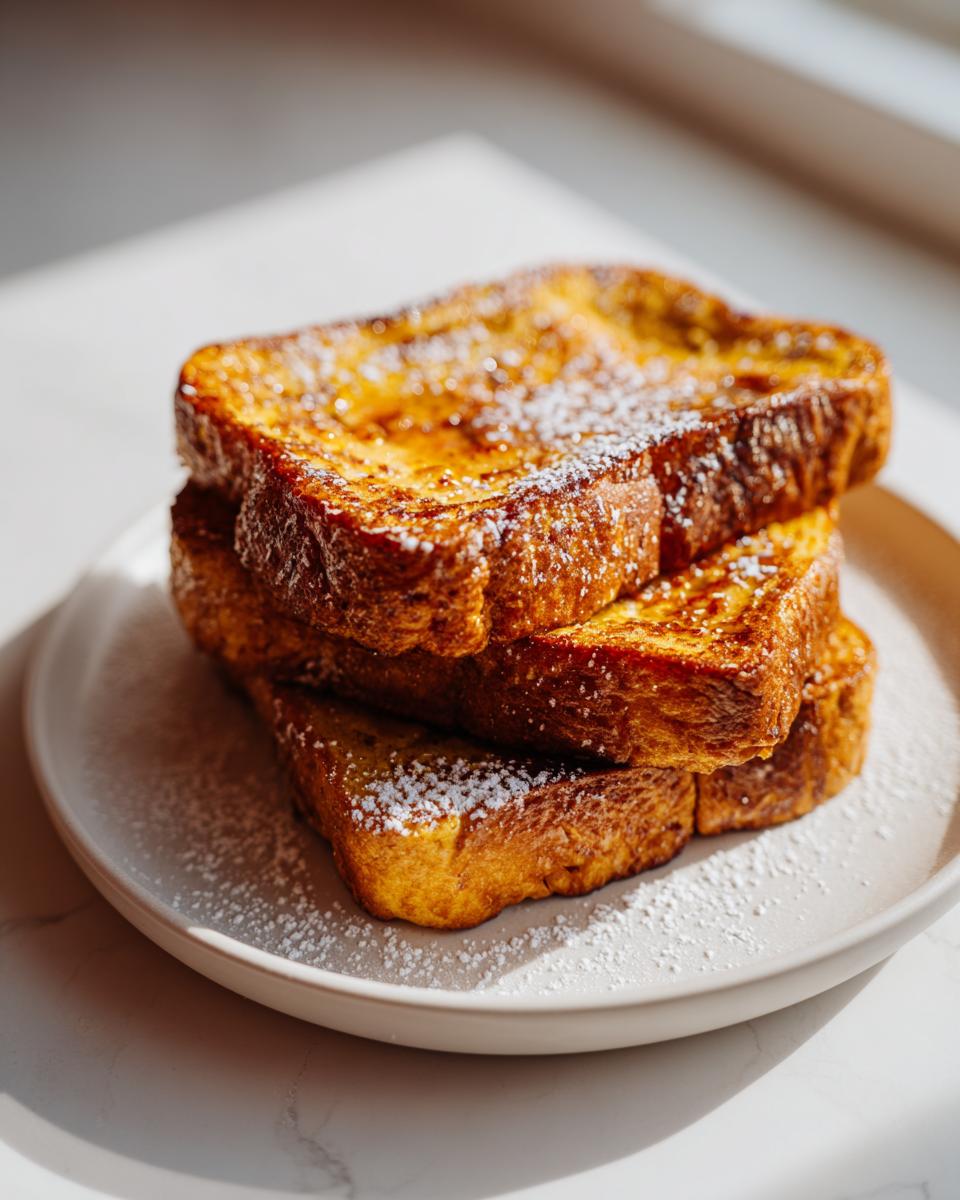
If you think you know French toast, I need you to pause right there and hear me out. For years, I watched people struggle with soggy, limp bread after soaking it in that sweet egg bath. It broke my heart, because breakfast should never be a texture fail! My goal, like it always is in my kitchen, is to bring you recipes that feel authentic and truly deliver. That’s why I’m obsessed with this version: the ultimate sourdough french toast. That slight tang and amazing, sturdy structure of sourdough means you get that crackly, wonderful crispness on the outside, while the inside stays unbelievably rich and custardy. It’s a massive upgrade from the standard recipe, which you can see a simpler version of here: easy French toast recipe. Trust me, this is how you elevate your weekend brunch.
- Why This Sourdough French Toast Recipe Works So Well
- Gathering Ingredients for Ultimate Sourdough French Toast
- Preparing the Best French Toast Recipe: Step-by-Step Instructions
- Tips for Success with Your Sourdough French Toast
- How to Use Leftover Sourdough Bread in This Recipe
- Serving Suggestions for Your Sourdough French Toast
- Storage and Reheating Sourdough French Toast
- Frequently Asked Questions About Sourdough French Toast
- Share Your Sourdough French Toast Creations
Why This Sourdough French Toast Recipe Works So Well
The secret in the name, honestly! Regular white bread is often too tender, letting the custard soak right through until it turns into bread soup. But sourdough is different, and that’s where the magic happens. It gives us the structural integrity we need for an absolutely show-stopping breakfast. If you want the recipe for the custard base that pairs perfectly with this bread, check out my guide on the fail-proof classic egg custard recipe.
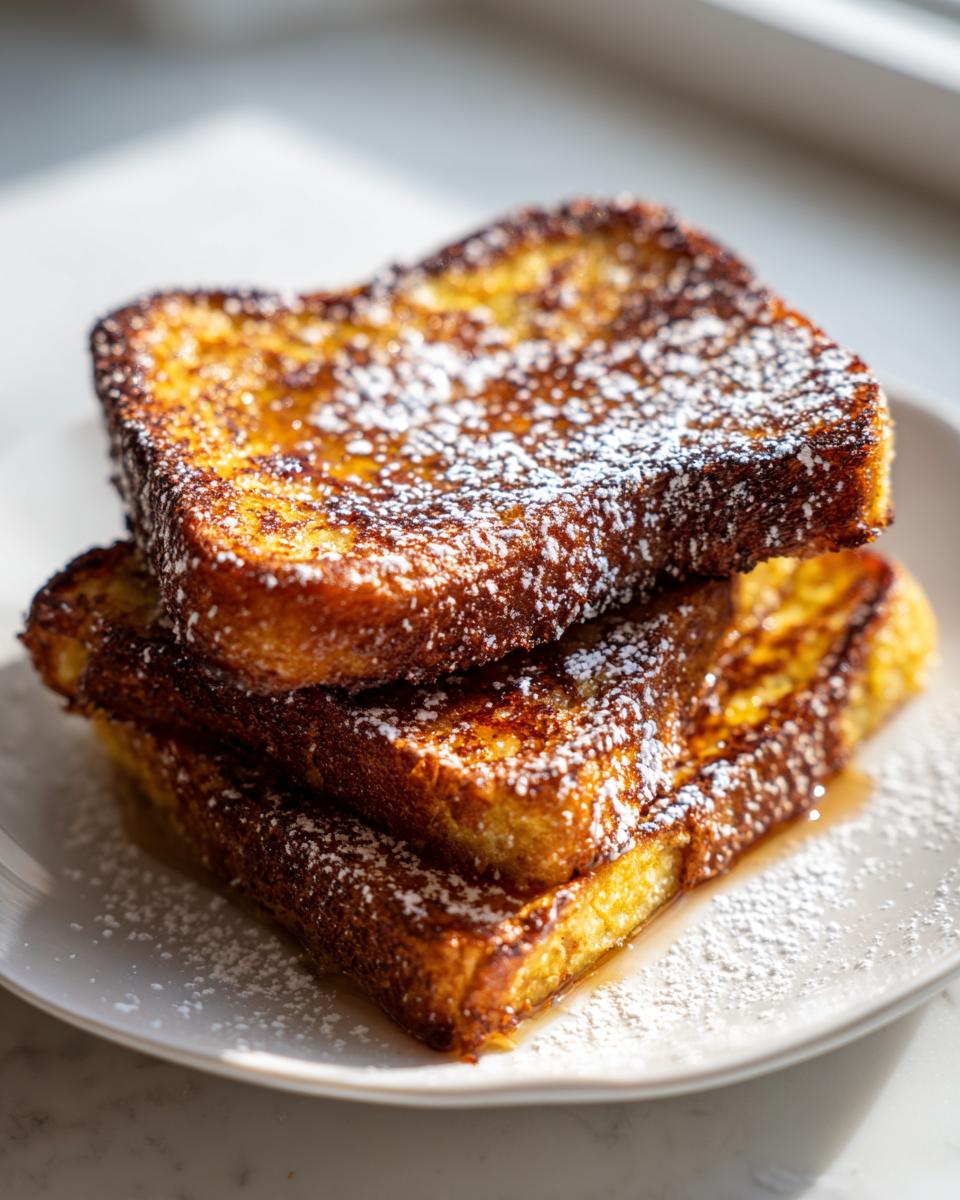
- The Sturdiness of Sourdough for Perfect Soaking: Sourdough has a tighter, more developed crumb structure due to that slow fermentation process. It lets the bread absorb the rich custard it needs for flavor without collapsing into mush. This is your ticket to those incredible Crispy French Toast Edges!
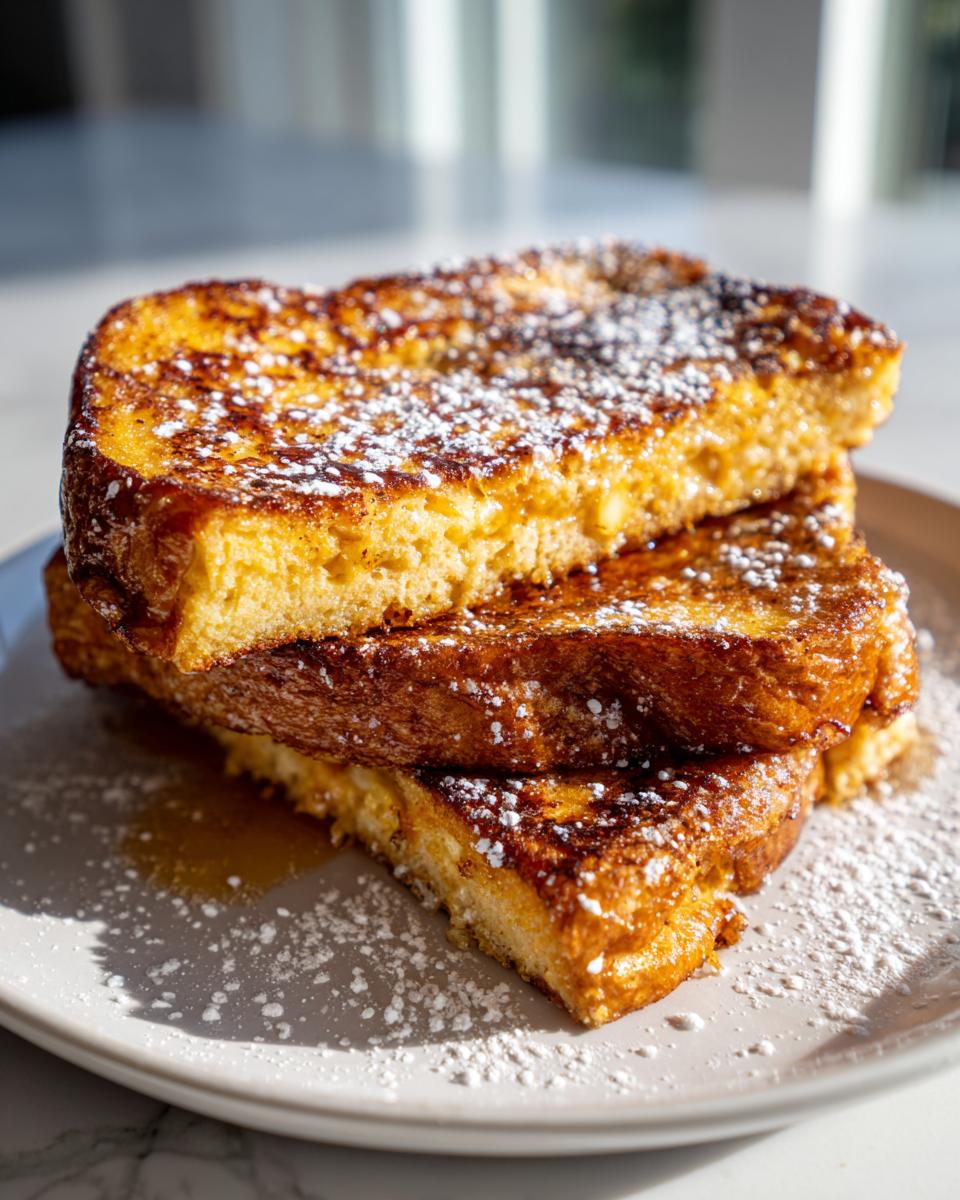
- Achieving That Custardy French Toast Center: Because the outside holds its shape, we can soak the bread a little longer. This means the center—the part near your tongue—becomes sweet, rich, and truly Custardy French Toast perfection. It’s the best of both worlds!
Gathering Ingredients for Ultimate Sourdough French Toast
Okay, let’s talk supplies. You can’t just grab any old slice for this operation; the ingredients here are what convert leftovers into gourmet breakfast. This is why I love making sourdough french toast on a lazy Saturday—it feels fancy but uses what I already have! Remember, we are building flavor and texture from the foundation up. Speaking of rich bases, if you ever want to practice making a rich custard for other things, my easy homemade creamy eggnog recipe uses a similar technique!
- 6 thick slices day-old sourdough bread
- 4 large eggs
- 1 cup half-and-half (or whole milk)
- 2 tablespoons granulated sugar
- 1 teaspoon pure vanilla extract
- 1/2 teaspoon ground cinnamon
- 1/4 teaspoon ground nutmeg
- Pinch of salt
- 2 tablespoons unsalted butter, for cooking
- Maple syrup and powdered sugar, for serving
Ingredient Notes and Substitutions
The dairy choice really matters for that creamy interior. I stick to half-and-half because it strikes that perfect balance—it’s richer than milk but won’t make the custard too heavy if you’re soaking thick slices. If you want to go full decadent on a special occasion, feel free to swap it out for heavy cream, it makes the French toast unbelievably rich!
When it comes to spices, don’t skimp! That blend of cinnamon and nutmeg with the vanilla bean essence is what makes it taste like real comfort food. And yes, you absolutely must use unsalted butter for cooking—it lets you control the final saltiness when you serve it.
Preparing the Best French Toast Recipe: Step-by-Step Instructions
This is where we turn simple sourdough slices into something that tastes like it came from a fancy brunch spot. It moves fast once you start heating the skillet, so have everything measured and ready to go—this is why organized home cooks win! We want to ensure every piece of sourdough french toast gets that beautiful, golden-brown shell without drying out, which is key to that custardy reward inside. It’s all about managing that heat and that soak time to deliver true comfort food breakfast.
Mixing the Custard Base
Grab a shallow dish—you need something wide enough to lay a slice of bread flat, but not so deep that your custard dips too low. Whisk those four eggs vigorously with the half-and-half, sugar, vanilla, and spices. You absolutely, positively must whisk until everything is perfectly smooth. I always watch for those tiny white streaks of egg white—if you see one, keep whipping until it’s gone. That consistency is paramount for the final dish! If you’ve ever struggled getting smooth liquids right, you might find my guide on easy crockpot thai coconut soup helpful for focusing on broth consistency, which requires similar whisking precision.
Pan Frying for Perfect Sourdough French Toast
Set your skillet or griddle to medium heat. This is important: if it’s too high, you’ll burn the outside before the thick sourdough interior is even warm. Add half of your butter and let it melt until it sizzles gently. Now for the soak: dip one slice of bread in the mixture, let it hang out for a solid 15 to 20 seconds on each side, and then place it right onto that buttered pan. This is our classic Pan Fried French Toast technique! Cook it for about 3 to 4 minutes until those Crispy French Toast Edges develop. Don’t forget to add fresh butter for the next batch; nothing tastes better than butter-fried toast!
Tips for Success with Your Sourdough French Toast
Honestly, the biggest hurdle people run into when making this recipe is impatience, or using bread that isn’t quite right. I learned this the hard way when I tried making this with a freshly baked, still-soft loaf—it dissolved into a puddle of batter in the pan! Remember, this works best with Thick Cut French Toast slices that have had a day or two to dry out a bit. That slightly firm structure is what holds up against the rich custard.
Another thing I always stress is managing that heat. If you try to rush it by cranking the flame, the exterior turns dark brown too fast, and you’re left with raw, uncooked custard eggs inside. Keep it honest at medium heat. If you’re looking for great bread-making techniques in general, you should check out my guide on easy artisan bread no knead recipe. It really changes how you view time in the kitchen!
How to Use Leftover Sourdough Bread in This Recipe
This is one of my absolute favorite parts about this dish—it’s the perfect solution for using up that beautiful, slightly stale loaf sitting on the counter! Don’t ever feel guilty throwing out good sourdough; if it’s a little beyond its prime for slicing, it’s actually *perfect* for soaking up all that sweet, spiced custard. In fact, day-old bread is my preference almost every time because it behaves so much better during pan-frying.
If your slices are already on the hard side—maybe they’ve been sitting out for two or three days—you just need to adjust your soaking time slightly. Don’t force it or crush the bread into the mixture, but let it sit in the custard for maybe 30 seconds a side instead of 20. That extra moment allows the denser parts to soften up just enough so you truly get that melt-in-your-mouth interior we’re aiming for. It turns what might be leftover sourdough bread into one of the best Sourdough Breakfast Ideas you can imagine!
If you’re thinking about making your own starter from scratch next, I highly recommend checking out the process for making Soda Bread Traditional Irish No Yeast Recipe. Understanding how different types of risen bread work is half the battle in the kitchen!
Serving Suggestions for Your Sourdough French Toast
We’ve mastered the texture—crispy edges and a creamy center—now we have to dress this beauty! Maple syrup and powdered sugar are classics for a reason, and I totally adore that simple combination. But if you’re pulling this out for a full Weekend Brunch Recipe spread, you should think bigger!
For sweet options, try a dollop of fresh ricotta cheese alongside a drizzle of honey, which gives it an amazing tang, kind of like what I do on my Ricotta Toast with Whipped Honey and Berries. If you are feeling truly adventurous, a whisper of flaky sea salt sprinkled right over the top of the syrup really makes the cinnamon pop. Seriously, don’t underestimate salt on your breakfast! This sourdough french toast deserves the best toppings.
Storage and Reheating Sourdough French Toast
Even the best sourdough french toast is usually too much for one morning, right? Thankfully, this recipe holds up beautifully as leftovers, but we have to be smart about reheating it. The biggest warning I’ll give you is to **never** use the microwave. I know it’s fast, but the microwave essentially steams the bread, and we worked so hard to get those crispy edges! That steam will turn your perfect exterior soft and chewy again.
If you’re storing them, let them cool completely on a wire rack first. Once cool, stack them between pieces of parchment paper—this stops them from sticking together, which is a huge help! Store them in an airtight container in the fridge for up to three days.
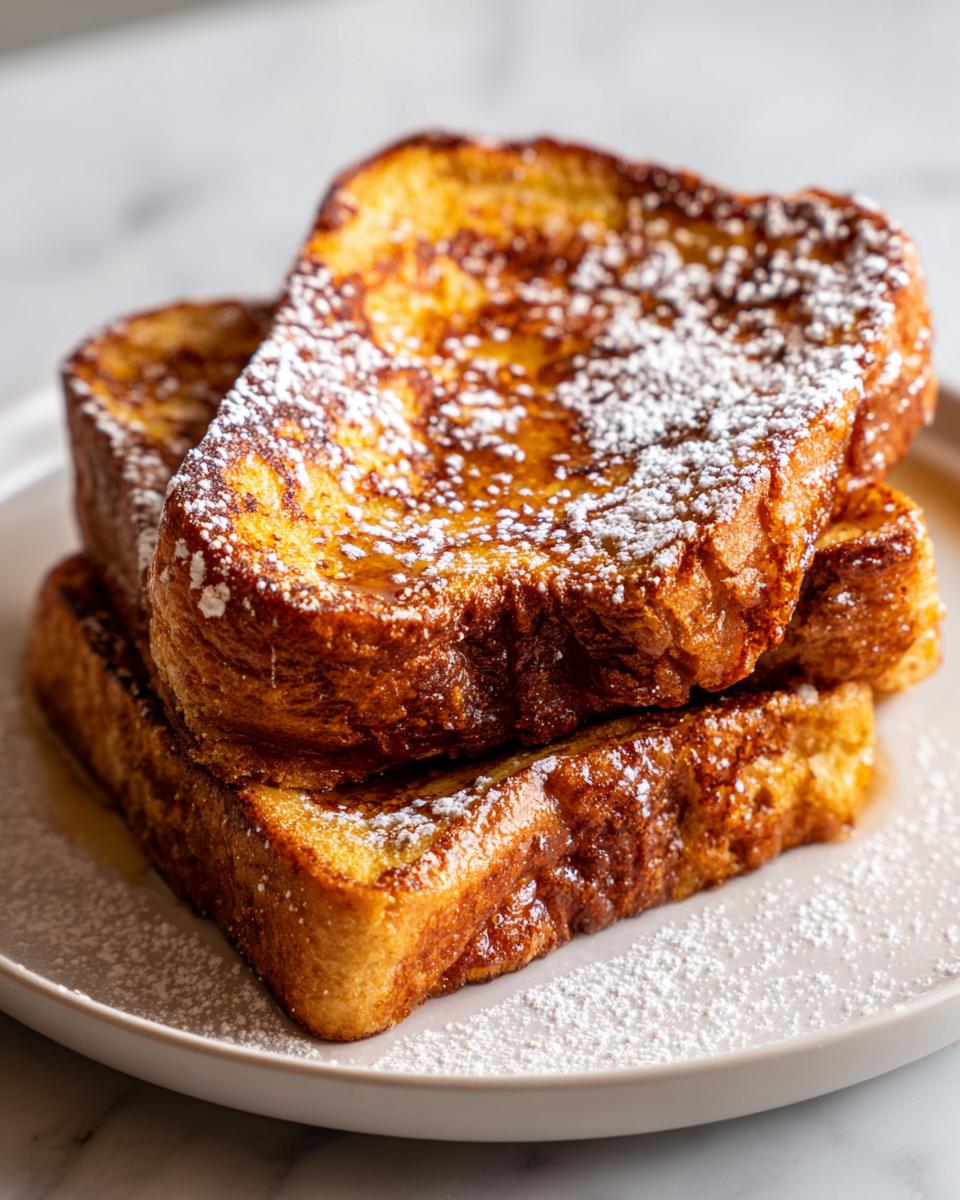
To bring them back to life, I swear by the oven or toaster oven. Preheat either to about 350°F (175°C). Lay the cooled slices out in a single layer on a baking sheet—again, no crowding! Bake them for about 8 to 10 minutes. This gentle heat warms the interior back up to that custardy temperature while slowly coaxing the outside to crisp up again. If you want to make freezer jam for serving next time, I have a super simple recipe here: easy freezer jam no canning recipe. That way, you always have a special topping ready when you reheat your leftovers!
Frequently Asked Questions About Sourdough French Toast
I always get the same questions popping up when folks try this recipe for the first time. It shows me you all are thinking critically about your bread choices, which I love! Getting these little details right is what separates a decent breakfast from a truly satisfying, comfort food breakfast.
Can I use fresh sourdough instead of day-old?
Oh, you certainly can, but you have to treat that fresh loaf gently! Fresh sourdough is much softer, and if you soak it using the times listed for day-old bread, you’ll end up with a mess—I learned that the hard way! If your sourdough is soft and fresh, significantly cut down your soaking time to just maybe 5 to 10 seconds per side. You want it lightly coated, not saturated. With fresh bread, your priority is keeping those Crispy French Toast Edges that we worked so hard to achieve!
What is the best milk to use for custardy French toast?
For that deep, rich, Custardy French Toast texture, you want fat! Milk is fine if that’s what you have, but I truly adore using half-and-half if I can swing it. If you want to go totally over the top gourmet, use heavy cream. The higher fat content binds beautifully with the egg yolks and creates a much silkier, more luxurious mouthfeel inside the bread. It makes what is usually an Easy Breakfast Recipe feel instantly fancier.
Can this sourdough french toast be baked instead of pan-fried?
Yes, you absolutely can turn this into a baked dish, which I know some people prefer for a big family breakfast! If you turn this recipe into a casserole—where you put all the soaked bread into a baking dish—you will get a lovely, tender bake throughout. However, here’s the trade-off: the edges won’t be as aggressively crisp as our Pan Fried French Toast method. When you bake it, the steam created inside the oven keeps everything softer. It’s a different kind of delicious, but if the crispy outside is your #1 goal, stick to the skillet! If you do want to explore a baked version, looking up a proper Sourdough French Toast Casserole recipe will give you the right liquid ratios for baking instead of frying.
We have so many great ways to adapt these basics here on the site. If you are interested in more quick meal ideas after you’ve had your fill of breakfast, feel free to check out my guide on easy lunch meal prep for ideas!
Share Your Sourdough French Toast Creations
Well, you’ve done it! I really hope you made a huge stack because there is nothing better than diving into that perfectly crisp, tangy, custardy morning masterpiece. But my kitchen journey doesn’t end until I hear from you all!
I put everything I know about texture and flavor into this recipe for sourdough french toast. Now, I want to know what you thought! Did you manage to keep those edges extra crispy? Did you stick with the cinnamon and nutmeg, or did you sneak in a different spice?
Drop a rating below—let me know how this stacked up against your old favorites. And if you took a photo of your beautiful, golden slices, please tag me on social media so I can see your topping creations! Whether you loaded it up with berries or kept it simple with just maple syrup, I genuinely love seeing the food you create from these guides. If you have any final questions or ideas, you can always send me a message directly through the contact page. Happy cooking, everyone!
PrintThe Ultimate Crispy Outside, Custardy Inside Sourdough French Toast Recipe

Use day-old sourdough bread to make this easy sourdough French toast. The sturdy texture prevents sogginess, resulting in a crispy exterior and a rich, custardy center perfect for weekend brunch.
- Prep Time: 10 min
- Cook Time: 15 min
- Total Time: 25 min
- Yield: 3 servings 1x
- Category: Breakfast
- Method: Pan Fried
- Cuisine: American
- Diet: Vegetarian
Ingredients
- 6 thick slices day-old sourdough bread
- 4 large eggs
- 1 cup half-and-half (or whole milk)
- 2 tablespoons granulated sugar
- 1 teaspoon pure vanilla extract
- 1/2 teaspoon ground cinnamon
- 1/4 teaspoon ground nutmeg
- Pinch of salt
- 2 tablespoons unsalted butter, for cooking
- Maple syrup and powdered sugar, for serving
Instructions
- In a shallow dish, whisk together the eggs, half-and-half, granulated sugar, vanilla extract, cinnamon, nutmeg, and salt until fully combined. This creates your custard base.
- Heat a large griddle or non-stick skillet over medium heat. Add half of the butter and let it melt until it sizzles slightly.
- Dip one slice of sourdough bread into the egg mixture, allowing it to soak for about 15 to 20 seconds per side. Sourdough is sturdy, but you want it saturated enough for a custardy interior.
- Place the soaked slice onto the hot griddle. Repeat with the remaining slices, working in batches to avoid overcrowding the pan.
- Cook for 3 to 4 minutes per side, until the French toast is golden brown and has crispy edges. Adjust the heat if the outside browns too quickly before the inside cooks.
- Remove the cooked French toast from the skillet and keep warm while you cook the remaining slices, adding more butter to the pan as needed.
- Serve immediately topped with maple syrup and a dusting of powdered sugar for a comforting breakfast classic.
Notes
- Using thick-cut, day-old sourdough bread is key for achieving the best texture—crispy outside and soft inside.
- For a richer flavor, substitute half-and-half with heavy cream.
- If you prefer a stronger spice flavor, increase the cinnamon to 3/4 teaspoon.
Nutrition
- Serving Size: 2 slices
- Calories: 450
- Sugar: 18
- Sodium: 350
- Fat: 22
- Saturated Fat: 10
- Unsaturated Fat: 12
- Trans Fat: 0
- Carbohydrates: 48
- Fiber: 2
- Protein: 18
- Cholesterol: 210