

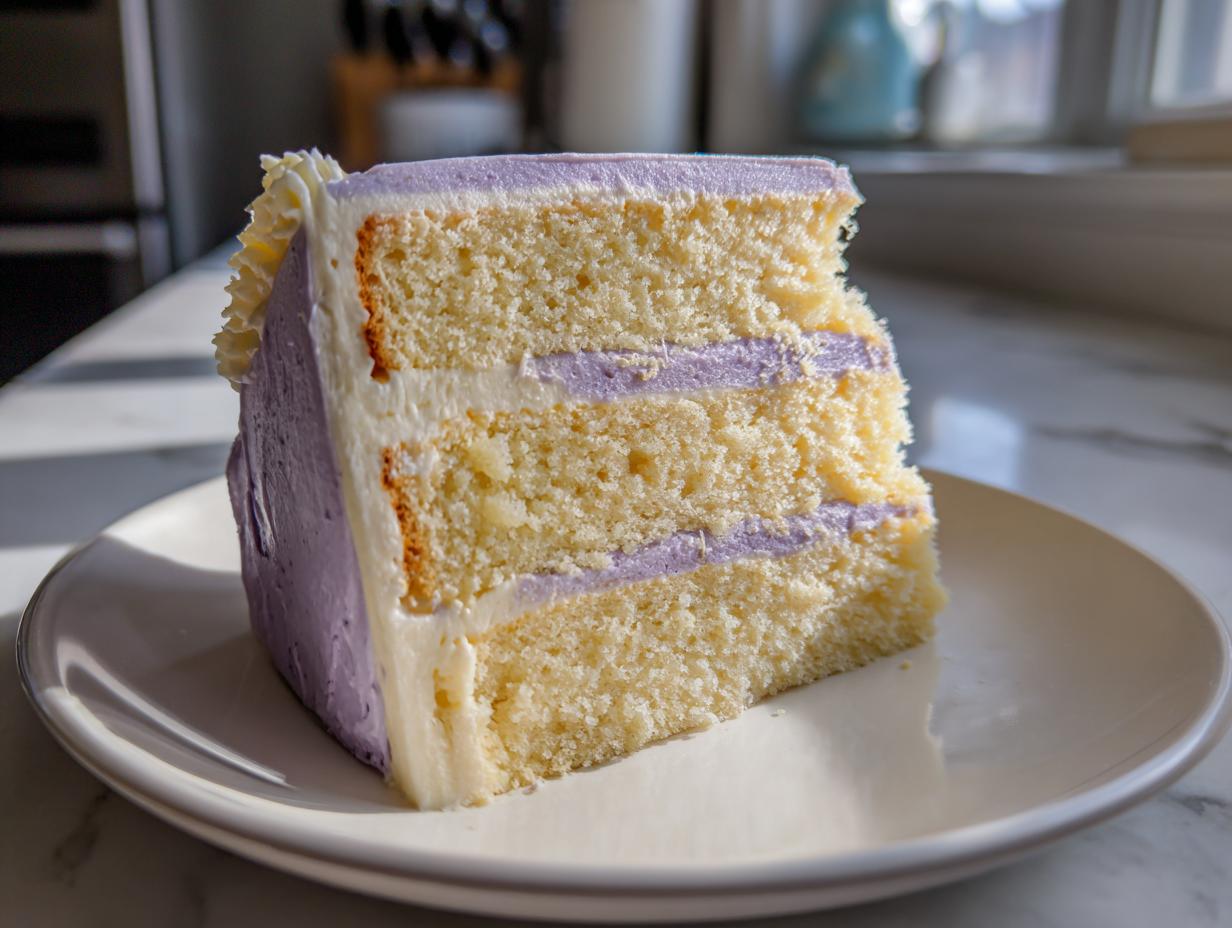
Sometimes, you want a cake that just feels special, right? Something incredibly elegant but that doesn’t need a pastry degree to pull off. That’s exactly why I’m so excited to share this version of a lavender cake with you. After all my testing—moving from fussy restaurant techniques back to the warmth of the home kitchen—I landed on this: the ultimate Moist Lemon Lavender Layer Cake. It perfectly balances that delicate, sophisticated floral note with a bright, zesty lemon zing. My goal here, as always, is to show you how accessible truly gourmet homemade cake baking can be. Trust me, this is going to be your new go-to for celebrations.
- Why This Lemon Lavender Cake is Your New Favorite Elegant Baking Recipe
- Ingredients for the Moist Lavender Cake Layers
- Expert Steps to Bake the Perfect Lavender Cake
- Ingredient Notes and Substitutions for Lavender Cake
- Tips for Success with Your Lavender Cake Recipe
- Serving Suggestions for This Floral Cake Ideas
- Storage and Reheating Instructions for Your Lavender Cake
- Frequently Asked Questions About Making Lavender Cake
- Estimated Nutritional Data for This Gourmet Homemade Cake
Why This Lemon Lavender Cake is Your New Favorite Elegant Baking Recipe
I know what you’re thinking: floral flavors can be tricky, right? People worry they’ll end up tasting like soap, but I promise you, we’ve cracked the code on balance here. This isn’t just any cake; it’s designed to be the perfect centerpiece for those moments when you need something truly memorable. It hits all the right notes for what I think makes truly elegant baking recipes shine.
- The Texture is Unbeatable: If you want a moist pound cake recipe feel but lighter, this is it. The crumb stays tender forever.
- Flavor That Pops: The bright lemon completely cuts through that delicate lavender, so it’s fragrant, not overpowering. It’s a unique celebration cake winner.
- It Looks Stunning: Seriously, the pale yellow and soft white frosting look incredible on a tiered stand—perfect for showers or birthdays.
If you loved how moist my classic recipes turned out, you’ll find the same dedication to texture in this layered gem. Check out how I approach moisture in my classic cakes; that same patience goes into this floral beauty.
Ingredients for the Moist Lavender Cake Layers
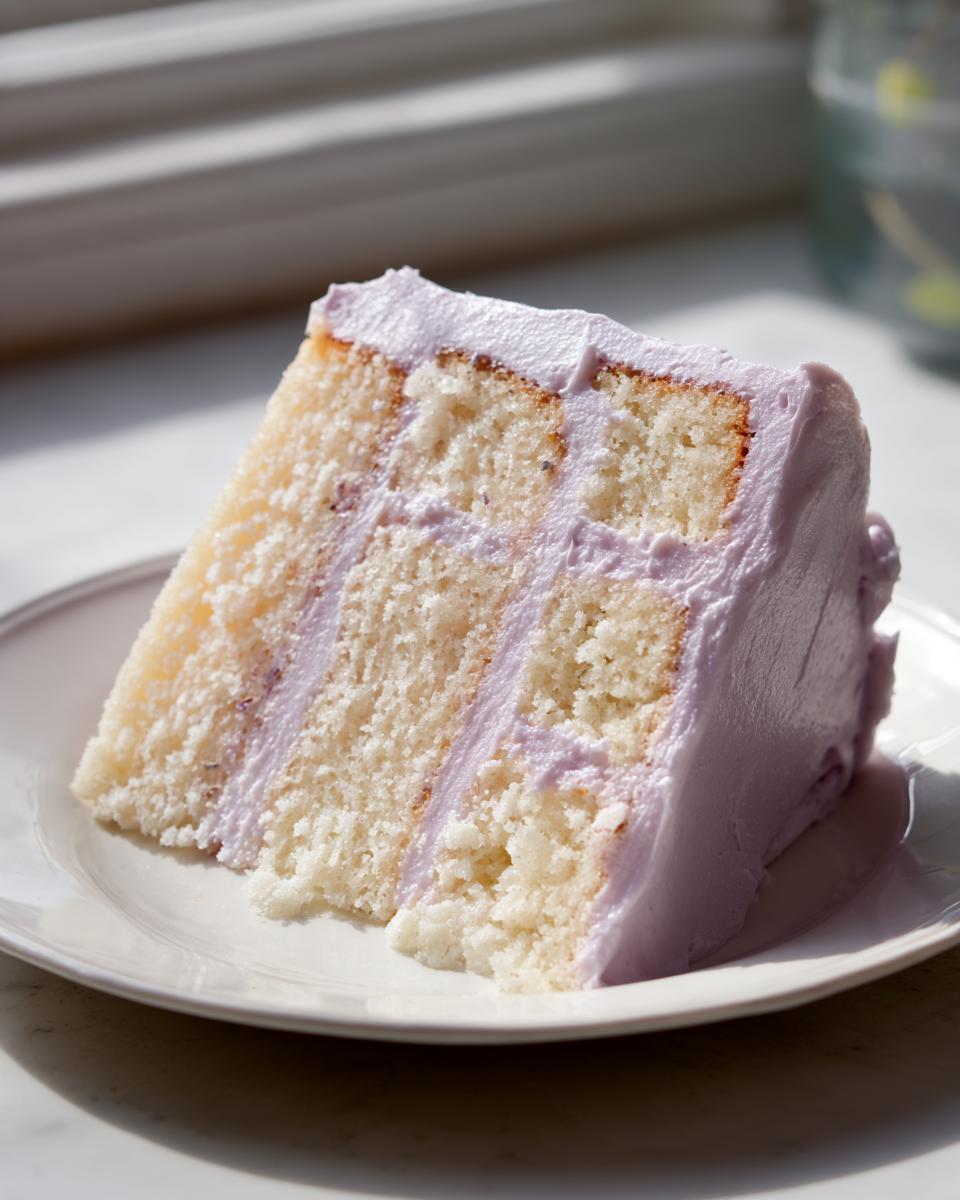
Okay, let’s dive into what makes the cake itself so beautifully tender. When we talk about baking with florals, the quality of your lavender matters more than almost anything else. You absolutely must use culinary-grade dried lavender. Seriously, don’t grab the stuff from your garden or the potpourri bag—that’s bitterness central! We need the good stuff so we get that lovely scent without the soapy taste. I like to grind mine super fine so it incorporates seamlessly into the batter.
For the cake, we stick to the classics for structure, but make everything work hard for us. We’re using softened butter and eggs added one at a time. The lemon zest wakes everything up early in the process, marrying beautifully with that finely ground spice. And please, use full-fat whole milk; we need that richness for the layers to feel sturdy yet light. Don’t skimp on the fresh lemon juice, either!
For the Silky Lavender Buttercream Frosting
Now for the frosting—this is where we really infuse that floral flavor into the finish. The secret weapon here is steeping the lavender directly into the heavy cream before you even start whipping anything. Let it sit for about 30 minutes, then strain it out completely. This gentle infusion gives you pure lavender essence in that cream, which then gets incorporated into the butter. Remember, everything for the frosting should be softened but not melty—we want silky smooth, not a runny mess!
- 1 cup unsalted butter, softened
- 4 cups powdered sugar, sifted
- 1/4 cup heavy cream (This cream needs to be pre-steeped with 1 teaspoon of dried lavender and then strained!)
- 1 teaspoon lemon extract
Expert Steps to Bake the Perfect Lavender Cake
Alright, let’s get this magnificent floral beauty into the oven! First thing’s first: Preheat your oven to 350°F (175°C). Don’t even think about opening that oven door early later on—we need consistent heat. While it warms up, grease and flour two 8-inch round cake pans, and please, cut out parchment circles for the bottoms. That step alone saves you from so much heartbreak later!
Next, you’ll whisk your dry stuff—flour, baking powder, and salt—in a medium bowl. Simple enough. Then comes the crucial stage in Step 3. We need to cream that softened butter with the sugar until it’s super light and fluffy. My rule of thumb, learned over years of baking, is that if you stop too soon, you end up losing out on lift. This deliberate creaming adds those tiny air pockets, which is exactly what keeps this cake as moist as my best moist pound cake recipe. After that, beat in your eggs one by one, making sure they blend in before adding the next. Then, fold in that gorgeous lemon zest and your ground lavender.
For the wet ingredients, just whisk the milk, vanilla, and lemon juice together quickly. Now, we alternate! Add the flour mix and the wet mix alternately into the creamed butter mixture. Always start and end with the dry stuff. Mix just until you see no more white streaks—seriously, stop right there; overmixing develops gluten, and we want tender roses, not tough bricks! Divide that batter evenly, pop those pans in, and bake them for about 28 to 32 minutes. Test with a toothpick right in the center. Once done, let them hang out in the pan for 10 minutes—no more, no less—before turning them out to cool completely on a wire rack. They must be totally cold before we move on!
Assembling Your Lavender Cake Layers
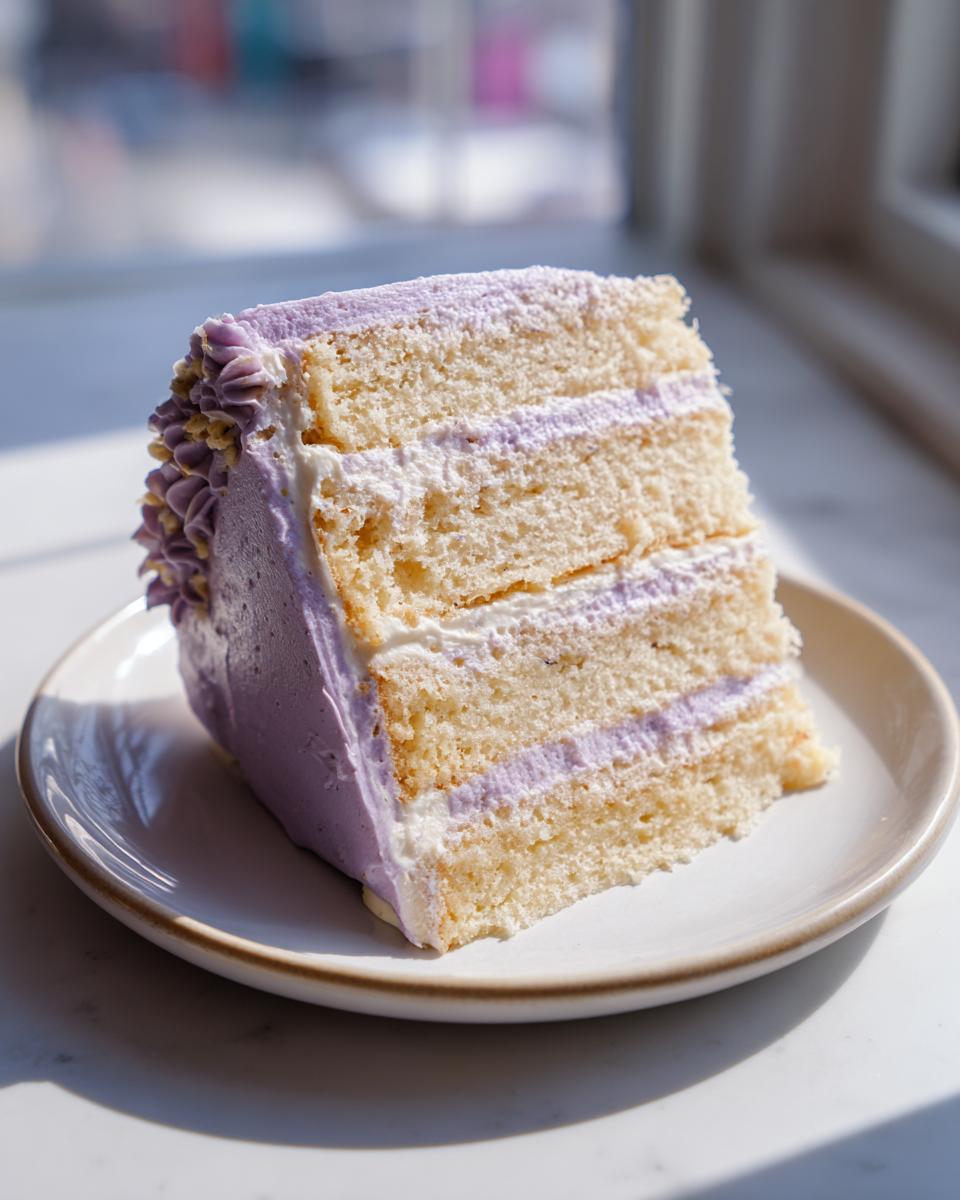
This is my favorite part, where it really turns into a showstopper. Make sure your buttercream is perfectly smooth—if it feels too soft, pop it in the fridge for five minutes to firm up slightly! Place your first layer down, spread about a third of that silky frosting evenly across the top. Try to get a nice, even layer; this is your foundation! Then, gently place the second layer right on top. Don’t push down hard, or you’ll squish the layers together. Once stacked, grab the rest of that beautiful lavender buttercream frosting and cover the top and sides. A simple bench scraper or offset spatula works perfectly for a smooth finish. If you’re new at this, don’t stress about perfection; a rustic swirl looks just as elegant for this truly unique celebration cake!
Ingredient Notes and Substitutions for Lavender Cake
Okay, let’s talk about the lavender itself one more time because this is where most people either succeed wildly or run into trouble. When you’re shopping, look specifically for “culinary-grade” dried lavender buds. I can’t stress this enough. If you used ornamental lavender or tea blends not meant for baking, your cake might taste sharp.
You want that fragrant, bright flavor, not something that tastes like your grandma’s soap dish! Culinary lavender is grown specifically to have lower levels of those bitter oils. If you’re having trouble sourcing it, don’t panic. You can use a tiny bit less and supplement with more lemon zest for brightness. For example, some bakers have success with blackberry pairings; the fruit naturally complements the floral aspect.
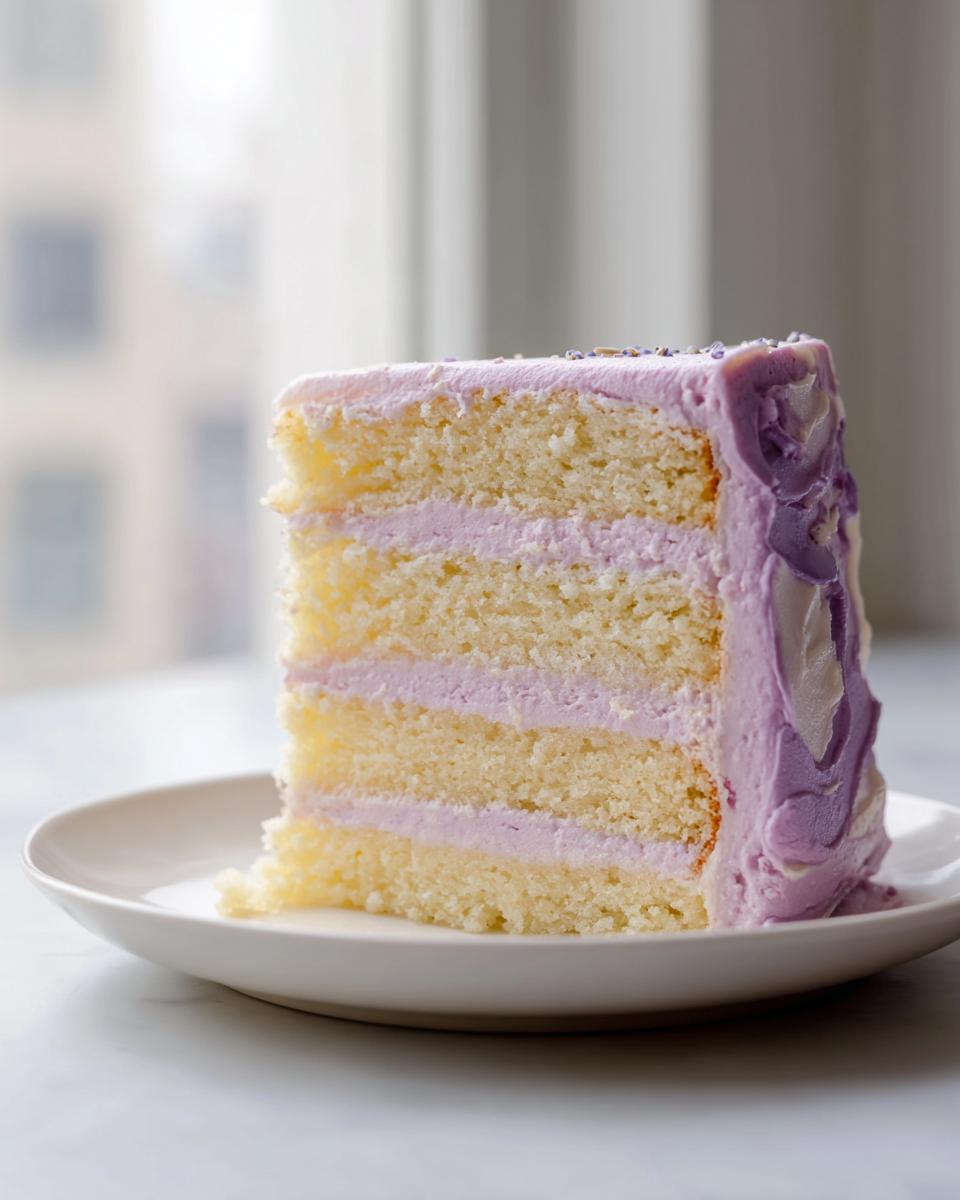
Now, for my favorite trick to punch up the floral experience without adding more dry lavender: simple syrup! If you want an incredibly moist cake that really sings with flower notes, you need to try making a batch of lavender simple syrup for cakes. You basically infuse water and sugar with lavender, just like we did for the cream, but keep it liquid. After the cakes cool slightly, poke a bunch of little holes all over the top of each layer with a skewer, and gently brush on that warm syrup. The cake soaks it right up, locking in moisture and flavor!
This technique is fantastic if you find you prefer a less heavy frosting or just want a deeper overall flavor saturation. It gives that sophisticated, tea-infused quality you often find in those expensive bakery cakes, but you made it right here on your counter. It’s totally optional, of course, but it instantly elevates this from a nice cake to something truly deserving of applause.
Tips for Success with Your Lavender Cake Recipe
Baking should be fun, not a source of anxiety! When you’re dealing with something as unique as lavender—which is meant to be delicate and aromatic—a couple of small adjustments can take your lavender dessert recipe from good to absolutely unforgettable. Let me share the secrets I use every time to keep things balanced.
First, let’s talk about avoiding that soapy flavor, because that’s the number one fear people have. It all comes down to two things: quality and quantity. We already talked about using culinary-grade lavender, but the next tip is to treat it gently. Don’t dump a ton of the buds right into the batter. Instead, use the steeping method we used for the cream in the frosting, or infuse your milk slightly. If you are using ground lavender directly in the cake **like in my main recipe**, use just a little bit, maybe a half teaspoon less than you think you need. Lavender is potent, and your tastebuds should detect a subtle shimmer of floral, not a punch to the face!
Second, maximizing moisture is key, especially when you’re incorporating dry floral elements. I always suggest making sure your eggs and butter are perfectly room temperature before creaming begins; this ensures maximum air incorporation, giving you those light pockets when baked. But my biggest pro tip for moisture retention in any layer cake is what I call the ‘warm bath.’ Once your cakes are baked and have cooled just enough to handle, poke them all over with a skewer, and brush them lightly with a simple lemon syrup—or even just warm milk mixed with a tiny pinch of sugar. This locks the moisture deep into the crumb before the frosting ever goes on.
Finally, please give your frosting time to set up! I know you’ll be excited to stack this beautiful cake, but if the buttercream is too soft, it will just slide right off, creating an uneven mess. If you feel like it’s not holding its shape, give the bowl a quick 10 minutes in the fridge, whip it again for 30 seconds, and then start assembling. Patience here makes for a gorgeous final product!
Serving Suggestions for This Floral Cake Ideas
Oh, presenting this lemon lavender layer cake is almost as fun as baking it! Because the flavor profile is bright, delicate, and naturally leans toward elegance, you’ll want to serve it somewhere it can shine. This is a perfect choice for those sunny afternoon parties when you just need a little something special to bring out your best spring dessert ideas.
When thinking about presentation for these types of floral cake ideas, simplicity is sophistication. I love serving a slice right alongside a small bowl of fresh berries—raspberries or blueberries are magnificent because their tartness plays so well against the sweet-floral cake base. A little dusting of powdered sugar or maybe just a few perfectly placed, edible flower petals right on top of the frosting is all you need, honestly.
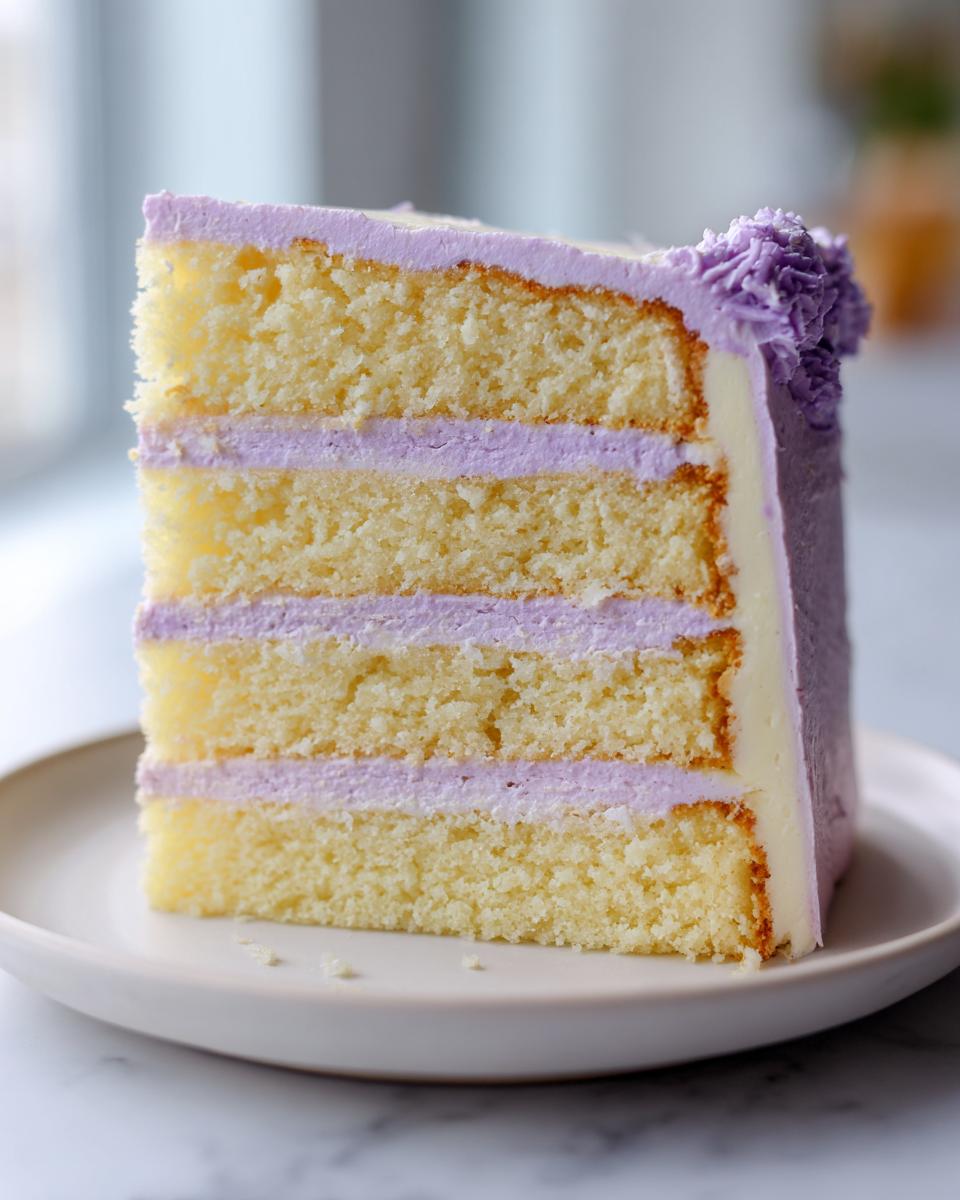
If you’re serving this for a proper tea party, you can’t go wrong with the drink pairings. Since we already have that lovely lemon note, skip the heavy coffee. Instead, make a pot of good quality Earl Grey—it has those citrusy bergamot notes that just echo the lemon in the cake so beautifully. You can even look up how they make a London Fog cake for serious tea inspiration! If you wanted a side salad for a brunch event, something zesty and green, like my lemon parmesan kale salad, makes a wonderful, palate-cleansing counterpart before diving into the sweet stuff.
Storage and Reheating Instructions for Your Lavender Cake
You’ve gone to all this trouble making this gorgeous, multi-layered, luscious cake—now we have to make sure it lasts! Storing a layer cake frosted with buttercream requires a little finesse compared to a simple loaf, but it’s super easy once you know the rules. The good news is that this lavender cake freezes like a dream, but for immediate enjoyment, temperature is everything.
Because our frosting uses butter and a bit of cream, you can’t just leave it out on the counter for days the way you might with a simple glaze. For short-term storage, say 1 to 2 days, keep the cake loosely covered in a cool spot away from direct sunlight. If your kitchen is warm, or if you live somewhere humid, you should definitely refrigerate it. Cover it loosely with plastic wrap or use a dedicated cake dome that allows some air flow. Don’t wrap it tightly until it’s in a freeze-safe container, or you’ll stick the pretty frosting right to the wrap!
When you do have to put it in the fridge, make sure the cake is slightly chilled first. This seems contradictory, but if you wrap a room-temperature cake that’s covered in fatty buttercream, condensation forms, and that moisture can soften the layers too much. So, once it’s chilled for about 30 minutes, wrap the whole cake (or individual slices) tightly in plastic wrap, and then slip it inside an airtight container. This prevents it from absorbing any funky fridge smells. That buttercream is sturdy, but it drinks up surrounding odors!
Here’s the most important part: texture! You absolutely cannot serve this cold straight from the fridge if you want to experience that tender crumb we worked so hard for. Cold butter locks up, making the frosting firm and nearly hard, and the cake itself loses that lovely soft feel. So, when you pull it out, let it sit on the counter, covered loosely, for at least an hour, maybe two for a whole cake. You want it to come back slowly to room temperature. That way, the lemon notes open up, the frosting softens to that perfect silky texture, and you get the full delicious experience. If you’re only eating one slice, just leave that piece out for 30 minutes before serving!
Frequently Asked Questions About Making Lavender Cake
How strong will the floral flavor be, and how can I control it?
This is the most common question! We aimed for a delicate, fragrant note that complements the lemon, not overwhelms it. If you follow the recipe, you’ll get a perfectly balanced flavor. If you’re nervous, start by cutting the ground lavender in the cake batter by half—seriously, just try a small amount first! The flavor intensifies slightly as the cake sits, especially overnight, so if it tastes mild right after cooling, that’s often perfect. You can always add a little more intensity by using my trick of brushing the layers with lemon-lavender simple syrup after they cool down.
Is this cake really suitable for a formal tea party?
Oh, absolutely! This is the perfect floral cake idea for a tea party or a shower. It looks incredibly elegant, and the subtle flavor profile pairs wonderfully with black or herbal teas. It’s much more refined than a standard chocolate or white cake. If you want to go extra fancy, you can bake this recipe in smaller loaf pans or even as individual petit fours, making them easy finger food for a sophisticated gathering.
Can I adapt this recipe to make a dense Lavender Pound Cake instead?
You can, but you’ll need to tweak the ratios a bit! This layer cake recipe is already quite moist, but a true moist pound cake recipe relies on a higher fat-to-flour ratio and generally uses fewer eggs or maybe just yolks for density. To easily make this more pound cake-like, you could reduce the baking powder slightly and perhaps switch out half the milk for sour cream. Keep in mind you’ll need to increase your baking time significantly, especially if using a bundt pan, so keep an eye on it at the 45-minute mark!
What kind of lavender should I buy?
This is non-negotiable advice, so listen up! You must buy culinary-grade lavender. It’s grown for cooking and differs significantly from the ornamental lavender you might find in a craft store or even some garden centers. Culinary lavender is sweeter and less oily, meaning it won’t give your cake that bitter, soapy flavor that ruins a beautiful bake. Look for buds labeled specifically for consumption!
Why is it so important to use fresh lemon zest?
The zest holds all those essential oils—that bright, zesty flavor that keeps the florals from becoming too heavy. If you use bottled juice or pre-zested lemons, you lose that aromatic punch right at the beginning of the mixing process. Zest it right before you add it to the creamed butter and sugar; that burst of fresh lemon oil will perfume your whole kitchen and set the stage for a bright flavor!
Estimated Nutritional Data for This Gourmet Homemade Cake
Okay, let’s talk numbers for a moment. I know when you’re baking something as decadent and lovely as this Lemon Lavender Cake, you aren’t obsessing over the macros, but it’s responsible to have a ballpark idea. Remember, this is an estimate! Because we are using real butter and a rich buttercream, this is definitely on the indulgent side—perfect for a special occasion where you want that true gourmet homemade cake experience.
These figures below are calculated based on 10 generously sized slices of the cake with the full amount of frosting. If you cut smaller slices for tea party fare, your numbers will shift, of course!
- Serving Size: 1 slice
- Calories: 450
- Total Fat: 25g
- Saturated Fat: 15g
- Total Carbohydrates: 55g
- Sugar: 45g
- Protein: 4g
I always have to add a little disclaimer here: these are calculated estimates based on standard ingredient choices. If you use a lighter butter substitute or skimp on the sugar in the frosting (which I absolutely do not recommend, by the way!), those numbers will change. But for a full-flavored, bakery-style layer cake that tastes like sunshine and springtime, 450 calories feels like a fair trade for that first bite!
PrintMoist Lemon Lavender Layer Cake with Silky Buttercream
Create an elegant, moist layer cake featuring the bright flavor of lemon balanced with delicate floral lavender. This recipe includes instructions for a tender cake and a rich lavender buttercream frosting, perfect for celebrations.
- Prep Time: 30 min
- Cook Time: 35 min
- Total Time: 65 min
- Yield: 10 servings 1x
- Category: Dessert
- Method: Baking
- Cuisine: American
- Diet: Vegetarian
Ingredients
- 1 3/4 cups all-purpose flour
- 1 1/2 teaspoons baking powder
- 1/2 teaspoon salt
- 1 cup unsalted butter, softened
- 1 3/4 cups granulated sugar
- 3 large eggs
- 1 tablespoon lemon zest
- 1 teaspoon culinary dried lavender, finely ground
- 1 cup whole milk
- 1 teaspoon vanilla extract
- 1/4 cup fresh lemon juice
- For the Lavender Buttercream:
- 1 cup unsalted butter, softened
- 4 cups powdered sugar, sifted
- 1/4 cup heavy cream
- 1 teaspoon culinary dried lavender, steeped in cream for 30 minutes, then strained
- 1 teaspoon lemon extract
Instructions
- Preheat your oven to 350°F (175°C). Grease and flour two 8-inch round cake pans. Line the bottoms with parchment paper.
- In a medium bowl, whisk together the flour, baking powder, and salt. Set aside.
- In a large bowl, cream the softened butter and granulated sugar together until light and fluffy.
- Beat in the eggs one at a time, mixing well after each addition. Stir in the lemon zest and ground lavender.
- In a small bowl, whisk together the milk, vanilla extract, and lemon juice.
- Alternate adding the dry ingredients and the wet ingredients to the butter mixture, beginning and ending with the dry ingredients. Mix until just combined; do not overmix.
- Divide the batter evenly between the prepared pans. Bake for 28 to 32 minutes, or until a toothpick inserted into the center comes out clean.
- Let the cakes cool in the pans for 10 minutes before inverting them onto a wire rack to cool completely.
- Prepare the Lavender Buttercream: Beat the softened butter until smooth. Gradually add the sifted powdered sugar, alternating with the strained lavender-infused cream. Mix until smooth. Add the lemon extract and beat until the frosting is light and creamy.
- Once the cakes are completely cool, place one layer on a serving plate. Spread about one-third of the buttercream over the top. Place the second layer on top. Frost the top and sides of the entire cake with the remaining buttercream.
Notes
- Use culinary-grade dried lavender only. Culinary lavender provides flavor without bitterness.
- For a stronger lavender infusion in the buttercream, steep the lavender in the cream for 45 minutes instead of 30.
- You can substitute the lemon juice in the cake batter with lavender simple syrup for a more intense floral note.
Nutrition
- Serving Size: 1 slice
- Calories: 450
- Sugar: 45
- Sodium: 210
- Fat: 25
- Saturated Fat: 15
- Unsaturated Fat: 8
- Trans Fat: 0.5
- Carbohydrates: 55
- Fiber: 1
- Protein: 4
- Cholesterol: 85