

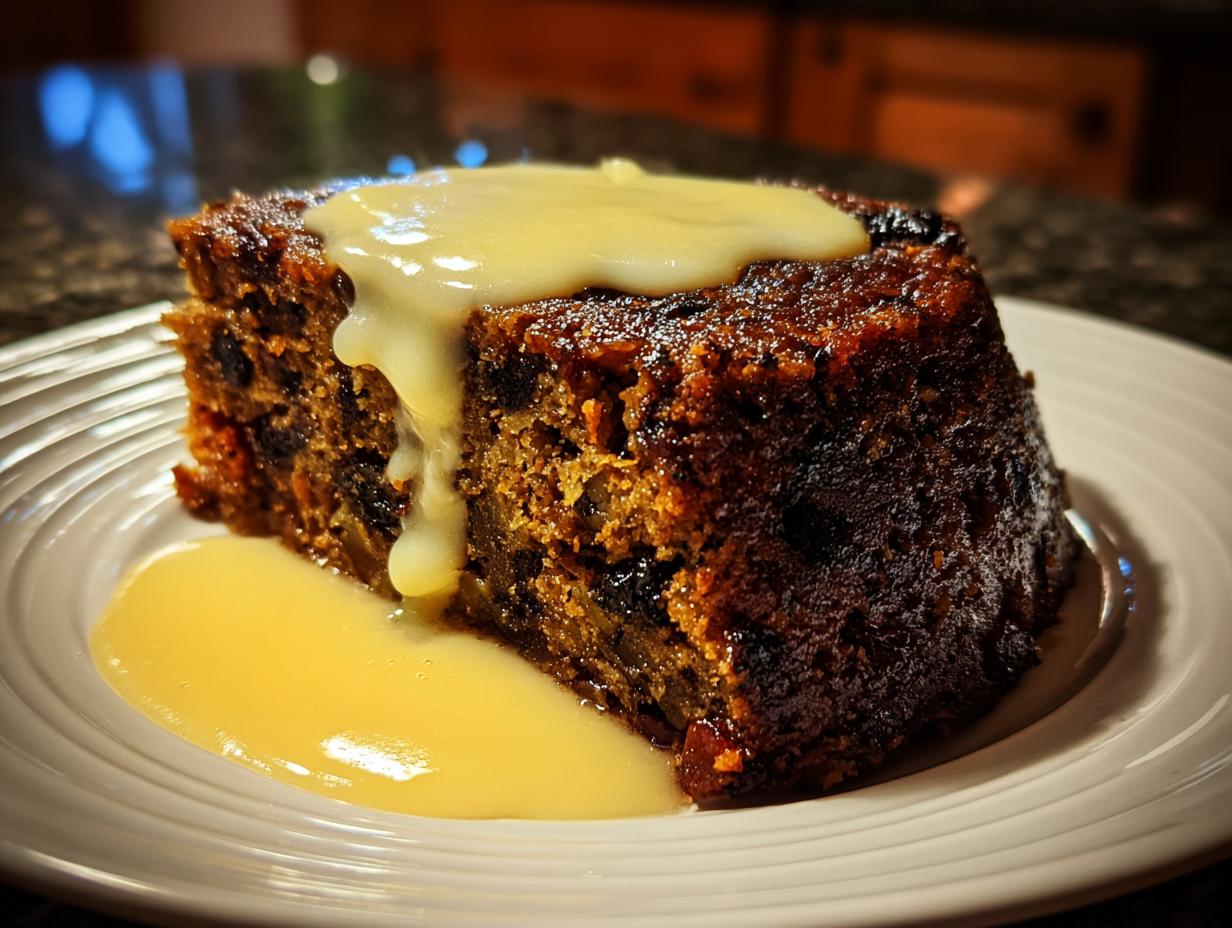
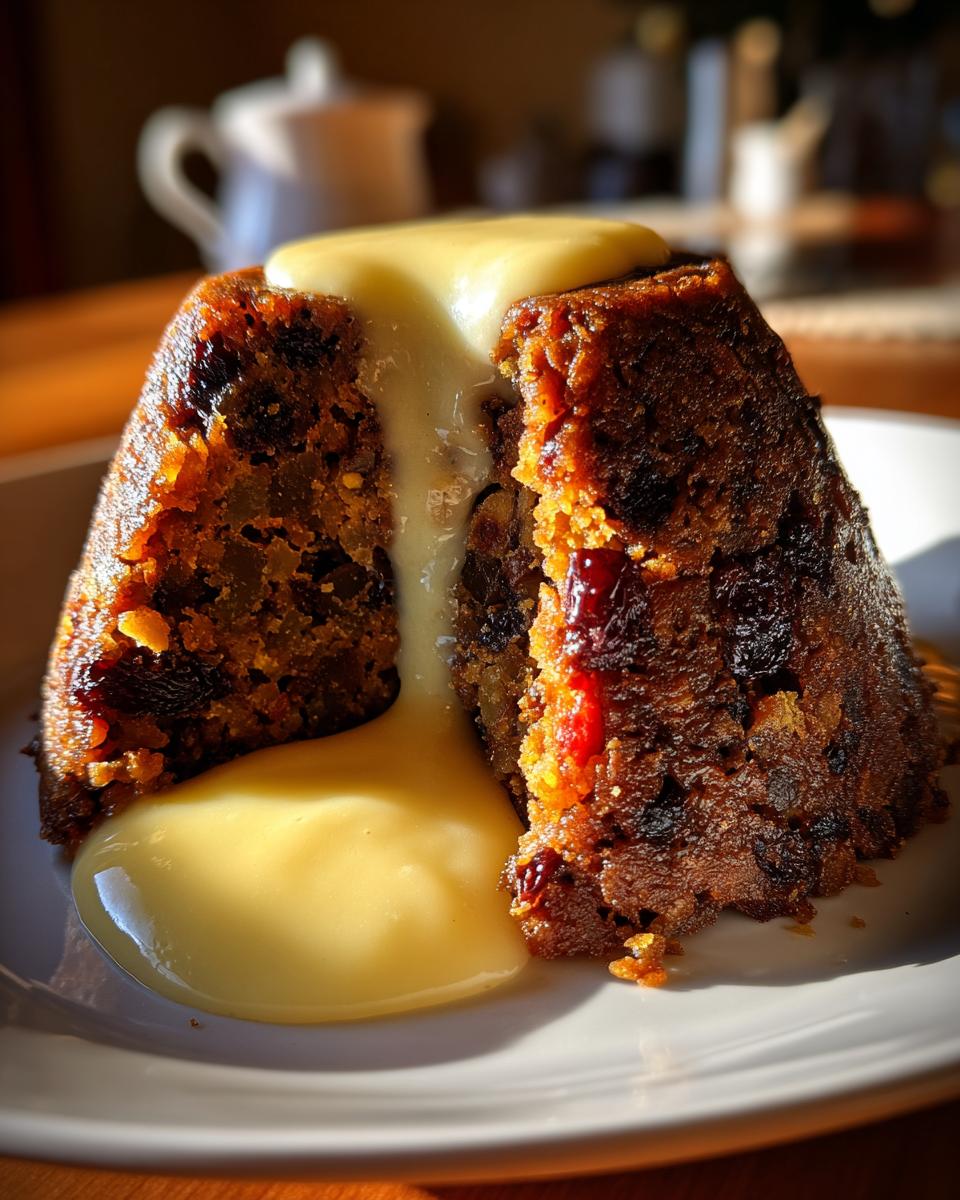
There’s just something about the holidays—that deep, slow warmth that settles in when the air turns crisp. For me, that feeling carries the aroma of spice, dark fruit, and something that has been patiently nurtured for weeks. If you’re looking to bring a genuine piece of culinary heritage to your own table, we need to talk about the plum pudding.
This isn’t some quick, modern adaptation. This is the authentic, traditional English method, the kind of dessert that deserves your respect because it demands time. We’re talking about that incredible, moist texture that only comes from a long, slow steam—a process my family learned from recipes tracing back generations before that. Cooking this dish connects you to culinary history, and that connection is what food should be all about.
It’s more than just a dessert; it’s the centerpiece of the feast, and I’m going to walk you through every careful step to ensure your first, or your fortieth, attempt yields perfection. Trust me, the patience pays off when that rich fruit pudding finally comes out of the steamer.
If you’re interested in how we approach honoring these old family foundations here at the site, you can always read more about my philosophy over on the About Page.
- Why This Traditional Plum Pudding Recipe Works (Expert Tips)
- Gathering Ingredients for Your Classic Christmas Pudding Recipe
- Step-by-Step Instructions for Preparing the Plum Pudding Batter
- How to Steam Plum Pudding Correctly for Six Hours
- Making the Homemade Brandy Butter Sauce for Your Plum Pudding
- Serving and Reheating This Festive Steamed Desserts Centerpiece
- Tips for Success with Victorian Christmas Dessert
- Storage and Make Ahead Christmas Dessert Guidance
- Frequently Asked Questions About Traditional Plum Pudding
Why This Traditional Plum Pudding Recipe Works (Expert Tips)
I’ve made cakes that bomb in the oven and breads that refuse to rise, but this Traditional Plum Pudding is different. It stubbornly trusts the process, and mine has succeeded every single time because we respect how it needs to be cooked. You can’t rush history, and you certainly can’t bake this rich fruit pudding! The secret lies in the long, slow exposure to moist heat. That’s what ensures every piece of dried fruit is plump, and the cake is impossibly moist, not dry and crumbly like a regular cake.
This recipe hinges on that gentle environment, which is why the steaming method is non-negotiable. If you’re looking for more insights into perfecting these elaborate holiday steps, I found some really interesting techniques over at this guide that confirms a lot of what my family always did.
The Importance of Steaming for Authentic Plum Pudding
Baking dries things out, plain and simple. Steaming, however, gently cooks the dense batter while simultaneously rehydrating it with the surrounding moisture. This is the foundational magic of any proper Steamed Pudding Recipe. It keeps the fats and sugars suspended perfectly, resulting in that dark, heavy, yet surprisingly tender texture we want in a true English pudding.
Making Your Plum Pudding Ahead of Time
This is the best part of this whole process: it actually gets *better* sitting around! Once steamed and cooled, you wrap it up tight. Letting your plum pudding age for several weeks—or even months if you’re really organized—allows the brandy and spices to fully meld into the fruit. That deep, resonant flavor just can’t be replicated if you cook it the day before. It truly is the perfect Make Ahead Christmas Dessert.
P.S. If you love that rich, boozy flavor profile, you absolutely have to check out my recipe for creamy homemade eggnog when the holidays roll around!
Gathering Ingredients for Your Classic Christmas Pudding Recipe
Alright, let’s talk about the haul. Making a proper plum pudding means respecting these ingredients; they are the backbone of that distinctive, heavy Christmas flavor. We aren’t using light raisins here, folks. You need the dark, plump variety, and make sure your currants are fresh—nobody wants that dusty stuff.
The dried fruit mixture is the star, obviously, but so is the binding agent. We need that dense structure, which comes from properly combined flour, sugar, and fat. And yes, we are using stout or dark beer. That dark liquid does so much heavy lifting, adding incredible depth and color that water or milk just can’t touch. It really brings out the best in this Rich Fruit Pudding.
It’s a long list, I know, but every single item has a purpose in that steamer for six-plus hours! If you’re looking for other staples that bring that deep, warm flavor to the holidays, you might want to check out my creamy eggnog recipe sometime soon.
Ingredient Notes and Substitutions for Rich Fruit Pudding
This is where I get a little strict, just because I want you to have the best result. If you can’t source suet—and honestly, it’s tricky these days—you can substitute it with cold butter cut into tiny pieces. Just make sure it’s really cold so it cuts into the flour properly, mimicking the texture of suet. It works, but it’s slightly different!
Now, about the stout: If the idea of using beer in your dessert makes you nervous, don’t sweat it. You can absolutely use a dark, strong ale if you prefer, or even just super strong black tea if you need to keep the alcohol completely out of the main batter. But for the sauce, you’ll want that brandy! This is the key to an Authentic Plum Pudding experience.
If you’re interested in other traditional recipes that rely on simple ingredients coming together well, you’ll love my Irish Soda Bread guide.
Step-by-Step Instructions for Preparing the Plum Pudding Batter
Okay, the ingredients are gathered, and we’re ready to mix! This part is fast—much faster than the actual cooking time, thankfully. First things first, you need to prepare your vessel. Make sure that 1.5-quart pudding basin is greased really well. Then, you’ll make your little cover setup with the parchment and foil right now, so it’s ready to go later. Remember that all-important pleat right in the middle!
Next up, we hit the dry ingredients. Whisk your flour, cinnamon, nutmeg, cloves, salt, and baking soda together. You want that leavening and spice evenly distributed so you don’t get little pockets of pure cinnamon later. Now, toss in all your heavy bits: that packed brown sugar, the suet (or cold butter!), all those fruits, and those almonds. Mix this by hand until everything looks nicely coated in flour. This stops the fruit from sinking!
This is where we introduce the wet stuff. Whisk your stout, the brandy, eggs, and that lovely orange zest separately. Pour the liquid mixture right into your big bowl of fruit and dry ingredients. Stir it just until everything comes together. Seriously, stop stirring when it’s combined—overmixing is the enemy of a tender plum pudding. Once you dump that wonderful, heavy batter in, you’ll be ready to steam that classic beauty, maybe with some tips from this traditional site if you want to double-check your arrangement!
If you’ve been playing around with doughs recently, like making that no-knead bread, you’ll appreciate that this rich batter is almost foolproof as long as you don’t over-agitate it here.
How to Steam Plum Pudding Correctly for Six Hours
Okay, this is the marathon part of the recipe, the secret to that deep, mellow flavor that makes this an Old Fashioned Holiday Pudding. You cannot just pop this in the oven! Remember, we are learning How to Steam Plum Pudding like they did in the old country.
Before you even think about lowering your prepared basin into the pot, you MUST have your water boiling hot. If you put it in cold or lukewarm water, you shock the pudding and mess up the slow cooking process. Get that large pot on the stove, nestle your carefully covered pudding basin inside, and then pour in boiling water until it comes about halfway up the side of the basin. Don’t forget to cover that steamer pot tightly!
Now, you settle in for patience. We steam this glorious Traditional British Dessert over low, simmering heat for a solid five to six hours. The most important thing? You have to check the water hourly. It evaporates, and if the water drops too low and starts scorching the bottom of the basin, the pudding is ruined. Always top it up with more boiling water; never let it go dry. If you’re looking for inspiration on presentation, check out this beautiful take on the final dessert over at Rhubarb and Lavender.
After those long hours, the pudding is technically cooked! But don’t rush it onto the table yet. Carefully take it out—that basin will be scorching hot! Remove the foil and paper, let it cool completely down, and then cover the top directly with plastic wrap before chilling. This aging process is crucial for the best flavor development in your plum pudding.
Securing the Pudding Basin Cover
Getting the lid right is almost as important as the steaming itself! Remember those two circles of paper you made? The parchment goes on first, touching the pudding mixture. Then, the foil goes over that. You need to crimp the edges of both materials securely around the rim of the basin. Make sure you create a neat, visible pleat across the top center of the foil and parchment—this is vital!
That pleat allows the pudding to expand as it cooks without tearing the cover off. Finally, use strong kitchen string to tie everything down tightly around the rim of the basin. I always tie an extra loop of string over the top, like a handle. It makes lifting that heavy, hot basin out of the water so much safer, which is a trick I learned the hard way making this plum pudding for the first time!
For more amazing seasonal inspiration, you might want to check out some tips on wrapping and storing foods, like my guide to making homemade granola bars—it’s all about keeping things fresh!
Making the Homemade Brandy Butter Sauce for Your Plum Pudding
If the thought of serving that dark, rich plum pudding without the proper accompaniment makes you shudder, then you know we absolutely have to make the Brandy Butter Sauce. This isn’t the same as a simple hard sauce, though it shares that lovely, boozy warmth. For me, this sauce is the necessary counterpoint—creamy, sweet, and sharp enough to cut through the pudding’s richness.
Making this sauce—which is central to the full Plum Pudding with Brandy Sauce experience—is so surprisingly easy, it almost feels like cheating. You just need softened butter, powdered sugar, and the booze. The key here is the texture we are aiming for. You don’t want soup! You want it soft enough to spread or spoon easily, but not melted or runny. Aim for that perfect, pliable, whipped frosting consistency.
You’ll want to start with softened butter—and I mean property softened. Grab it an hour before you plan to make it. Beat it until it’s light and fluffy, then start adding the confectioners’ sugar slowly. Once that’s mixed, dribble in your brandy. That’s it! If you’re looking for other wonderful topping ideas that match that creamy texture, my guide to the ultimate vanilla buttercream might give you some inspiration for other holiday bakes.
Once you’ve finished the sauce, put it away in the fridge until you’re ready to reheat your pudding. A nice, firm dollop melting slowly onto that hot steamed dessert? Pure joy. If you need other tips on mastering those buttery finishes, this article on homemade hard sauce is a great reference.
Serving and Reheating This Festive Steamed Desserts Centerpiece
So, you’ve stored your magnificent, matured plum pudding for weeks (or maybe just 24 hours, I won’t judge!). Now comes the grand finale! Serving it requires a second, shorter steam. Don’t even think about microwaving this beauty; that just feels wrong for such an Old Fashioned Holiday Pudding.
You need to put the pudding—still in its basin, still covered with that fresh plastic wrap you put on after the first steam—back into the pot of simmering water. This time, you steam it for about an hour and a half to two hours. It needs to get piping hot all the way through. You’ll know it’s ready when the pudding basin feels extremely hot to handle through the thick cloth you use to lift it out.
Once it’s hot, take off the basin lid and carefully flip it over onto your best serving plate. Give the bottom of the basin a firm tap or two—sometimes it needs a little encouragement to release from the sides. If you don’t have a beautiful presentation platter that works, maybe you could try building a stunning layered dessert, like this caramel apple trifle for another occasion!
Now for the showstopper moment: the flame! Remember that warm brandy butter sauce we made? Make sure your sauce is served right beside it, slightly soft. While the whole spread of Festive Steamed Desserts is waiting, you pour a tiny bit of extra brandy over the still-hot pudding. Stand back, grab a match, and *whoosh*! That brief, glorious flare of blue flame right at the dinner table is the only way to properly serve this Old Fashioned Holiday Pudding.
Tips for Success with Victorian Christmas Dessert
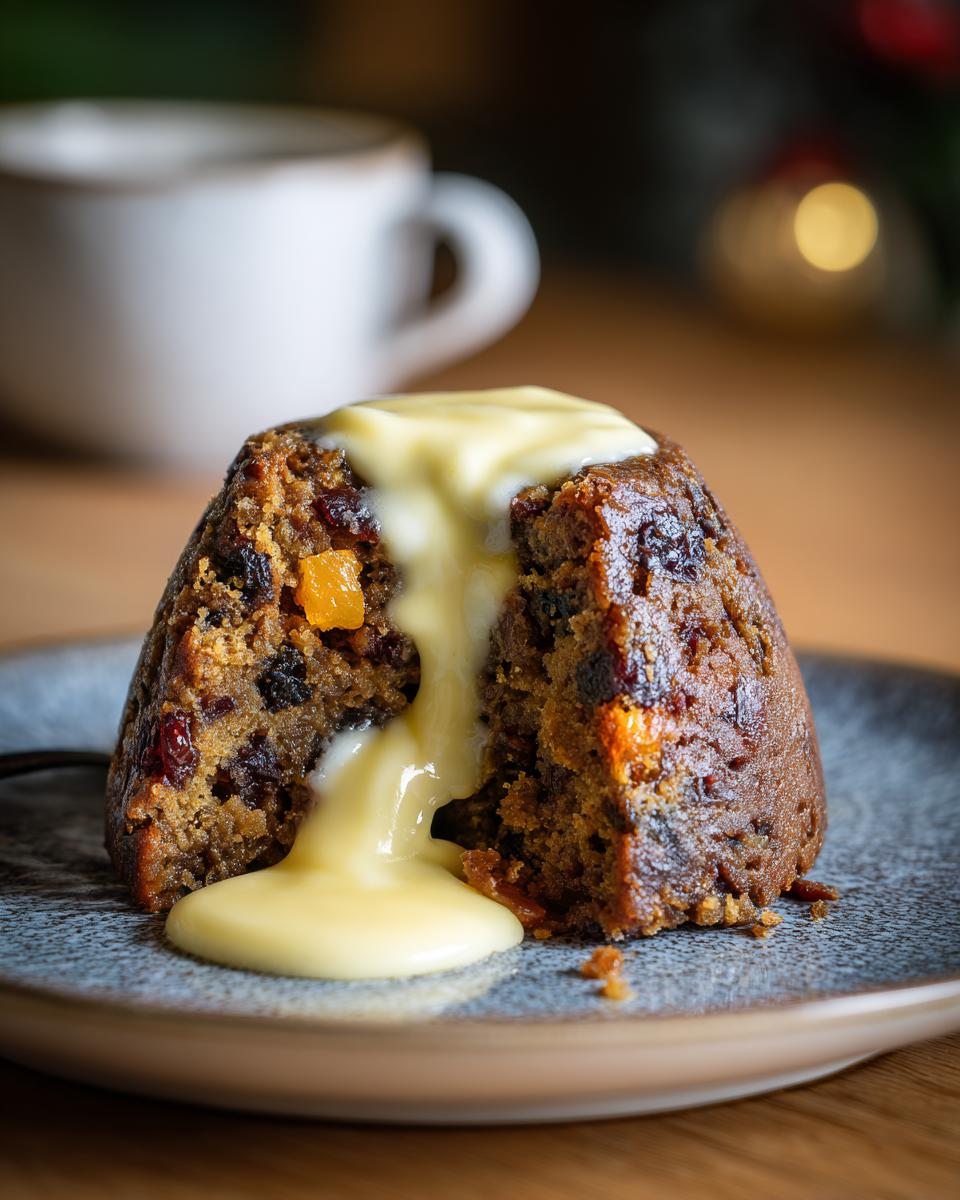
We are following a tradition here, and small details really do make the difference when you are dealing with something as magnificent as a real plum pudding. I know the six-hour steam sounds intimidating, but the most crucial thing I learned is about water management. If you see the water level dropping in your steaming pot, you absolutely, positively must top it up with more boiling water. Never, ever use cold water! That hot top-up keeps the temperature steady for that long cooking time.
Also, if you want to lean into that true old-world feeling, clean a silver sixpence really well and tuck it into the batter before you seal the basin. Finding that coin on Christmas day is just a bit of fun luck for the recipient! For some other great tips on keeping your desserts moist and delicious, take a peek at my guide for the moist spice cake.
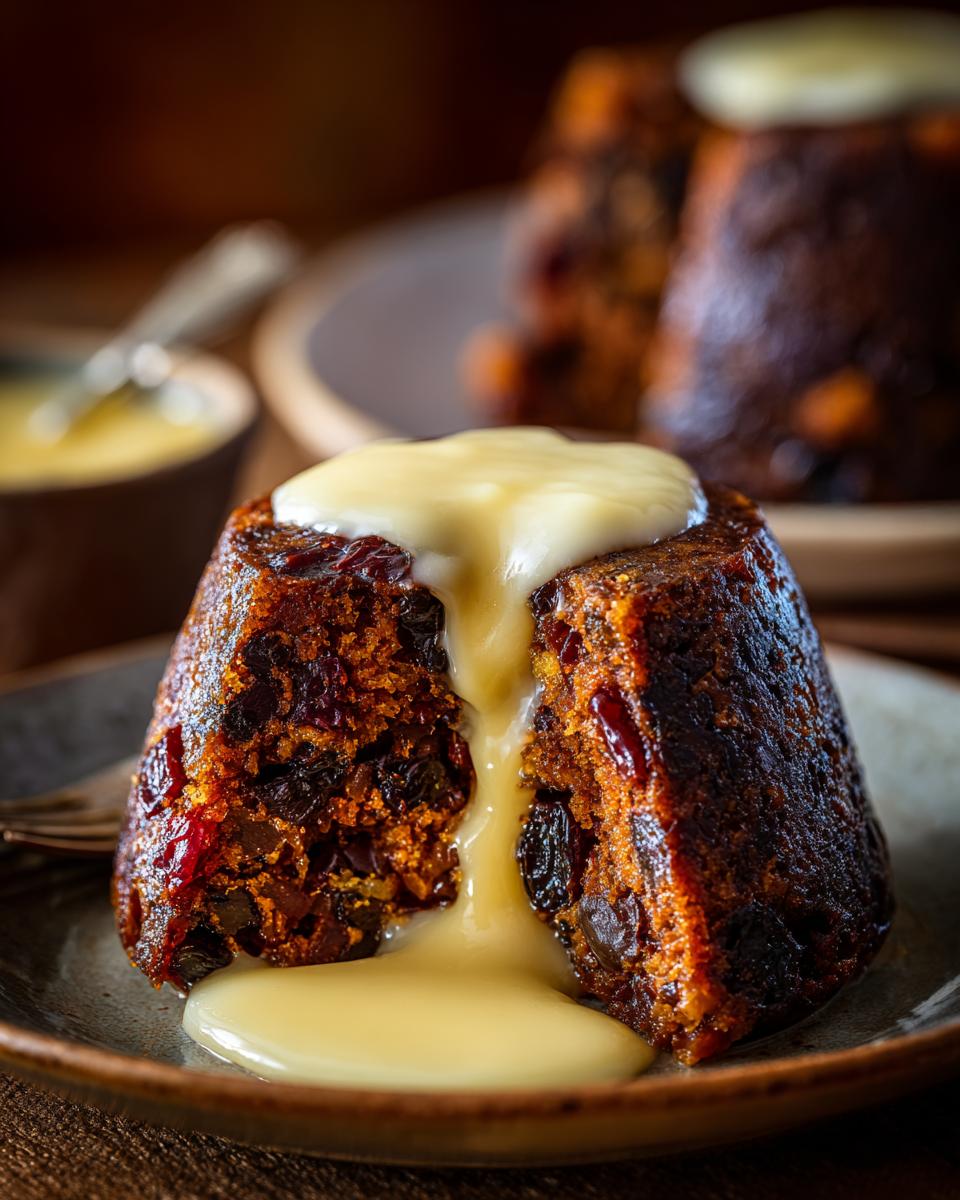
For visual cues on how other bakers manage these long steams for their traditional treats, check out the presentation over at Supergolden Bakes.
Storage and Make Ahead Christmas Dessert Guidance
If you’ve followed the instructions for steaming this gorgeous dessert, you now have a very hot, cooked plum pudding in a basin. Resist the urge to dig in right away! Remember, a huge part of the greatness of this recipe is planning ahead. This is the key step for having an incredible Authentic Plum Pudding ready when you need it.
First, you need to let it cool completely. Once it’s totally cool to the touch, carefully take off that foil and parchment setup. Now, we are looking at preservation time. You need to cover the surface of the pudding directly with fresh plastic wrap—really press it down so there are no air gaps touching the surface. This prevents a ‘skin’ from forming.
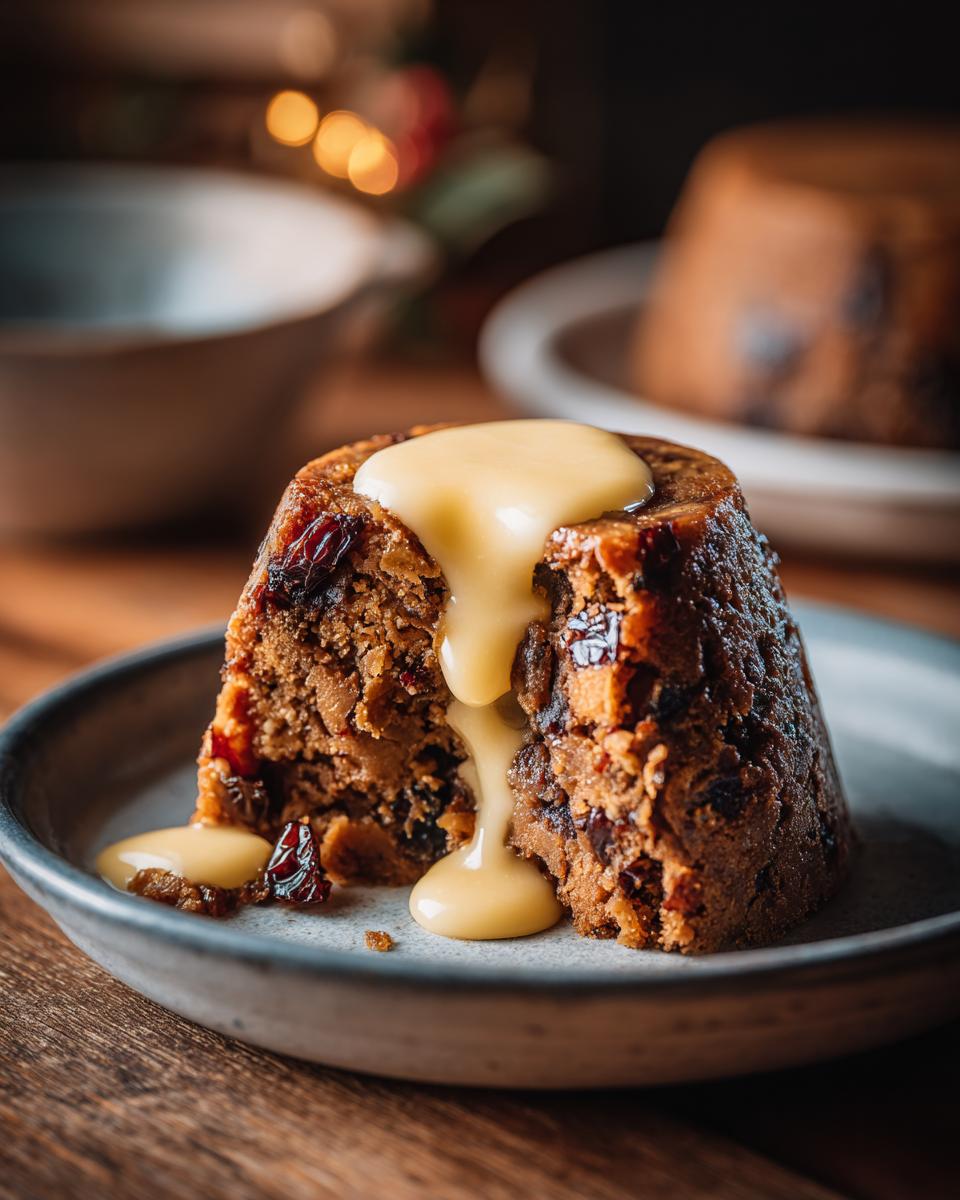
Once wrapped, you can store this in the refrigerator for several weeks, or even freeze it for up to a year. I’ve done both, and honestly, aging it really lets those spices settle into every corner of the fruit. That week or two in the fridge before Christmas makes such a difference!
If you plan ahead on your preserves, you’ll have less stress later! Speaking of preserving flavors, if you find yourself with extra fruit later in the year, you should really try making my easy freezer jam!
When it is finally time to serve, give it that second steam for a couple of hours until it’s hot all the way through, and then get ready for the applause!
Frequently Asked Questions About Traditional Plum Pudding
I totally get it; when you’re trying something this traditional, you’ve got questions! Navigating the steaming process and the old-world ingredients can feel like stepping back in time, but don’t worry, we’ve got you covered. Here are a few things folks ask me most often about getting this Traditional Plum Pudding right.
Can I make this plum pudding recipe without alcohol?
You absolutely can, though it changes the character a little! Remember I mentioned using strong black tea as a substitute for the stout in the batter? That works perfectly well if you want to keep it alcohol-free in the main mixture. For the brandy component, you can simply omit it from the batter and skip the torching step at the end, of course. Instead of brandy butter sauce, you could whip up a wonderful vanilla custard or even that buttercream I shared earlier and use that! The pudding itself will still be rich and spiced, just without that extra boozy kick.
What is the difference between plum pudding and Christmas pudding?
That’s a fun one! For the purposes of this recipe, there is virtually no difference. They are two names for the same beautiful Spiced Dried Fruit Pudding. Historically, the term ‘plum pudding’ was used because, ages ago, ‘plum’ was often the general word for any dried fruit, like raisins or prunes. When you see this recipe, often called a Classic Christmas Pudding Recipe, know that they both refer to that dense, steamed marvel that sits right in the middle of the holiday table. It’s the ultimate Traditional British Dessert!
If you ever need to get in touch about a technique or a substitution, please don’t hesitate to reach out on my Contact Page. Happy to help!
PrintTraditional English Plum Pudding with Homemade Brandy Butter Sauce

Make the classic Christmas centerpiece. This recipe yields a rich, moist, steamed plum pudding, traditionally made ahead of time, served with a simple, decadent brandy butter sauce.
- Prep Time: 45 min
- Cook Time: 6 hours 30 min
- Total Time: 7 hours 15 min
- Yield: 8 servings 1x
- Category: Dessert
- Method: Steaming
- Cuisine: British
- Diet: Vegetarian
Ingredients
- 1 cup (120g) all-purpose flour
- 1 teaspoon ground cinnamon
- 1/2 teaspoon ground nutmeg
- 1/4 teaspoon ground cloves
- 1/2 teaspoon salt
- 1/2 teaspoon baking soda
- 1 cup (200g) packed dark brown sugar
- 1 cup (120g) shredded suet or cold butter, cut into small pieces
- 1 cup (150g) raisins
- 1 cup (150g) currants
- 1/2 cup (75g) chopped mixed candied peel
- 1/2 cup (60g) chopped blanched almonds
- 1 cup (240ml) stout or dark beer
- 1/4 cup (60ml) brandy, plus extra for flaming (optional)
- 2 large eggs, lightly beaten
- Zest of 1 orange
- For the Brandy Butter Sauce: 1/2 cup (113g) unsalted butter, softened
- 1 cup (120g) confectioners’ sugar
- 2 tablespoons brandy
Instructions
- Prepare the pudding basin: Lightly grease a 1.5-quart pudding basin. Cut a circle of parchment paper and a circle of foil, both large enough to cover the top of the basin.
- Mix dry ingredients: In a large bowl, whisk together the flour, cinnamon, nutmeg, cloves, salt, and baking soda.
- Combine main ingredients: Add the brown sugar, suet (or butter), raisins, currants, candied peel, and almonds to the dry ingredients. Mix well until everything is coated.
- Add liquids: In a separate bowl, whisk together the stout, 1/4 cup brandy, eggs, and orange zest. Pour the wet mixture into the dry ingredients and stir until just combined. Do not overmix.
- Fill the basin: Spoon the mixture into the prepared pudding basin. Leave about 1 inch of space at the top for expansion.
- Cover the pudding: Cover the basin tightly first with the parchment paper, then with the foil, crimping the edges securely. Create a pleat in the center of the paper and foil to allow for expansion during steaming. Tie securely around the rim with kitchen string, creating a handle loop over the top.
- Steam the pudding: Place the basin in a large pot or deep steamer. Pour boiling water into the pot so it comes halfway up the side of the basin. Cover the pot tightly. Steam over low, simmering heat for 5 to 6 hours, checking the water level every hour and topping up with boiling water as needed.
- Cool and store: Carefully remove the basin from the water. Remove the foil and parchment. Allow the pudding to cool completely. Once cool, cover the surface directly with a fresh piece of plastic wrap and store in the refrigerator for at least one week, or up to several months.
- Prepare the Brandy Butter Sauce: In a small bowl, beat the softened butter until creamy. Gradually beat in the confectioners’ sugar until smooth. Beat in the 2 tablespoons of brandy until fully incorporated. Store covered in the refrigerator.
- Serve: Steam the pudding again for 1.5 to 2 hours before serving. Invert onto a serving plate. Warm the brandy butter slightly so it is soft but not melted, and serve alongside the hot plum pudding. For a traditional presentation, warm a small amount of extra brandy, pour over the pudding, and carefully ignite.
Notes
- You can substitute the stout with dark ale or strong black tea if you prefer not to use alcohol in the steaming process.
- To ensure a moist pudding, always keep the water level high during the long steaming time. Use boiling water when topping up the pot.
- For a traditional touch, place a silver sixpence (cleaned) into the pudding mixture before covering and steaming.
Nutrition
- Serving Size: 1 slice (pudding only)
- Calories: 450
- Sugar: 55g
- Sodium: 180mg
- Fat: 20g
- Saturated Fat: 12g
- Unsaturated Fat: 8g
- Trans Fat: 0g
- Carbohydrates: 65g
- Fiber: 3g
- Protein: 6g
- Cholesterol: 60mg